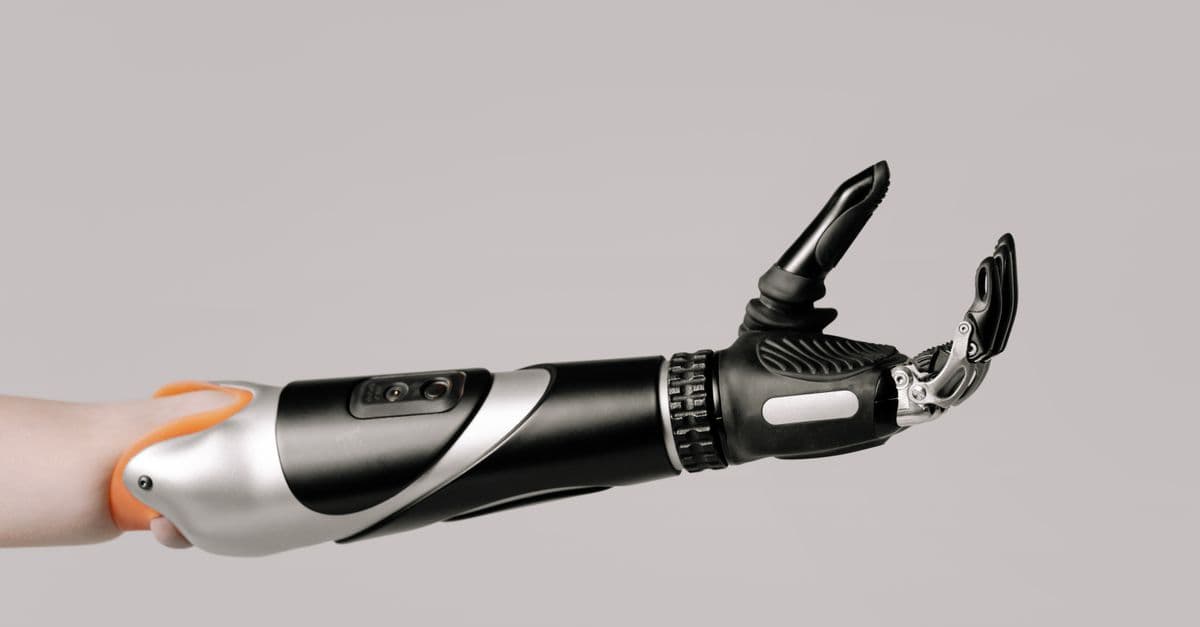
Artificial Intelligence
Advanced Prompt Engineering: Techniques That Actually Work
Beyond 'be clear and specific': the advanced prompt engineering techniques that hold up in published tests, and the popular advice that does not.
Latest AI news: ChatGPT, Claude, Gemini, machine learning breakthroughs, and artificial intelligence research — explained simply.
Beyond 'be clear and specific': the advanced prompt engineering techniques that hold up in published tests, and the popular advice that does not.

Training and inference are two fundamentally different computational processes. Understanding the distinction explains most of how AI systems work and cost.

Chain-of-thought prompting and reasoning models have changed what language models can solve. Here is the evidence on why writing out steps helps, how it is trained now, and where the steps stop being trustworthy.
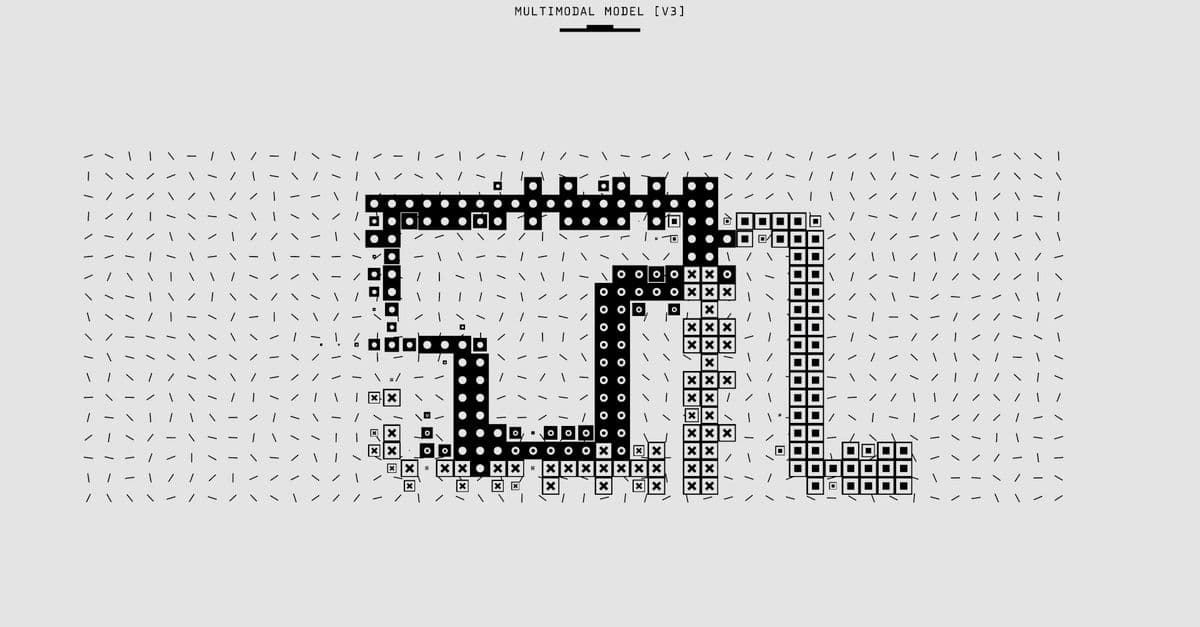
How multimodal AI turns images, audio, and video into tokens a language model can process, what benchmarks show, and where vision-language models still fail.

In 2010 the best image classifier missed the right label in its top five guesses about 28% of the time. By 2015 that was 3.57%. Here is what changed, and how a CNN actually sees.

Meta trained Llama 3 on more than 15 trillion tokens using 7.7 million H100 GPU-hours. Here is how next-token prediction at that scale turns into a conversation partner.

Server-side chatbots run on racks of GPUs in data centers. Face ID, voice dictation, and a growing number of language features run on a chip the size of a fingernail in your pocket. The science of shrinking large models to fit is called edge AI.
Type a sentence, get a picture. Behind Stable Diffusion and DALL-E sits one idea borrowed from thermodynamics: destroy images with noise in small steps, train a network to undo each step, then run the process backward from static.

Transfer learning lets a model trained once on broad data be adapted to many narrower tasks. Here is how pre-training, fine-tuning, LoRA, and foundation models work, and where reuse quietly fails.
Two neural networks play a game. One forges images, the other tries to catch the forgeries, and each failure teaches the forger something. That is a GAN, and its strengths and flaws all follow from that game.

A language model never sees words, only numbers. Here is the pipeline that turns raw text into tokens, vectors, and predictions, from tokenization to BERT.

AlphaGo did not read a Go textbook for its strongest play. It improved by playing itself, guided by win or lose. Here is the math and the history behind how reinforcement learning works.