Artificial Intelligence
How LLM Tokenization Works (and Why AI Can't Spell)
LLMs read tokens, not letters. See how byte-pair encoding builds a vocabulary, and why that explains strawberry miscounts, shaky arithmetic, and uneven costs.
Latest AI news: ChatGPT, Claude, Gemini, machine learning breakthroughs, and artificial intelligence research — explained simply.
LLMs read tokens, not letters. See how byte-pair encoding builds a vocabulary, and why that explains strawberry miscounts, shaky arithmetic, and uneven costs.
Neural scaling laws explained: what Kaplan (2020) and Chinchilla (2022) found about parameters, data, and compute, and where the power laws stop working.
Mechanistic interpretability reverse-engineers neural networks into features and circuits. What it has found in GPT-2 and Claude, and what it cannot yet do.
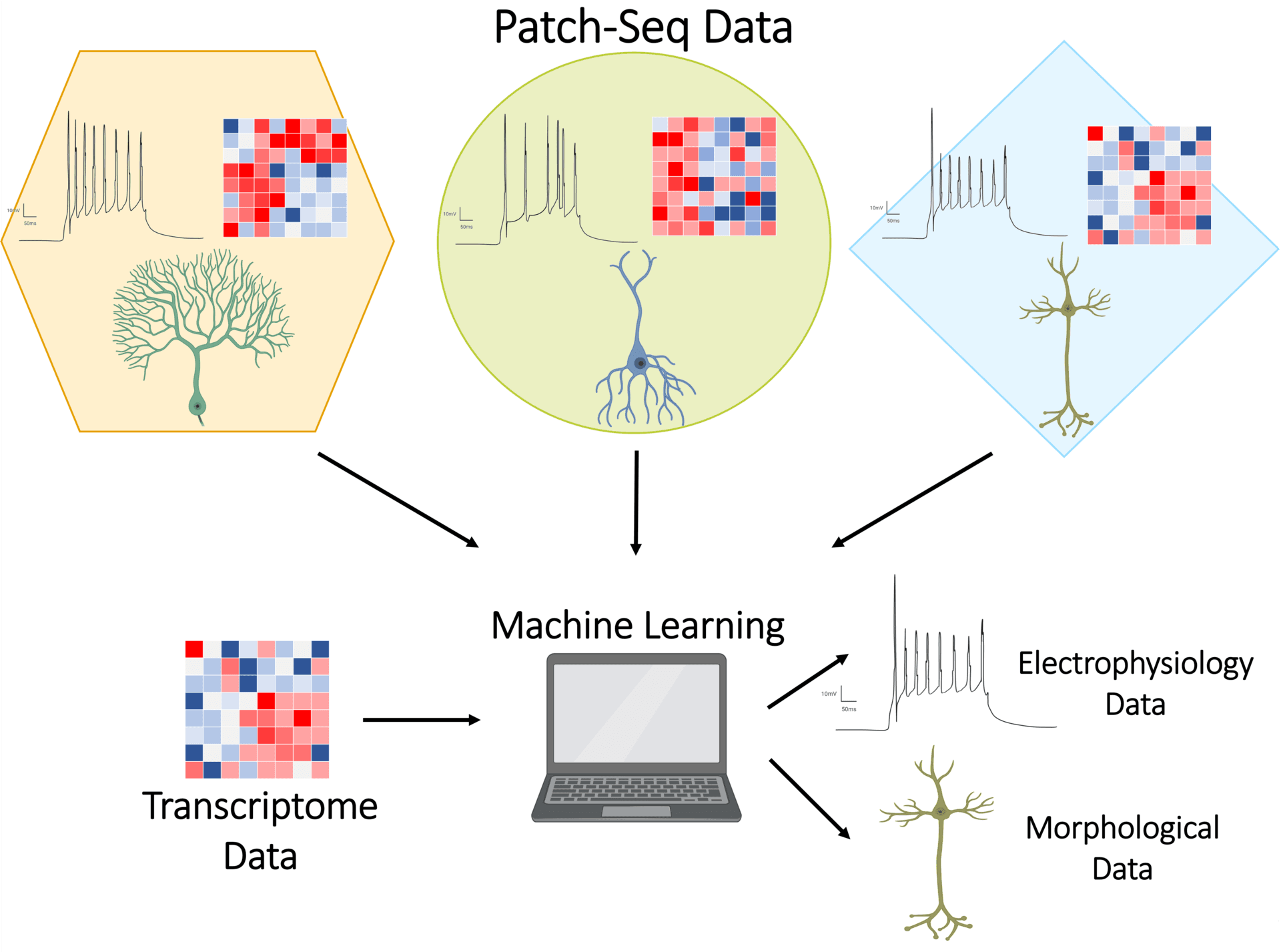
AI data provenance records where data came from, how it changed, which permissions apply and how it was used. See what it proves, and what it cannot.

AI model routing sends different requests to different models or workflows based on task, risk, cost, latency and capability rather than assuming one model fits every use case.

AI observability combines telemetry, evaluation, drift detection and incident response so teams can understand what models and agents do after deployment.
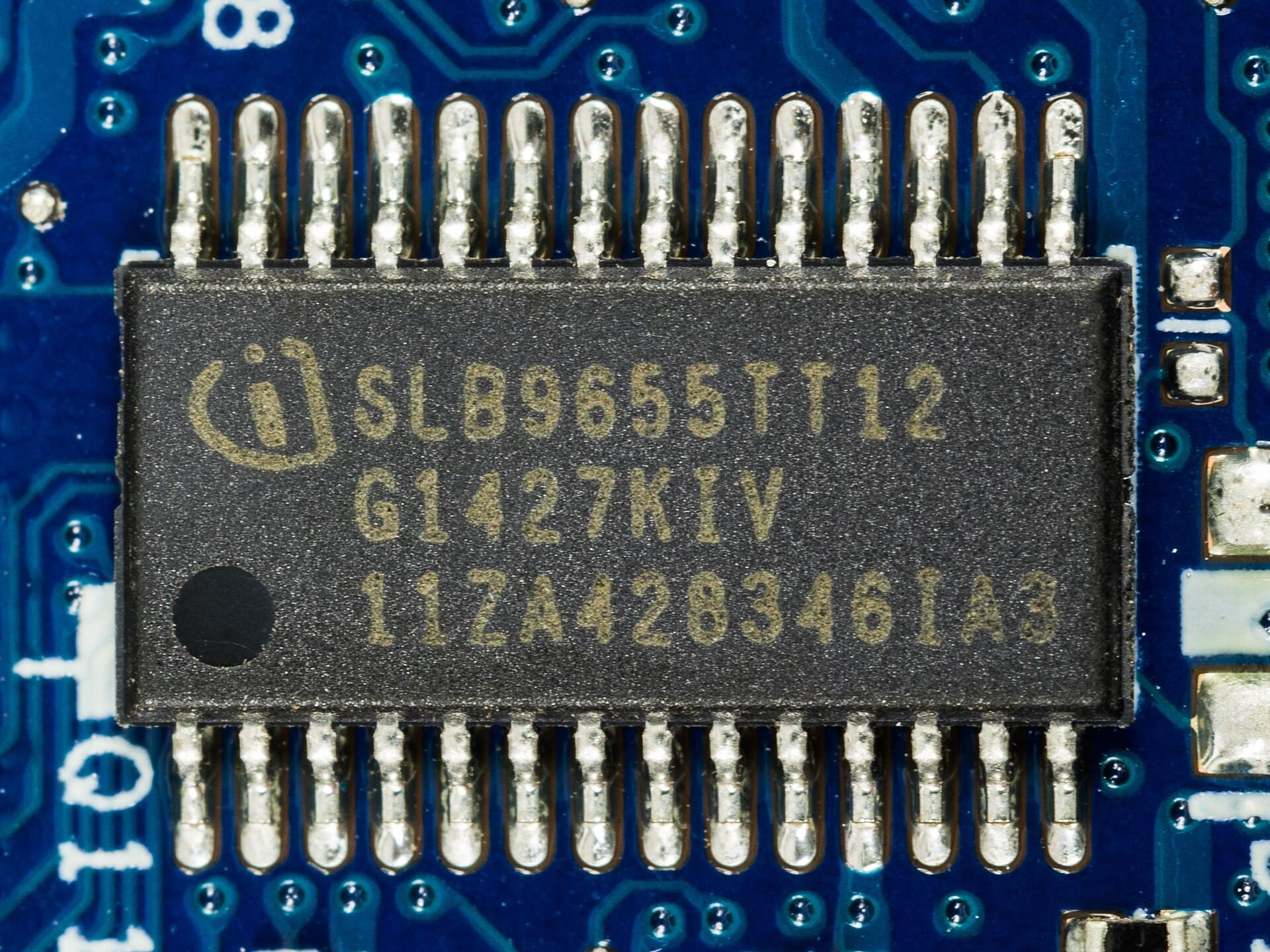
Confidential computing protects AI data while it is processed, using hardware enclaves and attestation. Learn how it works and where its limits are.

Prompt injection is a trust-boundary problem in AI applications. Learn how direct and indirect injections work conceptually, why tools and retrieval increase risk, and which defensive controls make systems safer.

How AI detects patterns in medical scans: convolutional networks learn from labeled images, what trials show, and why FDA-cleared tools still need clinicians.