
behavioral-economics
11 articles tagged with #behavioral-economics


Finance & Crypto
Why Emergency Funds Protect Decisions
Why emergency funds protect decisions: how liquid cash avoids forced trade-offs, what scarcity research does and does not show, and what Fed data say.

Finance & Crypto
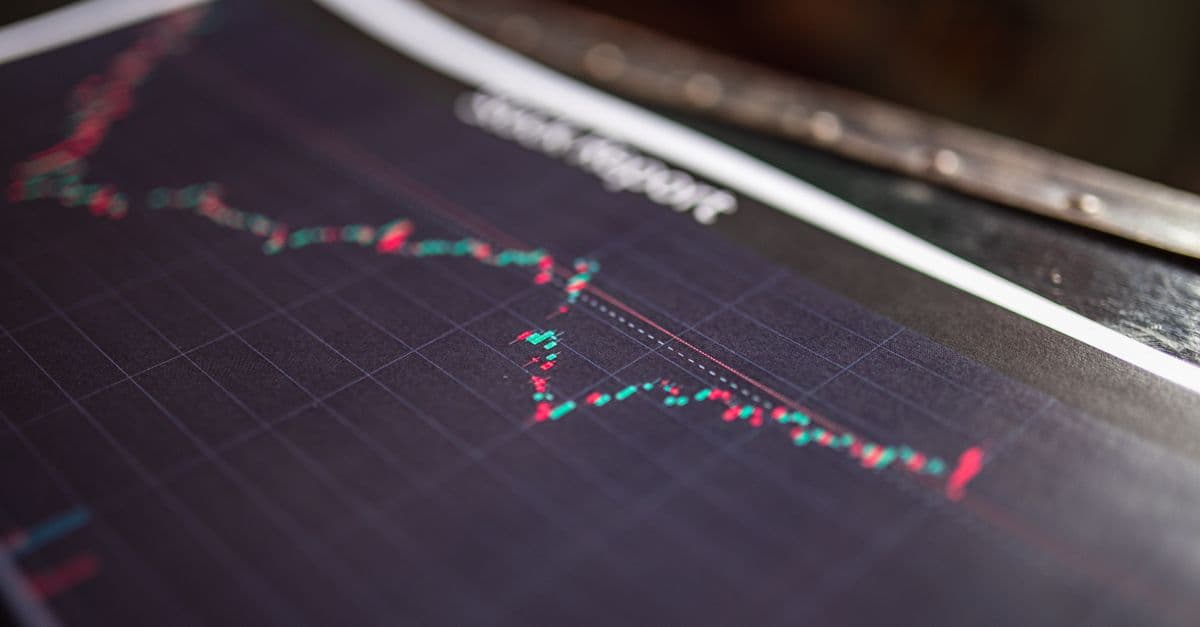
How Stock Market Crashes Happen
Stock market crashes are not random events. They follow a mechanical sequence: valuations stretch on borrowed money, a trigger breaks confidence, and forced selling feeds on itself until buyers disappear.

Psychology
The Psychology of Decision Making: How We Really Decide
The psychology of decision making explained: prospect theory, loss aversion, the paradox of choice, heuristics, and why human decisions deviate systematically from rationality.

Experiments
The Tversky-Kahneman Framing Experiment: Why 400 Deaths and 200 Survivors Are Not the Same Thing
In 1981, Tversky and Kahneman showed that identical outcomes produce opposite choices depending on wording. The Asian disease problem revealed how framing drives decisions — not logic.

Experiments
The Ultimatum Game: Why People Reject Free Money
In 1982, Werner Güth's ultimatum game showed people routinely reject money to punish unfairness. Here's the experiment, the cross-cultural results, and what it means for economics and AI.
Finance & Crypto
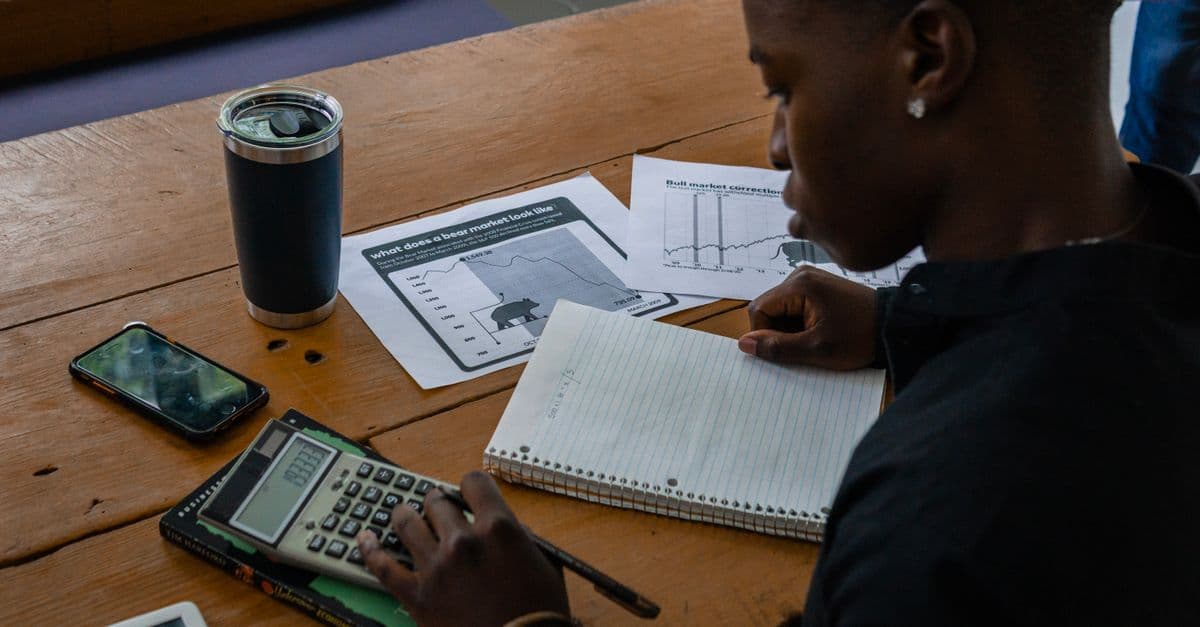
Behavioral Economics: Why Humans Are Predictably Irrational and What to Do About It
Classical economics assumed humans make rational decisions that maximize their self-interest. Then Daniel Kahneman and Amos Tversky spent decades documenting where that fails, and in which direction. Their work changed how governments design policies, how companies sell products, and how researchers think about money.

Science
The Psychology of Decision-Making: Why Rational Choice Is a Myth
Classical economics assumed humans make rational decisions. Behavioral science spent 50 years proving that assumption spectacularly wrong.