Skip to content
ISSUE 10.17.26/24 CATEGORIES

fever

2 articles tagged with #fever

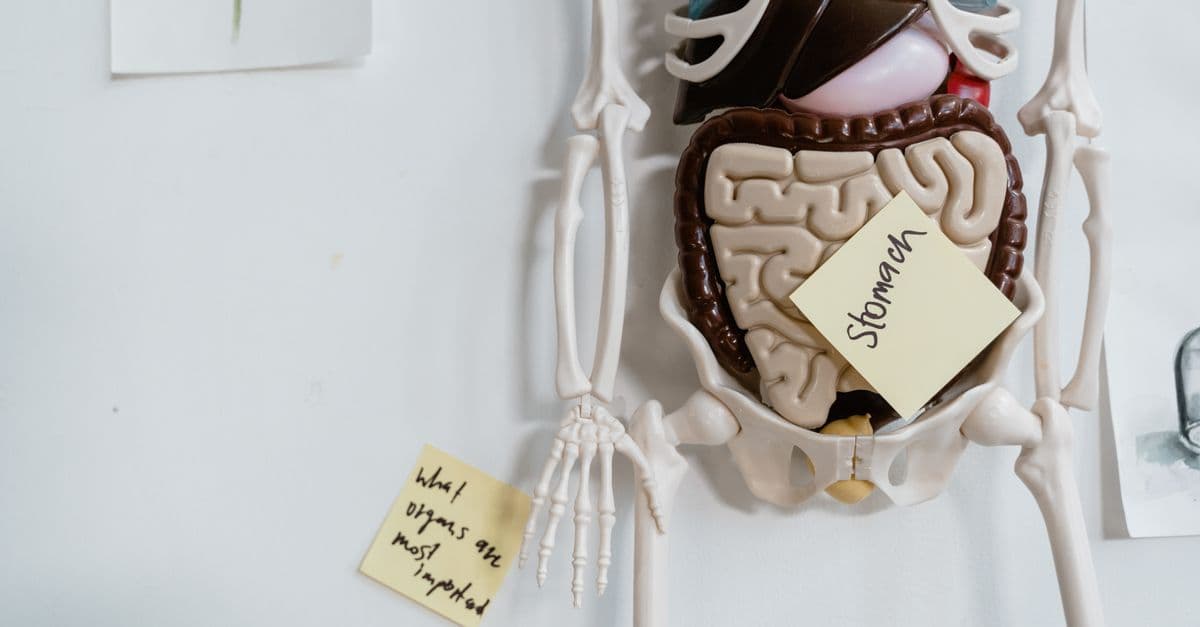
Close-up of anatomical model with sticky notes highlighting the stomach and other parts.
Human Body

Why Do We Get Fevers? The Science of the Fever Response

A fever is not an illness but a weapon—your immune system's coordinated response to infection that raises your body's set-point temperature. When pathogens invade, immune cells release signaling molecules called pyrogens that travel to the brain and reset the temperature thermostat from 37°C to 39°C or higher. This increase is controlled and purposeful: the higher temperature slows bacterial growth, accelerates immune cell activity, and enhances antiviral proteins. Understanding fever as an adaptive defense explains why suppressing it indiscriminately can sometimes hinder recovery, yet also reveals when dangerous fevers require immediate treatment.

Editorial Team·June 10, 2026·17 min
Close-up of a woman applying moisturizer to her arm in a studio setting.
Human Body

How the Body Regulates Temperature: The Hypothalamic Thermostat, Sweating, Shivering, and Fever

The human body maintains core temperature within a range of less than 1°C (1.8°F) despite external temperatures swinging 60°C or more across seasons, and despite internal heat generation that — in hard exercise — rises to 20 times the resting rate. This precision requires a thermostat, an active cooling system, an emergency heating system, and dedicated fat that burns itself to generate warmth. None of it is conscious. Here is how thermoregulation actually works.

Editorial Team·June 2, 2026·17 min