
glymphatic-system
4 articles tagged with #glymphatic-system
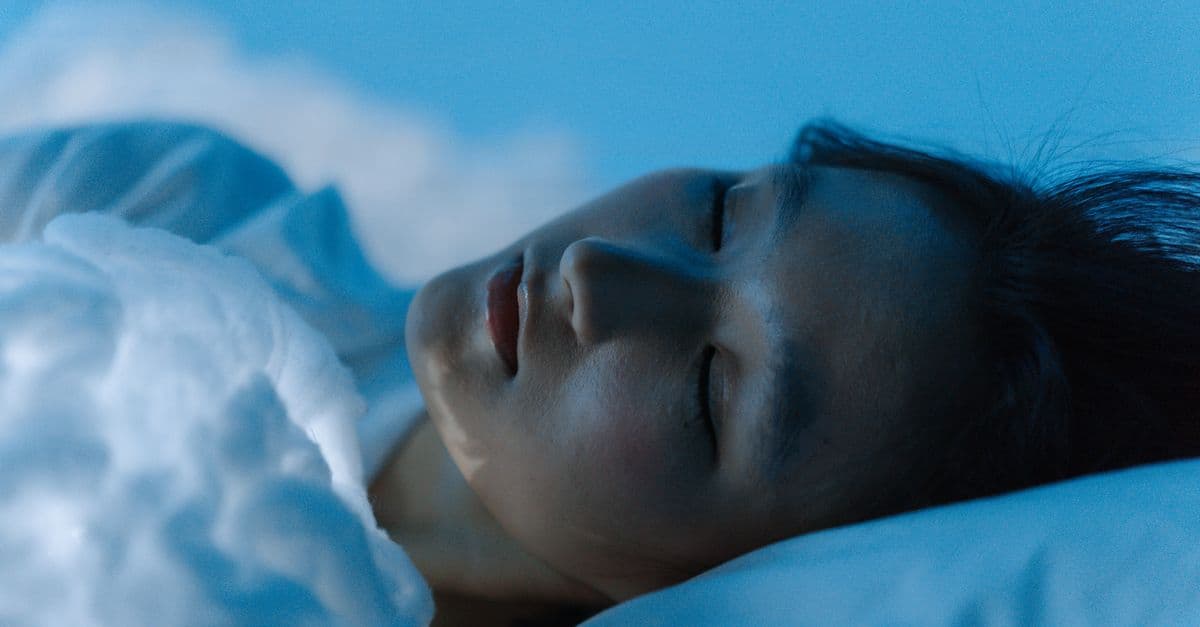
Biology & Health
The Science of Sleep: What Happens in the Brain During REM Sleep
Sleep is not a passive shutdown but an active state of brain and body reorganization. During an 8-hour sleep cycle, humans alternate between non-REM (NREM) sleep—characterized by slow theta waves, reduced muscle tone, and energy conservation—and REM (rapid eye movement) sleep, when the brain shows activity patterns similar to wakefulness, the eyes move rapidly beneath closed eyelids, and skeletal muscles are paralyzed except for the diaphragm. REM sleep makes up approximately 20–25 percent of sleep in adults and is the stage where most vivid dreaming occurs. The neuroscience of REM reveals that memory consolidation (particularly emotional and procedural memories), creativity processing, and amygdala-driven emotion regulation all occur during this stage. The glymphatic system—a network of fluid pathways that clear metabolic waste from the brain during sleep—becomes most active during deep NREM sleep, not REM. This article explains the neuroscience of REM sleep, the discovery of the glymphatic system, and why sleep is essential to brain health.

Human Body
Why Do We Sleep: Stages, the Glymphatic System, and Memory
Sleep is not the brain going quiet — it is the brain running a completely different operating mode. During those hours, it flushes toxic proteins, consolidates memories, and resets emotional circuits. Here is what the science actually shows.

What If
What If Humans Stopped Sleeping? — Science Explained
What would actually happen if humans stopped sleeping? Within days: hallucinations. Within weeks: organ failure. A rare disease called fatal familial insomnia makes this experiment real — and terrifying.