Skip to content
ISSUE 11.08.26/24 CATEGORIES

positive-psychology

4 articles tagged with #positive-psychology

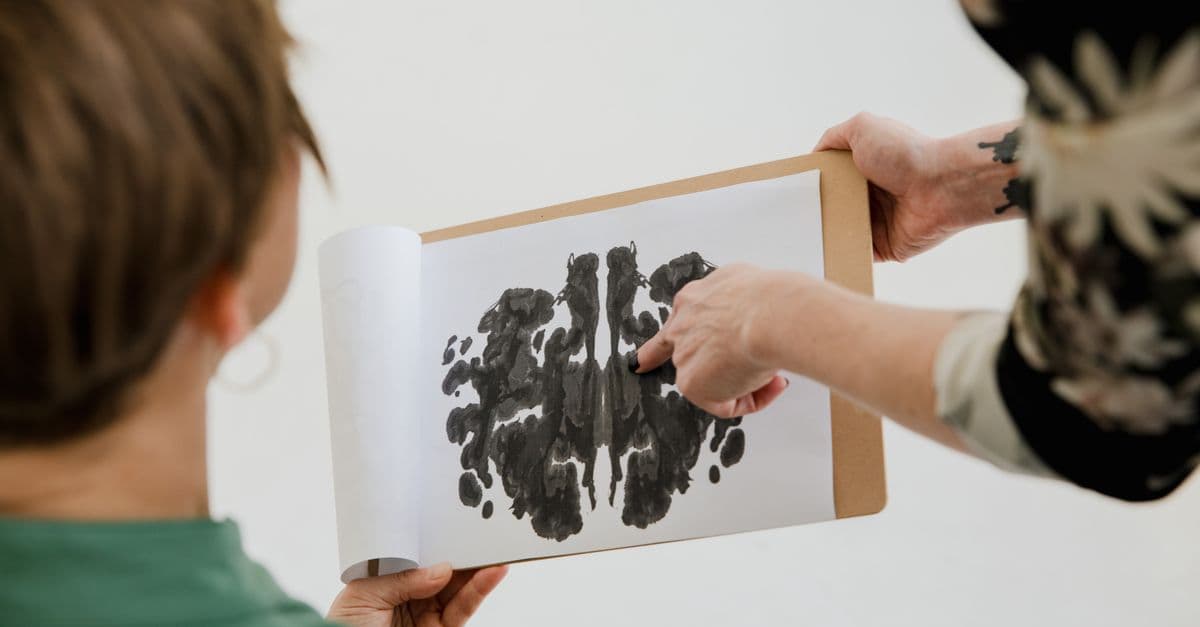
A psychologist and patient discuss a Rorschach inkblot test during a therapy session.
Psychology

The Psychology of Awe: Why Vastness Heals the Self

Awe is the breath-catching emotion we feel facing something too large to fit into our understanding—a mountain range, a cathedral, a scientific revelation. Psychologists define it by two core features: perceived vastness and a need for mental 'accommodation,' the struggle to update our worldview. When experiencing awe, the sense of self shrinks, self-focus quiets, and generosity rises. This small-self effect reshapes how we relate to others and the world, boosting well-being, expanding our sense of time, and even altering our neural activity. Understanding awe reveals how the feeling serves as a psychological reset button, pulling us out of rumination and into connection.


Editorial Team·June 26, 2026·19 min
Therapist consoling an emotional client during a therapy session. Indoor setting, intimate atmosphere.
Psychology

The Psychology of Gratitude

Gratitude is both a fleeting emotional response to receiving something good and a stable personality trait—a dispositional tendency to notice and appreciate benefits. Researchers across emotion science, evolutionary psychology, and positive psychology have discovered that grateful people report higher life satisfaction, stronger relationships, and better sleep quality. The leading explanations include the find-remind-and-bind theory, which frames gratitude as evolutionary social technology for strengthening cooperative bonds, and the broaden-and-build theory, which shows how positive emotions like gratitude expand our cognitive and behavioral capacity. Simple practices like gratitude journaling produce measurable, though modest, improvements in well-being.

Editorial Team·June 26, 2026·16 min