Sigmund Freud: The Unconscious, the Couch, and the 20 Cigars a Day
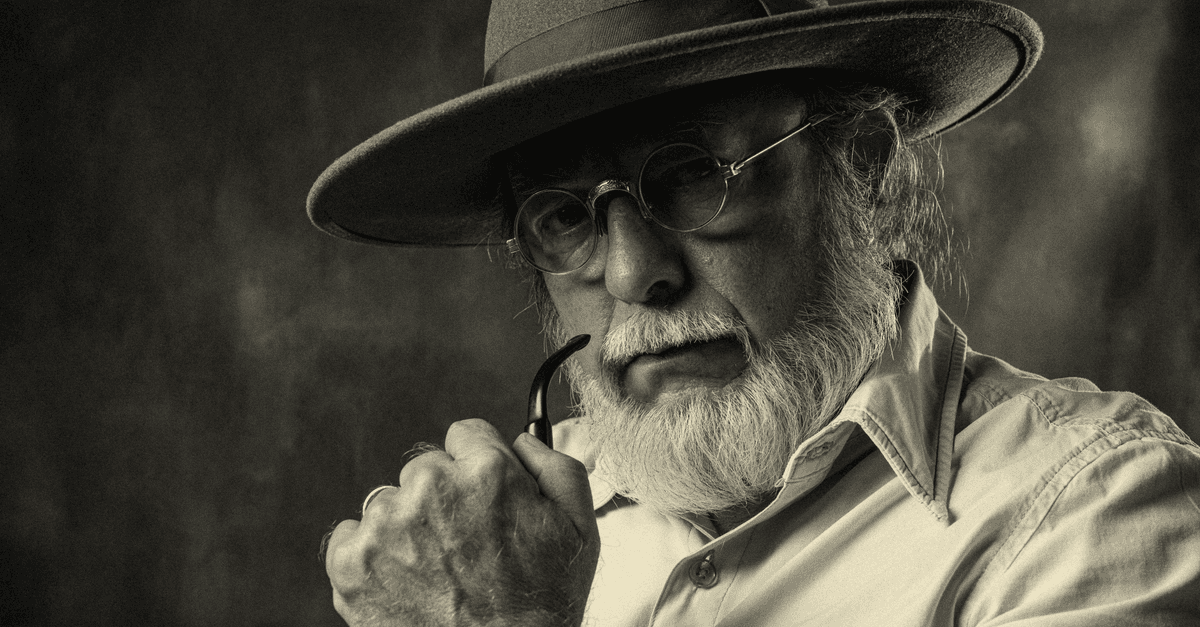
Photo: Josue Velasquez / Pexels
Sigmund Freud (1856–1939) built the most culturally influential theory of the human mind in modern history and got a surprising amount of it wrong. Psychoanalysis — the talking cure, the unconscious, repression, the Oedipus complex, the interpretation of dreams — has shaped literature, art, film, biography, and everyday language so thoroughly that its concepts feel like natural features of human self-understanding rather than a theoretical system invented by a specific person in a specific time and place. In clinical psychology and psychiatry, by contrast, most of Freud's specific theoretical claims have been revised, abandoned, or disconfirmed. The tension between his cultural impact and his scientific legacy defines almost every serious assessment of him. He also smoked approximately twenty cigars a day for most of his adult life, developed oral cancer in 1923, underwent thirty-three surgical operations on his jaw and palate over the following sixteen years, and refused to stop smoking.
Quick Biography
Sigmund Freud was born Sigismund Schlomo Freud on May 6, 1856, in Freiberg, Moravia (now Pribor, in the Czech Republic), the eldest child of Jacob Freud, a wool merchant, and his third wife Amalie. The family moved to Vienna when Freud was four, and he remained there for nearly eighty years. He graduated top of his class from the Sperl Gymnasium in 1873 and enrolled in the medical school at the University of Vienna, completing his MD in 1881 after an unusually extended program because he spent years doing research in physiology under Ernst Brücke.
His early research career was productive but not headline-making: he did serious neuroanatomical work on the spinal ganglia of the Petromyzon lamprey and contributed to the development of gold chloride staining techniques for nerve tissue. In 1884 he published a paper on cocaine — documenting its properties as a local anaesthetic and a stimulant, and noting its effects on his own mental state when he took it. He recommended it to a friend with morphine addiction; the friend developed a cocaine addiction instead, a result described in the historical literature as Freud's "cocaine episode" and one of the more documented episodes of iatrogenic harm in 19th-century medical history. Cocaine was not yet recognized as addictive when he began recommending it; the addiction risk became clear over the following decade.
He studied with Jean-Martin Charcot in Paris in 1885–86, observing the use of hypnosis in treating hysteria, and returned to Vienna convinced that psychological factors could produce physical symptoms. He collaborated with the physician Josef Breuer on the development of what Breuer called the "cathartic method" — encouraging patients to talk about the origins of their symptoms — which became the direct precursor to psychoanalysis. Their joint publication, Studies on Hysteria (1895), is one of the founding documents of the field.
The collaboration with Breuer ended bitterly, largely over Freud's insistence on the centrality of sexuality in neurosis. Through the late 1890s, Freud developed and largely self-funded his own practice, worked through the material that would become The Interpretation of Dreams (published 1899, dated 1900 by his publisher), and began building the network of students and followers that became the psychoanalytic movement. The Wednesday Psychological Society, which met in his apartment beginning in 1902, eventually evolved into the Vienna Psychoanalytic Society.
His international reputation grew rapidly after 1900. He lectured at Clark University in Massachusetts in 1909 — his only visit to the United States — and was received enthusiastically. The psychoanalytic movement expanded to Switzerland, England, and America, but also suffered damaging schisms: Alfred Adler broke from Freud in 1911, Carl Jung in 1913, and the intellectual and personal tensions of these departures marked Freud for the rest of his life.
After the First World War — which killed many of his students and prompted his essay Beyond the Pleasure Principle (1920), introducing the concept of the "death drive" — Freud was increasingly recognized as a major European intellectual figure, if a contested one. The cancer diagnosis came in 1923. He continued writing and seeing patients through the surgeries and through the prosthetic devices required to replace the excised tissue in his jaw and palate, which caused constant pain and made speaking difficult.
When the Nazis annexed Austria in March 1938, Freud was 81, in pain, and famous. He resisted leaving Vienna longer than his family wanted. The Gestapo searched his home and briefly detained his daughter Anna. An intervention by the American ambassador William Bullitt and by Princess Marie Bonaparte, who paid the Nazis a ransom for his exit visa, enabled the family to leave. He arrived in London in June 1938. He died in London on September 23, 1939, having asked his physician Max Schur to fulfill a prior promise to help him die when the pain became unbearable. Schur administered morphine injections on September 21 and 23, 1939; Freud died on the 23rd. He was 83.
Major Contributions
The Unconscious as a Structured System
Freud's central and most durable contribution was the argument that human behavior, thought, and emotion are significantly driven by mental processes that are not accessible to conscious introspection — that the mind is not transparent to itself. This seems obvious now, partly because Freud made it obvious. Before him, the dominant assumption in philosophy and psychology was that mental life was essentially identical to conscious experience; hidden mental processes, if acknowledged at all, were afterthoughts.
Freud's specific model of the unconscious — as a repository of repressed wishes and memories, organized by the pleasure principle, communicating in disguised form through dreams, slips of the tongue, and symptoms — has been largely superseded in cognitive science and neuroscience. The modern cognitive unconscious (automatic processing, priming, implicit memory) is not the same thing as Freud's dynamic unconscious and was largely developed by researchers with no direct debt to psychoanalysis. But the broader observation that conscious awareness is a small and unreliable reporter on what the brain is actually doing has been thoroughly confirmed by subsequent neuroscience. Freud identified the question even if he answered it incorrectly.
Psychoanalytic Technique and the Talking Cure
Freud developed the method of free association — encouraging patients to report whatever comes to mind without censorship, allowing the analyst to identify patterns, resistances, and eventually the unconscious material driving symptoms — as the core technique of psychoanalysis. The therapeutic relationship, particularly the phenomena of transference (the patient's displacement onto the analyst of feelings originating elsewhere) and counter-transference, became the focus of much subsequent clinical development.
Psychoanalysis as a clinical treatment for psychiatric conditions has largely been displaced by cognitive-behavioral therapy, which has a stronger evidence base for most conditions, and by pharmacological treatments. As a long-term therapy for understanding the self and improving functioning in people who are not acutely ill, it continues to be practiced and to have adherents. The evidence base for long-term psychoanalytic treatment is more positive than its popular reputation suggests, though the field remains contested methodologically.
Dream Interpretation and the Royal Road
The Interpretation of Dreams (1899/1900) proposed that dreams are disguised fulfillments of repressed wishes and that their interpretation provides privileged access to unconscious material. The book, which Freud considered his most important, combined theoretical argument with extensive self-analysis — the material was primarily his own dreams, analyzed in the work.
The specific theory of dreams as wish fulfillment has not survived empirical scrutiny well. Modern sleep science has established that dreams occur during REM sleep and are associated with memory consolidation and emotional processing, but the mechanisms are neurobiological rather than psychodynamic. The practice of interpreting dream content as personally meaningful — taking dreams seriously as data about one's emotional life — has diffused into popular psychology far beyond the psychoanalytic tradition.
The Cocaine Papers: A Precursor to Modern Anesthesia
Before psychoanalysis dominated his output, Freud produced a cluster of papers on cocaine between 1884 and 1887 that had a concrete and lasting impact on medicine — though not quite the impact he had intended. His paper "Über Coca" (1884) documented cocaine's stimulant, analgesic, and local anesthetic properties, based partly on self-experimentation and partly on a review of existing literature on coca leaf use in South America. Freud recommended cocaine for depression, morphine withdrawal, and digestive disorders, and he sent quantities of the drug to his fiancée Martha Bernays as a tonic.
The indirect consequence was significant. Freud had mentioned to his colleague Karl Koller that cocaine numbed the mucous membranes. Koller, an ophthalmologist, recognized the implication immediately: a local anesthetic for eye surgery was one of the great unsolved problems of the time. Koller conducted experiments on frogs and on his own eye, presented his results at a Vienna ophthalmology conference in September 1884, and established cocaine as the first practical local anesthetic in surgery. He received the credit; Freud received none, a outcome Freud later acknowledged with characteristic rueful candor. As he wrote to Martha Bernays in November 1884: "Koller will be famous while I remain unknown."
The broader cocaine story is that Freud's prescribing was well-intentioned, based on genuinely available (if incomplete) evidence, and had a direct casualty: his close friend Ernst von Fleischl-Marxow, who received cocaine as a substitute for a severe morphine addiction and developed a cocaine addiction of greater severity. Fleischl-Marxow died in 1891 at 45, and Freud's letters describe the episode with evident guilt. His own cocaine use diminished after the mid-1890s as the addictive properties became widely recognized.
Cultural Legacy: Language and Self-Understanding
Whatever its clinical status, psychoanalysis transformed the cultural vocabulary of self-understanding. The concepts of repression, projection, rationalization, the Oedipus complex, the id, ego, and superego, the Freudian slip, the talking cure, transference, narcissism (in its psychological sense), and "the unconscious" as a noun — all are Freud's coinages or Freud's popularizations, and all are in everyday use by people who have never read a word of Freud. Literature, biography, film, and ordinary self-talk were transformed by this vocabulary in ways that are largely irreversible.
Personal Life and Family
Martha Bernays: A 53-Year Marriage
Freud became engaged to Martha Bernays in June 1882, four weeks after they met, when he was 26 and she was 21. They married on September 14, 1886, after a four-year engagement during which they were often separated and exchanged more than 900 letters — a correspondence that is one of the richest documentary sources on the early Freud, though much of it remained unpublished or restricted for decades after his death. Martha came from a Hamburg Jewish family with rabbinical connections; her grandfather had been the chief rabbi of Hamburg.
The marriage lasted until Freud's death in 1939 — fifty-three years. They had six children: Mathilde (1887), Jean-Martin (1889, named after Freud's mentor Charcot), Oliver (1891), Ernst (1892), Sophie (1893, who died in the 1918 influenza pandemic), and Anna (1895). The marriage was stable and by all accounts affectionate, though Freud's letters suggest he was a demanding and self-absorbed husband in the early years. Martha was not a participant in his intellectual work in the way that, say, Marie Curie collaborated with Pierre; she managed the household and the family, entertained his colleagues, and enabled the sustained intellectual labor that his career required.
The asymmetry between his public theorizing about female psychology and his domestic life was noted by contemporaries and has been analyzed extensively by subsequent biographers. Martha Bernays Freud was not a passive figure, but she was not a professional intellectual, and her relationship to Freud's ideas appears to have been more dutiful than enthusiastic. She survived him by twelve years, dying in 1951 at 90.
Anna Freud: Daughter, Patient, and Intellectual Heir
Of the six children, Anna — the youngest, born in 1895 — became the most significant intellectual figure and the one whose relationship with her father was most complex and most debated. Freud analyzed Anna himself, beginning around 1918 — a practice that every subsequent generation of psychoanalysts has recognized as a profound boundary violation, whatever its historical context. The analysis produced material that Freud used, in disguised form, in his published case work; Anna was aware of this and apparently accepted it.
Anna Freud became a psychoanalyst in her own right, founding child psychoanalysis as a distinct field and developing the theory of ego defense mechanisms in ways that extended and clarified her father's work. Her 1936 book The Ego and the Mechanisms of Defence is a genuine contribution to psychoanalytic theory and is still cited in clinical training. She accompanied her father to London in 1938, cared for him through the final year of his illness, and was present at his death. She then spent four decades building the Hampstead Child Therapy Clinic (now the Anna Freud National Centre for Children and Families) in London, training generations of child analysts.
The father-daughter analysis is presented here as a documented historical fact with significant ethical implications by modern clinical standards — not as an endorsement of the practice or as evidence that it did not cause harm.
Quirks
Twenty Cigars a Day: The Medical Record
Freud's cigar smoking is documented in detail because it eventually became clinically consequential. He began smoking cigars in his twenties and, by his own account and those of people who knew him well, smoked approximately twenty cigars per day for most of his adult life. He was aware that smoking was associated with health risks and attempted several times to stop or reduce his consumption, with limited and temporary success.
The consequences became impossible to ignore in 1923, when he was 66 and developed leukoplakia — a pre-cancerous lesion — and then a malignant tumor in the right side of his jaw and palate. The initial surgery was performed by Marcus Hajek, a rhinologist, under inadequately controlled conditions; Freud hemorrhaged during the procedure and required emergency intervention. He later described the initial surgeon as incompetent. The subsequent care was provided by Hans Pichler, a maxillofacial surgeon, over a series of thirty-three operations that progressively removed cancerous tissue and required the insertion of a large prosthesis to separate the oral and nasal cavities. The prosthetic — which Freud called "the monster" — was painful, frequently had to be removed and replaced, and made eating and speaking difficult throughout the last sixteen years of his life.
He continued to smoke cigars throughout this period, as documented by his letters, by his physician's accounts, and by photographs. His daughter Anna, his physician Max Schur, and his biographer Ernest Jones all recorded his refusal to stop. The behavior, in a man who spent his career analyzing self-destructive behavior and the unconscious mechanisms that perpetuated it, has attracted obvious commentary. Freud himself seems to have acknowledged the irony. What he did not do was stop.
The thirty-three operations figure is documented in multiple biographical sources and in the medical records reviewed by his biographers. It is presented here as historical fact, not as an endorsement of smoking.
Cocaine Prescriptions: Documented History
In the mid-1880s, Freud prescribed cocaine to himself, to colleagues, and to patients for a variety of conditions. The context is important: cocaine was legal, widely available, and not understood to be addictive in 1884 when Freud began his investigations. He published a paper, "Über Coca" ("On Coca"), documenting its stimulant and anaesthetic properties and recommending it for depression, morphine addiction, digestive disorders, and several other conditions.
His friend Ernst von Fleischl-Marxow, a morphine addict who was suffering severely from an amputation injury, was given cocaine by Freud as a substitute. Fleischl-Marxow developed a cocaine addiction and died, partly as a consequence, in 1891 — an outcome that Freud described in letters with evident guilt and distress.
Freud's cocaine use and prescribing practices are well-documented in his published writings and private correspondence. His colleague Karl Koller used Freud's tip about cocaine's numbing properties to develop it as a surgical local anesthetic — one practical positive outcome from this period. Freud's own use gradually decreased as the addictive properties of cocaine became widely recognized in the late 1880s and 1890s. The episode is documented in the scholarly literature, most thoroughly by Peter Swales, and is presented here as historical fact.
Self-Analysis and the Interpretation of His Own Dreams
Freud's most important book, The Interpretation of Dreams, is unusual in the history of science for being primarily self-referential: the data are largely Freud's own dreams, analyzed by Freud using a method Freud developed. He conducted what he called a systematic self-analysis beginning around 1897, working through his own memories, associations, and dream content, and argued that this process gave him access to the unconscious material that he then theorized about.
The methodological difficulties are obvious and were recognized at the time. A theory that is primarily developed from its creator's own introspective reports, interpreted using a method the creator also developed, is not easily falsifiable. Freud was aware of some of these objections and responded to them with varying degrees of success. The more serious epistemological criticism — that the analysand's associations can be shaped by the analyst's theoretical expectations, meaning that psychoanalytic evidence tends to confirm psychoanalytic theory in ways that tell us about the theory rather than about the patient's mind — was developed by Karl Popper and others and has not been satisfactorily answered.
What is historically interesting is that Freud recognized, and wrote about, the strangeness of conducting self-analysis. He considered it the most difficult and the most important work he had done, and he maintained that the dream material gave him access to things about himself that he had not consciously known. Whether this is accurate in the way he meant it — whether he was accessing genuinely repressed material or constructing narratives that felt true — is a question that cannot be answered from outside the analysis.
The Escape from Nazi Vienna
When Germany annexed Austria (the Anschluss) on March 12, 1938, Freud was 81, in chronic pain from his cancer and prosthetic, and famous enough that he was immediately at risk. The Nazis had already burned his books in Germany in 1933. The Gestapo searched his apartment on March 15; his daughter Anna was detained for interrogation for a full day before being released.
Freud had resisted leaving Vienna for years, partly from age and illness, partly from attachment to the city where he had lived for eighty years. After Anna's detention, he agreed to leave. The logistics required a ransom — approximately 4,824 Austrian shillings, paid by the American ambassador William Bullitt (who had co-authored a psychoanalytic study of Woodrow Wilson with Freud) and by Princess Marie Bonaparte, a patient and patron who was also a member of the Greek royal family. Bonaparte also managed to rescue the manuscripts that became the basis for subsequent publication.
Freud arrived in London on June 6, 1938, and was received as a refugee of international significance. He settled in Hampstead, in a house now operated as the Freud Museum. He died fifteen months later, having completed An Outline of Psycho-Analysis in the interim.
His Antiquities Collection: 2,000 Objects on His Desk
Freud was an obsessive collector of ancient figurines, statues, and archaeological artifacts, a passion he maintained for decades and that most biographies mention briefly if at all. By the time he left Vienna in 1938, he had accumulated approximately 2,000 antiquities — Egyptian, Greek, Roman, Chinese, and pre-Columbian objects — most of which were displayed on his consulting room desk and on the shelves and surfaces surrounding the famous couch. The collection traveled with him to London and is preserved at the Freud Museum.
The collection was not merely decorative. Freud made explicit connections between archaeology and psychoanalysis in his writing: the analyst, like the archaeologist, works by careful excavation through layers of accumulated material to reach something buried and preserved. He kept a small bronze Athena figure at the front of his desk that he touched frequently while working. The objects around him were, by his own description, part of the intellectual environment of his consulting room — not trophies but tools for thinking.
His favorite piece, according to his biographers, was a Chinese jade figure of a seated figure, which he described as having an expression of extraordinary composure. He reportedly stroked it when thinking through a difficult interpretive problem. Whether this habit would have interested him professionally is a question his biographers have been unable to resist.
Quotes
"The interpretation of dreams is the royal road to a knowledge of the unconscious activities of the mind."
"Unexpressed emotions will never die. They are buried alive and will come forth later in uglier ways."
"One day, in retrospect, the years of struggle will strike you as the most beautiful."
"The goal of all life is death."
"A cigar is sometimes just a cigar." (Widely attributed to Freud; the direct source is disputed, but the sentiment is consistent with his documented remarks.)
Legacy
Freud is among the half-dozen figures most responsible for the intellectual character of the 20th century, and his influence on how people understand themselves remains enormous even as his specific clinical theories have been largely displaced. The unconscious is now a cognitive neuroscience topic, not a psychoanalytic one; the specific mechanisms Freud described — repression, the id/ego/superego, the Oedipus complex — are not accepted as accurate descriptions of brain function by contemporary neuroscientists.
What persists is the cultural and humanistic tradition he inaugurated: the practice of taking the details of individual mental life seriously as data, the assumption that people's behavior is driven by forces they do not fully understand, the use of the therapeutic relationship as a space for self-examination. These practices exist in clinical psychology, in psychotherapy more broadly, and in how ordinary people think about their own minds, in forms that Freud made possible even if he got the specific mechanisms wrong.
His parallel with Ivan Pavlov — who was working on conditioned reflexes in dogs in the same decades Freud was developing psychoanalysis, using the opposite methodological approach — illuminates the fork in the road that 20th-century psychology took. Pavlov's behaviorist tradition and Freud's psychoanalytic tradition divided the field for most of the 20th century; cognitive neuroscience has in some ways synthesized them, taking the neural mechanism seriously while also taking the complexity of mental life seriously.
Anna Freud's extension of her father's work into child psychology and defense mechanisms represents his most direct intellectual legacy in clinical practice today. The Anna Freud National Centre for Children and Families in London, which she founded and which continues active research and training, is one of the few psychoanalytic institutions that has maintained a research culture oriented toward evidence rather than tradition. It is, in that sense, closer to what Freud believed he was building than most of what was built in his name.
Q: Is psychoanalysis scientifically valid?
A: Most of Freud's specific theoretical claims — the Oedipus complex, dream interpretation as wish fulfillment, the hydraulic model of libido — are not accepted by mainstream neuroscience or psychology. The broader insight that mental life includes significant unconscious processing has been confirmed, though by mechanisms quite different from what Freud described. Psychoanalytic therapy has a weaker evidence base than cognitive-behavioral therapy for most conditions, though long-term psychodynamic therapy shows positive results in some research.
Q: Did Freud really prescribe cocaine to his patients?
A: Yes. In the 1880s, cocaine was legal and not understood to be addictive. Freud published a paper recommending it for depression, morphine addiction, and other conditions. His friend Ernst von Fleischl-Marxow developed a cocaine addiction after Freud recommended it as a substitute for morphine and died partly as a result. Freud's own cocaine use is documented in his letters and published writings. The episode is a documented historical fact presented in its proper context.
Q: How many surgeries did Freud have for oral cancer?
A: Thirty-three surgical operations between 1923 and 1939, primarily for squamous cell carcinoma of the jaw and palate caused by his heavy cigar smoking. The surgeries progressively removed tissue and required a large prosthetic device. He continued smoking throughout.
Q: How did Freud escape Nazi Vienna?
A: Princess Marie Bonaparte, a patient and patron, and American ambassador William Bullitt paid a ransom to the Nazi authorities for Freud's exit visa. The Gestapo had already searched his apartment and detained his daughter Anna. He arrived in London on June 6, 1938, and died there fifteen months later.
Q: What is the Oedipus complex and is it accepted today?
A: The Oedipus complex — Freud's theory that young boys unconsciously desire their mothers and view their fathers as rivals — is not accepted as a universal developmental phenomenon by mainstream psychology or anthropology. Cross-cultural studies have found that the specific family dynamics Freud described reflect his particular cultural context. The concept persists in literary and cultural analysis as a useful interpretive framework.
Q: Did Freud really say "sometimes a cigar is just a cigar"?
A: The direct source of this quotation is disputed — no verified transcript of Freud saying exactly this has been found. It is widely attributed to him and is consistent with his documented sense of humor about psychoanalytic over-interpretation. Its documentary status is as an attributed remark rather than a confirmed quotation.
Q: What was Freud's role in the development of local anesthesia?
A: Freud's cocaine research in 1884 documented the drug's numbing properties and communicated the observation to his colleague Karl Koller, an ophthalmologist. Koller recognized the surgical implication and conducted experiments that established cocaine as the first practical local anesthetic for eye surgery, presenting his results in September 1884. Koller received the credit for the discovery; Freud received none, an outcome he described in letters with characteristic candor.
Q: Who was Martha Bernays Freud and how long were they married?
A: Martha Bernays became engaged to Freud in 1882, four weeks after they met. They married in 1886 and had six children. The marriage lasted fifty-three years, until Freud's death in 1939. Martha managed the household and family while Freud developed his career; she survived him by twelve years, dying in 1951. Their engagement correspondence — more than 900 letters — is a major documentary source on Freud's early intellectual and personal life.
Sources
- Jones, E. (1953–57). The Life and Work of Sigmund Freud (3 vols.). Basic Books. (The authorized biography, comprehensive though uncritical.)
- Gay, P. (1988). Freud: A Life for Our Time. Norton. (The standard modern scholarly biography.)
- Freud, S. (1900). The Interpretation of Dreams. (Translated by James Strachey, Standard Edition, Hogarth Press, 1953.)
- Freud, S. (1884). "Über Coca." Centralblatt für die gesamte Therapie, 2, 289–314. (The cocaine paper, translated in: Byck, R., ed. (1974). Cocaine Papers. Stonehill.)
- Schur, M. (1972). Freud: Living and Dying. International Universities Press. (Freud's personal physician's account; primary source for the final years and death.)
- Makari, G. (2008). Revolution in Mind: The Creation of Psychoanalysis. HarperCollins.
- Popper, K. (1963). Conjectures and Refutations. Routledge. (The falsifiability critique of psychoanalysis.)
- Freud, A. (1936). The Ego and the Mechanisms of Defence. Imago. (Anna Freud's foundational contribution; International Psycho-Analytical Library edition.)
- Engelman, E. (1976). Berggasse 19: Sigmund Freud's Home and Offices, Vienna 1938. Basic Books. (Primary documentary source on the antiquities collection.)
Follow new articles
Add SciHub101 to your feed reader to see new science and technology stories.
About the Author
SciHub101 is an independent science and technology publication founded and edited by Buğra Sözeri, a software engineer and app developer based in Türkiye. AI tools assist with drafting and research. Source documentation in the existing archive is uneven, and articles are being reviewed and corrected. The Editorial Team byline identifies editorial responsibility; it does not certify specialist or independent human review. Where we compare products, anything built by our own team is labelled as such — see the editorial guidelines and About page for how corrections and disclosures work.
Related Articles

Norman Borlaug: The Iowa Farm Boy Who Fed a Billion People
Norman Borlaug bred disease-resistant dwarf wheat in Mexican fields, launched the Green Revolution, and won the 1970 Nobel Peace Prize. An honest account of the man and the controversy.

Robert Boyle: The Father of Chemistry Who Wrote Science Fiction and Refused to Be President
Robert Boyle established Boyle's Law, defined the chemical element, and wrote a remarkable wishlist of future inventions in 1662 that reads like a science fiction catalogue. A verified biography.

Complete Psychology Guide 2026 — Mind, Behavior, and Human Science
The complete guide to psychology in 2026: cognitive biases, memory, emotions, decision-making, social behavior, famous experiments, and what neuroscience reveals about the human mind.

Why Do We Cringe? The Science of Vicarious Embarrassment
Vicarious embarrassment, known in German as Fremdscham, is the feeling of social pain on another person's behalf—you wince at their awkward moment even though they may feel nothing. This emotional contagion depends on empathy, theory of mind, and shared neural regions that also process physical pain. People higher in trait empathy cringe more intensely, and cringing can occur even when you know the other person does not care about the awkward situation. The anterior insula and anterior cingulate activate during vicarious embarrassment just as they do for empathy for others' pain, revealing that social mortification has neural roots.
Dream Science: Why the Brain Creates Stories at Night
Dreams may support memory, emotional processing, threat simulation, and brain maintenance. This guide separates evidence from popular myths.

Placebo Effect Science: Expectation, Pain, and the Brain
The placebo effect is not fake healing. Expectation, conditioning, attention, and brain chemistry can produce measurable changes in symptoms.