
Artificial Intelligence
Tool Use vs Agent — What's the Difference?
Tool use lets an LLM call one function. An agent runs a loop of reasoning and tool calls until done. Here's the real distinction.
24 articles tagged with #ai-agents
Tool use lets an LLM call one function. An agent runs a loop of reasoning and tool calls until done. Here's the real distinction.

Deep Research AI agents autonomously read papers, search the web, and write cited reports in minutes. Here's how they work and which to use.

Anthropic's Computer Use lets Claude control a real desktop via screenshots and mouse/keyboard. How it works, examples, limits, and how it compares.
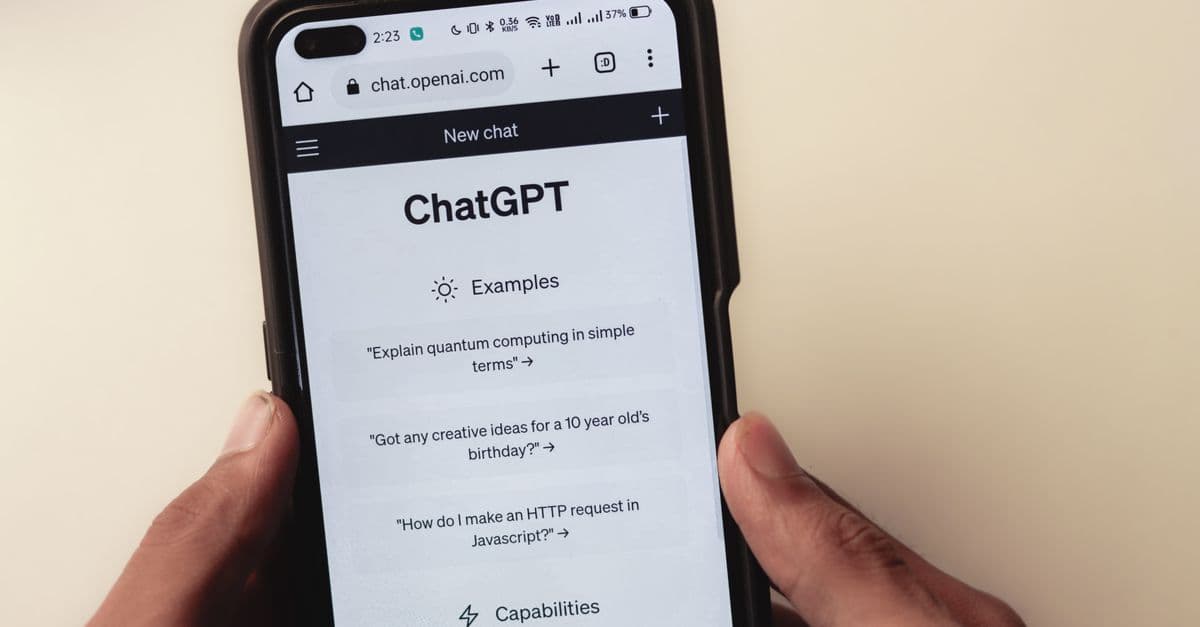
OpenAI Operator was an AI agent that browsed the web for you. It shut down August 31, 2025. Here's how it worked, why it was retired, and what replaced it.
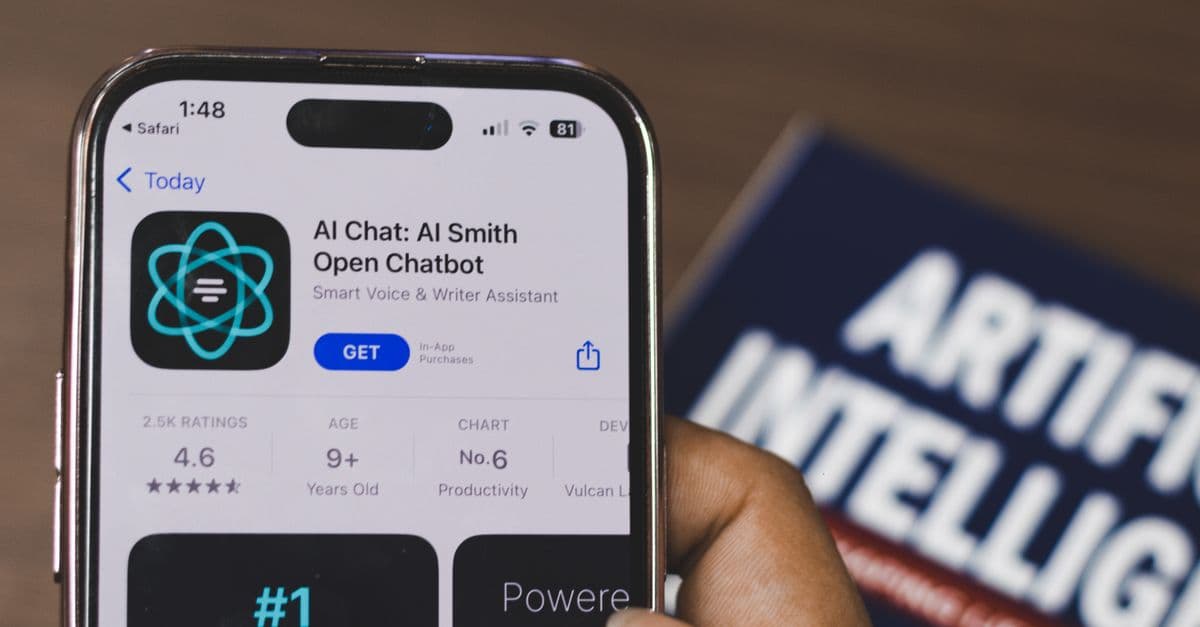
The OpenAI Agents SDK ships agents, handoffs, guardrails, and tracing. Learn how it works, when to use it, and how it compares to LangChain and Pydantic AI.

LangChain and LlamaIndex both build LLM apps in Python. Differences, strengths, code examples, and when to pick each in 2026.

AI subagents are specialized agents spawned by a main agent to do isolated work in parallel. How they work, real products, patterns, costs, and best practices.

Claude Code is Anthropic's terminal-first agentic coding tool. Features, pricing, and how it compares to Cursor, Copilot, Aider, and Devin.
Vibe coding is AI-first programming coined by Andrej Karpathy in 2025. What it means, tools, risks, and when it works versus when it breaks.
MCP (Model Context Protocol) is Anthropic's open standard for connecting AI models to tools and data. Architecture, examples, and why it matters.
AI coding agents in 2026 compared: Claude Code, Cursor, Devin, Copilot, Replit Agent, Cline, and Aider. Pricing, permissions, evidence, and failure points.
AI agents versus traditional automation in 2026: how each works, what a run costs, how reliable agents are in benchmarks, and when to combine the two.