Skip to content
ISSUE 11.08.26/24 CATEGORIES

brain-science

4 articles tagged with #brain-science

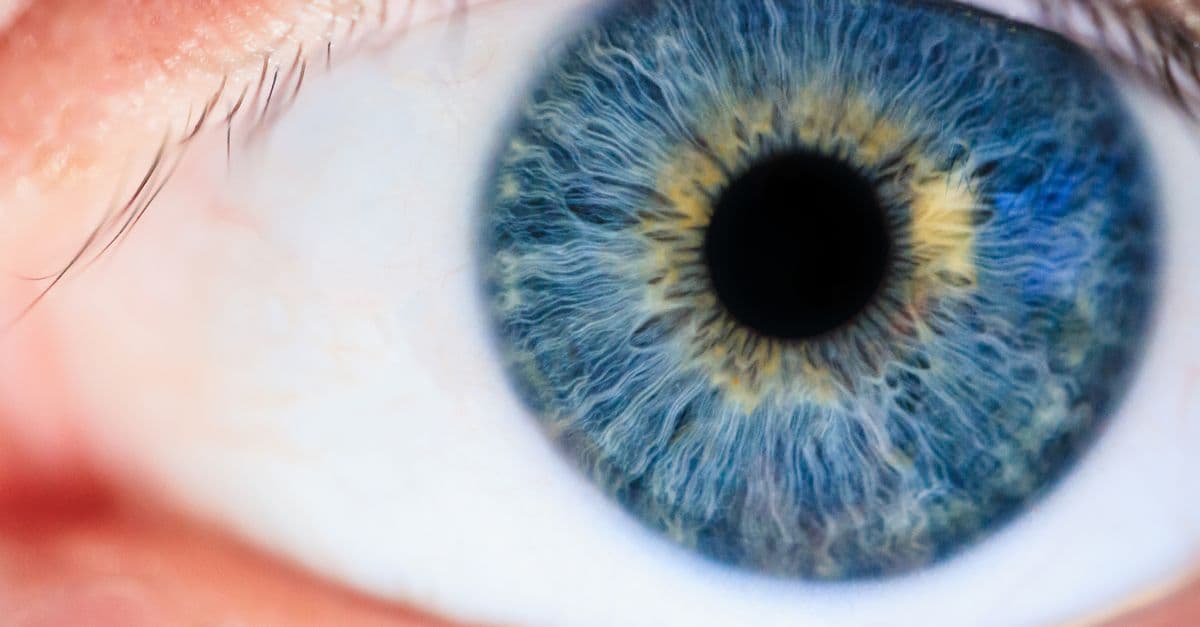
Detailed macro of a human eye showcasing the iris and pupil.
Human Body

How Does the Human Eye Work? The Physics and Neuroscience of Vision

The human eye is a biological optical device, a precision camera that rivals instruments costing thousands of dollars, yet operates flawlessly for decades with zero conscious effort. Light enters through the cornea, passes through the aqueous humor, and is focused by the crystalline lens onto the retina — a thin sheet of neural tissue at the back of the eye containing two types of photoreceptors: 120 million rod cells (monochromatic, exquisitely sensitive in dim light) and 6 million cone cells (color-sensitive, active in daylight). Each photoreceptor contains millions of opsins, protein molecules that undergo a chemical transformation when struck by a photon, initiating a neural cascade that ultimately fires signals through the optic nerve to the visual cortex. The brain constructs vision from 30 discrete visual areas, each specialized for a different attribute: color, motion, depth, form. Yet we perceive a single, seamless, three-dimensional world, a construction so compelling that we believe we are seeing reality directly, unaware that the image in our visual cortex is inverted, compressed, and extensively processed.


Editorial Team·June 4, 2026·21 min
Two women in active wear demonstrate wall balancing poses indoors, showcasing fitness and flexibility.
Human Body

Why Do We Yawn? The Science Behind Contagion, Arousal, and Brain Cooling

A yawn is a prolonged, involuntary opening of the mouth, lasting 5–10 seconds, accompanied by a deep inhalation followed by a shorter exhalation. It feels spontaneous and irresistible, yet the precise function of yawning remains unresolved despite decades of neuroscience research. The leading theories — brain cooling, arousal regulation, and social contagion — each explain part of the yawning phenomenon, but none fully accounts for all observations. Brain temperature does drop slightly after a yawn, supporting the thermoregulation hypothesis. Yawns increase arousal, particularly before sleep and after sustained attention, consistent with the arousal hypothesis. And yawns are highly contagious, spreading through social groups at rates approaching 50 percent, a phenomenon involving mirror neuron systems and mentalizing — the ability to model others' mental states. Research suggests yawning serves multiple functions, integrating thermoregulation, arousal, and social signaling into a single motor program. Yet fundamental questions remain: why is yawning so contagious? why does it feel almost impossible to suppress? and why do some individuals yawn more than others?

Editorial Team·June 4, 2026·17 min