Experiments
The CRISPR Gene Editing Breakthrough
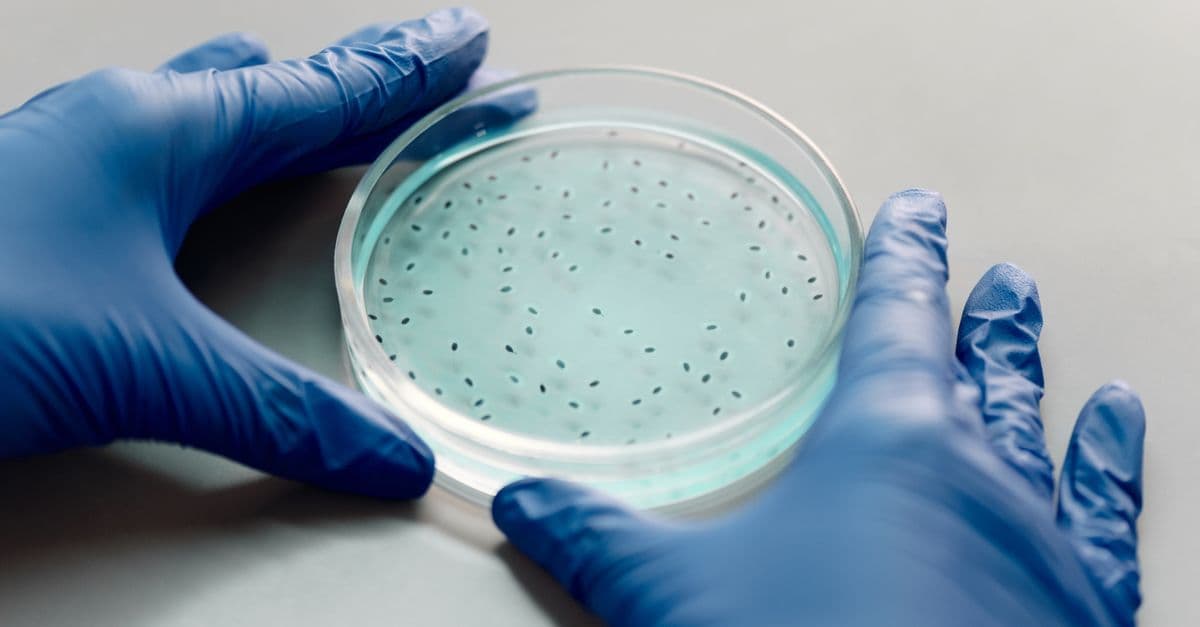
CRISPR turned a bacterial immune system into a gene-editing tool. This article explains the discovery, mechanism, clinical results, and ethical stakes.
6 articles tagged with #gene editing
CRISPR turned a bacterial immune system into a gene-editing tool. This article explains the discovery, mechanism, clinical results, and ethical stakes.
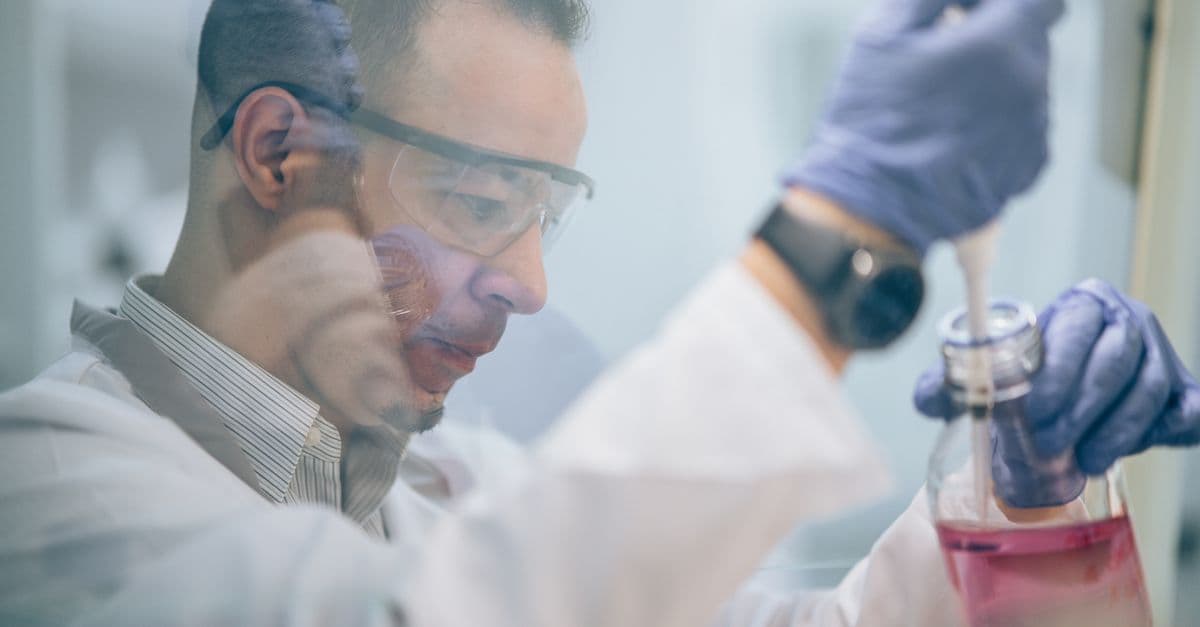
In December 2023, the FDA approved Casgevy — the first CRISPR-based therapy for a human disease. It works in a single treatment session: a patient's stem cells are removed, their DNA edited, and the corrected cells returned. The results in sickle cell disease trials were striking. But Casgevy uses first-generation CRISPR, which cuts DNA like scissors. A newer class of tools — base editing and prime editing — can rewrite individual letters of the genetic code without cutting the double helix at all, dramatically reducing the risk of unintended edits. Clinical trials of these next-generation systems began in 2024. The field is not waiting for the conversation to catch up.
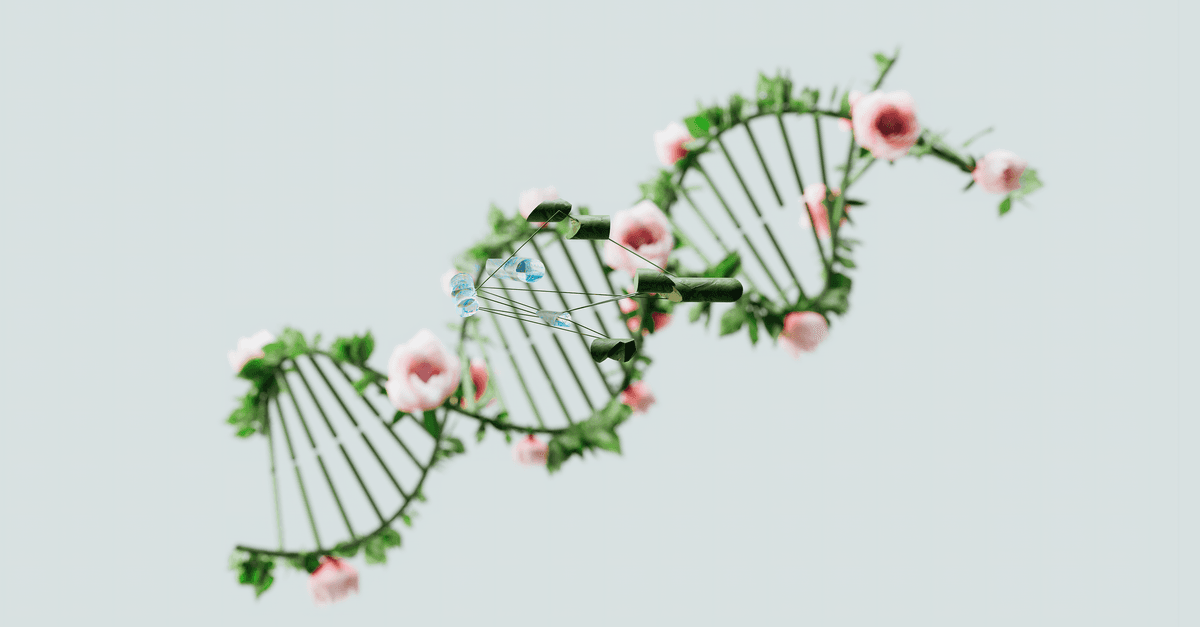
CRISPR has produced its first approved cures for sickle cell disease and beta-thalassemia. Here's what's real, what's coming, and what remains hype in 2026.
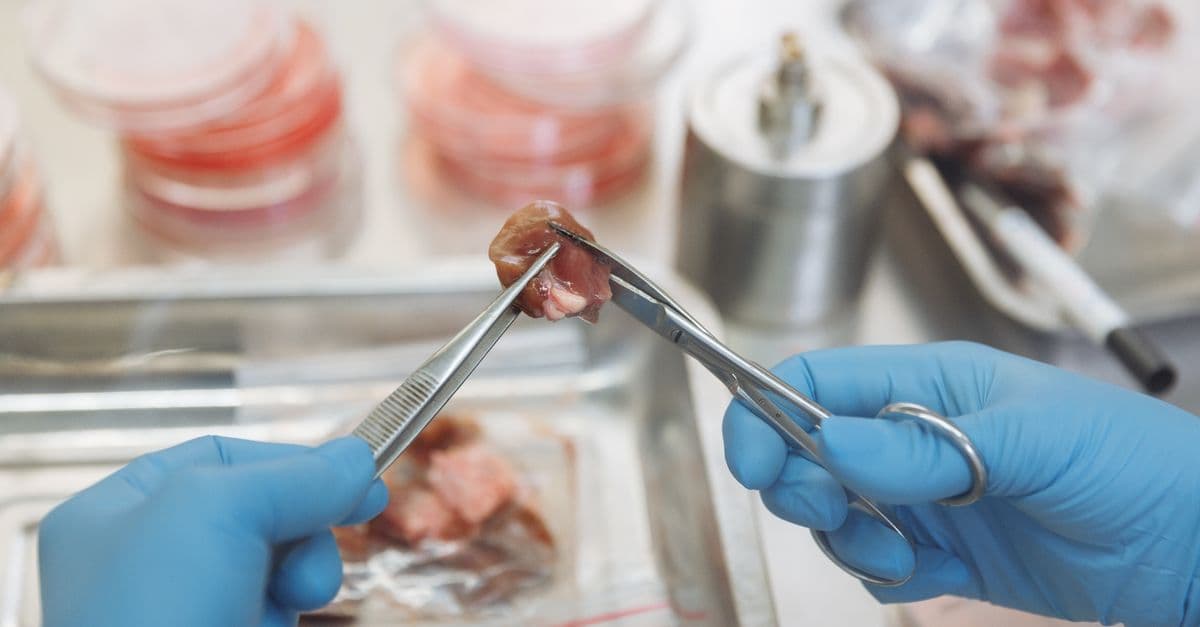
How Doudna and Charpentier repurposed a bacterial immune system into a precise gene-editing tool, winning the 2020 Nobel and sparking a decade of scientific and ethical debate.
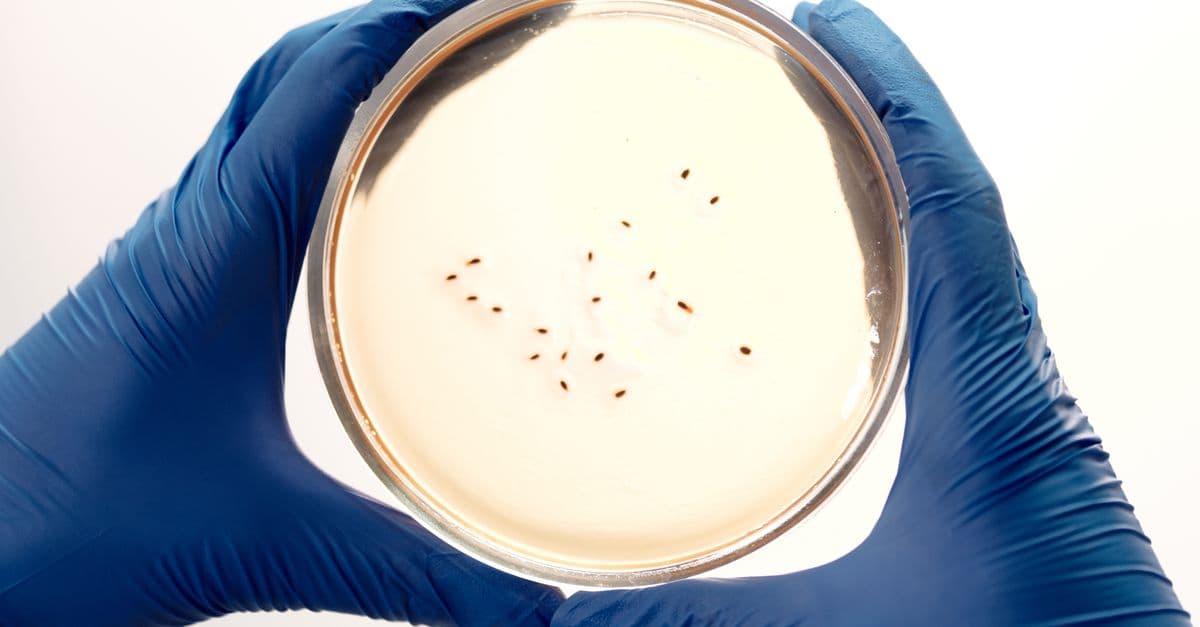
From bacterial immune system to approved therapies: how CRISPR-Cas9, base editing, and prime editing are rewriting the genetic code of medicine.
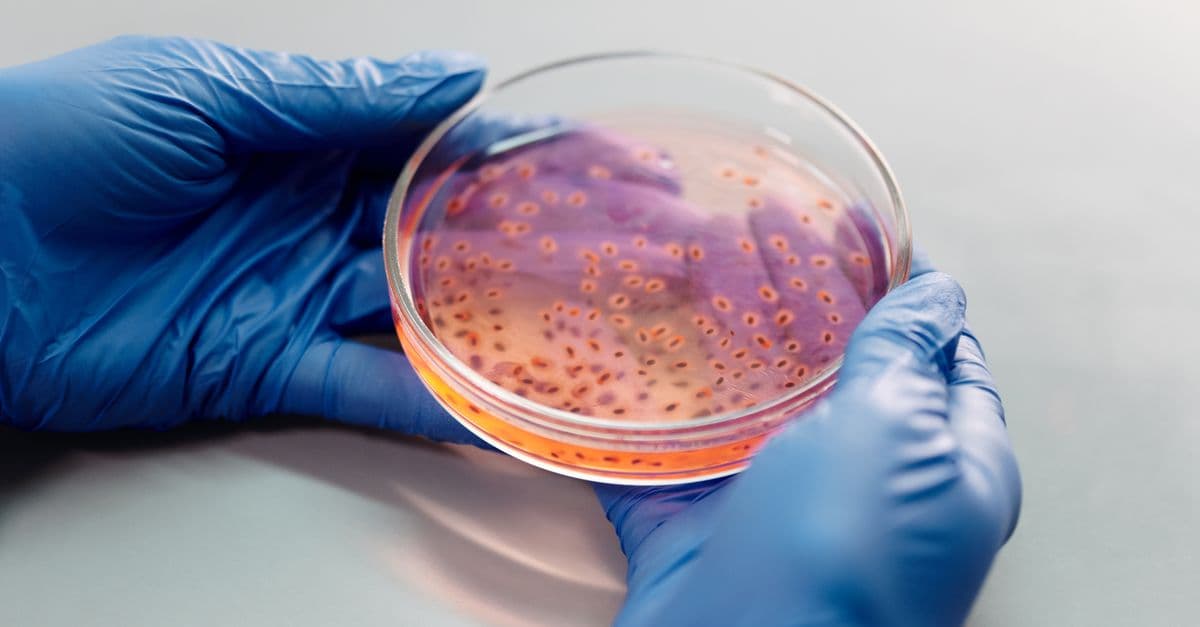
Forget the headlines about designer babies for a minute. Here's what actually happens at the molecular level when Cas9 finds, unzips, and cuts a strand of DNA.