The CRISPR Gene Editing Breakthrough
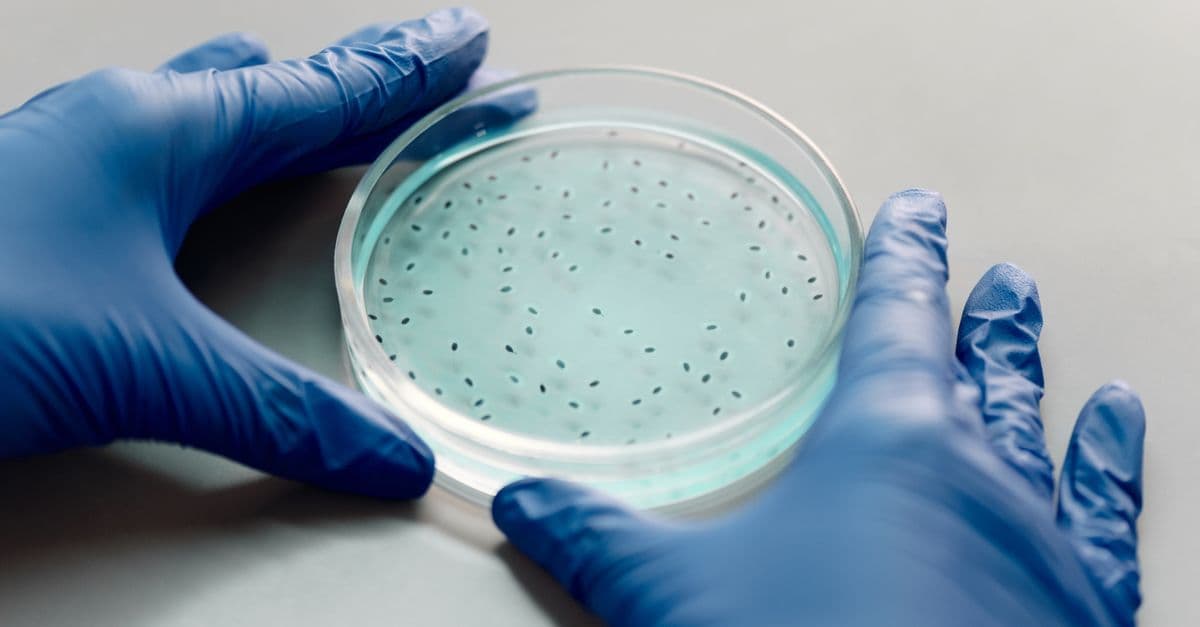
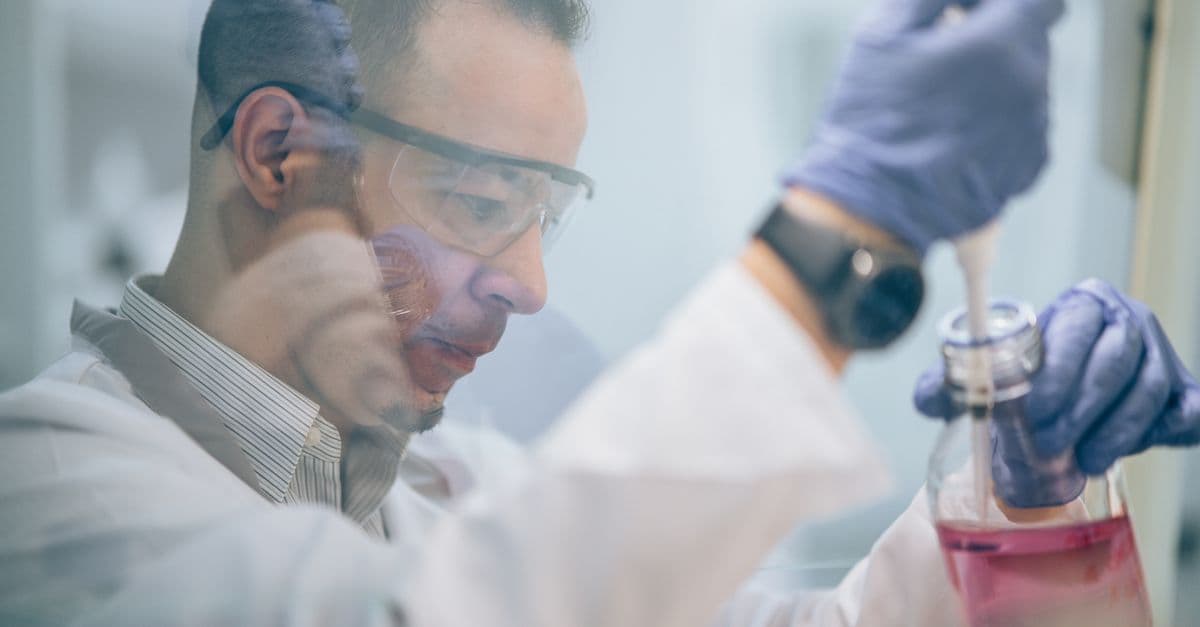
Photo: Edward Jenner / Pexels
DNA sequences in living cells with letter-level accuracy.">CRISPR gene editing uses guide RNA and a DNA-cutting enzyme called Cas9 to find a specific sequence in a genome and cut it, letting scientists disable, repair, or rewrite a gene with a precision that older tools never had. The technology traces back to a defense system bacteria evolved against viruses billions of years ago. In 2012, two biochemists showed that system could be redirected to cut any DNA sequence a researcher chose, and by December 2023 the first CRISPR-based medicine had reached patients. This article walks through where CRISPR came from, exactly how it cuts DNA, what it has already cured, where it has gone wrong, and what still separates a lab result from a treatment you can get from a doctor.
What the experiment showed
CRISPR did not start as an invention. It started as an observation. In the late 1980s, Japanese researcher Yoshizumi Ishino noticed odd, repeated DNA sequences in the E. coli genome, separated by unique spacer sequences, but nobody understood what they did (Ishino et al., 1987). Over the next two decades, microbiologists including Francisco Mojica pieced together that these repeats — later named Clustered Regularly Interspaced Short Palindromic Repeats, or CRISPR — were a bacterial immune system. The spacers were snippets of viral DNA that bacteria had captured from past infections, stored as a molecular mugshot book to recognize the same virus if it attacked again.
The breakthrough experiment came in 2012, when biochemists Jennifer Doudna and Emmanuelle Charpentier, working with Martin Jinek and Krzysztof Chylinski, published a paper in Science showing they could program the bacterial CRISPR-Cas9 system to cut any DNA sequence, not just viral DNA (Jinek et al., 2012). Their key innovation was fusing two separate bacterial RNA molecules into one synthetic "single guide RNA," which simplified the system into something a lab could program with off-the-shelf reagents instead of hijacking bacterial machinery wholesale. For that work, Doudna and Charpentier won the 2020 Nobel Prize in Chemistry, the first time a Nobel science prize went to a two-woman team (Nobel Prize press release, 2020).
What made the 2012 result a breakthrough rather than an incremental finding was generality. Earlier gene-editing tools, like zinc-finger nucleases and TALENs, could target specific DNA sequences, but each new target required engineering a new protein from scratch, a process that took months and specialized expertise. CRISPR-Cas9 targets DNA using a short RNA molecule instead of a custom protein, and RNA is cheap and fast to synthesize. A lab that once needed months to build one new editing tool could, after 2012, design a new one in an afternoon by ordering a different 20-letter RNA sequence.
How it works
Cas9 is a protein enzyme, but on its own it has no idea where to cut. It needs the guide RNA to tell it where to go. Researchers design a guide RNA sequence that is complementary to the DNA region they want to edit, load it into the Cas9 protein, and deliver the whole complex into a cell. Once inside, the guide RNA scans the genome, and when it finds a matching 20-base-pair sequence next to a short signal called a PAM site (protospacer adjacent motif), Cas9 clamps down and cuts both strands of the DNA double helix at that exact spot (Broad Institute, Genome Editing overview).
Think of Cas9 as a pair of molecular scissors and the guide RNA as GPS coordinates written on a sticky note taped to the scissors' handle. The scissors cannot read a map on their own, but hand them a note that says "cut here," written in a sequence that matches the target, and they will travel the length of a three-billion-letter genome and cut at exactly the right spot. That precision is the entire innovation: earlier tools required custom-built scissors for every new address, while CRISPR keeps the same scissors and just swaps the note.
Cutting the DNA is only step one. Once Cas9 slices both strands, the cell's own repair machinery takes over, and this is where the actual editing happens. Cells have two main ways to patch a double-strand break, and CRISPR exploits both.
How does the cell actually repair the cut CRISPR makes?
The default repair pathway is called non-homologous end joining (NHEJ), where the cell glues the cut ends back together, often introducing small insertions or deletions that disable the gene. Researchers use this to "knock out" a gene entirely. The second pathway, homology-directed repair (HDR), uses a template — either the cell's own matching chromosome or a synthetic DNA sequence the researcher supplies — to copy a precise new sequence into the gap, which is how CRISPR performs an actual correction rather than just a disruption (NIH National Human Genome Research Institute).
That distinction matters enormously in the clinic. Disabling a gene with NHEJ is relatively easy and reliable; it is how Casgevy, the first approved CRISPR therapy, works — not by fixing the sickle-cell mutation itself, but by knocking out a separate gene called BCL11A that normally suppresses fetal hemoglobin, tricking the body into producing a healthy hemoglobin variant it stopped making after infancy. Precisely correcting a specific mutation with HDR is much harder, because HDR is inefficient in most human cell types outside of dividing cells in a lab dish, which is why most first-generation CRISPR therapies knock genes out rather than rewrite them letter by letter.
Why the result mattered
The clearest proof that CRISPR moved from lab curiosity to medicine came on December 8, 2023, when the FDA approved Casgevy (exagamglogene autotemcel), developed by Vertex Pharmaceuticals and CRISPR Therapeutics, as the first CRISPR-based therapy for a disease: sickle cell disease in patients 12 and older with recurrent pain crises (FDA/Vertex press release, December 2023). The approval covers roughly 16,000 eligible patients in the United States and offers what researchers describe as the potential for a functional, one-time cure rather than a lifelong management regimen.
The human story behind that approval starts years earlier with Victoria Gray, a Mississippi woman who became the first sickle cell patient to receive the experimental therapy in a clinical trial in July 2019. Gray had lived with sickle cell disease since childhood, enduring recurring pain crises that repeatedly sent her to the hospital. After receiving her own bone marrow stem cells back, edited with CRISPR to reactivate fetal hemoglobin production, she went years without a single sickle cell crisis, and her case, tracked closely by NPR, became one of the most detailed public records of how a CRISPR treatment actually performs in a human body over time (NPR, "A Revolutionary Experiment to Edit Human Genes," 2019).
Sickle cell disease was a strategic first target for a specific technical reason: it is treatable by editing cells outside the body. Doctors remove a patient's own blood stem cells, edit them with CRISPR in a lab, then infuse them back after chemotherapy clears space in the bone marrow. This "ex vivo" approach sidesteps one of CRISPR's hardest unsolved problems, which is delivering the editing machinery efficiently and safely to cells that are still inside a living person.
That harder problem, called in vivo editing, is now being tested directly. Intellia Therapeutics, working with Regeneron, ran a Phase 1 trial of NTLA-2001, a CRISPR therapy for transthyretin (ATTR) amyloidosis, a disease caused by a misfolded liver protein that damages the heart and nerves. The therapy is injected directly into the bloodstream, packaged in lipid nanoparticles that guide it to liver cells, where it permanently disables the faulty gene. Interim results showed a mean 93 percent reduction in the disease-causing serum protein by day 28, sustained for months after a single dose (Intellia/Regeneron press release, 2022). If in vivo editing like this holds up in larger trials, it opens the door to CRISPR treatments that do not require removing cells from the body at all, which would make the therapy dramatically cheaper and more scalable than ex vivo approaches like Casgevy, which currently cost several hundred thousand dollars per patient.
Beyond cutting: base editing and prime editing
Cas9's original cut-and-repair mechanism is powerful but blunt, and it comes with a real cost: every double-strand break is a small controlled injury to the genome, and cells sometimes repair it in unintended ways, including large deletions or rearrangements near the cut site. That risk pushed David Liu's lab at the Broad Institute to develop two newer tools that edit DNA without ever cutting both strands.
Base editing, published by Liu's group in 2016, fuses a disabled version of Cas9 (one that nicks rather than fully severs DNA) to a separate enzyme that chemically converts one DNA letter into another, directly rewriting a single mutation without triggering a double-strand break at all (Liu Lab, Broad Institute). Because so many inherited diseases are caused by a single-letter typo in the genome, base editing offers a way to fix exactly that typo with much less collateral risk than the original cut-and-repair approach.
Prime editing, published in 2019, goes further. It fuses a Cas9 nickase to a reverse transcriptase enzyme and uses an extended guide RNA that both finds the target and carries the corrected sequence, allowing researchers to insert, delete, or replace stretches of DNA with a precision described as a "search and replace" function for the genome, again without a double-strand break (Science, "New 'prime' genome editor could surpass CRISPR," 2019). Early data suggest prime editors produce fewer unwanted byproducts than standard CRISPR-Cas9 and can correct a broader range of mutation types than base editors, though they are also more complex to deliver and are still earlier in clinical development. Liu won the 2025 Breakthrough Prize in Life Sciences for inventing both technologies (The Scientist, 2025).
Limits and controversies
CRISPR's biggest technical limitation is off-target editing: the guide RNA can occasionally bind and Cas9 can occasionally cut a sequence that closely resembles, but does not exactly match, the intended target. In a research setting, that risk is manageable through careful guide design, computational off-target prediction, and sequencing verification after editing. In a therapy delivered to millions of cells inside a living patient, even a rare off-target cut carries a theoretical risk of disrupting a tumor-suppressor gene or another critical sequence, which is one reason every approved and trial CRISPR therapy undergoes extensive genomic sequencing of edited cells before they are ever returned to a patient.
The more consequential limit is ethical rather than technical, and it has a name: He Jiankui. In November 2018, the Chinese researcher announced he had used CRISPR to edit the embryos of twin girls, Lulu and Nana, before birth, aiming to make them resistant to HIV — the first known case of heritable human germline editing, meaning the changes could be passed to future generations. The global scientific community condemned the experiment as reckless and premature; independent reviews found the edits were imprecise, of uncertain function, and carried unknown long-term risks that the resulting children had no ability to consent to. A Chinese court found He had forged ethics review documents and sentenced him to three years in prison in December 2019; he was released in 2022 (CNN, "He Jiankui: Chinese gene-editing scientist jailed for 3 years," 2019).
That scandal is the reason the field now draws a sharp, widely enforced line between somatic editing and germline editing. Somatic editing changes cells in one patient's body — bone marrow, liver, muscle — and the changes die with that patient; they are not passed on. This is the category every approved and trial CRISPR therapy, including Casgevy and NTLA-2001, falls into. Germline editing changes eggs, sperm, or embryos, meaning the edit would appear in every cell of a resulting child and in all of that child's descendants. Most countries, including the United States, currently prohibit clinical use of heritable human germline editing, and the He Jiankui case is the reference point cited in nearly every scientific policy statement on the subject since 2018.
Common confusions about CRISPR
"CRISPR edits any gene instantly and perfectly." In practice, editing efficiency varies by cell type, gene location, and delivery method, and even successful edits in a lab dish do not always translate cleanly to safe, high-efficiency editing inside a living human organ. The gap between "we edited it in cultured cells" and "we can safely dose a patient" is where most CRISPR biotech companies spend years and hundreds of millions of dollars.
"CRISPR is one tool." As the base editing and prime editing sections above show, "CRISPR" today refers to a family of related technologies built on the same DNA-targeting principle, not a single fixed method. Choosing which version to use depends on whether the goal is to knock out a gene entirely, correct one letter, or insert a longer sequence.
"A CRISPR cure means the disease is gone from your DNA everywhere." Casgevy, the approved sickle cell therapy, edits blood stem cells outside the body and returns them; it does not touch the mutation in every cell of the patient's body, and it does not change what a patient can pass to their children, because it is a somatic, not germline, edit.
"Off-target risk means CRISPR therapies are unsafe." Every approved CRISPR therapy undergoes extensive pre-treatment genomic screening specifically to catch off-target effects before cells are infused into a patient, and both Casgevy's and NTLA-2001's trial data are reviewed by regulators against that standard, not against a zero-risk bar that no medical therapy meets.
CRISPR editing methods compared
Comparison of the three major CRISPR-based editing approaches, their mechanisms, and current clinical status.
| Method | Breaks both DNA strands? | Best suited for | Clinical status (2026) |
|---|---|---|---|
| CRISPR-Cas9 (standard) | Yes | Gene knockout, larger insertions with a repair template | Approved (Casgevy, 2023); multiple therapies in trials |
| Base editing | No (nicks one strand) | Correcting single-letter mutations | Early-to-mid clinical trials |
| Prime editing | No (nicks one strand) | Precise insertions, deletions, and broader mutation types | Preclinical to early trials |
| In vivo lipid-nanoparticle delivery (e.g., NTLA-2001) | Depends on payload (used with Cas9 here) | Editing cells inside the body without extraction | Phase 1/2 trials showing durable effect |
Practical implications
For patients, the practical shift is that a category of disease once treated only with lifelong symptom management now has a durable, potentially one-time genetic fix on the market, and more are in the pipeline. Beyond sickle cell disease and transfusion-dependent beta thalassemia (Casgevy's second approved indication), companies are running trials for CRISPR-based treatments of hereditary angioedema, certain inherited blindness conditions, and several cancers using CRISPR-edited immune cells (CAR-T therapies enhanced with gene editing).
For researchers, CRISPR's cheap, programmable targeting turned gene editing from a specialist technique into a standard lab tool, accelerating basic research across biology by making it far easier to test what a specific gene actually does by simply knocking it out and observing the result. That acceleration effect, separate from any single therapy, may be CRISPR's largest scientific impact: it changed the pace at which biology as a field can ask and answer "what does this gene do?"
For policy, the technology forces an ongoing, unresolved conversation about where the line between disease treatment and genetic enhancement sits, who gets access to therapies that currently cost several hundred thousand dollars per patient, and how heavily germline editing should remain restricted as the underlying tools keep getting more precise. None of those questions have settled answers yet, and that is arguably the more honest takeaway than treating CRISPR as a solved technology.
The takeaway
CRISPR did not begin as an invention aimed at curing disease. It began as bacteria defending themselves against viruses, and it took a chain of curious researchers, from Ishino's odd 1987 observation to Doudna and Charpentier's programmable 2012 system, to turn that defense mechanism into a tool general enough to reach a patient's bloodstream. Eleven years passed between the landmark Science paper and the first FDA approval, which is a useful reminder that the gap between a breakthrough discovery and a working medicine is usually measured in a decade of unglamorous engineering, safety testing, and regulatory review, not in a single dramatic result. The next decade of CRISPR's story will likely be decided less by whether the technology works, since it clearly does, and more by whether it can be delivered safely into cells still inside the body, and whether it can be made affordable enough to reach more than a few thousand patients a year.
Read next:
- CRISPR Gene Editing: The Invention That Rewrites DNA
- How the Immune System Works: Innate, Adaptive, and Vaccines
- The Double-Slit Experiment: How Light Proved the Universe Is Weird
Frequently Asked Questions
Q: What is CRISPR gene editing in simple terms? A: CRISPR is a way to edit DNA using a guide RNA molecule to find a specific genetic sequence and a Cas enzyme, usually Cas9, to cut it. Researchers can then let the cell's own repair process disable the gene or use it to insert a precise correction.
Q: Who invented CRISPR gene editing? A: Jennifer Doudna and Emmanuelle Charpentier, along with Martin Jinek and Krzysztof Chylinski, published the programmable CRISPR-Cas9 system in Science in 2012, building on decades of earlier microbiology research into bacterial CRISPR sequences. Doudna and Charpentier won the 2020 Nobel Prize in Chemistry for the discovery.
Q: Has CRISPR actually cured any diseases? A: Yes. Casgevy, approved by the FDA in December 2023, uses CRISPR to treat sickle cell disease and transfusion-dependent beta thalassemia, and clinical trial data on patients like Victoria Gray show years of symptom-free results after a single treatment.
Q: What is the difference between CRISPR, base editing, and prime editing? A: Standard CRISPR-Cas9 cuts both strands of the DNA double helix and relies on the cell's repair process. Base editing and prime editing, developed by David Liu's lab, achieve more precise single-letter or short-sequence changes without cutting both strands, generally producing fewer unintended side effects.
Q: Why did He Jiankui go to prison over CRISPR? A: In 2018, He used CRISPR to edit human embryos before birth, creating the first known heritable, or germline, gene edits in humans without adequate ethical review or patient consent processes. A Chinese court found he had forged ethics documents and sentenced him to three years in prison in December 2019.
Q: What is the difference between somatic and germline gene editing? A: Somatic editing changes cells in one patient's body, such as bone marrow or liver cells, and those changes are not passed to children. Germline editing changes eggs, sperm, or embryos, meaning the edit would appear in every cell of a resulting child and all future descendants. Nearly all approved and trial CRISPR therapies are somatic; germline editing is prohibited for clinical use in most countries.
Q: How does Casgevy actually work if it doesn't fix the sickle cell mutation directly? A: Casgevy edits a patient's own blood stem cells outside the body, disabling a gene called BCL11A that normally shuts off fetal hemoglobin production after infancy. With that gene switched off, the edited cells resume producing a healthy form of hemoglobin that does not sickle, sidestepping the original mutation rather than repairing it.
Q: What is off-target editing and why does it matter? A: Off-target editing happens when the guide RNA and Cas9 cut a DNA sequence that closely resembles, but is not, the intended target. It matters because an unintended cut could disrupt a critical gene; approved and trial CRISPR therapies undergo extensive genomic sequencing before treatment specifically to screen for this risk.
Q: Can CRISPR treatments be delivered without removing cells from the body? A: Some can. Intellia Therapeutics' NTLA-2001, delivered directly into the bloodstream using lipid nanoparticles that target the liver, showed a 93 percent reduction in disease-causing protein levels in a Phase 1 trial for ATTR amyloidosis, demonstrating that in vivo CRISPR editing is possible, though it remains earlier in clinical development than ex vivo therapies like Casgevy.
Q: How much does a CRISPR gene therapy cost? A: Casgevy, the first approved CRISPR therapy, is priced in the range of several hundred thousand dollars per patient in the United States, reflecting the complexity of the ex vivo process: extracting stem cells, editing them in a specialized lab, and reinfusing them after chemotherapy conditioning. Cost and access remain a central unresolved issue in the field.
Sources
- Jinek, M., et al. "A Programmable Dual-RNA-Guided DNA Endonuclease in Adaptive Bacterial Immunity." Science, 2012. https://www.science.org/doi/10.1126/science.1225829
- Ishino, Y., et al. "Nucleotide Sequence of the iap Gene, Responsible for Alkaline Phosphatase Isozyme Conversion in Escherichia coli." Journal of Bacteriology, 1987. https://journals.asm.org/doi/10.1128/jb.169.12.5429-5433.1987
- The Nobel Prize in Chemistry 2020, press release. NobelPrize.org. https://www.nobelprize.org/prizes/chemistry/2020/press-release/
- Vertex Pharmaceuticals / CRISPR Therapeutics. "US FDA Approval of CASGEVY for the Treatment of Sickle Cell Disease," December 2023. https://news.vrtx.com/news-releases/news-release-details/vertex-and-crispr-therapeutics-announce-us-fda-approval
- NPR. "A Revolutionary Experiment to Edit Human Genes," 2019. https://www.npr.org/2019/11/01/775332170/a-revolutionary-experiment-to-edit-human-genes
- Intellia Therapeutics / Regeneron. "Updated Interim Data from the Cardiomyopathy Arm of NTLA-2001 Phase 1 Study," 2022. https://ir.intelliatx.com/news-releases/news-release-details/intellia-presents-updated-interim-data-cardiomyopathy-arm
- CNN. "He Jiankui: Chinese Gene-Editing Scientist Jailed for 3 Years," December 2019. https://www.cnn.com/2019/12/30/china/gene-scientist-china-intl-hnk
- Science. "New 'Prime' Genome Editor Could Surpass CRISPR," 2019. https://www.science.org/content/article/new-prime-genome-editor-could-surpass-crispr
- The Scientist. "David Liu Wins 2025 Breakthrough Prize for Base Editing and Prime Editing," 2025. https://www.the-scientist.com/david-liu-wins-2025-breakthrough-prize-for-base-editing-and-prime-editing-72888
- NIH National Human Genome Research Institute. "What Is Genome Editing?" https://www.genome.gov/about-genomics/policy-issues/what-is-Genome-Editing
- Broad Institute. "Questions and Answers About CRISPR." https://www.broadinstitute.org/what-broad/areas-focus/project-spotlight/questions-and-answers-about-crispr
Follow new articles
Add SciHub101 to your feed reader to see new science and technology stories.
About the Author
SciHub101 is an independent science and technology publication founded and edited by Buğra Sözeri, a software engineer and app developer based in Türkiye. AI tools assist with drafting and research. Source documentation in the existing archive is uneven, and articles are being reviewed and corrected. The Editorial Team byline identifies editorial responsibility; it does not certify specialist or independent human review. Where we compare products, anything built by our own team is labelled as such — see the editorial guidelines and About page for how corrections and disclosures work.
Related Articles
The Dolly the Sheep Cloning Experiment
Dolly proved that an adult cell nucleus could be reprogrammed to create a whole animal. This guide explains the experiment and its impact.
The AlphaFold Protein Folding Breakthrough
AlphaFold changed structural biology by predicting protein shapes at scale. This guide explains the problem, the model, and the limits.
CRISPR Gene Editing in 2026 — What's Been Cured, What's Coming, What's Real vs Hype
CRISPR has produced its first approved cures for sickle cell disease and beta-thalassemia. Here's what's real, what's coming, and what remains hype in 2026.
CRISPR 3.0: The Gene-Editing Revolution That's Quietly Changing Medicine
In December 2023, the FDA approved Casgevy — the first CRISPR-based therapy for a human disease. It works in a single treatment session: a patient's stem cells are removed, their DNA edited, and the corrected cells returned. The results in sickle cell disease trials were striking. But Casgevy uses first-generation CRISPR, which cuts DNA like scissors. A newer class of tools — base editing and prime editing — can rewrite individual letters of the genetic code without cutting the double helix at all, dramatically reducing the risk of unintended edits. Clinical trials of these next-generation systems began in 2024. The field is not waiting for the conversation to catch up.
CRISPR Gene Editing: How It Works in 2026
From bacterial immune system to approved therapies: how CRISPR-Cas9, base editing, and prime editing are rewriting the genetic code of medicine.
Complete Science Experiments Guide 2026 — Every Landmark Experiment by Field
Every landmark science experiment in one hub: Pasteur's swan-neck flask, Galvani's frog legs, Eratosthenes, Michelson–Morley, Hafele–Keating and more than 140 others, grouped by field and era.