Experiments
The CRISPR Gene Editing Breakthrough
CRISPR turned a bacterial immune system into a gene-editing tool. This article explains the discovery, mechanism, clinical results, and ethical stakes.
9 articles tagged with #CRISPR
CRISPR turned a bacterial immune system into a gene-editing tool. This article explains the discovery, mechanism, clinical results, and ethical stakes.
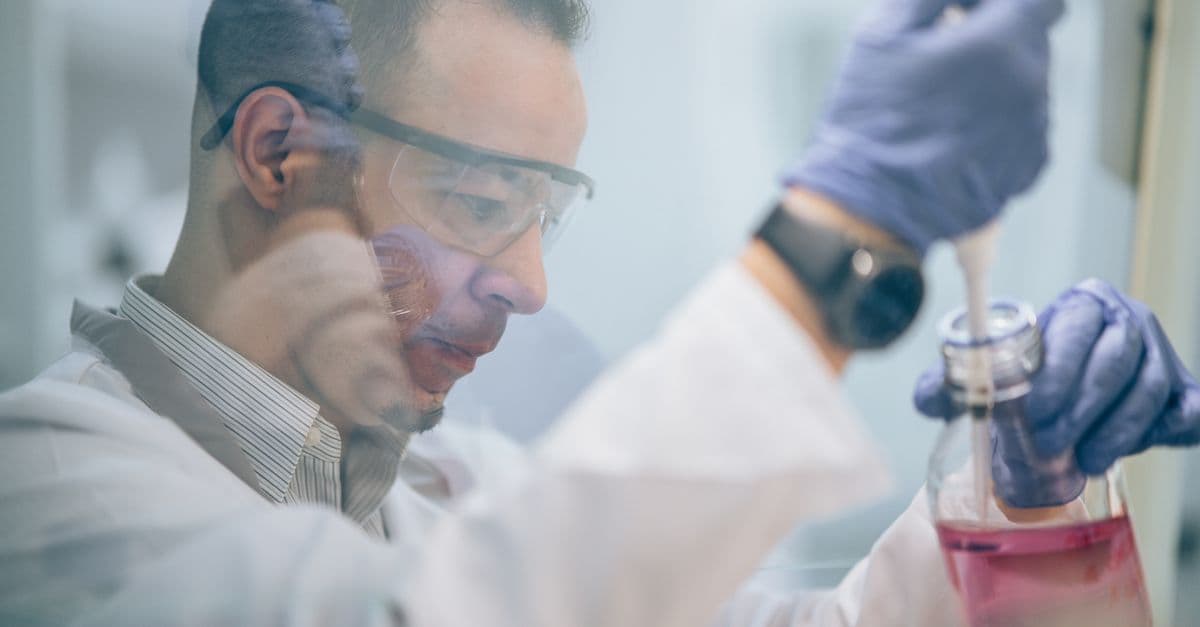
In December 2023, the FDA approved Casgevy — the first CRISPR-based therapy for a human disease. It works in a single treatment session: a patient's stem cells are removed, their DNA edited, and the corrected cells returned. The results in sickle cell disease trials were striking. But Casgevy uses first-generation CRISPR, which cuts DNA like scissors. A newer class of tools — base editing and prime editing — can rewrite individual letters of the genetic code without cutting the double helix at all, dramatically reducing the risk of unintended edits. Clinical trials of these next-generation systems began in 2024. The field is not waiting for the conversation to catch up.
The Human Genome Project cost $3 billion, took 13 years, and involved 20 countries — to produce a sequence that was still 8 percent incomplete. A single lab can now sequence a human genome for under $200 in a single day. That price collapse, steeper than Moore's Law for a decade straight, has changed medicine, ancestry research, evolutionary biology, and our understanding of what 'the genome' actually is. The truly complete human genome, published in 2022, revealed nearly 200 million base pairs we never knew existed and overturned the idea that most DNA has no function.
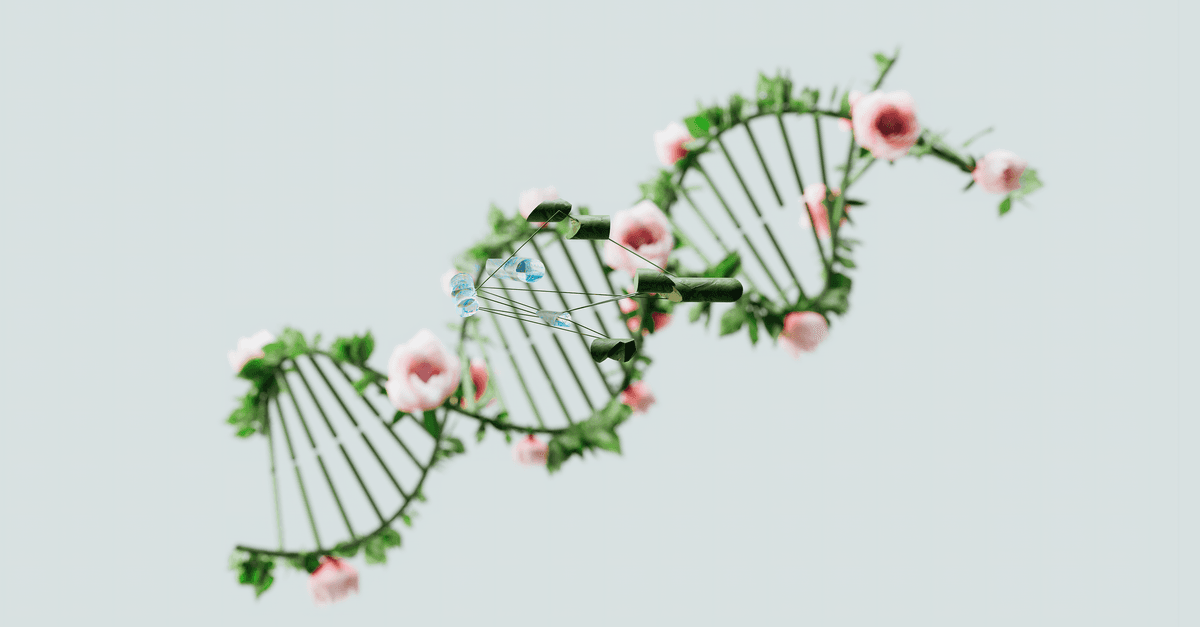
CRISPR has produced its first approved cures for sickle cell disease and beta-thalassemia. Here's what's real, what's coming, and what remains hype in 2026.
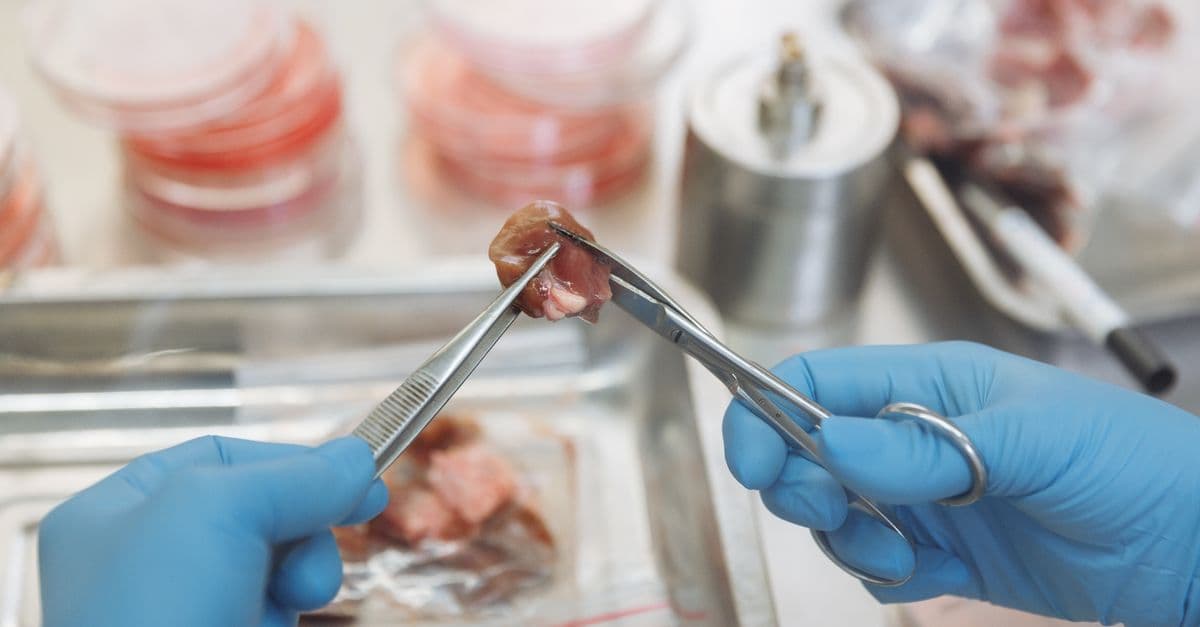
How Doudna and Charpentier repurposed a bacterial immune system into a precise gene-editing tool, winning the 2020 Nobel and sparking a decade of scientific and ethical debate.
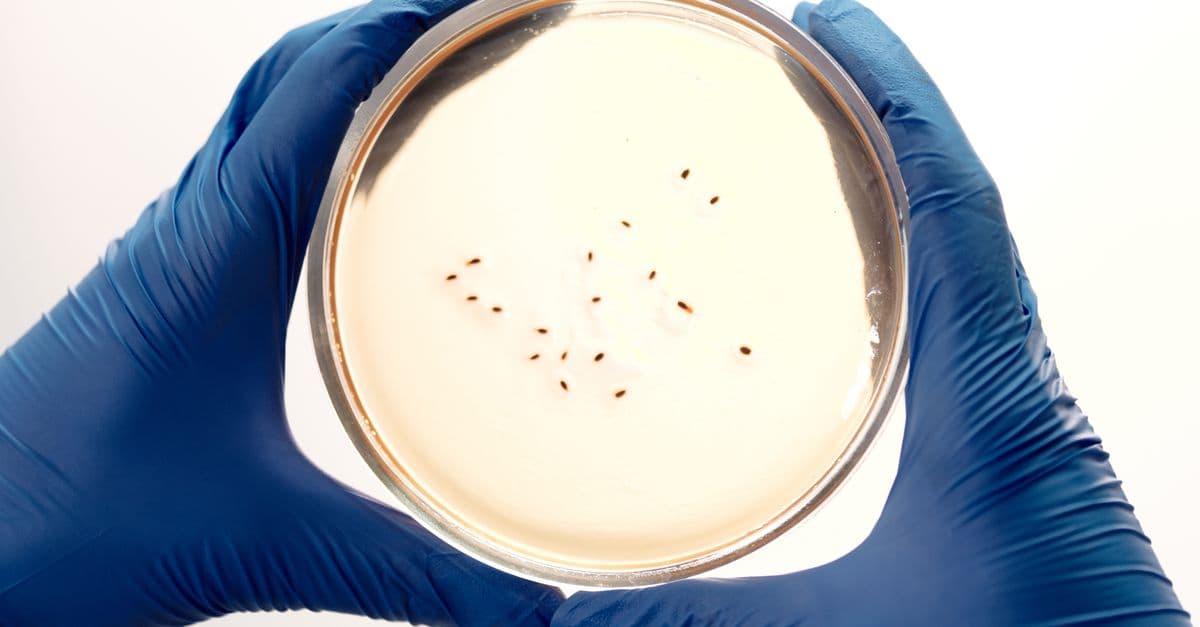
From bacterial immune system to approved therapies: how CRISPR-Cas9, base editing, and prime editing are rewriting the genetic code of medicine.

Machine learning is making CRISPR more precise and predictable, designing better guide RNAs and anticipating off-target edits before they happen.
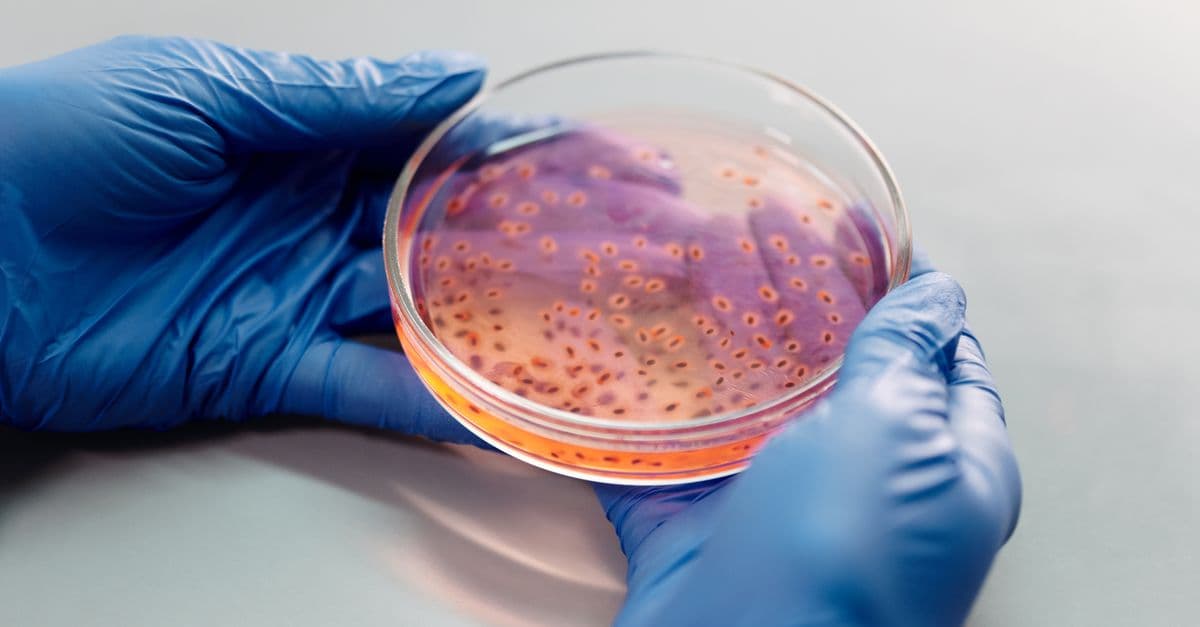
Forget the headlines about designer babies for a minute. Here's what actually happens at the molecular level when Cas9 finds, unzips, and cuts a strand of DNA.
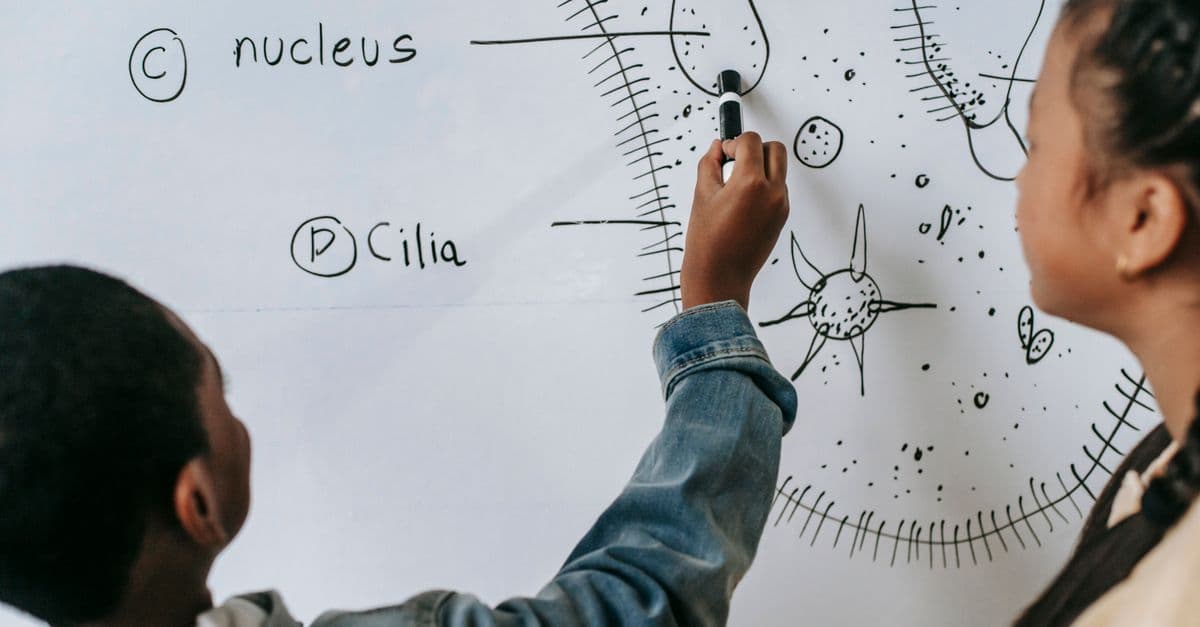
DNA is the instruction manual for every living thing. Here's how its four-letter code builds proteins, copies itself, and passes traits from parent to child — explained in plain language.