Skip to content
ISSUE 10.29.26/24 CATEGORIES

biology

241 articles tagged with #biology

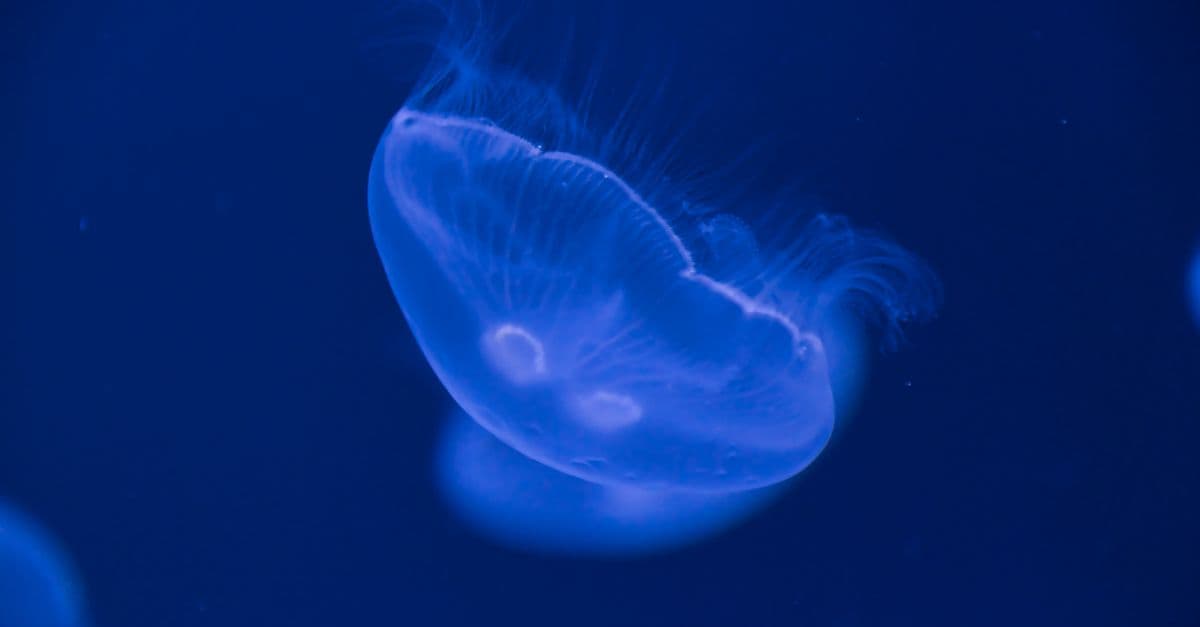
Stunning close-up of a glowing moon jellyfish showcasing its delicate structure in deep blue water.
Biology & Health

How Do Fireflies Glow? The Science of Bioluminescence

Fireflies produce light through a chemical reaction called bioluminescence, where the protein luciferin is oxidized by the enzyme luciferase using oxygen and ATP to emit photons with nearly zero heat loss. The insect controls flash timing by regulating oxygen flow to its light organ, and each species produces a distinct flash pattern used for mating recognition. This same light-producing chemistry has become essential to modern biology, allowing researchers to track gene expression, detect ATP in tissue samples, and study cellular processes in real time.

Editorial Team·June 26, 2026·20 min
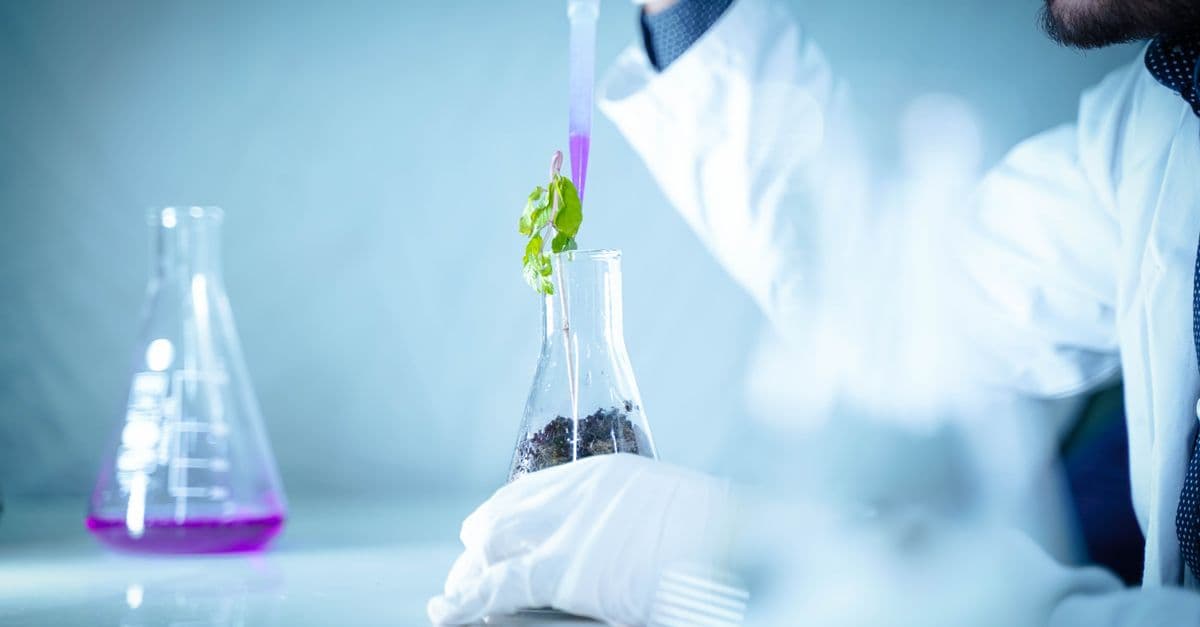
Scientist pouring liquid into a beaker with plant for a laboratory experiment.
Biology & Health

Why Do Leaves Change Color? The Science of Autumn

Chlorophyll breaks down in autumn leaves, unmasking yellow and orange carotenoid pigments that were present all along. Meanwhile, trees synthesize new red and purple anthocyanins, while shorter days and cooler nights trigger senescence—a programmed shutdown that eventually leads the tree to seal off and drop each leaf at a specialized abscission layer. This cascade of biochemical events helps trees conserve resources for winter.

Editorial Team·June 26, 2026·18 min
Three women scientists conducting plant research in a modern laboratory setting.
Biology & Health

Why Do Onions Make Us Cry? The Science of Tear Gas

An intact onion does nothing to your eyes. But cutting one releases enzymes that act on sulfur compounds, triggering a chemical cascade that produces syn-propanethial-S-oxide — a volatile gas that irritates your cornea and forces your eyes to water. The science behind this everyday kitchen reaction reveals how plants weaponize chemistry as a defense mechanism.

Editorial Team·June 26, 2026·18 min
Close-up of people covered in glitter posing artistically with intertwined hands.
Human Body

Why Do We Have Fingerprints? The Science

Fingerprints exist primarily to improve grip and amplify fine touch. The ridged skin on your fingertips enhances friction against smooth surfaces and channels vibrations toward specialized nerve endings — but the exact patterns those ridges form are shaped by a reaction-diffusion process that plays out in the womb, governed by competing molecular signals that no two people, not even identical twins, experience in quite the same way.

Editorial Team·June 17, 2026·9 min
A close-up of a beaver swimming in a pond with vibrant green water.
World Records

The Deadliest Animals in the World: The Tiny Killer That Beats the Lion

Ask which animal kills the most people and the mind jumps to sharks, lions, or crocodiles. The real answer is something you've swatted without a second thought: the mosquito, which killed an estimated 597,000 to 610,000 people in 2023 and 2024 alone — more than every large predator combined, many times over. The deadliest animals on Earth aren't the biggest or fiercest. They're the ones that carry disease, and the ranking overturns almost everything our instincts tell us.

Editorial Team·June 15, 2026·16 min
Page 1 of 21Next →