Complete Biology Guide 2026 — How Life Works
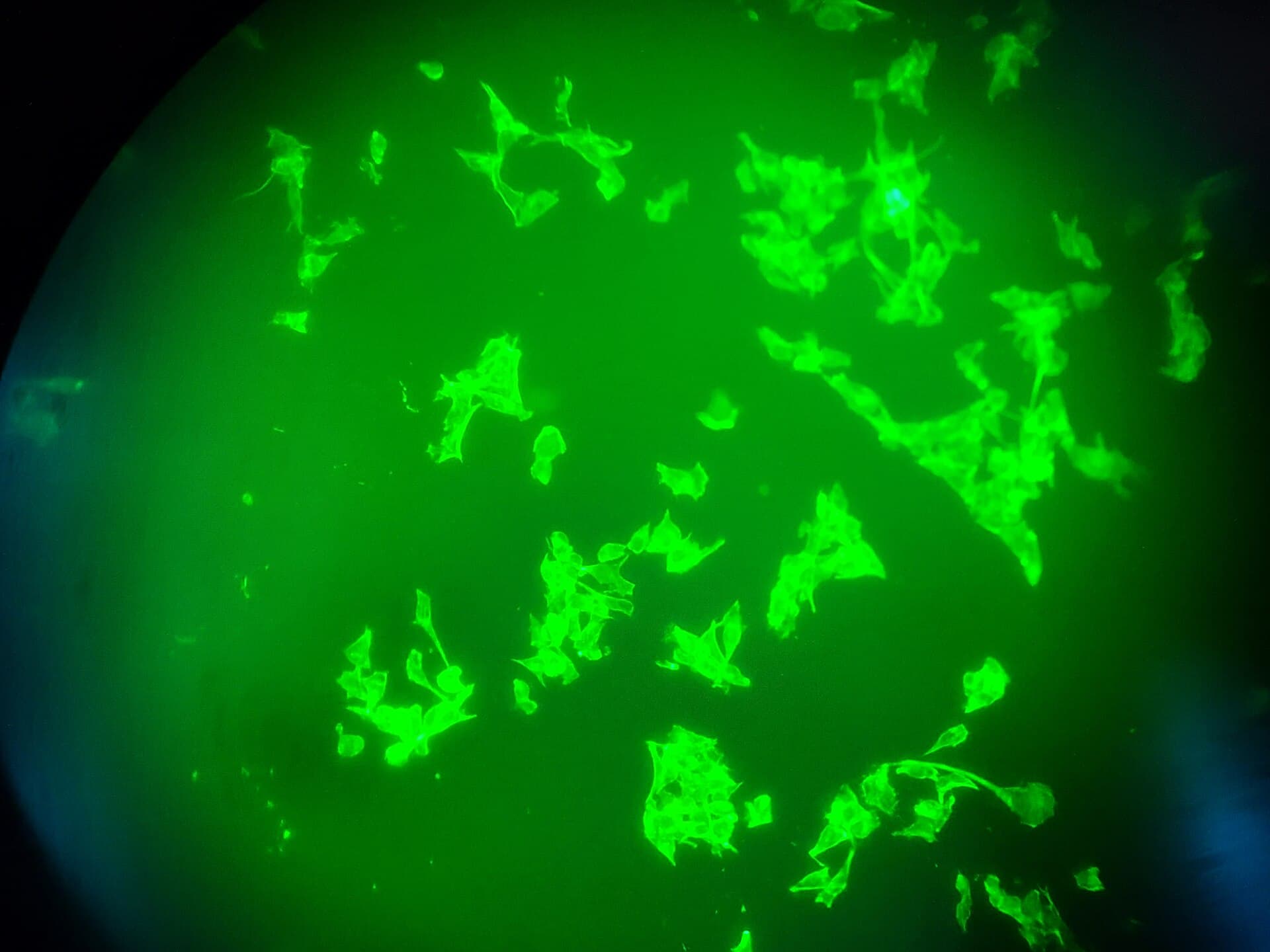
Photo: Korinna (CC BY 4.0) / Wikimedia Commons / CC BY 4.0
Biology in 2026 is at an inflection point. The genetic code, once a static blueprint we could only read, is now something we can write, edit, and optimize. DNA sequences in living cells with letter-level accuracy.">CRISPR has moved from laboratory curiosity to clinical tool. Our understanding of the microbiome has exploded from "bacteria in your gut" to "an organ system that influences your brain, immunity, and metabolism." Machine learning now predicts protein structures that would have taken humans decades to solve. This guide covers what you need to know: how cells work, how life evolved, how your body actually functions, what's happening in neuroscience, and where genetic medicine is heading.
What Is Biology and Why It Matters
Biology — the science of life and living systems, from molecular mechanisms inside cells to ecosystems spanning continents. In 2026, biology matters more than ever because it's the knowledge base for health, agriculture, climate solutions, and human enhancement.
Biology operates at multiple scales. At the smallest level, chemistry: molecules binding, reactions proceeding. At the molecular scale, DNA carries information; proteins do work. At the cellular scale, billions of cells cooperate to form tissues and organs. At the organism scale, tradeoffs emerge: you can evolve bigger brains or bigger muscles, but not both easily. At the population scale, evolution acts. At the ecosystem scale, predation, parasitism, and symbiosis interweave.
Understanding biology means understanding not just what happens, but why natural selection, genetic drift, and developmental constraints shaped the living world into its current form.
Source: National Institutes of Health (2025) — Modern biology spans molecular to ecosystems scales, informing medicine, agriculture, and conservation.
Cells: The Unit of Life
Every living thing is made of cells. Bacteria are single cells. Plants and animals are multicellular — trillions of cooperating cells, each specialized for a function.
Cell — the smallest unit of life capable of independent functioning, bounded by a membrane and containing DNA and proteins. All cells are descended from a common ancestor roughly 3.5 billion years ago.
Two main types exist: prokaryotic (bacteria and archaea, no nucleus) and eukaryotic (animals, plants, fungi, protists, with a nucleus). Eukaryotic cells are larger and compartmentalized — the nucleus holds DNA, mitochondria generate energy, the endoplasmic reticulum synthesizes proteins. This compartmentalization lets cells achieve feats prokaryotes cannot.
Your body contains approximately 37.2 trillion cells. They're constantly dividing, dying, and being replaced. Red blood cells live ~120 days; skin cells ~2-4 weeks; intestinal cells ~3-5 days. Neurons, by contrast, live as long as you do — most of the neurons in your brain were formed before you were born and persist unchanged unless damaged.
For deep dives: How Do Genes Actually Work, How Are Proteins Made? Translation Explained, and How ATP Energy Works in Cells.
Cells also decide when to die. How apoptosis works explains the caspase machinery behind it, and what telomeres are covers the chromosome caps that limit how often most cells can divide.
DNA, Genes, and Genetics
DNA — deoxyribonucleic acid, the molecule that stores genetic information using a four-letter code (A, T, G, C). A gene is a segment of DNA that codes for a protein or RNA product. Your genome contains approximately 20,000 protein-coding genes spread across 3 billion letters of code.
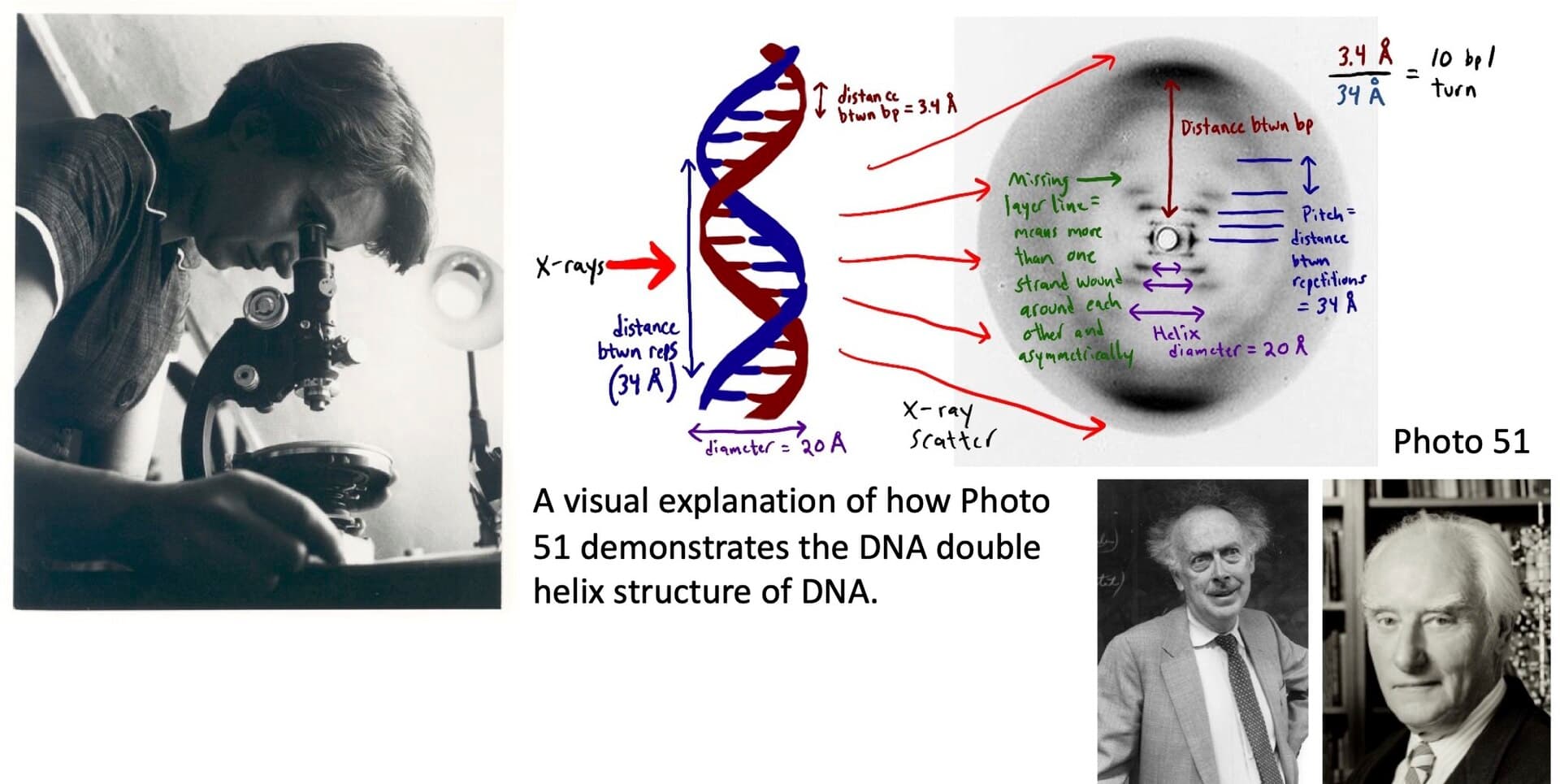
The structure was solved in 1953 by Watson, Crick, and Franklin using X-ray crystallography. DNA looks like a twisted ladder — two strands held together by base pairs, coiled into a double helix. Each rung is one of four bases (adenine, thymine, guanine, cytosine). The order of these bases encodes instruction: AAA means lysine; CAA means glutamine.
When a cell divides, DNA replication makes an exact copy. An enzyme called DNA polymerase reads the original strand and assembles a new complementary strand. This process is remarkably accurate but not perfect — mistakes (mutations) accumulate at a rate of roughly 1 error per billion base pairs copied. Over evolutionary time, these mutations are the raw material for natural selection.
Source: Francis Crick (1958) — The Central Dogma: DNA is transcribed to RNA, which is translated into proteins. This remains the framework for molecular biology.
Key articles: DNA Structure Explained by Watson, Crick, and Franklin, DNA Replication: How It Works, How DNA Works: The Genetic Code Explained, and Genetics: DNA, Genes, and Heredity Explained.
Genes do not only pass from parent to offspring. Bacteria trade them sideways, a process explained in horizontal gene transfer.
Evolution: How Life Diversified
Evolution is not just a theory — it's the central organizing principle of all biology. Evolution by natural selection is the process by which organisms with traits that improve survival or reproduction pass those traits to offspring more often than competitors. Over millions of years, small changes accumulate, producing the diversity of life we see today.
The evidence is overwhelming. Fossils show species changing over time and disappearing. DNA sequences are nearly identical across mammals, evidence of a common ancestor. Antibiotic resistance in bacteria evolves in real-time in hospitals and farms. Finch beaks in the Galápagos shift size within a single season in response to drought. The evolutionary tree fits impeccably with fossil, molecular, and behavioral data.
Natural selection is not the only mechanism. Genetic drift — random changes in allele frequency, especially strong in small populations — can fix traits even if they slightly reduce fitness. Gene flow — migration between populations — homogenizes alleles. Mutation introduces variation. Sexual selection drives traits (like a peacock's tail) that reduce survival but increase mating success.
Important to note: evolution has no goal or direction. It is not "progress toward a destination." Humans are not the "pinnacle" of evolution; we are one twig on a vast tree, shaped by the particular pressures that affected our ancestors.
Related articles: How Evolution Works: Natural Selection Explained, How Did Life Actually Start on Earth, and AI in Antibiotic Discovery: Combating Drug-Resistant Bacteria.
The fossil record shows most animal body plans appearing within a few tens of millions of years; the Cambrian explosion explains what happened and how the timing is measured.
The Human Body: Integrated Systems
Your body is not a bag of loose organs. It's an integrated system where each organ and tissue depends on others.
The Circulatory System — heart, blood vessels, blood — transports oxygen, nutrients, and waste. The heart beats ~60-100 times per minute, pumping blood through ~60,000 miles of vessels. Oxygen-rich blood from the lungs feeds cells; oxygen-poor blood returns to the lungs.
The Digestive System — mouth, esophagus, stomach, small intestine, large intestine, pancreas, liver — breaks food into nutrients and absorbs them. Stomach acid denatures protein. Pancreatic enzymes break down fat and carbohydrates. The small intestine absorbs nutrients; the large intestine absorbs water. Total transit time: ~24-72 hours.
The Respiratory System — nose, trachea, lungs — exchanges oxygen for carbon dioxide. Lungs contain ~300 million alveoli (tiny air sacs) where gas exchange occurs. Hemoglobin in red blood cells binds oxygen and transports it to tissues.
The Nervous System — brain, spinal cord, neurons — processes information and controls behavior. The central nervous system (brain + spinal cord) processes information. The peripheral nervous system (all other neurons) carries signals between the CNS and the body. Neurons communicate via neurotransmitters across synapses.
The Endocrine System — glands that secrete hormones — regulates long-term processes. The pituitary gland controls reproduction, growth, and stress response. The pancreas regulates blood glucose via insulin and glucagon. The adrenal glands produce adrenaline and cortisol.
The Immune System — white blood cells, lymph nodes, spleen, thymus — defends against pathogens. Innate immunity (present from birth) provides the first line of defense via physical barriers and white blood cells. Adaptive immunity (learned through exposure) produces specific antibodies and T cells.
Deep-dive articles: How the Heart Works, How the Digestive System Works, How Muscles Contract and Grow, How Hormones Work: The Endocrine System, How the Human Immune System Fights Viruses, and Bones and Joints: How the Skeleton Works. Rare conditions such as congenital insensitivity to pain show how important pain signaling is.
The Brain and Neuroscience
The brain is biology's greatest puzzle. With ~86 billion neurons, each connected to thousands of others, the brain is the most complex known object.
Neuroscience — the study of the nervous system — has made explosive progress since the 2000s thanks to neuroimaging (fMRI, PET scans), genetic techniques, and computational models. We now know that memories are not stored in single locations but distributed across networks of synapses. We understand that learning is fundamentally rewiring: repeated firing of neural pathways strengthens synapses, a process called long-term potentiation.
The brain's structure is layered by evolution. The brainstem (shared with fish and reptiles) controls breathing, heart rate, and basic survival. The limbic system (shared with other mammals) handles emotion and memory. The cortex (largest in primates and humans) enables abstract thought, language, planning, and consciousness.
Key mysteries remain. How does subjective experience arise from neural firing? This is the "hard problem of consciousness." Why do we sleep and dream? Current theories suggest sleep consolidates memories and clears metabolic waste. Why do some people develop Alzheimer's or depression while others don't despite similar genetics and environments? The answers involve both biology and experience.
Relevant articles: How the Brain Works: Neuroscience Explained, How Memory Works: The Brain Explained, Consciousness Explained: The Hard Problem, How Sleep Affects the Brain, How Learning Actually Works: Neuroplasticity, Depression: Neuroscience Explained, ADHD: Neuroscience Explained, Autism Spectrum Disorder: Neuroscience Explained, and Alzheimer's Disease: 2026 Update. Everyday sensory quirks, such as why we are ticklish, are another window into how the nervous system works.
Genetics, Microbiomes, and Disease
Modern medicine is shifting from treating symptoms to understanding root causes, which often lie in genetics or microbiology.
Genetics and Disease — Some diseases are purely genetic. Cystic fibrosis results from mutations in the CFTR gene. Huntington's disease is caused by a repeating section of DNA that expands over generations. But most diseases are polygenic (involving many genes) plus environmental factors. Type 2 diabetes, heart disease, and Alzheimer's all involve genetic risk factors that only manifest under certain conditions (diet, stress, aging).
Epigenetics — the study of how environment turns genes on or off without changing the DNA sequence. Chemical tags (methyl groups) can silence a gene; removing tags can reactivate it. Epigenetic changes can persist across generations without altering the genetic code itself. This explains how identical twins can diverge in disease risk and lifespan based on lifestyle and environment.
The Microbiome — the trillions of bacteria, viruses, fungi, and archaea living in and on your body, especially the gut. These organisms outnumber your own cells roughly 1.3 to 1. They produce vitamins (B12, K), break down dietary fiber into short-chain fatty acids that feed your colon, train your immune system, and influence your mood via the gut-brain axis. Dysbiosis (imbalance of microbes) correlates with inflammatory bowel disease, obesity, depression, and autism.
Source: NIH Human Microbiome Project (2019) — The microbiome influences immune function, metabolism, and brain health, establishing the gut as a critical organ system.
Related reads: CRISPR Gene Editing Explained, How Bacteria Evolve Antibiotic Resistance, Epigenetics: How Environment Changes Your DNA, Gut Microbiome Explained, Gut Bacteria and Mental Health: Psychobiotics, and How Cancer Develops: Genetics of Cancer.
Genetic Engineering and the Future
CRISPR-Cas9 is a gene-editing tool adapted from a bacterial immune system. It lets researchers locate and delete, insert, or correct specific DNA sequences. CRISPR is faster, cheaper, and more precise than older methods. In 2020, two scientists (Jennifer Doudna and Emmanuelle Charpentier) won the Nobel Prize for developing it.
Clinical trials are underway for CRISPR to treat sickle cell disease, beta-thalassemia, and certain cancers. Early results are promising — patients with sickle cell have experienced long-term remission after CRISPR treatment of their blood cells.
But CRISPR raises ethical questions. Should we edit embryos to prevent disease? Should we enhance traits like height or intelligence? Editing someone's own cells (somatic therapy) is mostly accepted; editing eggs, sperm, or embryos (germline therapy) is banned in most countries because changes would pass to future generations and we don't yet fully understand long-term consequences.
Stem cells — cells capable of dividing indefinitely and differentiating into specialized types — offer another avenue. Researchers hope to grow replacement tissues and organs. A bioengineered ear has been grown in a lab using collagen and ear cells. Cartilage, bone, and skin have been regenerated in animals. Full organ replacement remains years away but is no longer science fiction.
Deep articles: CRISPR Gene Editing: How It Works, Genetic Engineering: Modified Organisms, Stem Cells and Regenerative Medicine, and AI in CRISPR and Gene Editing.
Some infectious agents carry no genes at all. What prions are describes how a misfolded protein can convert normal copies of itself.
Immunity and Infection
Understanding how your immune system works is crucial to understanding health in the age of pandemics and antimicrobial resistance.
The immune system has two arms: innate and adaptive. Innate immunity is present from birth. Your skin is a barrier. Your stomach acid kills pathogens. Your blood contains antibodies (proteins that recognize foreign molecules) and white blood cells (neutrophils, macrophages, natural killer cells) that engulf or destroy intruders. This response is fast (minutes to hours) but not specific — it targets patterns common to many pathogens.
Adaptive immunity develops in response to exposure. When a pathogen enters, dendritic cells phagocytose it and present pieces to T cells. Activation triggers B cells to produce antibodies specific to that pathogen. Memory B and T cells persist for years, sometimes decades. This is why vaccination works: you develop immunity without the risk of the real infection.
Vaccines train the adaptive immune system using weakened or inactivated pathogens, subunits of pathogens, or mRNA instructions to produce a pathogen protein. The body's immune system then mounts a response. If you later encounter the real pathogen, you have antibodies and memory cells ready.
Viruses evolve to evade the immune system. Some (like influenza) mutate rapidly, outpacing your adaptive immunity, which is why flu shots change yearly. Some (like HIV) directly attack immune cells. Others (like herpes) hide in nerve cells, remaining latent indefinitely. Bacteria evolve resistance to antibiotics through selection pressure — individuals with resistance genes survive treatment and reproduce.
Source: WHO (2024) — Antimicrobial resistance is projected to cause 10 million deaths annually by 2050 without intervention.
Key articles: How Vaccines Actually Work, How Do Antibiotics Work and Why Resistance Matters, and mRNA Vaccines Explained.
Connecting Biology to AI and Medicine
Artificial intelligence is accelerating biological discovery. Machine learning can predict which molecules will fold into specific shapes (AlphaFold) or which genetic variants cause disease. AI identifies drug candidates by screening millions of compounds. AI models trained on millions of medical images rival radiologists at detecting cancers.
This acceleration is not incidental — it's reshaping medicine. Personalized medicine uses your genetic profile, microbiome data, and lifestyle to tailor treatment. Preventative medicine shifts focus from treating disease to maintaining health. Biotech companies now routinely use AI to design new proteins or antibodies with desired properties.
The convergence of genomics, microbiomics, neuroimaging, and AI is making the human body increasingly readable and modifiable. This opens possibility for treating genetic disease and extending healthy lifespan, and it also raises questions about equity, privacy, and what aspects of human nature we should preserve unchanged.
Topics Covered in This Guide (Deep Dives)
Foundations
- How Do Genes Actually Work
- DNA Structure: Watson, Crick, and Franklin
- DNA Replication: How It Works
- How DNA Works: The Genetic Code Explained
- Genetics: DNA, Genes, and Heredity Explained
Evolution and Natural Selection
Human Body Systems
- How the Heart Works
- How the Digestive System Works
- How Muscles Contract and Grow
- How Bones and Joints Work
- How the Ear Hears Sound
- How the Human Eye Works
- Skin: The Largest Organ Explained
- How Hormones Work: The Endocrine System
- How Pregnancy Works: Biology Explained
Brain and Neuroscience
- How the Brain Works: Neuroscience Explained
- How Memory Works: The Brain Explained
- How Learning Works: Neuroplasticity
- Consciousness Explained: The Hard Problem
- How Sleep Affects the Brain
- How Emotions Work in the Brain
- Depression: Neuroscience Explained
- ADHD: Neuroscience Explained
- Autism Spectrum Disorder: Neuroscience Explained
- Aging and the Brain
- Alzheimer's Disease: 2026 Update
Immunity and Infection
- How the Human Immune System Fights Viruses
- How Vaccines Actually Work
- mRNA Vaccines Explained
- How Antibiotics Work and Why Resistance Matters
- How Bacteria Evolve Antibiotic Resistance
- HIV: The Virus Explained
Genetics and Genomics
- CRISPR Gene Editing Explained
- CRISPR: 2026 Cures and Hype
- Genetic Engineering: Modified Organisms
- Epigenetics: How Environment Changes Your DNA
- How Cancer Develops: Genetics of Cancer
Microbiome and Health
Regeneration and Stem Cells
- Stem Cells and Regenerative Medicine
- How Biological Regeneration Works
- Cloning Explained: How Dolly Was Made
AI and Biology
- AlphaFold: AI Predicts Protein Folding
- AI in CRISPR Gene Editing
- AI in Antibiotic Discovery
- AI in Personalized Medicine and Genomics
- AI and Brain-Computer Interfaces
Frequently Asked Questions
Q: Is biology just the study of animals and plants?
A: No. Biology encompasses all living systems — bacteria, archaea, plants, animals, fungi, and viruses. It ranges from molecular processes inside cells to ecosystem dynamics and evolution. Modern biology connects genetics, development, physiology, ecology, and behavior into an integrated science.
Q: If evolution is true, why do we still have diseases and suffering?
A: Evolution optimizes for reproduction in ancestral environments, not for health or happiness in modern times. Our bodies reflect compromises and constraints from millions of years ago. Additionally, evolution is slow — our environment has changed (diet, technology, stress) faster than our biology can adapt, creating mismatches like Type 2 diabetes.
Q: Can CRISPR cure all genetic diseases?
A: CRISPR is powerful but not a universal cure. It works best for monogenic diseases (caused by a single gene) like sickle cell and cystic fibrosis. Most diseases are polygenic (involving hundreds of genes) plus environment. Editing complex traits is theoretically possible but technically difficult and ethically contentious.
Q: How much of my health is determined by genetics versus lifestyle?
A: Both matter profoundly, and they interact. Genetics loads the gun; lifestyle pulls the trigger. Someone with a genetic predisposition to heart disease can reduce risk through exercise and diet. Someone without that predisposition can still develop heart disease through poor choices. A rough rule: genetics accounts for 30-50% of variation in most traits; the rest is environment and chance.
Q: What is consciousness and why do we still not understand it?
A: Consciousness is the subjective experience of awareness — what it's like to see red, feel pain, or think about the future. We understand some neural correlates (certain brain regions and neurotransmitter patterns correlate with consciousness), but we don't yet understand how physical processes produce subjective experience. This gap is called the "hard problem." It may require new physics or philosophy, not just biology.
Q: Could CRISPR or other technologies allow humans to live 200 years?
A: Aging is complex — it involves accumulating DNA damage, protein misfolding, mitochondrial dysfunction, and cellular senescence. Genetic interventions in model organisms (mice, worms) have extended lifespan by 30-40%, but results haven't yet translated to humans. Calorie restriction, exercise, and certain compounds (metformin, resveratrol) show modest life-extension effects in humans. Significant life-extension is probably possible in principle, but the path is unclear.
The Takeaway
Biology in 2026 is no longer just observational. We can read the genome, edit it, and understand how organisms work at unprecedented depth. We're mapping the microbiome's influence on health. We're decoding the brain and consciousness. We're engineering new proteins and cells. The capability is outpacing wisdom — we can do many things we're not yet sure we should do.
The right stance is informed curiosity. Understand how your body works, why it's vulnerable to disease, and how diet, sleep, exercise, and stress shape your biology. Follow the science on medicine and genetics with skepticism toward hype. Support research into diseases that affect you or people you care about. And recognize that biology is not destiny — genetics loads the gun, but you write the story.
Last verified: August 2026
Follow new articles
Add SciHub101 to your feed reader to see new science and technology stories.
About the Author
SciHub101 is an independent science and technology publication founded and edited by Buğra Sözeri, a software engineer and app developer based in Türkiye. AI tools assist with drafting and research. Source documentation in the existing archive is uneven, and articles are being reviewed and corrected. The Editorial Team byline identifies editorial responsibility; it does not certify specialist or independent human review. Where we compare products, anything built by our own team is labelled as such — see the editorial guidelines and About page for how corrections and disclosures work.
Related Articles
Epigenetic Clocks Explained: What DNA Methylation Can and Cannot Say About Biological Age
Epigenetic clocks estimate aging from DNA methylation. See how Horvath, PhenoAge, GrimAge and DunedinPACE differ, and why a clock score is not a diagnosis.
The Cambrian Explosion: When Animal Life Diversified
The Cambrian explosion was a burst of animal diversification about 539 million years ago. Here is the fossil evidence, the timing, and the main explanations.
Why Do We Have Blood Types? The Science and Evolution
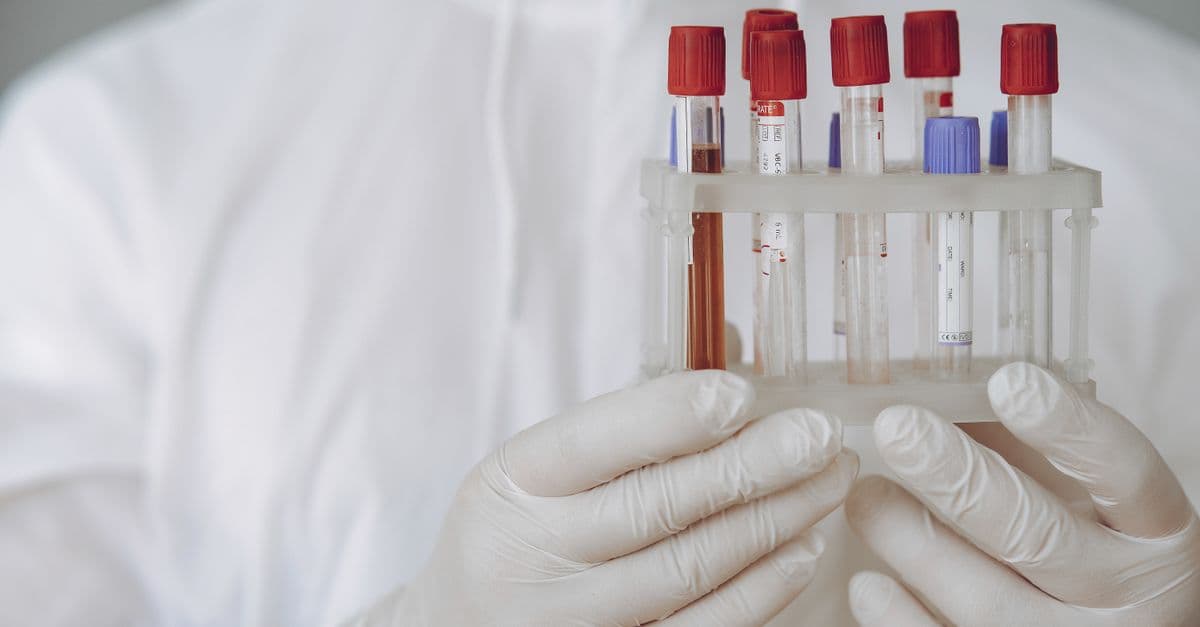
Blood types are inherited molecular markers on red blood cells. The ABO polymorphism has been kept alive in primates for at least 20 million years, and infections such as malaria, cholera, and norovirus are the leading explanation for why.
Evolution and Natural Selection — How Life Changes
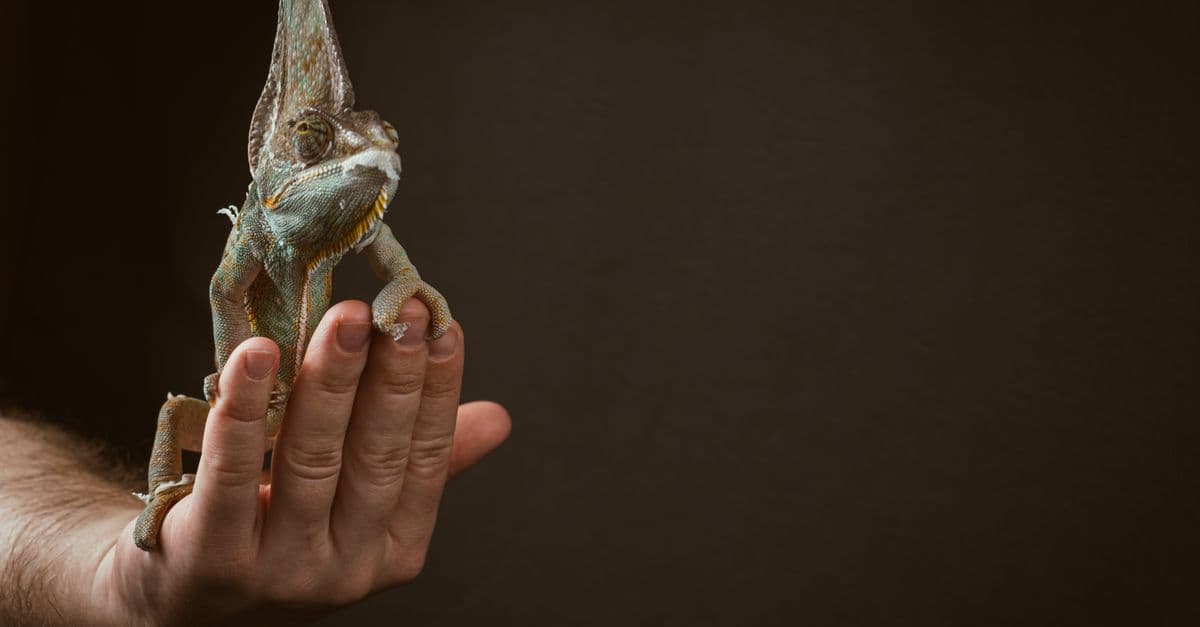
Darwin's theory, modern synthesis, mechanisms, evidence, speciation, and human evolution — explained clearly with common misconceptions corrected.
Animal Sleep: How Different Species Sleep (And Why Some Barely Sleep at All)
Elephants sleep 2 hours a night. Koalas sleep 22 hours. Dolphins sleep with one eye open. Sleep is stranger across the animal kingdom than you imagined.
How Stem Cells Work and What They Can Actually Treat
A single fertilized egg becomes a complete human being, and a few of its descendants never stop being flexible. This is how stem cells work, how scientists learned to reprogram them, and which therapies have reached patients.