How Sleep Affects the Brain: The Science of Why You Need It
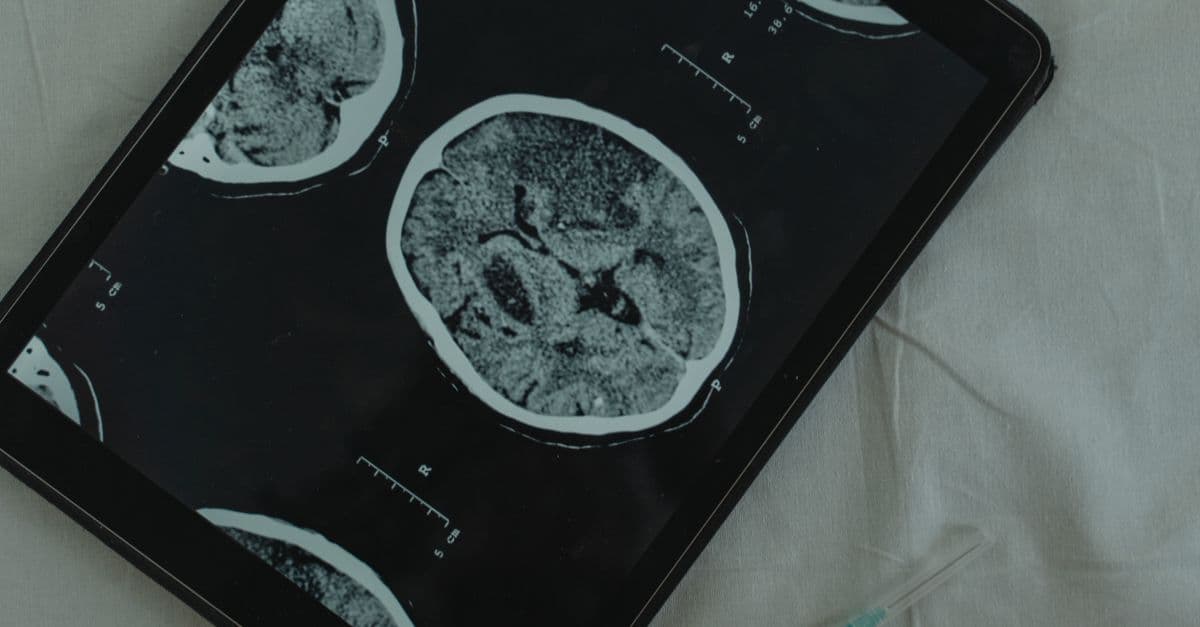
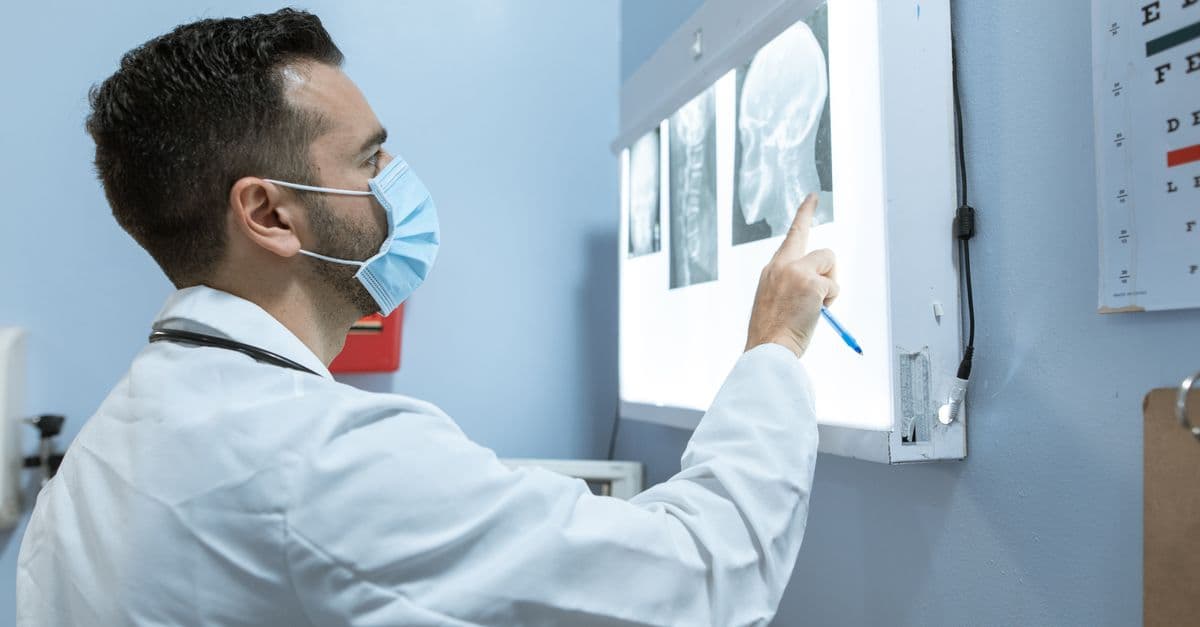
Photo: Tima Miroshnichenko / Pexels
Every animal with a brain that has been carefully studied shows some form of sleep. Dolphins can sleep with one hemisphere at a time. Fruit flies sleep. Even some jellyfish show sleep-like states. Our overview of how different species sleep covers the range. The fact that sleep has been conserved through hundreds of millions of years of evolution — despite leaving animals unresponsive and vulnerable — is strong evidence that it does something essential.
Educational content, not medical advice. Talk to your doctor before changing any medication, treatment, or routine. Information here reflects current research but every person's situation differs. If you have ongoing sleep problems, loud snoring with pauses in breathing, or daytime sleepiness that affects driving or work, see a healthcare professional.
Sleep is not the passive downtime it appears to be. During sleep, the brain stabilises memories, reorganises neural connections, regulates emotional circuits and resets the systems that control alertness. This article walks through what is well established, what is promising, and what is genuinely contested — including a lively recent debate over whether sleep really "washes" the brain.
Key Takeaways
- Sleep cycles through NREM stages (N1, N2, N3) and REM in roughly 90-minute cycles, with deep NREM concentrated early in the night and REM increasing toward morning.
- During slow-wave sleep, the hippocampus replays recent experiences, which is thought to help transfer memories into long-term cortical storage; sleep spindles help coordinate this.
- A 2013 mouse study found the space between brain cells expands by about 60% during sleep, boosting waste clearance — but a 2024 mouse study found clearance was lower during sleep, and the question is now actively debated.
- In a 2007 brain-imaging study, one night of total sleep loss was linked to about 60% greater amygdala reactivity to negative images.
- Sleep timing is governed by the circadian clock (suprachiasmatic nucleus, melatonin) and by sleep pressure (adenosine), which caffeine blocks.
- Sleep loss measurably impairs attention, mood regulation and appetite hormones, and is associated with weaker immune defence.
The Architecture of Sleep
Sleep is not uniform. A night's sleep cycles through distinct stages, each with a different brain-activity signature measured by electroencephalography (EEG).
NREM (non-rapid eye movement) sleep has three stages:
- N1 — the lightest stage, the transition where waking awareness fades. Brain rhythms slow from waking alpha waves (8–12 Hz) toward theta waves (4–7 Hz). Brief muscle jerks ("hypnic jerks") are common here.
- N2 — consolidated light sleep, featuring sleep spindles (short bursts of roughly 11–16 Hz activity generated by loops between the thalamus and cortex) and K-complexes (single large waves). N2 typically makes up the largest share of an adult's night.
- N3 (slow-wave sleep) — deep sleep, dominated by large, slow delta waves (below about 4 Hz). It is hardest to wake from, and people woken from it often feel groggy.
REM (rapid eye movement) sleep looks neurologically close to wakefulness. The EEG shows fast, low-amplitude activity, the eyes dart, and heart rate and breathing become irregular. Most skeletal muscles are actively paralysed by brainstem circuits that inhibit motor neurons, which keeps people from acting out dreams. REM is the stage most associated with vivid, story-like dreaming — and with forgetting those dreams, as our article on why we forget our dreams explains.
A typical adult night consists of about four to six cycles of roughly 90 minutes each. Early cycles contain more N3; later cycles contain longer REM periods. A practical consequence: cutting sleep short by waking early disproportionately removes REM sleep.
| Stage | Main EEG feature | Typical share of adult night (approx.) | Associated functions (evidence varies) |
|---|---|---|---|
| N1 | Theta waves, slow eye rolls | ~5% | Transition into sleep |
| N2 | Sleep spindles, K-complexes | ~45–55% | Memory consolidation, sensory gating |
| N3 | Delta (slow) waves | ~15–25%, falls with age | Memory replay, growth hormone release, restoration |
| REM | Fast, low-amplitude; muscle atonia | ~20–25% | Emotional processing, dreaming, some forms of learning |
Stage percentages are textbook approximations (published ranges differ somewhat between sources) and vary widely with age, prior sleep loss and individual differences. Slow-wave sleep in particular declines substantially from young adulthood into older age.
Memory Consolidation: The Overnight Librarian
The most studied function of sleep is memory consolidation — the process by which new information is stabilised and integrated into long-term storage. For background on how memories form in the first place, see how memory works.
The leading framework is systems consolidation, sometimes described as a hippocampal–neocortical dialogue:
- During waking, the hippocampus rapidly encodes new experiences, like a fast-writing temporary buffer.
- During slow-wave sleep, hippocampal neurons replay recent activity patterns in time-compressed bursts called sharp-wave ripples. Replay was first observed in rodents whose "place cells" fired in the same sequence during sleep as during an earlier maze run.
- Ripples tend to occur nested inside thalamic spindles, which in turn ride on cortical slow oscillations. This three-way timing is thought to open windows in which hippocampal information can be written into cortical networks.
- Over days to years, memories become less dependent on the hippocampus and more embedded in the neocortex.
The memory benefit of sleep is not simply about the passage of time or the absence of interference. In many experiments, a period of sleep after learning improves recall more than an equal period awake. In targeted memory reactivation studies, researchers pair learning with a sound or smell and then present that cue again during slow-wave sleep; memory for the cued items tends to improve relative to uncued items, suggesting the sleeping brain is actively processing specific content.
Sleep also appears to support learning at the level of synapses. The synaptic homeostasis hypothesis, proposed by Giulio Tononi and Chiara Cirelli, argues that waking learning strengthens many synapses overall, and sleep selectively scales them back down, saving energy and improving signal-to-noise. It is a complement rather than a rival to replay models, and it connects to the broader topic of neuroplasticity.
REM sleep is thought to play a complementary role, especially for emotional memories and possibly for finding non-obvious connections between ideas. Evidence for REM's role in creativity is suggestive rather than settled; results vary between tasks and labs.
The Glymphatic System: A Discovery and a Debate
The 2013 finding
In 2013, Maiken Nedergaard's group at the University of Rochester published a study in Science (Xie et al.) describing how sleep might help the brain clear waste. They had earlier described a glymphatic system: cerebrospinal fluid (CSF) flowing into brain tissue along channels around arteries, mixing with the fluid between cells, and carrying waste out along veins toward lymphatic drainage. The 2013 study reported that in live mice, natural sleep or anaesthesia was associated with a 60% increase in the interstitial space — the gaps between brain cells — and a striking rise in CSF–interstitial fluid exchange. Clearance of injected amyloid-beta, the protein that clumps into plaques in Alzheimer's disease, was faster during sleep.
The idea that sleep literally washes the brain became one of the most widely shared sleep findings of the decade.
Human evidence that fits the idea
- CSF waves in human sleep (2019). Using fast fMRI, Laura Lewis's group (Fultz et al., Science, 2019) showed that during NREM sleep, slow neural waves were followed by blood-flow oscillations that were coupled to large pulses of CSF flow. The authors suggested this could be part of how sleep supports clearance, while noting animal work was needed to test causality.
- Amyloid after one night without sleep (2018). A US National Institutes of Health team (Shokri-Kojori et al., PNAS, 2018) used PET imaging in 20 healthy adults and found that one night of sleep deprivation was associated with an increase in amyloid-beta of about 5%, concentrated in regions including the hippocampus and thalamus. The sample was small and it is not known whether the increase persists after recovery sleep.
The 2024 challenge
In May 2024, a team at Imperial College London and the UK Dementia Research Institute led by Nick Franks and Bill Wisden published a study in Nature Neuroscience (Miao et al.) reaching the opposite conclusion. Measuring how a fluorescent dye moved through and left mouse brains, they found that clearance was about 30% lower during sleep and about 50% lower under anaesthesia than in awake mice. Other researchers criticised the methods — for example, arguing the infusion volumes could distort tissue — while some long-time sceptics of the glymphatic model welcomed the results.
Where that leaves us
The honest summary as of 2026: there is strong evidence that CSF dynamics change with sleep state and that sleep loss is associated with changes in Alzheimer's-related proteins in humans. Whether sleep increases the brain's waste clearance — and by what mechanism — is a live scientific dispute driven largely by differences in mouse methods. The link between poor sleep and Alzheimer's disease risk also appears to run in both directions: amyloid and tau pathology can themselves disrupt sleep.
Emotional Regulation and Neurochemistry
Waking activity and sleep differ sharply in neurochemistry. During REM sleep, release of noradrenaline (norepinephrine) from the locus coeruleus — a small brainstem nucleus central to arousal and stress responses — falls nearly silent, and serotonin release is also very low, while acetylcholine activity is high. Matthew Walker and colleagues have proposed that this low-noradrenaline state lets the brain reprocess emotional memories, retaining their content while softening their emotional charge — sometimes called the "overnight therapy" hypothesis. It is an influential idea with supporting evidence but not a settled fact.
The effects of sleep loss on emotion are better established. In a 2007 fMRI study in Current Biology (Yoo, Gujar, Hu, Jolesz and Walker), 26 young adults either slept normally or stayed awake for about 35 hours. When viewing increasingly negative images, the sleep-deprived group showed about 60% greater amygdala reactivity, and weaker functional connectivity between the amygdala and the medial prefrontal cortex, which normally helps regulate emotional responses. The study was small, but later work has repeatedly linked short or disrupted sleep with heightened emotional reactivity.
Poor sleep is strongly associated with anxiety and depression in population studies, and the relationship runs both ways: mood disorders disrupt sleep, and sleep disruption worsens mood. Sleep is also tightly intertwined with reward circuits; see our piece on dopamine and motivation.
Sleep Regulation: How the Brain Knows When to Sleep
The widely used two-process model, developed by Alexander Borbély in 1982, describes sleep timing as the interaction of two systems.
Process C: the circadian clock
An internal clock of roughly 24 hours sits in the suprachiasmatic nucleus (SCN) of the hypothalamus. The SCN receives light information from a special class of retinal cells that contain the pigment melanopsin, which is most sensitive to blue-ish light. The SCN coordinates clocks in tissues throughout the body and drives the pineal gland to release melatonin in the evening, signalling biological night. Bright evening light suppresses melatonin and can shift the clock later; travel across time zones misaligns it, as explained in why jet lag happens.
Process S: sleep pressure
During wakefulness, sleep pressure builds. A key chemical signal is adenosine, a by-product of cellular energy use that accumulates in parts of the brain during waking and declines during sleep. Caffeine works mainly by blocking adenosine receptors: it masks sleep pressure rather than removing it, which is why tiredness returns when caffeine wears off. Our article on why caffeine keeps you awake covers the pharmacology.
When the circadian alerting signal and sleep pressure are both high in the evening, people can feel paradoxically alert; when the circadian signal drops at night, accumulated pressure takes over and sleep follows.
What Sleep Loss Does to the Brain and Body
The consequences of inadequate sleep extend well beyond feeling tired. The table summarises some of the best-known studies.
| Effect | Key study | Finding | Caveat |
|---|---|---|---|
| Performance vs. alcohol | Dawson & Reid, Nature, 1997 | Moderate fatigue impaired hand–eye tracking at least as much as legally intoxicating alcohol levels | Single task in 40 volunteers |
| Performance vs. alcohol | Williamson & Feyer, Occup Environ Med, 2000 | After 17–19 hours awake, some test scores were equivalent to or worse than a 0.05% blood alcohol concentration | Effects varied by test |
| Emotional reactivity | Yoo et al., Current Biology, 2007 | About 60% greater amygdala response after a night without sleep | 26 participants |
| Appetite hormones | Spiegel et al., Annals of Internal Medicine, 2004 | Two nights of 4 hours in bed: leptin fell 18%, ghrelin rose 28%, hunger rose 24% | 12 young men |
| Infection risk | Prather et al., SLEEP, 2015 | People sleeping 5–6 hours (by wrist actigraphy) had about 4.2 times the odds of developing a cold after rhinovirus exposure vs. >7 hours | 164 adults; wide confidence interval (OR 4.24, 95% CI 1.08–16.71); association, not proof of cause |
| Brain amyloid | Shokri-Kojori et al., PNAS, 2018 | About 5% rise in amyloid-beta after one night of sleep deprivation | 20 participants |
Beyond these specific studies:
- Attention and reaction time decline steadily with time awake, and people are poor judges of their own impairment — subjective sleepiness tends to level off while measured performance keeps worsening. Brief involuntary "microsleeps" become more frequent.
- Learning suffers in two ways: the hippocampus encodes new information less effectively after sleep loss, and the previous day's learning is less well consolidated if sleep is skipped.
- Metabolism: experimental sleep restriction reduces insulin sensitivity in healthy volunteers, in addition to the appetite-hormone changes above.
- Cardiovascular health: in large population studies, habitual short sleep is associated with higher rates of high blood pressure, heart disease and stroke, although disentangling cause and effect is difficult.
For a step-by-step account of acute deprivation, see what happens to the body with no sleep for 24 to 72 hours.
How Much Sleep Is Recommended?
The US Centers for Disease Control and Prevention (CDC) publishes age-based recommendations, which are based on consensus statements from sleep medicine organisations.
| Age group | Recommended sleep per 24 hours (CDC) |
|---|---|
| Newborn (0–3 months) | 14–17 hours |
| Infant (4–12 months) | 12–16 hours, including naps |
| Toddler (1–2 years) | 11–14 hours, including naps |
| Preschool (3–5 years) | 10–13 hours, including naps |
| School age (6–12 years) | 9–12 hours |
| Teen (13–17 years) | 8–10 hours |
| Adult (18–60 years) | 7 or more hours |
| Adult (61–64 years) | 7–9 hours |
| Adult (65+ years) | 7–8 hours |
CDC also notes that quality matters, not just duration: frequent waking or persistent daytime tiredness despite enough time in bed can signal a sleep disorder such as sleep apnoea or insomnia that warrants professional evaluation.
"Natural short sleepers"
A very small number of people appear to need markedly less sleep without obvious ill effects. Researchers led by Ying-Hui Fu at the University of California, San Francisco identified a variant in the DEC2 gene in one such family in 2009, and a variant in ADRB1 in another family in 2019; mice engineered with the ADRB1 variant slept less. These variants are rare. Most people who regularly sleep far less than recommended show measurable impairment, even when they report feeling fine. Another trait that varies between people is handedness, covered in why some people are left-handed.
Common Misconceptions
"You can train yourself to need less sleep." Experiments show that people adapt subjectively to restricted sleep — they report feeling less sleepy — while objective performance keeps declining.
"The brain shuts off during sleep." Many regions are highly active during sleep, particularly in REM, and specific patterns of activity such as replay and spindles are linked to memory processing.
"Sleep cleans toxins from the brain — case closed." This was widely reported after 2013, but more recent research disputes the mechanism. It is better described as an open and important question.
"Weekend lie-ins fully cancel weekday sleep debt." Recovery sleep restores some measures of alertness, but studies of repeated restriction-and-recovery cycles suggest that some effects, including metabolic changes, are not fully reversed (for example, a small 2019 study by Depner and colleagues found worse insulin sensitivity after a weekend of catch-up sleep followed by renewed restriction).
"Alcohol helps you sleep." It can shorten the time to fall asleep, but it tends to disrupt sleep in the second half of the night and, at moderate to high doses, reduce total REM sleep.
Open Questions
- Why sleep at all? No single function explains everything; most researchers now think sleep serves multiple purposes that evolved together.
- Clearance mechanisms: resolving the glymphatic debate will require methods that measure fluid movement in brain tissue without disturbing it.
- Causality in disease: large studies link poor sleep to dementia, heart disease and depression, but randomised trials showing that improving sleep changes long-term disease outcomes are limited.
- Individual differences: genetics clearly influences sleep need and timing, but only a handful of relevant variants are known.
FAQ
Q: How much sleep do adults need? A: The CDC recommends that adults aged 18 to 60 get seven or more hours per night, with seven to nine hours for ages 61 to 64 and seven to eight for those 65 and older. A very small number of people carry rare genetic variants linked to naturally shorter sleep.
Q: What happens in the brain during dreaming? A: During REM sleep, visual and emotional regions including the amygdala are highly active while parts of the prefrontal cortex involved in logical control are relatively less active, which helps explain the vivid, emotional and illogical quality of many dreams. Most body muscles are actively paralysed.
Q: Does sleep really clean the brain? A: A 2013 mouse study found sleep expanded the space between brain cells by about 60% and sped clearance of amyloid-beta, but a 2024 mouse study found clearance was about 30% lower during sleep. Human studies show sleep changes CSF flow, so the mechanism is now actively debated.
Q: Why does screen use at night affect sleep? A: Retinal cells containing melanopsin are most sensitive to short-wavelength light and signal the brain's circadian clock. Bright evening light can suppress melatonin and shift the clock later, making it harder to fall asleep at the desired time. Stimulating content may also delay sleep.
Q: What are sleep spindles and why do they matter? A: Sleep spindles are brief bursts of roughly 11 to 16 Hz activity generated by thalamocortical circuits during N2 sleep. Their timing with hippocampal ripples and slow oscillations is thought to support memory consolidation, and spindle activity tends to decline with age.
Q: Can you catch up on lost sleep? A: Recovery sleep restores some aspects of alertness and performance, but research on repeated cycles of restriction and recovery suggests that not all effects are fully reversed. Researchers generally regard consistent sleep as better than cycles of deprivation and catch-up.
Q: How impaired are people after a night without sleep? A: In a 2000 study, after 17 to 19 hours awake some test performance was equivalent to or worse than a 0.05% blood alcohol concentration, and longer wakefulness produced impairment approaching the effects of higher alcohol doses. People also tend to underestimate their own impairment.
Sources
- Williamson, A. M. & Feyer, A.-M. (2000). Moderate sleep deprivation produces impairments in cognitive and motor performance equivalent to legally prescribed levels of alcohol intoxication. Occupational and Environmental Medicine 57(10).
- Centers for Disease Control and Prevention (2024). About Sleep.
- UK Dementia Research Institute (2024). Scientists find sleep may not clear brain toxins as previously thought.
- Xie, L. et al. (2013). "Sleep drives metabolite clearance from the adult brain." Science 342. doi:10.1126/science.1241224.
- Miao, A. et al. (2024). "Brain clearance is reduced during sleep and anesthesia." Nature Neuroscience.
- Fultz, N. E. et al. (2019). "Coupled electrophysiological, hemodynamic, and cerebrospinal fluid oscillations in human sleep." Science 366.
- Shokri-Kojori, E. et al. (2018). "β-Amyloid accumulation in the human brain after one night of sleep deprivation." PNAS.
- Yoo, S.-S. et al. (2007). "The human emotional brain without sleep — a prefrontal amygdala disconnect." Current Biology 17(20).
- Dawson, D. & Reid, K. (1997). "Fatigue, alcohol and performance impairment." Nature 388.
- Spiegel, K. et al. (2004). "Brief communication: sleep curtailment in healthy young men is associated with decreased leptin levels, elevated ghrelin levels, and increased hunger and appetite." Annals of Internal Medicine 141.
- Prather, A. A. et al. (2015). "Behaviorally assessed sleep and susceptibility to the common cold." SLEEP 38(9).
Read next:
Follow new articles
Add SciHub101 to your feed reader to see new science and technology stories.
About the Author
SciHub101 is an independent science and technology publication founded and edited by Buğra Sözeri, a software engineer and app developer based in Türkiye. AI tools assist with drafting and research. Source documentation in the existing archive is uneven, and articles are being reviewed and corrected. The Editorial Team byline identifies editorial responsibility; it does not certify specialist or independent human review. Where we compare products, anything built by our own team is labelled as such — see the editorial guidelines and About page for how corrections and disclosures work.
Related Articles

AI Meets CRISPR: How Machine Learning Is Supercharging Genetic Engineering
Machine learning is making CRISPR more precise and predictable, designing better guide RNAs and anticipating off-target edits before they happen.
How Viruses Work: From Infection to Replication
Viruses are not quite alive, yet they've shaped every living thing on Earth. Here's how they hijack your cells and replicate themselves from the inside out.
How the Brain Works — Neuroscience Overview
Neurons, action potentials, brain regions, plasticity, and the science behind consciousness — a clear neuroscience primer.
The Aging Brain: How Cognition Changes as We Get Older
Your brain peaks at different ages for different skills, and some abilities actually improve with age. The neuroscience of brain aging is far more nuanced than the simple story of decline.
How Language Works in the Brain
Language is the most complex thing the human brain does. Understanding how neurons transform thought into speech, and speech back into thought, reveals what makes us uniquely human.
Consciousness Explained: The Hard Problem
Why does anything feel like anything at all? The hard problem of consciousness may be the deepest unsolved question in all of science — and neuroscience is just beginning to grapple with it.