The Psychology of Addiction: What the Brain Science Actually Shows

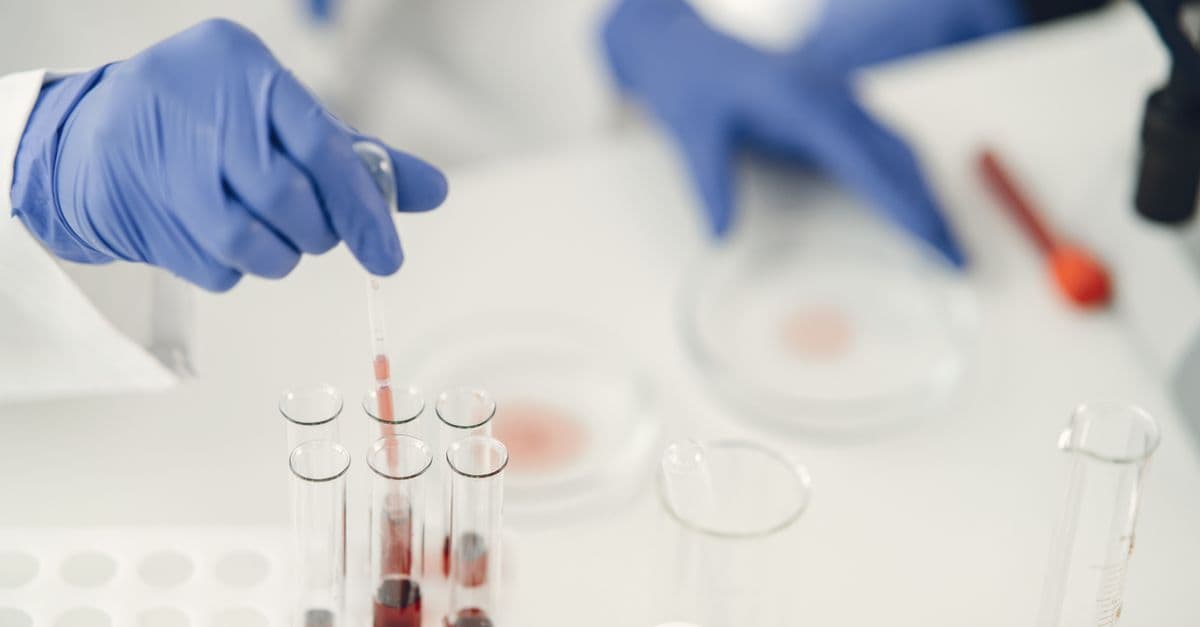
Photo: www.kaboompics.com / Pexels
The war on drugs was fought on a premise that neuroscience has since disproven: that addiction is a choice, a moral failure, a matter of insufficient willpower. In 2011, the American Society of Addiction Medicine formally redefined addiction as "a primary, chronic disease of brain reward, motivation, memory and related circuitry." This was not political positioning. It was the conclusion of decades of research that had mapped, with increasing precision, exactly what addiction does to the brain — and the findings demand a fundamental rethinking of how society responds.
Key takeaways
- All addictive substances share a common mechanism: they directly or indirectly flood the nucleus accumbens with dopamine at levels the brain's natural reward circuits cannot match
- Repeated drug use downregulates dopamine receptors, creating a state where ordinary pleasures feel flat and the drug becomes necessary just to feel normal
- The transition from use to addiction involves the prefrontal cortex losing executive control over the striatal habit system — the brain literally stops deliberating and starts compulsively responding
- Recovery rates are substantial: over half of people with substance use disorders eventually achieve sustained remission, most without formal treatment
The Biology of Getting Hooked
Every addictive drug exploits the same fundamental neural architecture. The mesolimbic dopamine pathway — running from the ventral tegmental area to the nucleus accumbens — is the brain's primary reward signaling system. Under natural conditions, rewarding experiences (food, sex, social connection) release modest amounts of dopamine in the nucleus accumbens, reinforcing behaviors that promoted evolutionary fitness.
Addictive drugs hijack this system. Cocaine and amphetamines prevent dopamine reuptake or force its release, causing dopamine concentrations in the nucleus accumbens to spike 5-10 times higher than any natural reward. Opioids activate mu-opioid receptors that disinhibit VTA neurons, increasing dopamine release. Alcohol affects multiple systems but also produces large dopamine surges. Nicotine activates nicotinic acetylcholine receptors in the VTA, again amplifying dopamine release.
Nora Volkow, Director of the National Institute on Drug Abuse from 2003 to 2022, has used PET scanning to document the consequence: chronic drug exposure causes the brain to compensate for dopamine flooding by downregulating D2 dopamine receptors — essentially removing some of the docking stations for dopamine. The result is a brain in a chronically low-dopamine state. Natural rewards no longer produce adequate dopamine responses. The drug is no longer producing high — it is barely producing normal.
The Shift From Deliberate Choice to Compulsive Habit
One of the most important insights from addiction neuroscience concerns what happens to decision-making as addiction progresses. Early drug use typically involves deliberate choice — the prefrontal cortex (responsible for executive function) evaluating options and deciding to use. Over time, this changes dramatically.
Barry Everitt and Trevor Robbins at the University of Cambridge have documented through animal models how drug-seeking behavior gradually shifts from prefrontal-cortex-mediated goal-directed action to dorsal striatum-mediated habitual behavior. The striatum executes deeply ingrained stimulus-response patterns without deliberation; it is the region responsible for automatized skills and habits. As this transition occurs, drug-seeking becomes less a decision and more a reflexive response to cues.
Neuroimaging in humans confirms this. Studies of cocaine-dependent individuals by Bettina Bühler and colleagues at the University Hospital Aachen found reduced prefrontal cortex volume and reduced functional connectivity between prefrontal regions and striatum — the physical signature of impaired executive control over habitual behavior. The person is not choosing to use; in a very real neurological sense, choosing has become partially disabled.
Behavioral Addictions: When the Drug Is a Behavior
The same neurobiological mechanisms that drive substance addiction operate in behavioral addictions. Compulsive gambling was the first behavioral addiction recognized by the DSM (included in DSM-5 in 2013), based on evidence that it shares the dopamine system dysregulation, tolerance, withdrawal, and loss of control characteristic of substance addictions.
Marc Potenza at Yale School of Medicine has used neuroimaging to show that pathological gambling produces diminished activation in ventromedial prefrontal cortex — the region involved in evaluating risk and consequences — mirroring findings in substance addictions. The slot machine's variable reward schedule exploits the same dopamine prediction error system that makes drugs compelling.
Research on internet gaming disorder and compulsive social media use has produced similar findings. A 2012 fMRI study by Dar Meshi at Freie Universität Berlin found that receiving positive social feedback (flattering social comparison information) activated the same striatal reward circuits activated by monetary gains. When this system is chronically over-activated by social media's intermittent reward structure, the neurobiology of addiction can follow.
Understanding Withdrawal and the Suffering Trap
When addiction develops, the brain adapts to chronic drug presence. Removal of the drug triggers withdrawal — a constellation of aversive physical and psychological symptoms that powerfully reinforce continued use.
Acute Withdrawal Physiology: Withdrawal occurs because homeostatic mechanisms have compensated for drug presence. An opioid-dependent brain has reduced opioid receptor expression and altered downstream signaling. Remove the opioid, and the compensatory changes create a state of painful dysregulation — sweating, muscle aches, anxiety, insomnia. These symptoms, while rarely life-threatening (opioid withdrawal is intensely uncomfortable but not medically dangerous), are extremely unpleasant and powerfully motivate relapse.
Similarly, alcohol withdrawal involves dysregulation of inhibitory GABA systems and excitatory glutamate systems. Benzodiazepines suppress symptoms by providing GABA agonism, while acamprosate and naltrexone work by restoring glutamate-GABA balance. Stimulant withdrawal (cocaine, methamphetamine) produces anhedonia (inability to feel pleasure), severe depression, and crushing fatigue — not physical withdrawal, but psychologically devastating.
The Withdrawal Trap: Withdrawal creates a powerful negative reinforcement cycle — the person uses not to get high but to escape withdrawal symptoms. This explains why addiction often persists even after the person desperately wants to quit: quitting means enduring days of severe discomfort. This is not a moral failing or lack of willpower; it's predictable neurobiology.
Source: JAMA Psychiatry (2015) — "Withdrawal and Relapse in Addiction: Neurobiological Mechanisms"
The Myth of the Addictive Personality
A persistent popular belief is that some people have "addictive personalities" — stable personality traits that make them uniquely vulnerable to addiction. The science is more specific and more useful than this folk concept suggests.
Twin and family studies have established that genetic factors account for roughly 40-60% of the variance in addiction risk across substances, as documented by Howard Edenberg at Indiana University and Kenneth Kendler at Virginia Commonwealth University. But these genetic effects are polygenic and pathway-specific — there is no "addiction gene." Rather, genetic variants affect impulsivity, stress reactivity, novelty-seeking, and receptor sensitivity in ways that modulate vulnerability.
The most important risk factors identified are: early age of first use (before age 15 doubles lifetime addiction risk), trauma and adverse childhood experiences (ACEs), comorbid mental health conditions (particularly anxiety, depression, and PTSD), and social environment. These factors interact — the brain regions most affected by childhood stress (prefrontal cortex, hippocampus, amygdala) overlap precisely with those dysregulated by addiction. A person with a family history of addiction plus early trauma plus depression faces roughly 70-80% lifetime risk if they use addictive substances; an identical use pattern in someone without these risk factors might produce no addiction. This is why the "addictive personality" concept fails — personality predicts risk, but only as one factor among many.
Long-term Brain Recovery: Neuroplasticity After Addiction
A crucial and hopeful finding from neuroscience: the addiction-induced brain changes are not permanent. Brain imaging studies of people in long-term recovery show substantial recovery of:
- Dopamine receptor density (D2 receptors re-express over months to years)
- Prefrontal cortex volume and connectivity (restores over 1-2 years)
- Gray matter density in striatum and anterior cingulate cortex
This recovery correlates with behavioral improvements — people report restored pleasure in normal activities, improved decision-making, and reduced cue reactivity (the tendency to crave drugs when exposed to drug-related cues).
However, recovery is not instantaneous. Early recovery (first 3-6 months) shows partial improvement; substantial recovery takes 1-3 years depending on substance and individual factors. Some neurobiological alterations appear to persist — cue-induced craving activation in the striatum can remain elevated even in long-term recovery. This is why cue avoidance and relapse prevention remain important even after years of sobriety.
Source: Nature Neuroscience (2019) — "Neuroplastic Changes in Recovery from Chronic Substance Use Disorder"
What Actually Works for Recovery
The most replicated finding in addiction treatment research that often surprises people: most people with substance use disorders recover without formal treatment. A large-scale study by John Kelly at Harvard Medical School, using nationally representative data, found that over 22 million Americans (roughly 10% of adults) have resolved a substance use problem, with the majority achieving this without formal treatment programs. Spontaneous recovery, often associated with changes in life circumstances, is the norm rather than the exception.
Evidence-Based Treatment Approaches: For those who do seek treatment, the most effective options include:
Medication-assisted treatment (MAT): Buprenorphine and methadone for opioid use disorder, naltrexone for alcohol and opioid use disorder. These medications restore dopaminergic and opioidergic homeostasis, reducing withdrawal suffering and cravings. Randomized controlled trials consistently show MAT produces better outcomes than abstinence-only treatment — roughly 60-70% sustained remission versus 30-40% for abstinence-only programs.
Cognitive-behavioral therapy (CBT): Teaches patients to identify triggers, develop coping strategies, and challenge addiction-related thoughts. Strong evidence for alcohol, stimulant, and cannabis use disorders. Typically 12-20 sessions produce measurable improvements in relapse rates.
Contingency management: Provides tangible rewards (vouchers, cash) for negative drug tests or treatment attendance. Has some of the strongest effect sizes of any behavioral intervention — 30-50% improvement in abstinence compared to usual care.
Mutual support groups: Alcoholics Anonymous, Narcotics Anonymous, SMART Recovery produce benefits through peer support, accountability, and meaning. Participants in mutual support groups show better long-term outcomes than those without group involvement, though the mechanism (social support? structured accountability? meaning-making?) remains debated.
Community reinforcement: Restructures the patient's environment to reward recovery rather than drug use — finding meaningful work, restoring family relationships, developing social activities incompatible with drug use. Produces substantial improvements but requires significant social restructuring, making it more intensive than other approaches.
Social Context and Environmental Factors in Addiction
Neurobiology explains why addiction is powerful, but it doesn't explain the full story. Environmental factors and social context are equally important in determining who develops addiction and who recovers.
A classic study illustrates this: Rat Park (1970s), conducted by Bruce Alexander and colleagues. Traditional addiction studies placed rats in cages alone with two water bottles — one plain water, one water laced with cocaine. Rats reliably self-administered cocaine until they overdosed. Alexander hypothesized this was an artifact of isolation and sensory deprivation.
He built "Rat Park" — a large, enriched environment with toys, social interaction, and natural stimuli. Rats in Rat Park with access to cocaine-laced water mostly ignored it, preferring to socialize and play. The cocaine use dropped ~90% compared to isolated rats. The mechanism wasn't about resistance or willpower; it was about environmental enrichment and social connection reducing the appeal of the drug.
This transfers to humans. Soldiers in Vietnam, where heroin was available and widely used, showed high addiction rates. But follow-up studies (Lee Robins et al., 1974) found that most Vietnam veterans who were addicted overseas recovered within 2 years of returning home — without formal treatment. Reintegration into family, employment, and social networks was sufficient for recovery for most.
Implication: Addiction isn't just a brain disorder; it's a disorder of disconnection. People with strong social support, meaningful work, and community recover better. Environmental enrichment and social reintegration are as important as medications for recovery.
Source: Robins, L.N., et al. (1974). "Drug use after Vietnam war and one-year follow-up." Archives of General Psychiatry, 32(8); also Alexander, B. (2010). The Globalization of Addiction.
Craving and Cue Reactivity: How Addiction Persists
Cue reactivity — the tendency to crave a substance when exposed to cues associated with use — is a major driver of relapse. A person in recovery sees a cigarette lighter, someone mentions "going out", a particular smell or location, and craving spikes.
The neurobiology: Pavlovian conditioning. Repeated pairing of a neutral cue (a location, a time of day, a person) with drug use causes the cue itself to trigger dopamine release in the nucleus accumbens — the same response as the drug itself. The cue becomes a learned predictor of the reward.
Extinction learning can reduce cue reactivity: repeatedly expose the person to the cue without the drug following it. Eventually, the cue's predictive power weakens. But extinction is fragile — context-dependent. An extinguished craving can spontaneously recover if the person encounters the cue in a different context (a different room, a different city).
Strategic cue avoidance is one reason relapse prevention emphasizes lifestyle change: avoid locations, people, and situations strongly associated with use. It's not weak willpower; it's avoiding powerful Pavlovian triggers.
Modern treatments use exposure therapy (deliberately exposing to cues in a safe context) to extinguish craving responses, or cognitive restructuring (changing thoughts about the meaning of cues) to reduce their power.
Expectancy Effects: The Power of Belief
A surprising finding in addiction research: what people expect to happen when they use a drug significantly affects what actually happens.
Placebo effects in addiction are large. In a classic study, people with alcohol use disorder were given tonic water (no alcohol) but told it contained alcohol. Their behavior became more disinhibited, their speech slurred, and they made riskier decisions — purely from expectation. When given actual alcohol in disguise (mixed into a non-alcoholic drink), effects were smaller than when they expected to feel intoxicated.
This doesn't mean addiction is "just" psychological. Rather, expectancy modulates the neurobiological response. Belief changes dopamine release, alters prefrontal cortex activation, and shifts attention. The brain is plastic; expectation is a real neurobiological force.
Implications for treatment:
- Placebo effects matter; a supportive therapeutic relationship enhances outcomes
- Motivation and belief in recovery predict outcomes
- Environmental signals (entering a clinic, wearing a monitoring device) can reinforce commitment
- Conversely, pessimism about recovery becomes self-fulfilling
Trauma, Stress, and Addiction Co-morbidity
A striking pattern: trauma precedes addiction in the majority of cases. Childhood abuse, combat exposure, severe loss, or chronic stress leads to addiction at high rates.
The mechanism: Trauma damages brain regions crucial for emotion regulation and impulse control (prefrontal cortex, amygdala, hippocampus). The same regions vulnerable to trauma are dysregulated by addiction. This overlap explains high co-morbidity — trauma survivors face double vulnerability.
Trauma-informed treatment recognizes this: treating only the addiction ignores the underlying pain. Addressing trauma (trauma-focused CBT, EMDR) improves addiction outcomes. Conversely, failing to address trauma leads to high relapse rates.
This is why adverse childhood experiences (ACEs) and addiction treatment outcomes are so tightly linked. A person with 6+ ACEs faces ~60% lifetime addiction risk compared to ~10% for someone with zero ACEs. Preventing or treating trauma early is prevention of addiction.
Source: Substance Abuse and Mental Health Services Administration (SAMHSA) (2014). "Trauma-Informed Care in Behavioral Health Services." — Clinical guidance on trauma and addiction.
Long-Term Recovery: Beyond Abstinence
A paradigm shift in addiction treatment: recovery is not just abstinence (not using). It's a return to psychological well-being, social functioning, and meaning.
Recovery domains identified by addiction researchers include:
- Physical health: restored fitness, sleep, nutrition
- Psychological health: reduced anxiety/depression, emotional stability
- Social/relational: restored family ties, friendships, community
- Occupational: meaningful work or education
- Spiritual/existential: sense of purpose, values alignment
Long-term recovery studies following people 5-10 years out find that those in sustained remission show improvements across all domains. People report life satisfaction, relationships, and purpose. The brain recovery is part of a larger life recovery.
Mutual support groups (AA, NA, SMART Recovery) work partly through this pathway: they provide community, structure, accountability, and meaning. The mechanism isn't mystical; it's social support and purposefulness.
Most addiction treatment research focuses narrowly on "days to relapse" or "abstinence at 6 months." But people in recovery care about life quality, relationships, and meaning far more. Good treatment addresses all these dimensions.
Frequently Asked Questions
Q: Is addiction a brain disease or a choice? Can both be true?
A: This is a false dichotomy that has generated more heat than light. Brain changes are real and documented — dopamine dysregulation, prefrontal-striatal disconnect, neuroinflammation. But the brain-disease model should not imply that behavior is entirely outside voluntary control or that environmental factors are irrelevant. Brain changes reflect learning and development — powerful and self-reinforcing, but not categorically different from other habits. Practically, this means both biological treatment (medication) and behavioral intervention (therapy, environmental restructuring) are warranted.
Q: Why do some people use substances without becoming addicted?
A: Most people who use addictive substances do not develop addiction. Roughly 20-30% of people who try heroin become dependent; about 15% of people who drink alcohol develop alcohol use disorder; roughly 67% of cigarette smokers become nicotine-dependent. The transition to addiction depends on genetic vulnerability, dose/frequency of use, age of first use, and life circumstances (stress, trauma, isolation). A person with genetic risk factors plus early trauma plus depression faces 70-80% addiction risk; someone without these factors might use the same amount and never become addicted.
Q: Does addiction treatment actually work? What are realistic recovery rates?
A: Yes, substantially. A comprehensive meta-analysis by William Miller found 48 distinct treatment approaches with documented efficacy. Long-term follow-up studies show 40-60% sustained recovery rates at 5-10 years, with better outcomes for those engaging with treatment and support. The framing as "chronic and relapsing" is partially misleading — relapse is common, but it does not mean recovery is impossible, only that multiple attempts are often needed.
Q: Are there effective medications for all addictions?
A: No. Highly effective medications exist for opioid (buprenorphine, methadone) and alcohol (naltrexone) use disorders. Varenicline and nicotine replacement work for tobacco. But no approved medications specifically treat stimulant (cocaine, methamphetamine) or cannabis use disorders, though clinical trials are underway. This gap represents a significant unmet need.
Q: Does naloxone (Narcan) enable addiction by reversing overdoses?
A: Multiple rigorous studies found no evidence for this. Research by Traci Green at Brown University found no increase in opioid use or reduction in treatment-seeking following naloxone programs. The theory implies that removing overdose lethality removes an incentive for sobriety — but no evidence supports this. The alternative (preventable death) has obvious costs that outweigh any potential risk.
Q: How long until someone in recovery feels normal again?
A: Brain recovery is gradual. Dopamine receptor density restores over months to years. Prefrontal cortex function and connectivity improve over 1-2 years. Most people report partial improvement in pleasure and emotional stability within 3-6 months; substantial restoration by 2-3 years. Full neurobiological recovery takes years, but behavioral improvements often precede biological ones — people's lives improve faster than their brain chemistry fully normalizes.
The Takeaway
Addiction is a complex interaction of neurobiology, behavior, and environment — not a simple disease and not a choice in any straightforward sense. The brain-disease concept is useful for explaining why quitting is so difficult; but it should not imply that recovery is impossible or that individuals bear no responsibility. The evidence is clear: effective treatment exists, recovery is possible for most people, and the brain's remarkable neuroplasticity means that even severely altered neural systems can heal. Environmental enrichment, social support, addressing underlying trauma, and finding meaning are as important as medication. This understanding demands a fundamental shift in how society responds to addiction — from punishment and shame to treatment, support, and the deep respect that befits a condition requiring extraordinary effort to overcome.
Read next:
- How Memory Works: Encoding, Storage, and Retrieval
- How Stress Affects the Brain and Body
- How the Brain Works — Neuroscience Explained
Sources:
- Volkow, N. D., et al. (2016). "The Neurobiology of Addiction: A Neurocircuitry Analysis." The Lancet Psychiatry, 3(8), 760-773.
- Koob, G. F., & Volkow, N. D. (2016). "Neurobiology of addiction: a neurocircuitry analysis." Nature Reviews Neuroscience, 17(3), 413.
- Nestler, E. J. (2015). "FosB: A molecular hub for addiction plasticity." Neuropsychopharmacology, 40(1), 124-128.
- Everitt, B. J., & Robbins, T. W. (2005). "Neural systems of reinforcement for drug addiction: from actions to habits to compulsion." Nature Neuroscience, 8(11), 1481-1489.
- Kelly, J. F., et al. (2017). "The social context of addiction recovery." Annual Review of Clinical Psychology, 13, 109-136.
- Teruya, C., & Hser, Y. I. (2010). "Turning Points in the Life Course: What Changes Substance-Abusing Women." Journal of Offender Rehabilitation, 49(7), 528-547.
Follow new articles
Add SciHub101 to your feed reader to see new science and technology stories.
About the Author
SciHub101 is an independent science and technology publication founded and edited by Buğra Sözeri, a software engineer and app developer based in Türkiye. AI tools assist with drafting and research. Source documentation in the existing archive is uneven, and articles are being reviewed and corrected. The Editorial Team byline identifies editorial responsibility; it does not certify specialist or independent human review. Where we compare products, anything built by our own team is labelled as such — see the editorial guidelines and About page for how corrections and disclosures work.
Related Articles
Plague and Disease: How Epidemics Shaped History
The Black Death killed a third of Europe. The 1918 flu killed more people than World War I. Epidemics have redirected history more than any army.

Georg Ohm: Resistance and the Law That Bears His Name
Ohm discovered the relationship between voltage, current, and resistance. His law is fundamental to electrical engineering and appears in every circuit.

How Dopamine Really Works: The Truth Behind the Reward Chemical
Dopamine is not the 'pleasure chemical' — it's the anticipation chemical, and that distinction changes everything about how motivation works.

Why Time Feels Faster as You Age: The Science Behind It
A summer at age eight felt endless. A year at forty disappears. This is not nostalgia distorting judgment — it is a measurable difference in how the brain processes and encodes time. Multiple mechanisms are involved: a mathematical relationship between age and perceived duration, a decline in the novelty that creates dense memories, slowing neural processing speed, and falling dopamine levels that alter the brain's internal clock. Each mechanism operates independently, but they all converge on the same result: subjective time accelerates across a human lifetime.

Imposter Syndrome: The Psychology Behind Feeling Like a Fraud
Roughly 70% of people experience imposter syndrome at some point. What causes it, who is most vulnerable, and does it ever become an advantage?

Social Psychology: Why We Conform to Groups Even When We Know Better
People will deny the evidence of their own eyes to agree with a group. The psychology behind conformity is stranger — and more rational — than it appears.