Biology & Health
Dopamine Explained — Motivation, Reward, Addiction
Dopamine isn't the pleasure molecule — it's the reward prediction signal. Pathways, receptors, Parkinson's, addiction, and the detox myth.
7 articles tagged with #addiction
Dopamine isn't the pleasure molecule — it's the reward prediction signal. Pathways, receptors, Parkinson's, addiction, and the detox myth.
Dopamine is called the 'pleasure chemical' — but that's not quite right. It's actually about anticipation, prediction errors, and the drive to seek. Here's the real neuroscience.

Addiction is not a moral failure or a matter of willpower. Decades of neuroscience have revealed it is a brain disorder with a specific biological signature.
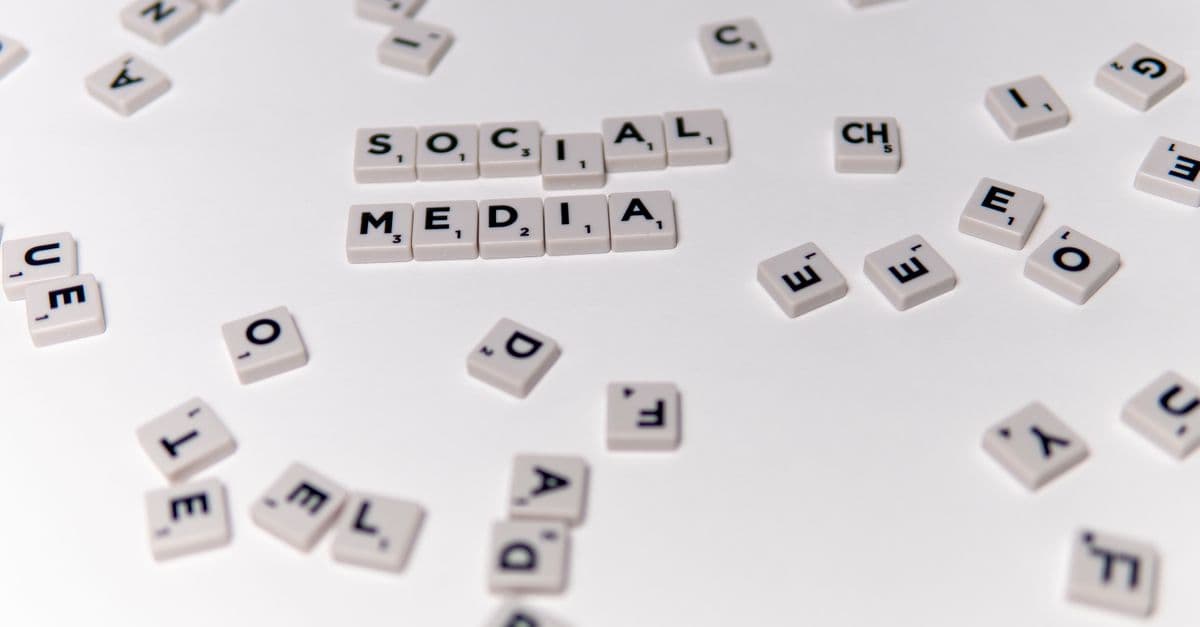
Social media platforms lean on variable rewards, cue-triggered dopamine wanting, and social comparison. Here is what the research shows, and where it falls short.

The strongest pull in gaming often isn't the loot or the level-up — it's the guild that's counting on you, the friend list you don't want to disappoint, and the identity you've built inside a community that logs on when you do.

Dopamine is not the 'pleasure chemical' — it's the anticipation chemical, and that distinction changes everything about how motivation works.

Video games are engineered to keep you playing. The reward loops, progress systems, and social mechanics in modern games aren't accidents — they're the result of decades of research into human motivation psychology. Understanding them changes how you play.