science
133 articles tagged with #science

Science
Why Do We See Our Breath When It's Cold? The Science
Exhaled air is warm and close to saturated with water vapor. When it mixes into cold air, the mixture cannot hold all of that vapor, and a small cloud of liquid droplets appears.
Science
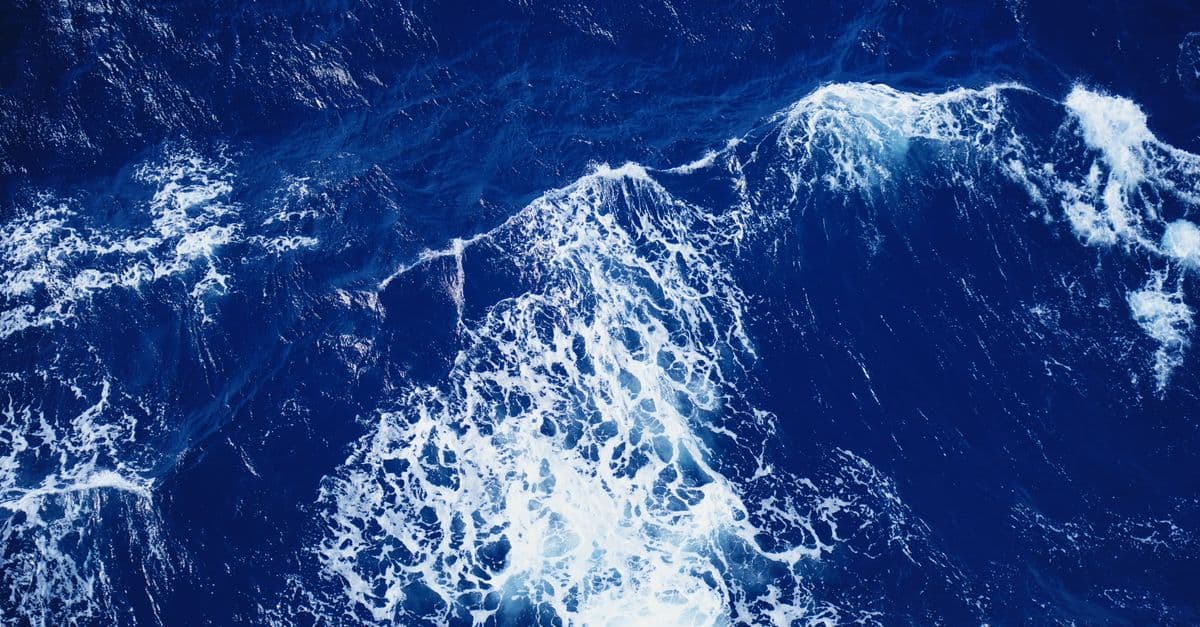
Why Is the Ocean Salty? The Science of Sea Salt
Ocean water is salty primarily because rain and rivers slowly weather rocks on land, dissolving ions like sodium and chloride and carrying them to the sea. When seawater evaporates, water leaves but salts remain and accumulate over geological time. Hydrothermal vents and volcanic activity add dissolved minerals. The ocean sits near steady state, with salt being removed about as fast as it arrives.
Art
Why Colors Fade: The Chemistry of Pigments, Light, and Conservation
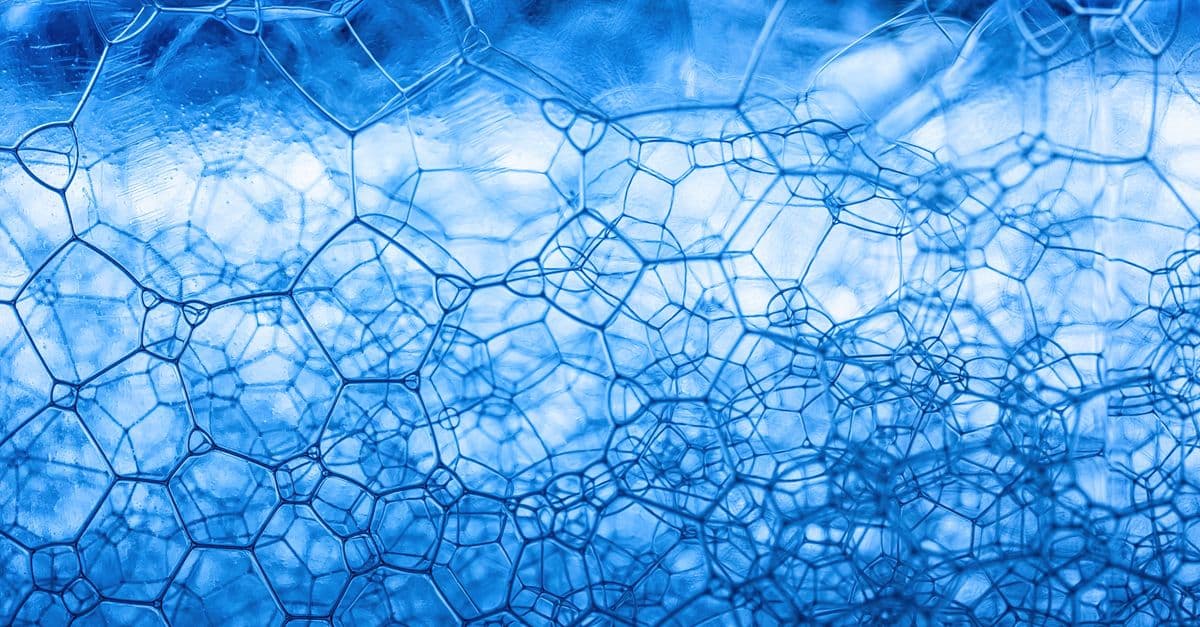
Van Gogh's sunflowers are turning brown. The culprit is not age but a photochemical reaction where ultraviolet light breaks chemical bonds, converting bright chrome yellow to invisible green—a process happening to artworks worldwide.

Blog
10 Books That Change How You Think: Mind-Expanding Nonfiction That Rewires Your Perspective
Ten carefully selected nonfiction books that fundamentally alter how you understand the world: from cognitive biases to the nature of human cooperation, evolutionary biology to economic history. Each book challenges a common assumption and equips you with frameworks that apply across domains. These are not self-help books; they are research-grounded explorations of human behavior, decision-making, and society.

Blog
The Complete Guide to Speed Reading: What Science Says About Reading Faster and What Actually Works
Speed reading is often promoted as a way to consume books and articles in minutes instead of hours. The science, however, is clear: you cannot read faster without losing comprehension. This article examines what cognitive research reveals about the limits of reading speed, which techniques have evidence support, and which speed-reading claims are pure marketing. Most speed-reading methods fail or trade comprehension for speed. What actually works: identifying the purpose of your reading, skimming for structure before deep reading, and eliminating actual time-wasting habits.

Blog
The Science of Habit Formation: How Long It Really Takes to Build a Habit
The popular claim that habits take 21 days to form is a myth. The actual scientific finding, from Lally et al.'s longitudinal study, is that the average habit takes 66 days to become automatic, with substantial variation depending on the complexity of the habit and the individual. Simple habits (drinking water at a specific time) establish in weeks; complex habits (exercising regularly) take months. This article explains the mechanism of habit formation (cue, routine, reward), the difference between conscious habit and automaticity, why motivation fails, and identity-based habits (changing who you are rather than what you do).

Blog
The Best Science Podcasts of 2026: Ranked by a Nerd
Science podcasts have matured from amateur bedroom productions to professionally produced programs with fact-checkers, scientific advisors, and international distribution. This guide ranks 12 of the best science podcasts across five domains — cosmology and physics, biology and medicine, technology and AI, history and culture, and storytelling — based on audio quality, scientific accuracy, pacing, and accessibility to non-experts. Whether you are driving, exercising, or cooking, these programs offer genuinely useful science education without the oversimplification that plagues popular science.
Science
CRISPR 3.0: The Gene-Editing Revolution That's Quietly Changing Medicine
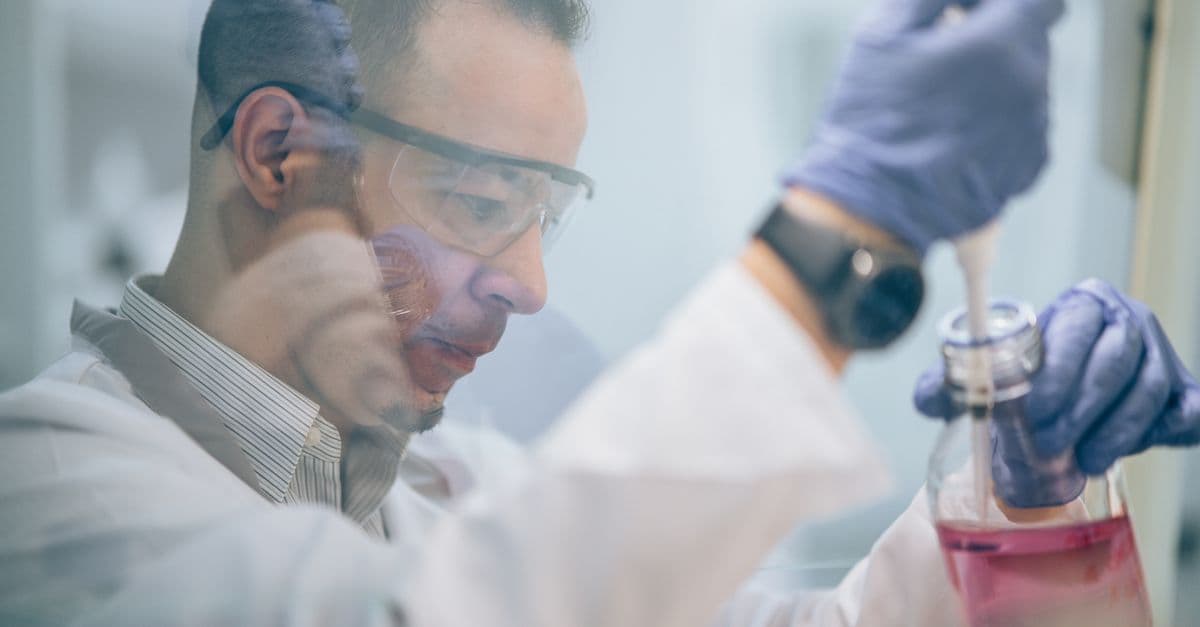
In December 2023, the FDA approved Casgevy — the first CRISPR-based therapy for a human disease. It works in a single treatment session: a patient's stem cells are removed, their DNA edited, and the corrected cells returned. The results in sickle cell disease trials were striking. But Casgevy uses first-generation CRISPR, which cuts DNA like scissors. A newer class of tools — base editing and prime editing — can rewrite individual letters of the genetic code without cutting the double helix at all, dramatically reducing the risk of unintended edits. Clinical trials of these next-generation systems began in 2024. The field is not waiting for the conversation to catch up.
Science
Deep Ocean Mysteries: What We Still Don't Know About Earth's Last Frontier
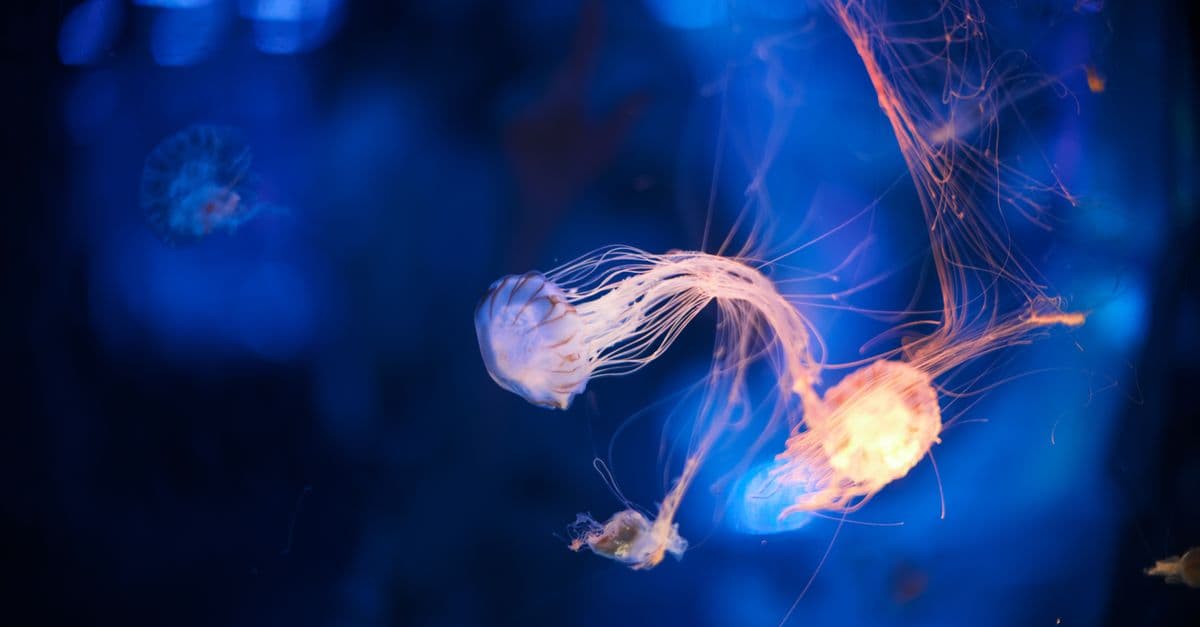
More than 80 percent of the ocean floor remains unmapped at high resolution. Below 6,000 meters lies the hadal zone — a world of crushing pressure, strange chemistry, and organisms that have never seen sunlight. Hydrothermal vents support entire ecosystems without photosynthesis. Bioluminescent creatures illuminate the midnight zone with cold blue fire. Scientists estimate we have catalogued fewer species from the deep sea than from the surface of Mars. The abyss is not empty. It is full of answers to questions we have barely learned to ask.
Page 1 of 12Next →