Deep Ocean Mysteries: What We Still Don't Know About Earth's Last Frontier
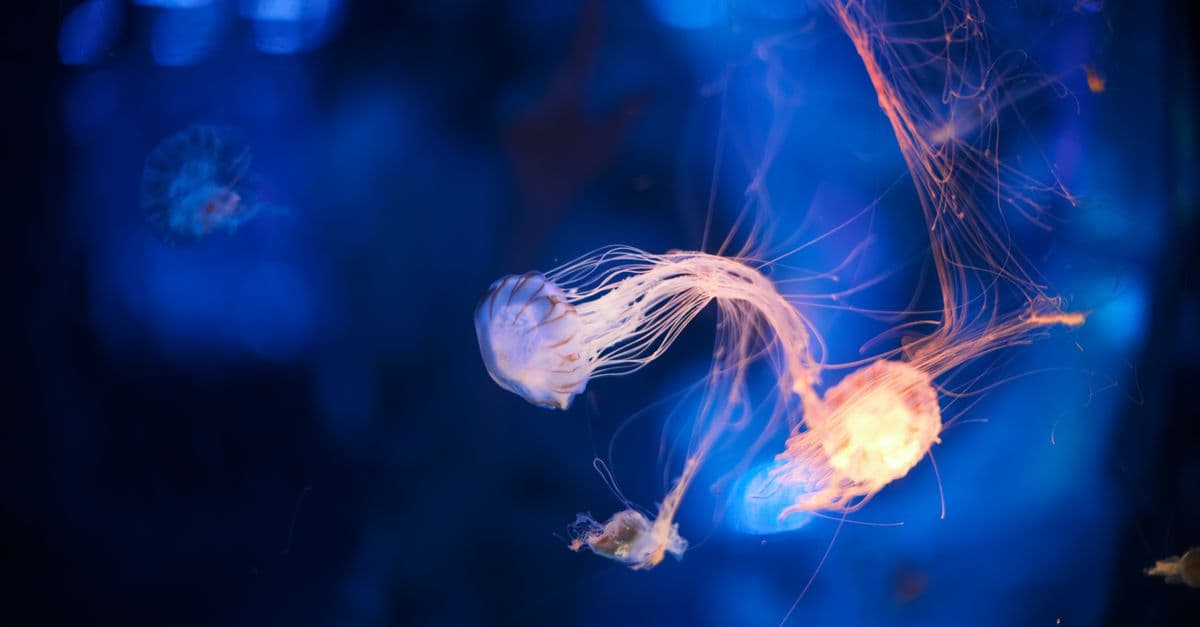
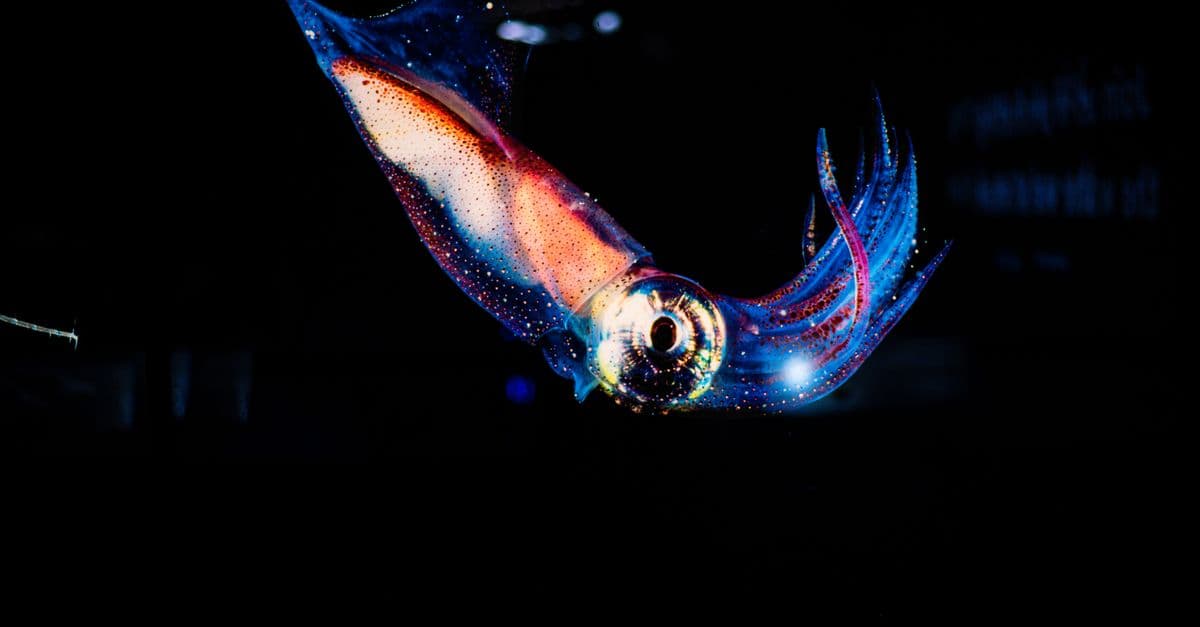
Photo: TBD Tuyên / Pexels
The deepest point on Earth's surface sits 10,935 meters (35,876 feet) below sea level in the Challenger Deep, a small depression at the southern end of the Mariana Trench in the western Pacific. Only a few dozen people have ever descended to that depth — fewer than have walked on the Moon. Yet the Challenger Deep is not exceptional: the hadal zone, which begins at 6,000 meters depth, encompasses dozens of trenches distributed across every ocean basin. Their total area is roughly equivalent to the Australian continent. Most of it has never been directly observed. What lives there, what processes shape it, and what it means for the rest of the planet are questions science has only recently developed the tools to begin answering.
How Deep Is "Deep"? The Ocean's Layered Architecture
The ocean is conventionally divided into five depth zones, each defined by the light that penetrates it and the pressure and temperature its inhabitants must tolerate.
| Zone | Depth range | Light | Key characteristic |
|---|---|---|---|
| Epipelagic (sunlight) | 0–200 m | Full | Photosynthesis possible; most commercial fisheries |
| Mesopelagic (twilight) | 200–1,000 m | Fading | Diel vertical migration; oxygen minimum zones |
| Bathypelagic (midnight) | 1,000–4,000 m | None | Permanent darkness; bioluminescence common |
| Abyssopelagic (abyssal) | 4,000–6,000 m | None | Near-freezing temperatures; vast flat plains |
| Hadalpelagic (hadal) | 6,000–11,000 m | None | Extreme pressure; found only in trenches |
The hadal zone is named after Hades, the Greek underworld — an appropriate label for a region that accounts for the deepest 45 percent of the ocean's depth range while covering less than 1 percent of its surface area. What makes it scientifically extraordinary is not its size but its isolation: hadal trenches function like test tubes, concentrating sediment, organic carbon, and evolutionary pressure into narrow strips of extreme environment.
Pressure in the hadal zone is the most immediately striking physical constraint. At the bottom of the Challenger Deep, the water column above exerts 1,086 bar (15,750 psi) — approximately 1,072 times standard atmospheric pressure at sea level. A human body placed there, unprotected, would be compressed to a fraction of its normal volume in milliseconds. Yet organisms not only survive at these pressures but have adapted to require them: hadal amphipods (small crustaceans resembling shrimp) brought to the surface die because the pressure reduction is as lethal as the increase would be for a surface animal.
Source: Jamieson, A.J. (2015), The Hadal Zone: Life in the Deepest Oceans, Cambridge University Press — the primary scientific monograph on hadal ecology, pressure adaptations, and trench biogeography.
The Midnight Zone: Permanent Darkness and the Light That Lives There
Below 200 meters, no sunlight penetrates. The ocean from 1,000 meters to the bottom is in complete, permanent darkness — or would be, if the organisms living there did not generate their own.
Bioluminescence — the production of light by a living organism through a chemical reaction — is not a curiosity of the deep sea. It is the dominant mode of communication in it. A landmark study led by Steven Haddock at the Monterey Bay Aquarium Research Institute (MBARI), published in Scientific Reports in 2020, analyzed 350,000 observations of marine animals and found that approximately 76 percent of all ocean organisms produce bioluminescence. This makes it, by raw count, the most common form of communication on Earth.
The chemistry underlying bioluminescence typically involves a molecule called luciferin — a light-emitting compound that reacts with oxygen, catalyzed by an enzyme called luciferase. The reaction produces photons without generating significant heat — so-called "cold light" — which makes it metabolically efficient. Different organisms use different luciferin-luciferase pairs, and in many cases the chemistry is entirely unrelated between lineages, meaning bioluminescence evolved independently at least 40 times in marine animals alone.
Think of the deep ocean as a perpetual city at night, where every building, car, and streetlight is biological. The lights serve different purposes: anglerfish use a glowing lure dangled in front of their mouths to attract prey in the dark. Firefly squid (Watasenia scintillans) produce flashes that may disrupt the silhouettes visible to predators below. The dinoflagellate Noctiluca scintillans bioluminesces when mechanically disturbed — waves or the bow wake of a ship can trigger a ghostly blue glow across acres of ocean surface.
Source: Haddock, S.H.D. et al. (2020), "Bioluminescence as an ecological factor during the dominance of diel vertical migration," Scientific Reports, MBARI — analysis of 350,000 observations establishing bioluminescence in 76 percent of ocean organisms.
Hydrothermal Vents: Ecosystems Without Sunlight
Until 1977, biologists assumed that all ecosystems on Earth ultimately depended on photosynthesis. Sunlight drove plant growth, which supported herbivores, which supported predators — the familiar food chain. That assumption was shattered in February 1977 when scientists aboard the research vessel Knorr, using a submersible called Alvin, descended to the Galápagos Rift at 2,500 meters depth and discovered superheated water venting from cracks in the ocean floor, surrounded by an ecosystem unlike anything previously documented.
The vents — later called hydrothermal vents — form where seawater percolates through cracks in the ocean floor, is heated by magma to temperatures between 60°C and 400°C (140°F to 752°F), dissolves minerals from the surrounding rock, and is then expelled back into the ocean. The hot, mineral-rich fluid meets the cold, oxygenated deep water, precipitating minerals that form the characteristic chimneys. "Black smokers" expel iron and sulfide-rich fluid that looks like black smoke. "White smokers" expel lighter fluids with different mineral compositions.
The organisms that build their lives around hydrothermal vents — tube worms (Riftia pachyptila) up to 2 meters long, dense mats of chemosynthetic bacteria, blind shrimp, ghostly white crabs — do not eat food that was made with sunlight. Instead, they depend on chemosynthesis: bacteria oxidize hydrogen sulfide (H₂S) from the vent fluid to generate energy, fixing carbon dioxide into organic compounds in the same way plants use sunlight to fix CO₂. The entire food web runs on chemical energy from the Earth's interior.
Like a city powered by geothermal heat instead of solar panels, vent ecosystems are completely energy-independent from the sun. This has profound implications for astrobiology: if complex ecosystems can exist without sunlight on Earth, similar ecosystems could exist in the subsurface oceans of Europa (Jupiter's moon) or Enceladus (Saturn's moon), where liquid water contacts warm rock in permanent darkness.
Source: Corliss, J.B. et al. (1979), "Submarine thermal springs on the Galápagos Rift," Science, Vol. 203 — the original description of hydrothermal vent ecosystems, the first evidence of chemosynthesis-based food webs.
Source: Van Dover, C.L. (2000), The Ecology of Deep-Sea Hydrothermal Vents, Princeton University Press — comprehensive treatment of vent biology, chemistry, and ecological structure.
The Hadal Zone: What Survives Under 1,000 Atmospheres
The creatures of the hadal zone are not simply "deep-sea fish that went deeper." They have adapted at the molecular level to an environment where the physical forces acting on biological molecules are profoundly different from those at the surface.
One key adaptation concerns a molecule called trimethylamine oxide (TMAO). At depth, pressure compresses proteins, distorting their three-dimensional shape and preventing them from folding correctly — a process that would shut down metabolism. TMAO counteracts this compression by stabilizing protein structure. Hadal fish accumulate TMAO in concentrations proportional to the depth at which they live: the deeper the fish, the more TMAO in its tissues. This relationship is so consistent that researchers can estimate a fish's maximum depth from its TMAO concentration.
The snailfish (family Liparidae) currently holds the record for the deepest confirmed fish observation. A snailfish species was filmed at 8,336 meters depth in the Izu-Ogasawara Trench in 2023 — surpassing the previous record of 8,178 meters set in the Mariana Trench. Snailfish are gelatinous, semi-transparent, and look almost fragile, yet they are the apex predators of the hadal zone, feeding on amphipods and small invertebrates.
Hadal amphipods — small crustaceans in the genus Hirondellea — are often the dominant animals in hadal trenches. They aggregate in such extraordinary densities around bait deployments that they have been called the "hadal vacuum cleaners." A single bait drop to the bottom of the Challenger Deep can attract thousands within hours. Their success comes partly from being scavengers: organic matter — dead fish, whale falls, fecal pellets — sinks from the surface and concentrates in the V-shaped geometry of trenches, making trenches surprisingly food-rich despite their distance from the productive surface ocean.
| Organism | Maximum depth recorded | Adaptation |
|---|---|---|
| Snailfish (Pseudoliparis belyaevi) | 8,336 m (Izu-Ogasawara, 2023) | High TMAO, gelatinous body |
| Hirondellea gigas amphipod | ~11,000 m (Challenger Deep) | TMAO, efficient scavenging |
| Foraminifera (single-celled) | ~11,000 m | Silica or calcite shells |
| Xenophyophores | ~10,641 m | Giant single cells, up to 20 cm |
| Munnopsidae isopods | ~7,000 m | Adapted respiratory enzymes |
Source: Linley, T.D. et al. (2016), "Fishes of the hadal zone including new species, in situ observations and depth records of Liparidae," Deep-Sea Research I, Vol. 114 — systematic survey of hadal fish with depth records and TMAO data.
What We Still Don't Know: The Frontier Questions
The standard statistic — that 80 percent of the ocean has not been mapped — understates the actual knowledge gap. NOAA estimates that approximately 20 percent of the ocean floor has been mapped at a resolution of 1 kilometer or better. At resolutions useful for ecological surveys (100 meters or better), the proportion drops dramatically. The deep ocean floor is, in effect, less known than the surface of the Moon or Mars, both of which have been mapped globally at meter-scale resolution.
Several specific questions remain genuinely open, meaning scientists have hypotheses but no settled answers.
How much microbial biomass exists in deep-sea sediments? A 2018 study in PNAS by Bar-On et al. estimated that approximately 70 billion tonnes of carbon are locked in subsurface marine sediments in microbial form — comparable to the total carbon in all land plants. These microbes live at metabolic rates so slow that some individual cells may be thousands of years old, dividing perhaps once per century. They represent a biosphere largely unknown to science.
How do hadal trenches communicate biologically? Each major trench appears to have a distinct community of species, suggesting significant isolation and independent evolution. Yet some species appear across multiple trenches. Whether this reflects recent dispersal events, shared ancestry, or convergent evolution under identical selective pressures is not yet resolved.
What are the full ecological consequences of deep-sea mining? Several nations and companies are preparing to mine polymetallic nodules from the abyssal plains at 4,000–6,000 meters depth. These nodules — potato-sized concretions of manganese, nickel, copper, and cobalt — grow at rates of millimeters per million years. The organisms living on and around them (sponges, anemones, polychaete worms) are adapted to conditions of near-complete physical stability that have persisted for millions of years. The ecological consequences of disrupting these communities are not yet understood.
Source: Bar-On, Y.M. et al. (2018), "The biomass distribution on Earth," PNAS, Vol. 115 — global census of carbon in all life forms, including estimates of subsurface marine microbial biomass.
Source: NOAA Ocean Exploration (2024), "Ocean Exploration Facts" — NOAA's official estimate that approximately 20 percent of the global ocean floor has been mapped at 1 km resolution or better.
The Octopus Garden and Recent Discoveries
The deep ocean continues to produce genuinely surprising discoveries even in heavily studied regions. In 2023, scientists at MBARI published observations of an "octopus garden" at 10,500 feet (3,200 m) depth near Davidson Seamount off the California coast — an aggregation of approximately 6,000 pearl octopuses (Muusoctopus robustus) clustering around warm water seeping from the seafloor to brood their eggs.
The discovery was significant for several reasons. Octopuses are generally solitary, making mass aggregations unusual. The warm water from the hydrothermal seeps appeared to accelerate egg development from an estimated 5.5 years (at typical deep-sea temperatures) to approximately 1.8 years — a huge reproductive advantage. The behavior reveals that deep-sea organisms actively seek and exploit geothermal features for biological purposes beyond feeding.
In 2024, a joint expedition to the Nazca Ridge off Peru documented more than 100 new species in a single survey cruise, including new corals, sea cucumbers, and sponges. The find underscores the basic truth of deep-sea biology: systematic surveys consistently find species that have no prior scientific description, at rates that suggest tens of thousands of species remain undocumented.
Source: Zultimabio, J.P.A. et al. (2023), "A remarkable discovery: thousands of octopuses brooding at a hydrothermal vent site," Deep-Sea Research I — the primary description of the Davidson Seamount octopus garden.
Why the Deep Ocean Matters to the Surface World
The deep ocean is not isolated from the rest of the planet. It participates in processes that regulate the chemistry and climate of the entire Earth system.
The biological pump — the process by which carbon fixed by surface phytoplankton sinks as dead cells and fecal material into the deep ocean — sequesters approximately 5–12 billion tonnes of carbon per year. Without this pump, atmospheric CO₂ would be substantially higher. Deep-ocean circulation, which carries water from the surface to the abyss over centuries-long timescales, distributes oxygen and nutrients globally. Disrupting either system — through warming, acidification, or direct physical disturbance — carries consequences that propagate across ocean basins.
Deep-sea organisms have also proven to be a source of biochemically novel compounds. The heat-stable DNA polymerase enzyme Taq polymerase, derived from the bacterium Thermus aquaticus found near hydrothermal vents, enabled the polymerase chain reaction (PCR) that underpins modern molecular biology, including the COVID-19 diagnostic tests that processed billions of samples in 2020–2022. The anticoagulant ziconotide (Prialt), derived from cone snail venom, is used to treat severe chronic pain. The deep ocean has provided medically significant compounds before scientists have finished cataloguing what lives there.
Recognizing the importance of deep-sea ecosystems, the United Nations adopted the High Seas Treaty in 2023, creating a legal framework for protecting marine biodiversity in international waters — including, for the first time, meaningful regulation of activities that affect the deep ocean. The treaty requires environmental impact assessments before extractive activities in areas beyond national jurisdiction and establishes a framework for marine protected areas on the high seas.
Source: Chyba, C.F. & Hand, K.P. (2001), "Life Without Photosynthesis," Science, Vol. 292 — the canonical paper connecting deep-sea chemosynthetic ecosystems to the possibility of life on Europa and other icy moons.
Source: United Nations (2023), Agreement under the United Nations Convention on the Law of the Sea on the conservation and sustainable use of marine biological diversity of areas beyond national jurisdiction (BBNJ Agreement) — the international legal framework for high-seas protection.
The Case for More Exploration
The Challenger Deep was first sounded in 1875 by HMS Challenger during the first global oceanographic expedition. It took 85 more years before the first humans descended to it (Jacques Piccard and Don Walsh, in 1960, aboard the bathyscaphe Trieste). For the next 52 years, the only other human visitor was director James Cameron, who made a solo dive in 2012. Multiple commercial and scientific submersibles have made repeated descents since then, but the total number of visits remains in the dozens.
Compare that with the number of geological field expeditions to any major mountain range, the number of aircraft flyovers of any continent, or the number of satellite passes over any region of land surface. The data gap is not a failure of scientific interest. It is a consequence of cost: a single research cruise with a capable remotely operated vehicle costs several million dollars per day at sea, and submersibles capable of reaching the deepest trenches are among the most expensive pieces of scientific equipment on Earth.
This cost structure is changing. Autonomous underwater vehicles (AUVs) are becoming smaller, cheaper, and more capable. MBARI's Benthic Underwater Microscope (BUM) and similar instruments can be deployed on landers — uncrewed platforms dropped to the seafloor and later retrieved — at a fraction of the cost of crewed operations. High-resolution sonar technology is producing seafloor maps at scales that were impossible ten years ago. The gap between what the deep ocean contains and what we know it contains is narrowing, but slowly.
The deep ocean remains the largest and least known habitat on Earth. It contains creatures that photosynthesize without light, preserve biological molecules unchanged for geological timescales, and sustain food webs that are entirely independent of the sun. For a planet named Earth, it is a curious blind spot.
Frequently Asked Questions
Q: How much of the ocean has actually been explored?
A: Approximately 20 percent of the ocean floor has been mapped at 1 kilometer resolution or better, according to NOAA. High-resolution mapping useful for biological surveys covers a much smaller fraction. In terms of direct biological observation — actually seeing what lives where — the proportion is a small fraction of a percent.
Q: What is the deepest known point in the ocean?
A: The Challenger Deep, in the southern Mariana Trench in the western Pacific Ocean, is the deepest confirmed point at approximately 10,935 meters (35,876 feet) below sea level, based on a 2021 multibeam sonar survey.
Q: Can anything survive at the very bottom of the ocean?
A: Yes. The Challenger Deep hosts amphipods, foraminifera, xenophyophores (giant single-celled organisms up to 20 cm across), and microbial communities. Nothing with bones has been confirmed at the very deepest point, but TMAO-adapted invertebrates appear to be present throughout the hadal zone.
Q: Why do deep-sea fish produce their own light?
A: Bioluminescence serves multiple functions: attracting prey (as in anglerfish), communication between individuals of the same species, counter-illumination camouflage (producing downward light to match faint surface light visible from below), and startling or confusing predators. Around 76 percent of all ocean organisms produce bioluminescence in some form.
Q: What is chemosynthesis and how is it different from photosynthesis?
A: Photosynthesis uses sunlight as the energy source to convert carbon dioxide into organic compounds. Chemosynthesis uses the chemical energy released by oxidizing inorganic compounds (typically hydrogen sulfide near hydrothermal vents) to do the same thing. Both produce organic carbon from CO₂; only the energy source differs. Chemosynthetic ecosystems operate entirely without sunlight.
Q: Why does deep-sea exploration matter for medicine?
A: Deep-sea organisms live under conditions that produce biochemically unique compounds. Taq polymerase from vent bacteria enabled PCR, which is now fundamental to medical diagnostics, forensics, and research. Cone snail venom from deep-water species yielded ziconotide, a potent painkiller. Given how little of the deep ocean has been sampled, the potential for further pharmaceutical discoveries is considered significant.
Read next:
Follow new articles
Add SciHub101 to your feed reader to see new science and technology stories.
About the Author
SciHub101 is an independent science and technology publication founded and edited by Buğra Sözeri, a software engineer and app developer based in Türkiye. AI tools assist with drafting and research. Source documentation in the existing archive is uneven, and articles are being reviewed and corrected. The Editorial Team byline identifies editorial responsibility; it does not certify specialist or independent human review. Where we compare products, anything built by our own team is labelled as such — see the editorial guidelines and About page for how corrections and disclosures work.
Related Articles

How Taste and Smell Work: The Neuroscience of Flavor
When you bite into a strawberry and experience something that feels like one unified sensation, you are experiencing the product of two entirely separate sensory systems — taste and smell — being fused by your brain into something that does not exist in the physical world. Flavor is a construction. The tongue detects five (or possibly six) basic chemical categories. The nose distinguishes potentially a trillion different molecules. Without the nose, the strawberry tastes like sweetened water. The neuroscience of how these signals combine reveals why eating is a fundamentally cognitive act.

CRISPR 3.0: The Gene-Editing Revolution That's Quietly Changing Medicine
In December 2023, the FDA approved Casgevy — the first CRISPR-based therapy for a human disease. It works in a single treatment session: a patient's stem cells are removed, their DNA edited, and the corrected cells returned. The results in sickle cell disease trials were striking. But Casgevy uses first-generation CRISPR, which cuts DNA like scissors. A newer class of tools — base editing and prime editing — can rewrite individual letters of the genetic code without cutting the double helix at all, dramatically reducing the risk of unintended edits. Clinical trials of these next-generation systems began in 2024. The field is not waiting for the conversation to catch up.
Deep-Sea Creatures and Bioluminescence: Life in the Dark Ocean
Below 200 meters, there is no sunlight — yet roughly 76% of deep-sea animals produce their own light. The deep ocean is full of living lanterns.
Ocean Science: How Oceans Work Explained
How do oceans work? Explore ocean zones, thermohaline circulation, acidification, deep-sea vents, and why oceans regulate Earth's climate.
How Bioluminescence Works in Animals: The Chemistry of Living Light
More than 76% of deep-sea animals produce their own light. Fireflies flash in coordinated sequences. A jellyfish discovered off the coast of Friday Harbor, Washington, gave biologists a tool that transformed cell biology, earned three scientists a Nobel Prize, and now glows inside cancer cells in laboratories around the world. Bioluminescence — light produced by a living organism — is one of evolution's most useful accidents, and its chemistry is surprisingly simple.