marine-biology
12 articles tagged with #marine-biology

Science
Deep Ocean Mysteries: What We Still Don't Know About Earth's Last Frontier
More than 80 percent of the ocean floor remains unmapped at high resolution. Below 6,000 meters lies the hadal zone — a world of crushing pressure, strange chemistry, and organisms that have never seen sunlight. Hydrothermal vents support entire ecosystems without photosynthesis. Bioluminescent creatures illuminate the midnight zone with cold blue fire. Scientists estimate we have catalogued fewer species from the deep sea than from the surface of Mars. The abyss is not empty. It is full of answers to questions we have barely learned to ask.
Animals
The Longest-Living Animals Explained: Biology of Extreme Longevity
A Greenland shark alive today may have been born before the Thirty Years' War ended in 1648. An ocean quahog clam called Ming was 507 years old when researchers accidentally killed it by opening its shell. A bowhead whale carries harpoon fragments from weapons manufactured in the 1800s, embedded in its blubber for over a century. Extreme longevity in animals is not accidental — it is the product of specific biological mechanisms that researchers are now mapping in molecular detail.
Animals
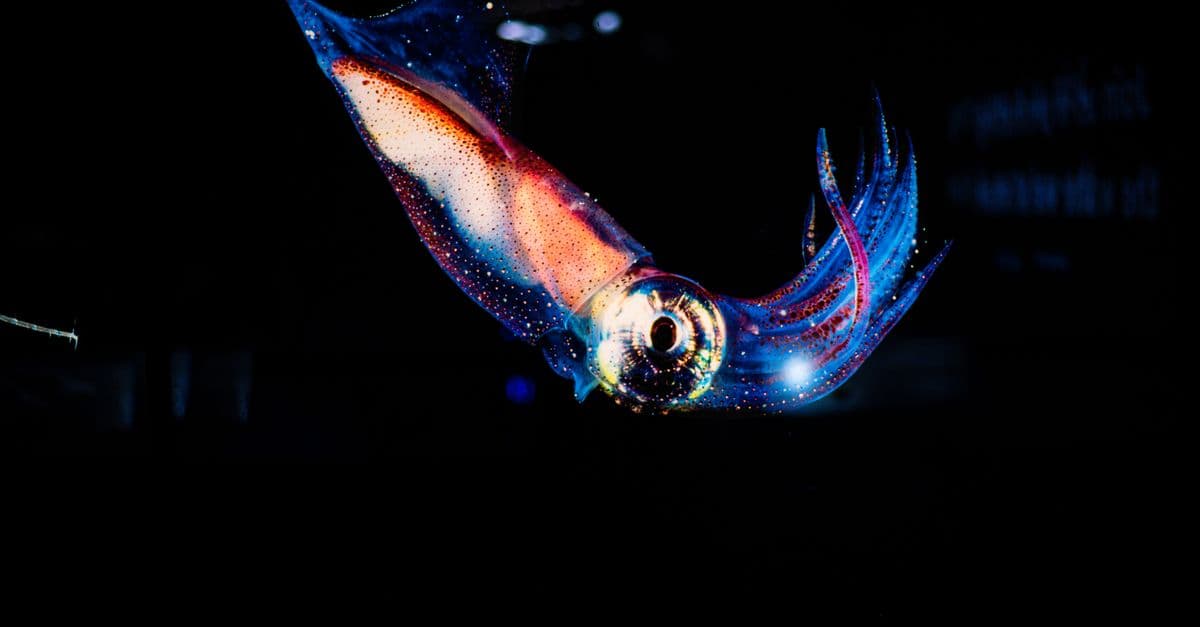
How Bioluminescence Works in Animals: The Chemistry of Living Light
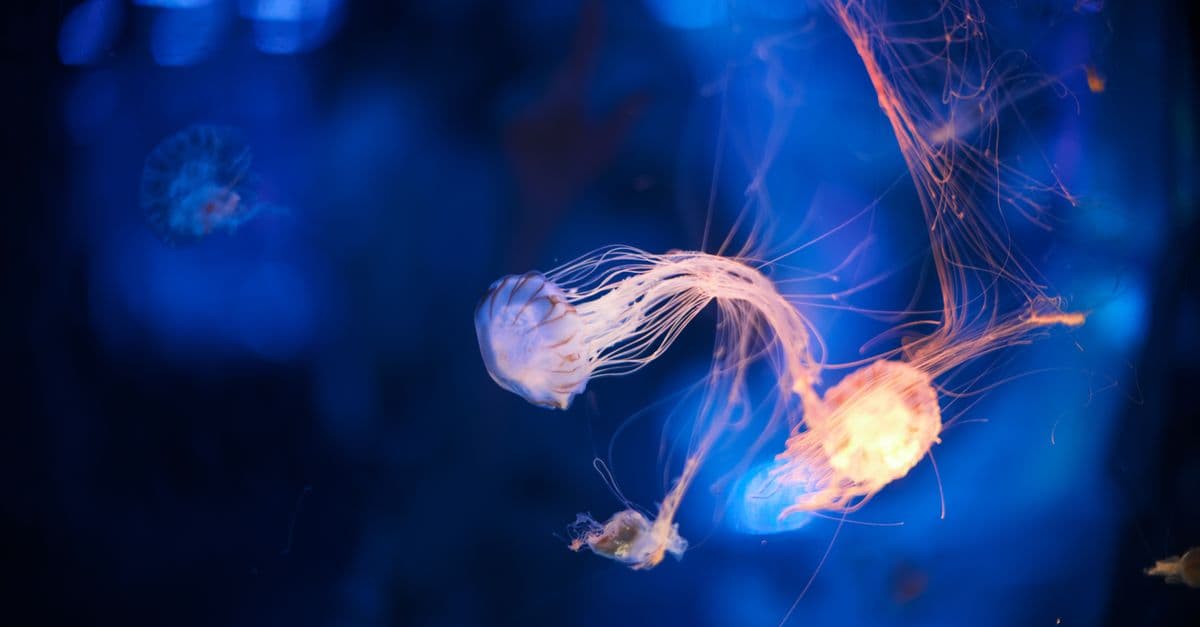
More than 76% of deep-sea animals produce their own light. Fireflies flash in coordinated sequences. A jellyfish discovered off the coast of Friday Harbor, Washington, gave biologists a tool that transformed cell biology, earned three scientists a Nobel Prize, and now glows inside cancer cells in laboratories around the world. Bioluminescence — light produced by a living organism — is one of evolution's most useful accidents, and its chemistry is surprisingly simple.
Animals
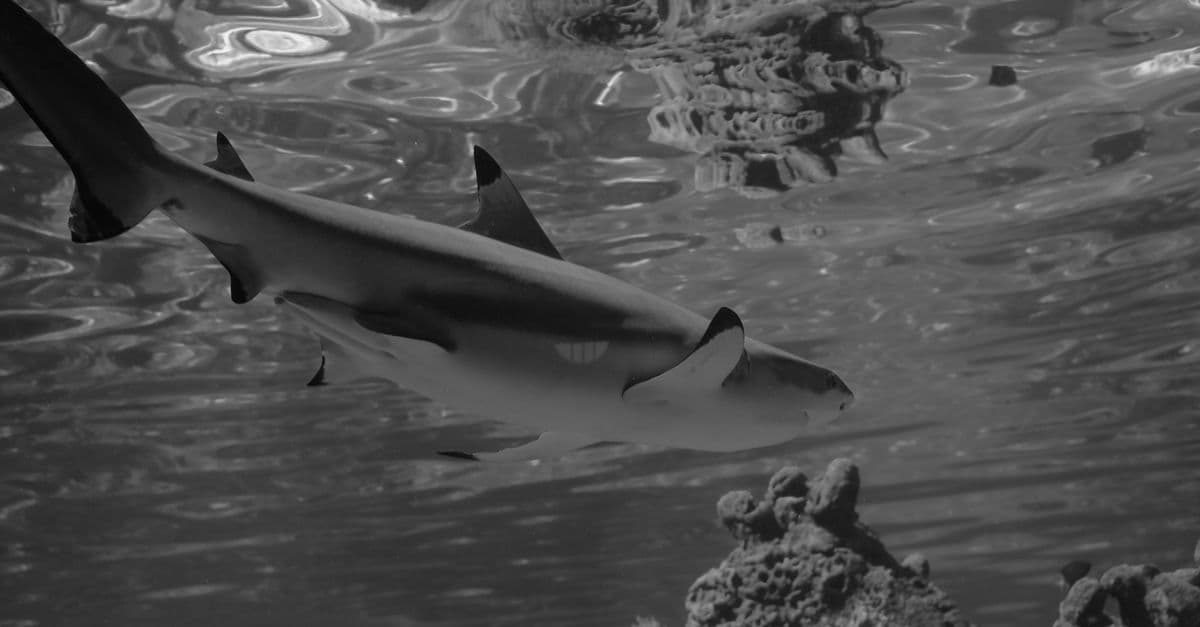
How Sharks Sense the World: Electroreception, Smell, and the Lateral Line
Sharks read faint electric fields, track scent plumes one nostril at a time, and feel water motion along their flanks. Some popular claims about those senses, from the mile-away drop of blood to the all-seeing predator, do not survive the data.
Science
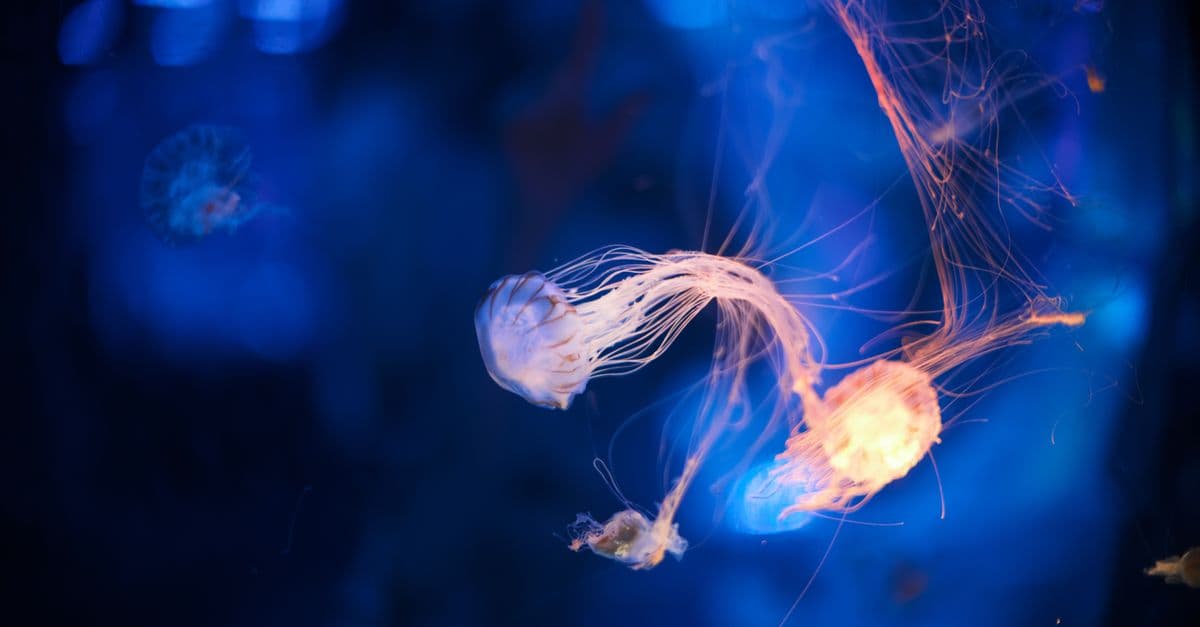
Ocean Science: How Oceans Work Explained
How oceans work: depth zones, the conveyor-belt circulation, acidification, hydrothermal vents, tides, and plastics, with figures from NOAA and the IPCC.
Biology & Health
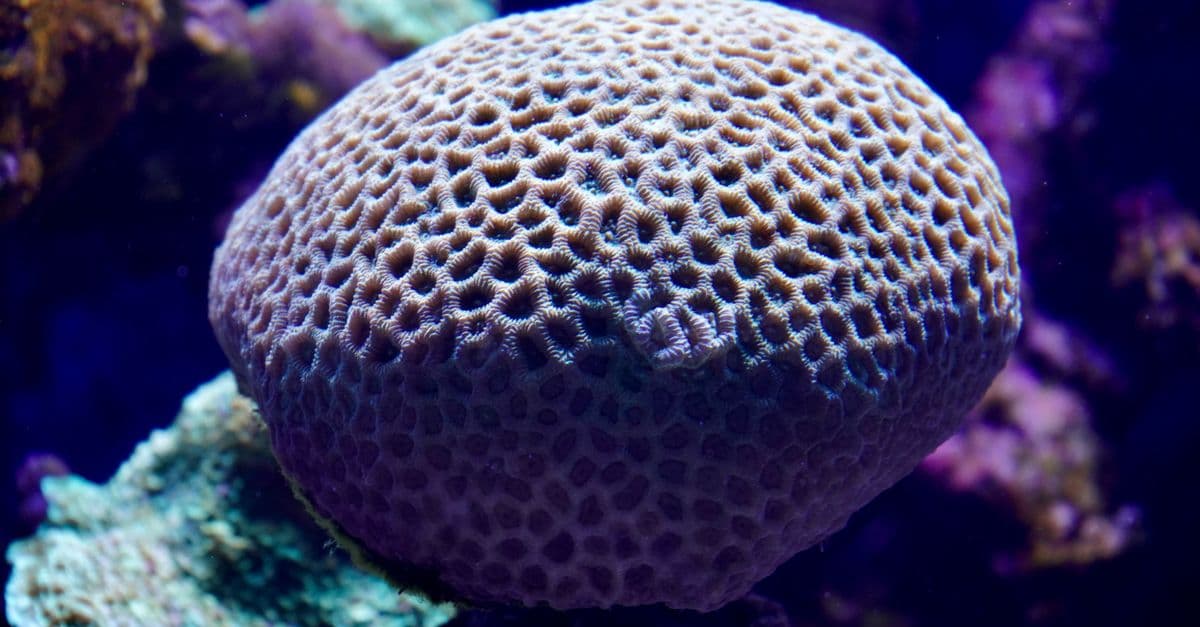
Coral Reefs Explained — Rainforests of the Sea
How coral animals build reefs, their algae symbiosis, why bleaching happens, and what conservation can still save. Learn the science, key examples, and...
Sustainability
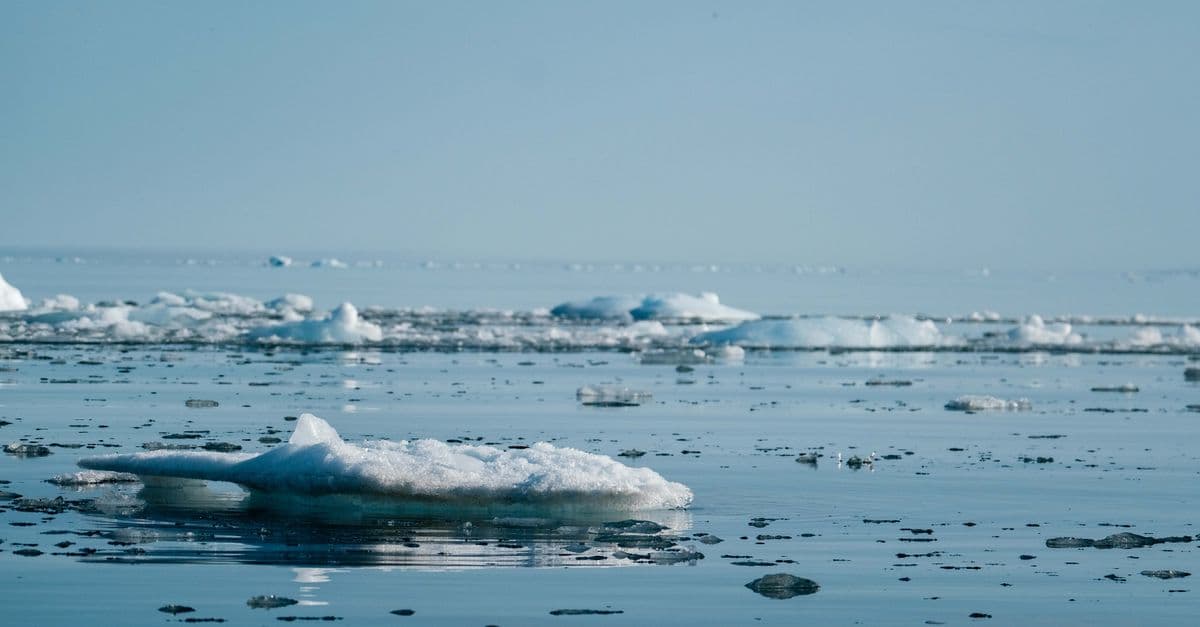
Ocean Acidification Explained: What Lower pH Changes
Ocean acidification changes seawater chemistry as carbon dioxide dissolves. Learn what pH means, how shells are affected, and why local conditions matter.
Biology & Health
Deep-Sea Creatures and Bioluminescence: Life in the Dark Ocean
Below 200 meters, there is no sunlight — yet roughly 76% of deep-sea animals produce their own light. The deep ocean is full of living lanterns.
Sustainability
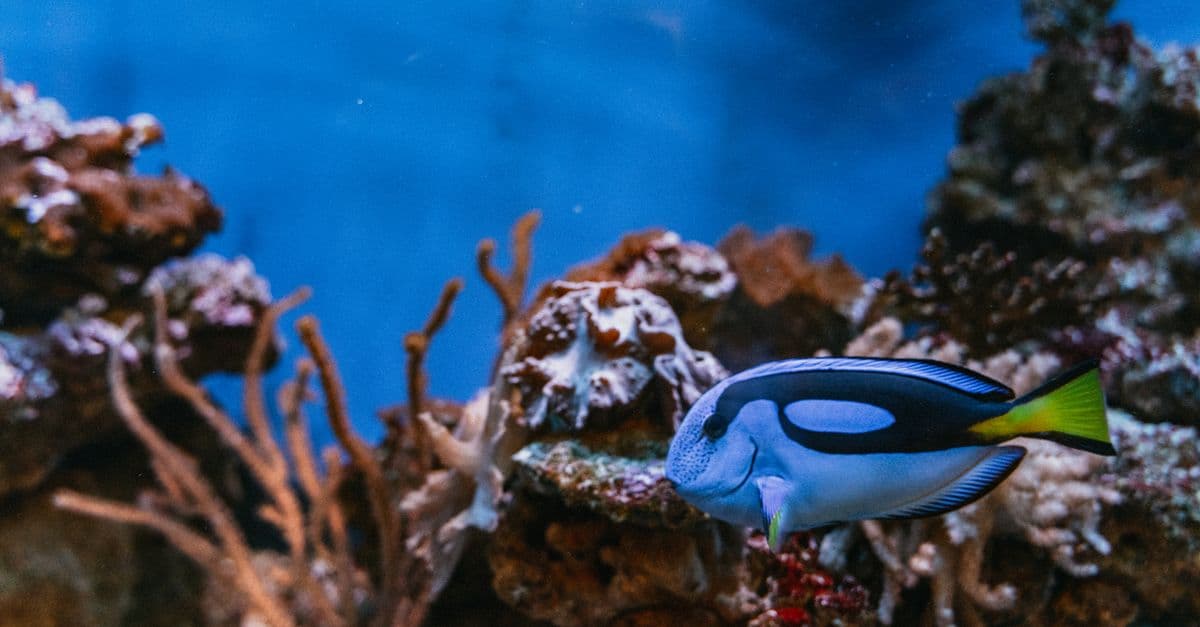
Countries with the Most Coral Reefs (2025 Ranked)
Australia's Great Barrier Reef is the world's largest coral structure at 348,000 km². Indonesia has the most coral biodiversity. But 50% of the world's coral reefs have died since 1950 — bleaching events driven by ocean warming are accelerating. Here's the full coral reef ranking and the scale of the crisis.