The Longest-Living Animals Explained: Biology of Extreme Longevity
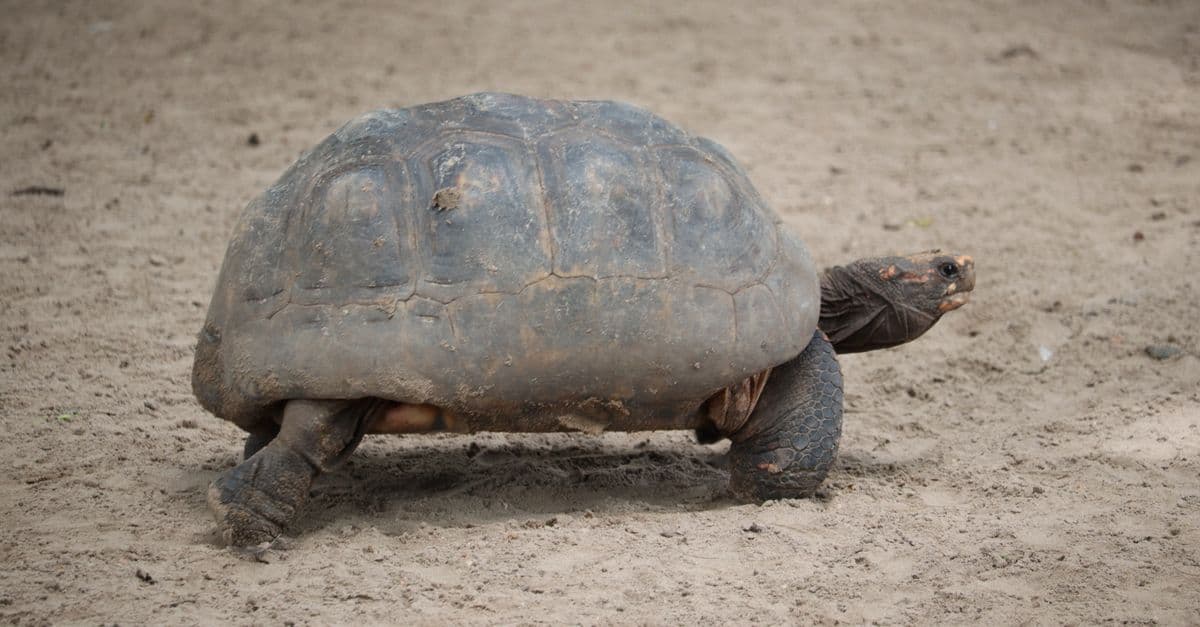
Photo: fabianoshow4 / Pexels
A Greenland shark (Somniosus microcephalus) alive in the waters off Greenland today may have been born before the Thirty Years' War ended. Researchers using radiocarbon dating of eye lens proteins — which incorporate carbon from the year of birth and are never replaced — estimated one individual at 392 ± 120 years, making it potentially the oldest living vertebrate on Earth. These are not outliers produced by lucky escapes from predation. Long-lived species share specific biological features — slow metabolism, exceptional DNA repair, cancer resistance, and in one case, a cellular trick that may allow indefinite survival — that researchers are now studying as windows into the biology of aging itself.
Why Animals Age at All
Before asking how some animals avoid aging, it helps to understand what aging is. Senescence — the biological process of progressive functional decline with age — is not simply wear and tear. It is, in part, a product of natural selection: the force of selection against harmful mutations declines after reproductive age, because genes that cause problems only in old age are invisible to selection pressure in populations where most individuals die young from predation or starvation. This is the mutation accumulation theory of aging, and it predicts that in safe environments — where extrinsic mortality is low — natural selection will favor organisms that age slowly.
Long-lived animals tend to occupy ecological niches with low extrinsic mortality: deep-sea environments with few predators, heavily armored bodies (tortoise shells), or extreme cold (Arctic and deep-ocean species where metabolic chemistry slows). This is not coincidence. The ecological safety from predation removes the selective pressure for rapid reproduction and allows longevity to evolve.
Telomeres — protective caps on the ends of chromosomes, comparable to the plastic tips on shoelaces, that shorten with each cell division. When telomeres become critically short, cells enter senescence or apoptosis (programmed death).
Oxidative stress — damage to DNA, proteins, and cell membranes caused by reactive oxygen species (ROS), byproducts of normal mitochondrial metabolism. Lower metabolic rates produce fewer ROS and reduce the rate of oxidative damage.
Source: Medawar, P.B. (1952), An Unsolved Problem of Biology, H.K. Lewis — foundational text establishing the mutation accumulation theory of senescence and the evolutionary basis for why organisms age.
Source: Austad, S.N. (1997), "Comparative aging and life histories in mammals," Experimental Gerontology, Vol. 32 — analysis of how ecological factors such as extrinsic mortality predict lifespan across mammalian species.
The Immortal Jellyfish: Biological Reversal of Aging
Turritopsis dohrnii, a small (4–5 mm diameter) hydrozoan jellyfish native to the Mediterranean but now globally distributed, is the only animal known to reverse its life cycle completely and repeatedly.
The life cycle of a typical jellyfish: larva → polyp → medusa (the free-swimming "jellyfish" form) → death. T. dohrnii adds a fourth step: old or stressed medusae can reabsorb their bodies and revert to the polyp stage. From the polyp, they re-develop into medusae again. In laboratory conditions, this process has been induced repeatedly. The cells of the adult medusa transform — through a process called transdifferentiation — into the cell types of the polyp: in effect, a mature cell becomes a cell of a different mature type, bypassing the normal developmental sequence.
Transdifferentiation — the direct conversion of one type of differentiated cell into another without passing through an undifferentiated (stem cell) intermediate state. It is extremely rare in animals and almost entirely absent in vertebrates.
The precise molecular triggers for this reversion remain incompletely understood. Researchers have documented that starvation, mechanical damage, old age, and illness all reliably trigger the reversion in laboratory populations. A 2022 study by Pascual-Torner et al. in PNAS sequenced the T. dohrnii genome and found several gene families related to DNA repair, DNA protection, and stem-cell maintenance that were either more numerous or under stronger positive selection compared to a closely related but non-immortal species (Turritopsis rubra). In particular, genes involved in telomere maintenance were strikingly expanded.
The important qualifier: "immortal" applies to the jellyfish's potential under laboratory conditions. In the wild, T. dohrnii are subject to predation, disease, and physical damage, and most individuals do not survive long enough to trigger reversion. The biological mechanism exists; whether it is commonly used in nature is a separate question.
Source: Pascual-Torner, M. et al. (2022), "Comparative genomics of mortal and immortal cnidarians unveils novel keys behind rejuvenation," Proceedings of the National Academy of Sciences, Vol. 119 — genomic analysis revealing expanded gene families related to DNA repair and telomere maintenance in T. dohrnii compared to mortal relatives.
The Greenland Shark: Four Centuries in Cold Water
The Greenland shark is not an impressive animal in the ways that attract attention. It moves at 1.2 km/h (0.75 mph) on average — too slow to actively chase most prey, so it largely scavenges. It lives in water at -2°C to 7°C (28°F to 45°F). It reaches sexual maturity at approximately 150 years of age.
That last figure, from a 2016 study by Nielsen et al. in Science, is what makes the Greenland shark remarkable. The researchers dated 28 female Greenland sharks using radiocarbon dating of the crystalline proteins in their eye lenses. These proteins form during embryonic development and incorporate radiocarbon from the ocean at the time — essentially a birth certificate written in isotope ratios. The oldest individual in the sample was estimated at 392 years, with a 95% confidence interval of 272–512 years. Even at the lower bound, this makes Greenland sharks the longest-lived vertebrates known.
The biology behind this longevity is closely tied to their environment. Cold slows metabolic chemistry: enzyme reactions proceed more slowly, reactive oxygen species are produced less rapidly, and DNA accumulates damage more slowly. This is the same principle behind refrigerating food to slow bacterial growth, applied to a predatory fish over evolutionary time.
Greenland sharks also have extraordinarily slow growth rates — less than 1 cm (0.4 in) per year in juveniles — and their tissues accumulate trimethylamine oxide (TMAO) at high concentrations. TMAO stabilizes proteins against the pressure-induced deformation that would otherwise unfold them at depth, but it may also have protective effects against oxidative stress.
One practical consequence of their longevity: Greenland shark flesh contains high concentrations of trimethylamine and urea, which are toxic to humans when fresh. Traditional Icelandic hákarl — fermented shark — requires months of processing to render it edible precisely because of these compounds.
Source: Nielsen, J. et al. (2016), "Eye lens radiocarbon reveals centuries of longevity in the Greenland shark (Somniosus microcephalus)," Science, Vol. 353 — landmark study using radiocarbon dating of eye lens proteins to establish Greenland shark age, with the oldest individual at 392 ± 120 years.
Bowhead Whales: Mammalian Longevity and Ancient Harpoons
Bowhead whales (Balaena mysticetus) were known anecdotally to live long lives — Inuit hunters reported finding stone and ivory harpoon points embedded in bowhead blubber, artifacts they had not themselves produced and recognized as ancient technology. The scientific confirmation came in the 1990s when researchers found stone harpoon points in harvested bowheads that were manufactured in the 19th century. This set a minimum age of roughly 100 years for those individuals.
More rigorous age estimates come from measuring aspartic acid racemization in eye lens nuclei — a chemical clock based on the slow spontaneous conversion of L-aspartic acid to its D-form after protein synthesis. The longest-lived individual measured by this method was estimated at 211 years, though other individuals in the 100–200 year range are common.
Bowhead whales have the largest mouth of any animal, and they strain enormous quantities of zooplankton from Arctic waters using their baleen. Their slow metabolism and cold-water environment echo the pattern seen in Greenland sharks. But unlike sharks, they are warm-blooded mammals — their longevity cannot be attributed to the metabolic suppression of a cold-blooded animal in cold water.
A 2015 genomic analysis by Keane et al. published in Cell Reports found multiple gene variants in bowhead whales that appear relevant to longevity and cancer resistance. These include variants in genes involved in DNA damage response, cell cycle regulation, and the repair of double-strand breaks (the most dangerous form of DNA damage, where both strands of the double helix are severed). The bowhead genome contains multiple copies of some DNA repair genes that exist only once in most mammalian genomes.
Double-strand break repair — the cellular mechanism that rejoins severed DNA strands. Errors in this process can produce mutations that lead to cancer; more efficient repair reduces cancer risk and slows the accumulation of somatic mutations associated with aging.
Source: Keane, M. et al. (2015), "Insights into the evolution of longevity from the bowhead whale genome," Cell Reports, Vol. 10 — comparative genomic analysis identifying gene variants related to DNA repair, cancer resistance, and cell cycle regulation that may underlie bowhead whale longevity.
Ocean Quahog: The 507-Year Clam
The ocean quahog (Arctica islandica) is a bivalve clam found in the North Atlantic. Like trees, it produces annual growth rings in its shell — one ring per year, precisely. The maximum longevity recorded for any individual is 507 years: a clam nicknamed "Ming" (after the Chinese dynasty that was ruling when it was born) was collected by researchers from the seabed off Iceland in 2006. It died when researchers opened the shell to count the rings.
The ocean quahog's longevity correlates with exceptionally stable cell membranes. Research by Buttemer, Abele, and Costantini and others has found that A. islandica tissues show unusually low levels of oxidative damage despite long lives. The lipid composition of their membranes makes them less susceptible to peroxidation by reactive oxygen species. This is the "membrane pacemaker" hypothesis of longevity: the chemical stability of cellular membranes determines how rapidly oxidative damage accumulates.
The clam also has near-zero cancer rates. As with all long-lived animals, this is not a coincidence. An organism that lives 507 years undergoes enormous numbers of cell divisions, each carrying a small risk of mutation. Long-lived animals either divide their cells rarely, repair mutations exceptionally well, or have immune systems that efficiently identify and eliminate pre-cancerous cells — or some combination of all three.
| Species | Confirmed maximum age | Age verification method |
|---|---|---|
| Ocean quahog (Arctica islandica) | 507 years | Shell growth ring counting |
| Greenland shark (Somniosus microcephalus) | ~392 years (±120) | Eye lens radiocarbon dating |
| Rougheye rockfish (Sebastes aleutianus) | ~205 years | Otolith (ear bone) ring counting |
| Bowhead whale (Balaena mysticetus) | ~211 years | Aspartic acid racemization |
| Red sea urchin (Mesocentrotus franciscanus) | ~200 years | Growth ring analysis |
| Aldabra giant tortoise (Aldabrachelys gigantea) | ~192 years (Jonathan) | Historical records |
| Tuatara (Sphenodon punctatus) | ~100 years (wild estimates higher) | Mark-recapture studies |
| Human (Homo sapiens) | 122 years (Jeanne Calment, verified) | Birth records |
Source: Butler, P.G. et al. (2013), "Variability of marine climate on the North Icelandic Shelf in a 1357-year proxy archive based on growth increments in the bivalve Arctica islandica," Palaeogeography, Palaeoclimatology, Palaeoecology, Vol. 373 — confirmation of ocean quahog shell ring chronology and the 507-year individual lifespan.
Giant Tortoises: Longevity in a Shell
Jonathan, an Aldabra giant tortoise (Aldabrachelys gigantea) residing on the island of Saint Helena in the South Atlantic, was estimated to have been born around 1832. As of 2024, he is approximately 192 years old and, according to veterinary reports, remains mobile and behaviorally active, though he has lost his sight and sense of smell to age.
Giant tortoises achieve longevity through a combination of factors that track the general pattern: low basal metabolic rate (reptiles are ectotherms and require far less energy per unit mass than mammals), ability to survive extended periods without food or water, and a heavily armored body that dramatically reduces predation risk. Their cells also divide slowly — a tortoise's immune cells replicate at a fraction of the rate of a mammal's.
A 2022 study published in Science by da Silva et al. analyzed aging rates in 77 wild vertebrate species and found that cold-blooded animals — particularly those with protective body coverings like shells or spines — showed the lowest rates of biological aging, measured as the rate at which survival probability declines with age. Several tortoise and turtle species showed negligible senescence: their mortality rate did not increase measurably with age. This is the closest the vertebrate world gets to the Turritopsis model of escaping aging, though it results in very slow decline rather than reversal.
Negligible senescence — a pattern of aging in which mortality risk does not increase measurably with age. This does not mean immortality, but it means the organism has no detectable accelerating probability of death over time, unlike humans and most other mammals.
Source: da Silva, R. et al. (2022), "Slow and negligible senescence among testudines challenges evolutionary theories of senescence," Science, Vol. 376 — multi-species analysis showing negligible senescence in multiple tortoise and turtle species.
The Molecular Toolkit of Long Life
Across these species — jellyfish, shark, whale, clam, tortoise — several molecular mechanisms appear repeatedly, suggesting they represent general solutions to the biological problem of aging.
Enhanced DNA repair. Long-lived species consistently show upregulation of the cellular machinery that detects and corrects DNA damage. Bowhead whales have extra copies of DNA repair genes. T. dohrnii has expanded gene families related to genome maintenance. Ocean quahog cells accumulate far less DNA damage than comparably aged human cells.
Reduced reactive oxygen species production. Either through slower metabolism or through more efficient mitochondrial electron transport chains that leak fewer electrons to oxygen, long-lived animals produce less oxidative damage per unit time. The cold-water species benefit from reduced thermal energy in their chemical reactions.
Cancer resistance. Every truly long-lived animal has either very low cancer rates or cellular mechanisms that suppress tumors. This is sometimes called Peto's paradox: large, long-lived animals should theoretically have higher cancer rates because they have more cells undergoing more divisions, yet they do not. The nervous system must coordinate the detection and suppression of rogue cells across the entire body — a function that long-lived animals appear to perform with unusual efficiency.
Stable proteomes. The protein-folding and protein-recycling machinery (including the proteasome and autophagy pathways) appears more active or more accurate in long-lived species, reducing the accumulation of misfolded proteins that are characteristic of aging in mammals.
Source: Austad, S.N. and Hoffman, J.M. (2018), "Is antagonistic pleiotropy ubiquitous in aging biology?" Evolution, Medicine, and Public Health — review of the mechanisms underlying differential aging rates across animal species, including discussion of cancer resistance and DNA repair.
The Takeaway
Extreme longevity in animals is not a single trick. It is a convergent outcome produced by combinations of slow metabolism, enhanced DNA repair, cancer suppression, stable membranes, and in the case of Turritopsis dohrnii, a cellular reversal mechanism that has no parallel elsewhere in the animal kingdom. The Greenland shark and the ocean quahog demonstrate that lifespans of centuries are biologically possible in vertebrates and invertebrates alike. The bowhead whale shows that warm-blooded mammals can reach 200 years through genomic investment in cellular maintenance. These animals are not curiosities — they are natural experiments in the biology of aging that researchers are actively mining for insights that may eventually apply to human longevity research.
Frequently Asked Questions
Q: Is the immortal jellyfish actually immortal?
A: In laboratory conditions, Turritopsis dohrnii can revert from its adult medusa stage back to a juvenile polyp stage repeatedly, with no apparent upper limit. In the wild, most individuals die from predation or disease before completing a reversion. "Potentially indefinitely long-lived under ideal conditions" is more accurate than strictly immortal.
Q: How was the Greenland shark's age determined?
A: Researchers used radiocarbon dating of proteins in the shark's eye lens nucleus. These proteins form during embryonic development and incorporate carbon-14 from the ocean at the time of birth. Because radiocarbon levels in the ocean varied in known ways after nuclear weapons testing in the 1950s, the ratio of isotopes in the lens proteins provides a birth date estimate.
Q: Do tortoises age at all?
A: Tortoises show what biologists call negligible senescence — their mortality risk does not increase measurably with age in the way it does for most mammals. They do eventually die, and they do accumulate some age-related changes, but the dramatic acceleration of decline seen in aging humans is largely absent. Jonathan the tortoise at ~192 years is behaviorally active, despite lost vision.
Q: Why do deep-sea and cold-water animals live so long?
A: Cold temperatures slow metabolic reactions, which reduces the production of reactive oxygen species — damaging byproducts of cellular metabolism. Slower metabolism also means slower cell division, which reduces the accumulation of DNA replication errors. The deep sea also has fewer predators, reducing extrinsic mortality and allowing natural selection to favor longevity traits.
Q: What killed the 507-year-old clam Ming?
A: Researchers collected Ming from the seabed off Iceland in 2006 and killed it by opening the shell to count the growth rings inside. The age was not fully confirmed until later genomic and ring-counting analysis, at which point the clam had already been dead for years. The irony — that determining its record age required ending its life — has made Ming one of the more famous accidental deaths in biology.
Q: Can humans learn anything from long-lived animals?
A: Researchers are actively studying the genomes, proteomes, and cell biology of long-lived species for clues applicable to human aging. Bowhead whale DNA repair mechanisms, ocean quahog membrane stability, and T. dohrnii transdifferentiation are all active research areas. Whether any of these mechanisms can be therapeutically replicated in humans remains an open question, but the research has already clarified which cellular processes are most important in determining lifespan.
Read next:
Follow new articles
Add SciHub101 to your feed reader to see new science and technology stories.
About the Author
SciHub101 is an independent science and technology publication founded and edited by Buğra Sözeri, a software engineer and app developer based in Türkiye. AI tools assist with drafting and research. Source documentation in the existing archive is uneven, and articles are being reviewed and corrected. The Editorial Team byline identifies editorial responsibility; it does not certify specialist or independent human review. Where we compare products, anything built by our own team is labelled as such — see the editorial guidelines and About page for how corrections and disclosures work.
Related Articles
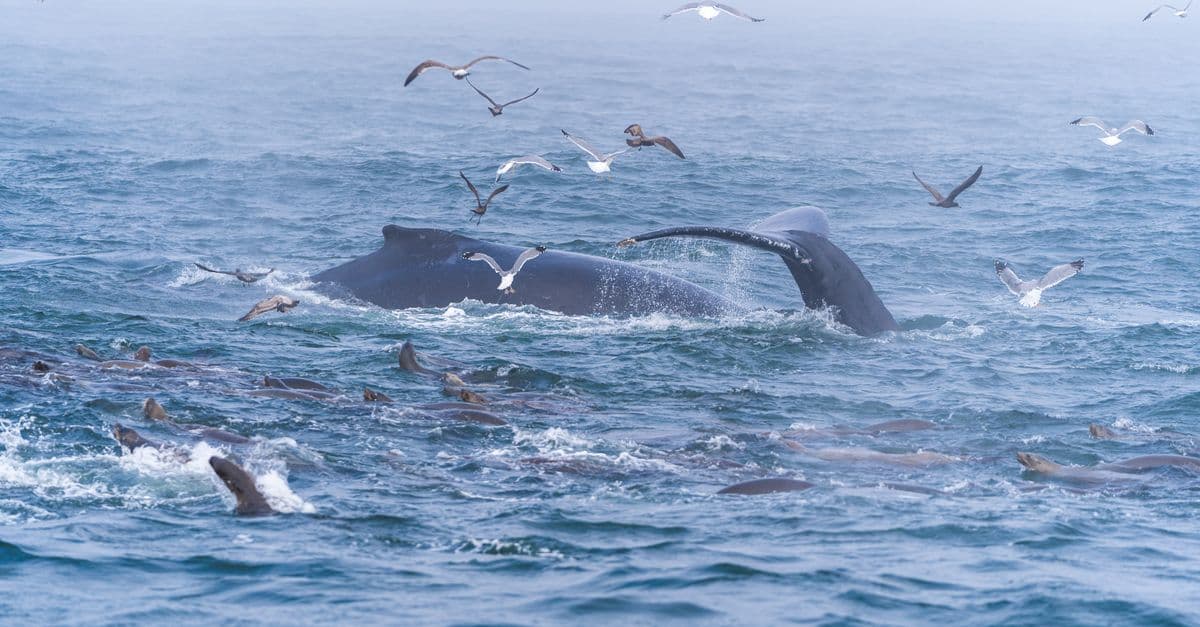
How Whales Communicate: Songs, Dialects, and Culture Beneath the Waves
Humpback whales sing songs that can last 30 hours and travel hundreds of kilometers. Fin whales produce calls at 20 Hz — below the threshold of human hearing — that propagate across entire ocean basins. Sperm whales use click-based dialects specific to family groups. Whale communication is not simple signaling. Biologists now argue it bears hallmarks of culture, the transmission of learned behaviors across generations.
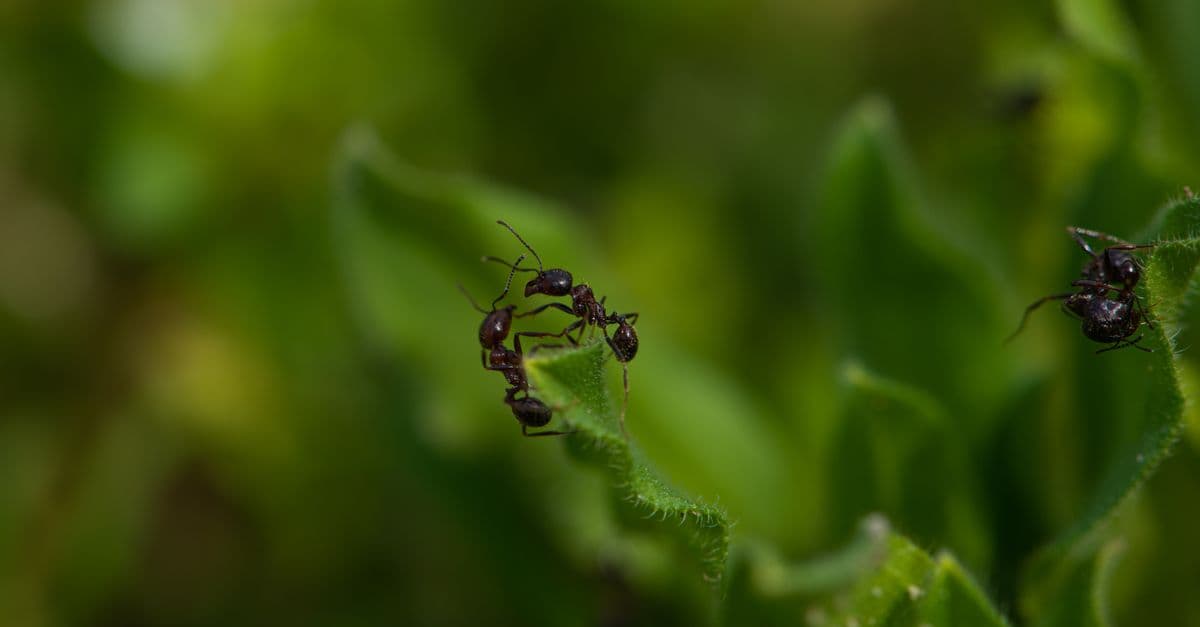
How Ant Colonies Work: Superorganisms, Pheromones, and Swarm Intelligence
A single ant is close to useless. It has a brain with roughly 250,000 neurons — less than a fruit fly — and no capacity to plan, strategize, or solve multi-step problems alone. Put 500,000 of them together in a colony, and the collective builds climate-controlled fungal farms, wages organized warfare, manages waste disposal, and solves the traveling salesman problem with road networks that engineers have benchmarked against modern infrastructure. The colony is the organism.
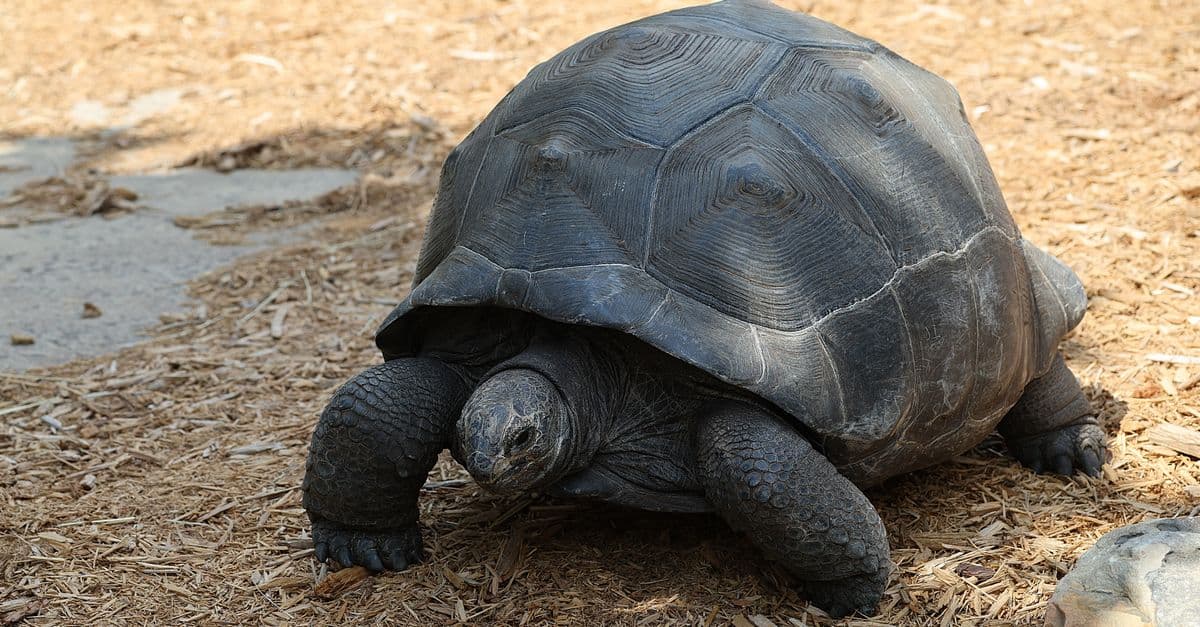
The Longest-Living Animals on Earth: From 500-Year Clams to the Immortal Jellyfish
In 2006, researchers dredged a clam from the seabed off Iceland and counted the rings on its shell. The number stopped them cold: 507 years. The animal, later nicknamed Ming, had been alive since before Columbus sailed. It is the oldest individual animal ever reliably aged — but it isn't even the strangest entry on this list. One creature appears to cheat death entirely, reversing its own aging on demand.

Why Do We Age? The Science of Aging Explained
Aging is not a disease, a single clock winding down, or an inevitable consequence of time passing. It is a set of overlapping molecular failures that accumulate faster than cells can repair them. Researchers have now identified twelve distinct hallmarks that drive this process — and several of them can be slowed, at least in model organisms.

Countries with the Highest Life Expectancy (Ranked)
Japan's women live to an average of 87.7 years — the longest female life expectancy ever recorded for a large country. At the national level, Hong Kong leads all territories at 85.5 years, while Japan tops sovereign nations at 84.7. This is a story of diet, healthcare, culture, and the biology of longevity.

Why We Age — The Biology of Getting Old
The 12 hallmarks of aging, why evolution allowed us to grow old, and what interventions — from rapamycin to reprogramming — actually have evidence.