Biology & Health
What Are Telomeres? Chromosome Caps, Aging, and Cancer
Telomeres are repeat-DNA caps on chromosome ends that shorten with each cell division. See how telomerase works and what telomere length does not prove.
16 articles tagged with #aging
Telomeres are repeat-DNA caps on chromosome ends that shorten with each cell division. See how telomerase works and what telomere length does not prove.
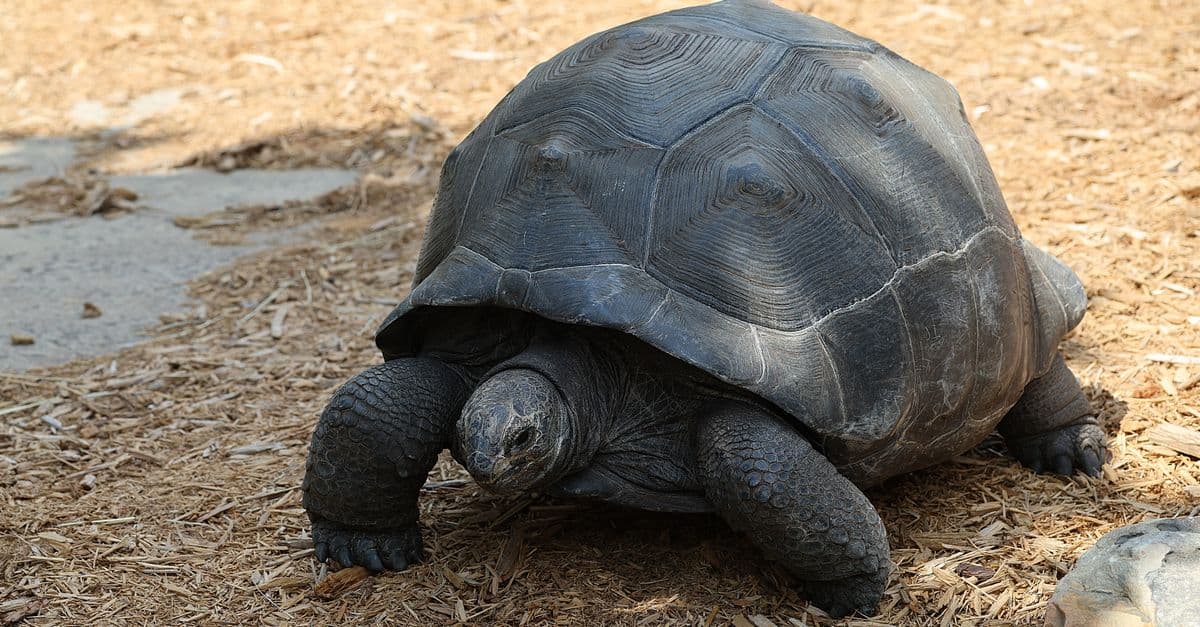
In 2006, researchers dredged a clam from the seabed off Iceland and counted the rings on its shell. The number stopped them cold: 507 years. The animal, later nicknamed Ming, had been alive since before Columbus sailed. It is the oldest individual animal ever reliably aged — but it isn't even the strangest entry on this list. One creature appears to cheat death entirely, reversing its own aging on demand.

Hair growth is driven by a complex, cyclical process occurring within the hair follicle, a specialized pocket of skin containing stem cells, blood vessels, and sebaceous glands. Each hair shaft is made primarily of keratin, a structural protein also found in nails and skin, layered into three distinct tissue structures: the medulla, cortex, and cuticle. Rather than growing continuously, hair moves through four distinct phases—anagen (growth), catagen (transition), telogen (resting), and exogen (shedding)—which determine whether a hair is actively lengthening, preparing to detach, or falling out. Hair color stems from melanin production in the follicle's base, while hair graying occurs when melanin-producing cells exhaust their stem cell reserves.

A summer at age eight felt endless. A year at forty disappears. This is not nostalgia distorting judgment — it is a measurable difference in how the brain processes and encodes time. Multiple mechanisms are involved: a mathematical relationship between age and perceived duration, a decline in the novelty that creates dense memories, slowing neural processing speed, and falling dopamine levels that alter the brain's internal clock. Each mechanism operates independently, but they all converge on the same result: subjective time accelerates across a human lifetime.
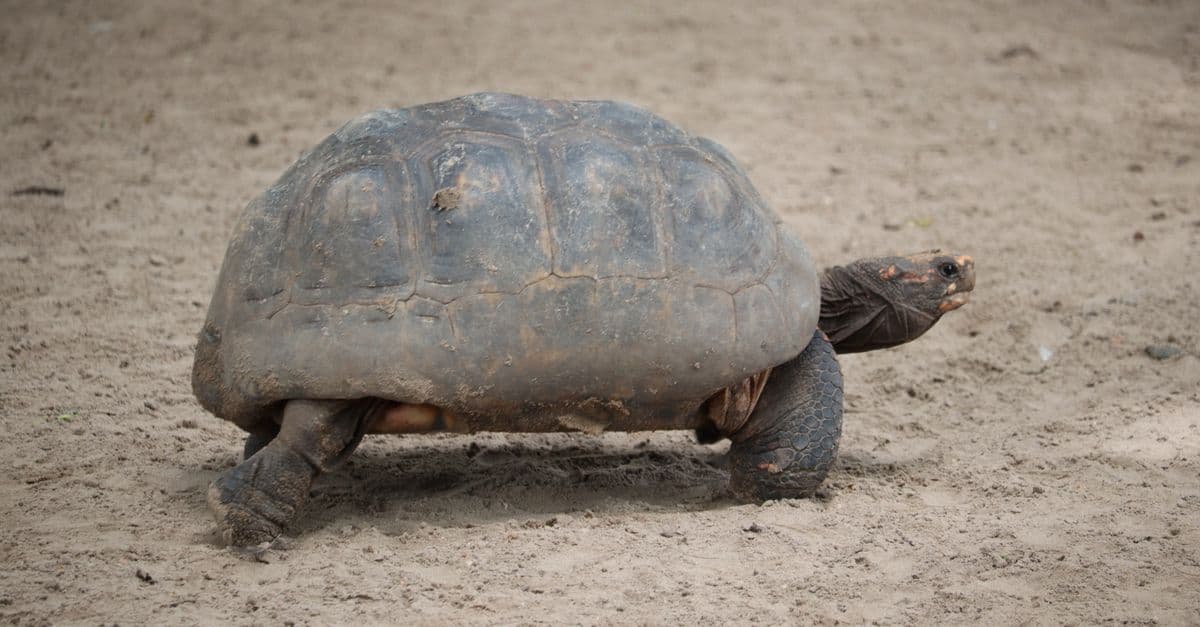
A Greenland shark alive today may have been born before the Thirty Years' War ended in 1648. An ocean quahog clam called Ming was 507 years old when researchers accidentally killed it by opening its shell. A bowhead whale carries harpoon fragments from weapons manufactured in the 1800s, embedded in its blubber for over a century. Extreme longevity in animals is not accidental — it is the product of specific biological mechanisms that researchers are now mapping in molecular detail.

Aging is not a disease, a single clock winding down, or an inevitable consequence of time passing. It is a set of overlapping molecular failures that accumulate faster than cells can repair them. Researchers have now identified twelve distinct hallmarks that drive this process — and several of them can be slowed, at least in model organisms.

Japan's women live to an average of 87.7 years — the longest female life expectancy ever recorded for a large country. At the national level, Hong Kong leads all territories at 85.5 years, while Japan tops sovereign nations at 84.7. This is a story of diet, healthcare, culture, and the biology of longevity.

The 12 hallmarks of aging from López-Otín's 2023 Cell update, sorted by tier, with the human trial evidence for rapamycin, senolytics, and NAD+ precursors.

The 12 hallmarks of aging, why evolution allowed us to grow old, and what interventions — from rapamycin to reprogramming — actually have evidence.

Evidence-based review of longevity interventions — from exercise and sleep to metformin, NMN, rapamycin, and what's genuinely overhyped.
How amyloid plaques, tau tangles, and neuronal death drive Alzheimer's—plus new blood tests, FDA-approved drugs, and prevention evidence.

Spaceflight produces aging-like changes in bone, muscle and the cardiovascular system, most of which largely reverse after return. Here is what the NASA Twins Study and ISS research do, and do not, show about aging.