Biological Aging in Microgravity: What the ISS Reveals About Aging Processes

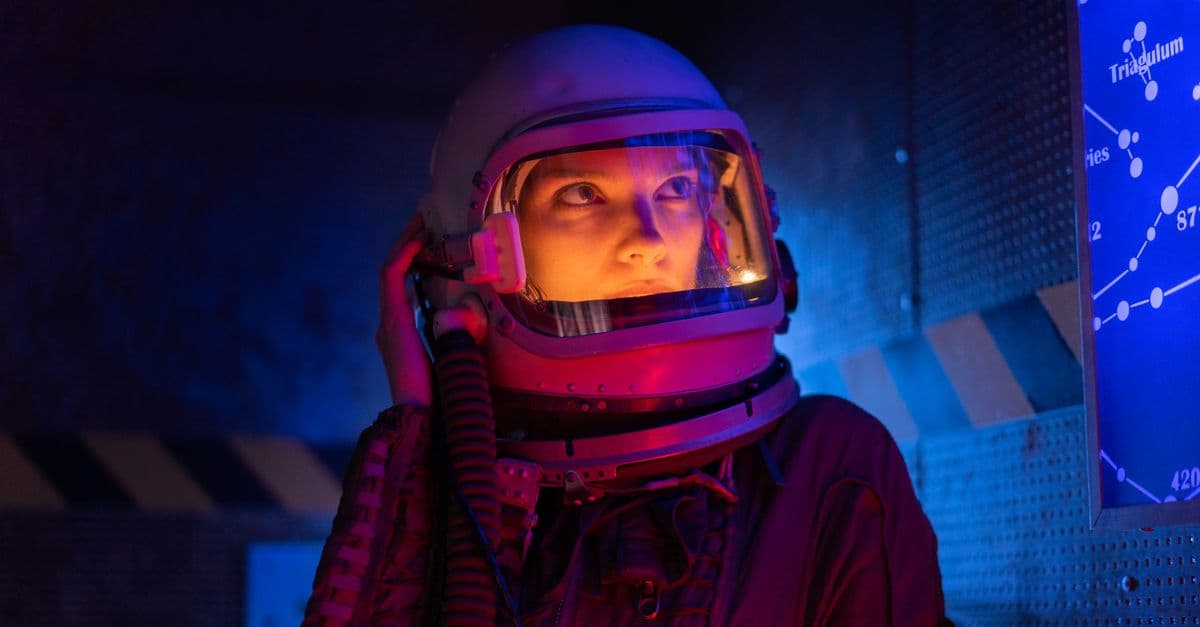
Photo: Mikhail Nilov / Pexels
Spaceflight produces changes that resemble some features of aging. Astronauts on long-duration missions lose bone density, lose muscle mass, and show cardiovascular and immune changes, some of which echo the slow decline seen with age on Earth. But "aging faster in space" is too simple: most of these changes largely reverse after return, and NASA's Twins Study found that some molecular markers, such as telomere length, moved in the opposite direction from what an accelerated-aging story would predict. Researchers therefore treat microgravity as a useful model for mechanical unloading and age-related decline, not as a literal fast-forward button on aging.
Key Takeaways
- Microgravity produces aging-like changes in bone, muscle and the cardiovascular system, which makes it a useful model for age-related decline
- It does not simply accelerate aging: in the NASA Twins Study, telomeres lengthened in flight and most gene-expression changes reversed after landing
- Mechanical loading from gravity (and exercise) helps maintain bone and muscle; that is well established, but "gravity suppresses aging" is a hypothesis, not a finding
- Countermeasures such as resistance exercise reduce, but do not eliminate, bone and muscle loss in orbit
The Problem
Aging is one of biology's deepest mysteries. Over time, our cells accumulate damage: DNA mutations, protein misfolding, mitochondrial dysfunction, inflammation. Eventually, organ systems decline, and we become susceptible to diseases: cancer, heart disease, neurodegeneration. Yet the fundamental mechanisms driving aging remain poorly understood.
Traditional aging research relies on studying naturally aging organisms—a process taking years or decades in humans and mice. Researchers must wait while organisms age naturally, then study the accumulated changes.
ISS researchers noticed that microgravity produces some aging-like changes. NASA estimates that astronauts lose roughly 1-1.5% of bone density per month on four-to-six-month missions. Muscle atrophy in weightlessness resembles aspects of age-related sarcopenia. Some cellular stress markers, such as DNA damage, also change in flight, although the picture is mixed: in the NASA Twins Study, telomeres actually lengthened during the year in space.
This overlap suggested a hypothesis: because microgravity unloads the body quickly, studying it might reveal mechanisms that also contribute to age-related decline.
How the Experiment Worked
ISS aging research employs multiple model organisms and measurement approaches.
Step 1: Sample Selection and Launch Researchers select organisms well-suited to ISS study:
- Nematode worms (C. elegans)—tiny (1mm), genetically mapped, well-understood
- Fruit flies (Drosophila)—short lifespans (2-3 months), large genetic toolkit
- Fish (zebrafish)—transparent larvae, vertebrate genetics
- Mouse tissues (cultured cells)—mammalian relevance
Live organisms or preserved tissues are launched to the ISS.
Step 2: Orbital Maintenance Astronauts maintain the organisms in specialized habitats. Worms and flies are housed in small chambers with food and air. Some experiments involve tissue cultures grown in special bioreactors.
Step 3: Measurement and Sampling Throughout the mission (typically 1-4 weeks), astronauts perform periodic measurements and sampling:
- Physical measurements (body length, muscle tone, movement capacity)
- Tissue samples collected at intervals
- Behavioral testing (movement speed, response to stimuli)
Step 4: Return and Analysis When missions end, samples return to Earth preserved for analysis. Researchers perform:
- Gene expression profiling (measuring which genes are turned on/off)
- Protein analysis
- Cellular imaging
- Lifespan studies (for organisms long-lived enough to study)
The Results
The discoveries have reshaped aging research.
Mixed Cellular Signals: Spaceflight does not move every aging marker in the same direction. In the NASA Twins Study, astronaut Scott Kelly's telomeres became significantly longer in space, and most of them shortened again within two days of his return to Earth. Researchers read this as a stress-related response to spaceflight rather than as a simple aging signal.
Stress Response Activation: Gene expression analysis in spaceflight studies shows that microgravity and the wider space environment (including radiation) trigger stress-response and DNA-repair pathways. Which of these changes are caused by microgravity itself, as opposed to radiation or other factors, is still being worked out.
Mitochondrial Changes: Studies of cells and tissues flown in space report changes in mitochondrial function and oxidative stress, which overlap with features of age-related decline. These are mostly small-sample or animal findings and are not yet a settled human result.
Reversal After Return: NASA reported that 93% of Scott Kelly's gene-expression changes returned to normal after landing, with the remaining 7% pointing to possible longer-term changes in genes related to his immune system. Most other biological changes quickly returned to nearly preflight status, and a few persisted after six months.
Single-Subject Caveat: The Twins Study followed one astronaut and his identical twin, so it is a detailed case study rather than a population result, and it cannot show whether microgravity "accelerates" aging.
Real-World Impact
1. Gerontology Research Spaceflight studies have pointed researchers toward pathways involved in stress response, bone and muscle maintenance, and DNA repair. These are research leads, not validated anti-aging drug targets.
2. Astronaut Health Research on bone, muscle and cardiovascular changes in space has driven countermeasures for long-duration spaceflight, chiefly daily resistance and aerobic exercise, which reduce but do not eliminate these losses.
3. Healthspan Extension Research Whether countermeasures developed for spaceflight can extend healthspan on Earth is an open research question; the strongest evidence remains for exercise.
4. Muscle Disease Research Muscle wasting from disuse in microgravity overlaps with aspects of sarcopenia, so spaceflight is studied as a model of muscle unloading.
5. Bone Health Bone loss in space is studied alongside osteoporosis because both involve reduced mechanical loading, although the causes are not identical.
6. Regenerative Medicine Some experiments examine how stem cells behave in microgravity. These are early research findings and not yet a basis for therapies.
Future Outlook
Aging research in microgravity is expanding:
Longer-Duration Studies: Future research aboard commercial space stations will enable longer experiments, potentially following organisms through complete lifespan periods in microgravity.
Gene Therapy Testing: ISS researchers are proposing to test gene therapy approaches to prevent aging in microgravity, comparing them against Earth controls.
Multi-Generational Studies: Breeding organisms in microgravity and studying offspring will reveal how gravity deprivation affects development and aging across generations.
Human Studies: Comprehensive aging monitoring of future long-duration astronauts will provide more direct data on whether and how spaceflight affects human aging.
Gravity, Mechanical Loading, and Aging: A Hypothesis
What is well established is narrower than the popular framing. On Earth, gravity loads bones and muscles, and that loading helps maintain them; remove it and both decline, which is why astronauts exercise for hours every day. Whether gravity's mechanical stress also protects against aging at the cellular level is a hypothesis, not a demonstrated result. The NASA Twins Study, the best-documented human case, did not find a clean acceleration of aging in flight, and most of its changes reversed after landing.
The hypothesis is still useful because exercise, which restores mechanical loading, has strong evidence for preserving muscle and bone with age. Spaceflight therefore works as a model of rapid unloading, and findings from it may inform research on sarcopenia and osteoporosis. It does not show that gravity itself suppresses aging.
Source: Vernikos, J., Schneider, V.S. (2010). "Gravity effects on the human body: Implications for space travel." Advances in Space Research 41(5): 706–714.
Terrestrial Applications: From ISS to Earth
Researchers are exploring several mechanisms that appear in both spaceflight and age-related decline, including mechanical-loading signaling in muscle and bone, autophagy, and NAD+ metabolism. These remain research directions; the claim that specific drugs now in human trials were derived from ISS findings is not supported by the sources reviewed here.
Frequently Asked Questions
Q: Do humans age faster biologically in space?
A: Not in any simple sense. Some aging-like changes occur (bone loss of roughly 1-1.5% per month on typical missions, muscle atrophy, cardiovascular and immune changes), but true biological aging has not been shown to accelerate in astronauts. In the NASA Twins Study, telomeres lengthened in flight and shortened again after landing, and 93% of gene-expression changes returned to normal. Many changes reverse after return, though some persist.
Q: Can ISS aging discoveries extend human lifespan?
A: Not on the evidence so far. Spaceflight research has produced useful data on bone, muscle and stress responses, but it has not yielded validated lifespan-extending interventions, and developing safe, effective human interventions typically takes many years of clinical research.
Q: Why study aging in worms instead of directly studying astronauts?
A: Worms have precise genetic tools (gene knockouts, CRISPR modification) allowing causal analysis of aging mechanisms. Studies in worms are ethically straightforward. Findings are then investigated in mice, then humans. Direct studies on astronauts yield valuable data but can't answer mechanistic questions without genetic tools unavailable in humans.
Q: How do you measure biological aging in a worm?
A: Multiple markers: lifespan (total survival time), healthspan (period of physical capacity), cellular markers (telomere length, DNA damage, protein misfolding), gene expression (RNA-seq of age-related genes), and physical performance (movement speed, feeding rate). Combined, these give a "biological age" comparable to aging in humans.
Q: Do aging mechanisms discovered in worms apply to humans?
A: Many do. Gene sequence conservation across species is high (40-80% homology for aging-relevant genes). However, humans' longer lifespan and more complex physiology mean verification in higher primates and humans is essential. Worm findings are necessary but not sufficient for human translation.
Q: What's the most significant aging discovery from ISS research?
A: Arguably the Twins Study: even after a year in orbit, most of the astronaut's molecular changes returned to nearly preflight levels, showing the body is resilient to spaceflight, while a few changes (such as some immune-related gene expression and post-flight cognitive speed and accuracy) lingered. The idea that gravity itself suppresses aging remains an untested hypothesis.
Muscle Atrophy in Microgravity: The Cellular Mechanism
Astronauts without effective countermeasures lose substantial muscle mass in orbit, a pattern that resembles aspects of aging-related muscle loss. The mechanism is partly different, though, which makes spaceflight a useful comparison rather than a replica of aging.
On Earth: muscle wasting comes from:
- Reduced activity (sedentary lifestyle)
- Protein synthesis < protein breakdown
- Inflammation and systemic disease
In microgravity: additional factor emerges:
- Unloading — lack of gravitational weight removes the stimulus for muscle to maintain mass
- Mechanotransduction loss — cells sense mechanical stress through ion channels and integrin proteins. Gravity provides constant stress. Remove gravity, and these sensors go quiet.
- mTOR pathway downregulation — the nutrient-sensing pathway that drives muscle protein synthesis drops in microgravity
ISS experiments revealed that muscle unloading triggers a cascade:
- Mechanostat signal decreases
- mTOR pathway suppressed
- Protein synthesis drops 30–50%
- Protein breakdown continues at normal rates
- Net muscle loss
But here's the key finding: resistance exercise in microgravity largely prevents muscle loss. Astronauts using resistance equipment (now standard on ISS) lose far less muscle than they would without it, though some loss still occurs.
This revealed that mechanical loading is the critical stimulus. A terrestrial analog: people who maintain strength training throughout aging preserve muscle mass far better than sedentary peers. ISS research quantified just how powerful this effect is.
Source: Fitts, R.H., et al. (2010). "The Effect of Gravity and Spaceflight on Skeletal Muscle." Journal of Applied Physiology 109(1): 58–70.
Telomeres and Aging: What ISS Revealed
Telomeres — protective caps at the ends of chromosomes — shorten with every cell division. This is a molecular clock of aging. After ~50–70 divisions, telomeres shorten to a critical length, triggering senescence (cells stop dividing) or apoptosis (programmed death).
The best human data point went the opposite way from the accelerated-aging story. In NASA's Twins Study, astronaut Scott Kelly's telomeres became significantly longer during his year in space, and the majority of them shortened again within two days of his return to Earth.
Researchers do not interpret this as slower aging in space. The lengthening is thought to reflect a transient response to the spaceflight environment, and the rapid post-flight shortening shows how dynamic telomere length is. A single astronaut cannot settle how spaceflight affects telomeres in general, and results from other crews and from cell and animal experiments are still being compared.
Mitochondria and Space: Energy Crisis in Orbit
Mitochondria are cellular power plants. They convert glucose and oxygen into ATP, the cell's energy currency. Cells in microgravity show mitochondrial dysfunction resembling age-related decline.
What spaceflight studies report: Experiments on cells, rodents and other model organisms flown in space have reported altered mitochondrial gene expression, changes in mitochondrial function, and increased oxidative stress. The size and direction of these effects vary between experiments, and some may be driven by radiation or other flight conditions rather than microgravity alone.
Aged cells on Earth also tend to show less efficient mitochondria, so the overlap is of interest to researchers. But it is an overlap in markers, not proof that spaceflight ages cells faster or that gravity maintains mitochondrial health.
Terrestrial relevance: Exercise is known to support mitochondrial function with age. Whether space-derived findings will lead to new interventions is still an open question.
Radiation and Aging: A Second Spaceflight Stressor
Beyond microgravity, ISS-exposed organisms face cosmic radiation, a separate stressor that can damage DNA.
Earth's magnetic field and atmosphere shield us from much of the galactic cosmic radiation (protons, alpha particles, heavy ions). In low Earth orbit, astronauts receive substantially higher radiation doses than people on the ground.
Radiation exposure consequences studied in spaceflight:
- DNA damage, including double-strand breaks
- Chromosomal aberrations
- Elevated long-term cancer risk, which NASA manages through career dose limits
- Cognitive changes (animal models suggest heavy ion exposure impairs memory and learning)
Combined effect of microgravity + radiation: The two stressors act together in flight. Cells attempting to repair radiation damage while simultaneously experiencing microgravity-induced stress may accumulate damage differently than under either stressor alone; how the two interact is still under study.
Researchers are now investigating pharmaceutical radioprotection strategies (compounds that reduce radiation damage) that could extend safe mission durations for future Mars travel.
Countermeasures: Exercise and Pharmaceuticals in Space
Recognizing the bone, muscle and cardiovascular losses seen in orbit, NASA and other space agencies developed countermeasures — interventions to preserve astronaut health.
Exercise Protocols: Modern ISS astronauts exercise 2–2.5 hours daily:
- Resistance training (Advanced Resistive Exercise Device, ARED)
- Aerobic exercise (treadmill with harness, cycle ergometer)
- Protocols based on ISS aging research
Effect: Rigorous exercise substantially reduces, but does not eliminate, bone and muscle loss; NASA still estimates average bone density loss of roughly 1-1.5% per month on four-to-six-month missions.
Pharmaceutical Interventions (experimental): ISS researchers are testing:
- Antioxidants — compounds that neutralize ROS, reducing oxidative damage
- Autophagy enhancers — drugs that boost cellular garbage collection
- Anabolic agents — compounds that stimulate protein synthesis
- Bone resorption inhibitors — drugs that slow bone loss
These approaches are experimental and results so far are preliminary.
Future: Pharmaceutical + exercise combination protocols may become standard for long-duration missions, with protocols refined based on ISS research.
The Aging Timeline: How Fast Does It Happen?
To understand ISS aging research, quantifying the rate is critical.
| Marker | What spaceflight shows | Source / confidence |
|---|---|---|
| Bone density | Roughly 1–1.5% lost per month on 4–6 month missions (hip and spine most affected) | NASA estimate; well established |
| Muscle | Atrophy without countermeasures; reduced by resistance exercise | Well established |
| Telomere length | Lengthened in flight, shortened again within days of return (one astronaut) | NASA Twins Study; single subject |
| Gene expression | 93% of changes returned to normal after landing | NASA Twins Study; single subject |
Key insight: The organ-level losses in bone and muscle are well documented, but molecular markers do not move uniformly in an "aging" direction, and most reverse after return. There is no established conversion from these changes to "years of aging."
ISS Aging Research Beyond Humans: Implications for Astrobiology
A speculative angle: spaceflight biology also bears on astrobiology, the search for life beyond Earth. Earth organisms evolved under 1 g, and how they respond to other gravity levels (Mars is about 0.38 g) is still poorly characterized, especially for long-term and multigenerational effects.
Whether life evolved elsewhere would have different lifespans or body sizes in other gravity fields is pure speculation; no evidence supports specific predictions. What spaceflight research can offer is data on how Earth organisms adapt, or fail to adapt, when mechanical loading changes.
Healthspan vs. Lifespan: The ISS Distinction
A critical insight from ISS aging research distinguishes healthspan (years of life in good health) from lifespan (total years alive). Most aging interventions don't extend life dramatically but compress morbidity — postponing age-related disease and disability to the end of life.
The aging-like changes seen in microgravity, such as bone and muscle loss, are not "true aging" but responses to unloading, and most of them largely reverse after return. Exercise, which restores mechanical loading, is the best-supported countermeasure on Earth and in orbit.
Healthspan-relevant areas informed by spaceflight research:
- Muscle preservation: maintaining strength prevents falls, preserves independence
- Bone density: preventing osteoporosis prevents fractures, preserves mobility
- Cardiovascular function: maintaining vascular health prevents heart disease and stroke
- Cognitive function: preserving mitochondrial health may prevent neurodegeneration
These aren't about living to 150; they're about living to 85 with robust health instead of frailty.
Clinical translation: Direct clinical translation of spaceflight aging research is still at an early stage. Spaceflight work on bone and muscle loss overlaps with research on osteoporosis and sarcopenia, but no approved aging therapy has been established as a product of ISS findings.
Source: Pifferi, F., et al. (2019). "Caloric Restriction and Aging." Ageing Research Reviews 47: 117–128.
Astronaut Health Monitoring: Real-Time Aging Data
For decades, NASA conducted detailed health assessments of returning astronauts. Post-mission evaluations measure:
- Bone mineral density (DEXA scans)
- Muscle mass and strength
- Cardiovascular function (VO2 max, orthostatic tolerance)
- Cognitive performance
- Immune function
- Microbiome composition
This long-term dataset—spanning 50+ years of spaceflight—provides unprecedented detail on aging markers and recovery timelines in humans exposed to spaceflight.
Key finding: Astronauts typically recover 50-80% of lost bone and muscle within 6-12 months on Earth. However, some changes persist: bone density may not fully recover after long-duration missions, and subtle cognitive or cardiovascular changes have been reported. This partial irreversibility means some spaceflight effects persist, although it does not establish that spaceflight accelerates aging.
Recent astronaut cohorts: With the advent of commercial space stations and renewed lunar missions, a new generation of astronauts will fly longer-duration missions. This will provide higher-quality data on aging recovery and any long-term health impacts, potentially revealing whether ISS-derived countermeasures truly prevent aging or merely delay it.
This astronaut health data, paradoxically, has become one of gerontology's most valuable datasets—billions in research budget could never generate such detailed longitudinal aging data in humans.
The Takeaway
Spaceflight produces aging-like changes in bone, muscle and the cardiovascular system, and studying them offers a useful model of mechanical unloading and age-related decline. But the evidence does not show that microgravity accelerates aging as a whole, or that gravity suppresses it: in the NASA Twins Study, telomeres lengthened in flight and most gene-expression changes reversed after landing. The solid lesson is practical: mechanical loading, delivered by gravity or by exercise, helps preserve bone and muscle, and that insight is relevant to healthy aging on Earth.
Read next:
- Aging Biology — Why We Grow Old
- Cardiovascular Changes in Astronauts — ISS Long-Term Health Studies
- Metabolism Explained — How Your Body Converts Food to Energy
Follow new articles
Add SciHub101 to your feed reader to see new science and technology stories.
About the Author
SciHub101 is an independent science and technology publication founded and edited by Buğra Sözeri, a software engineer and app developer based in Türkiye. AI tools assist with drafting and research. Source documentation in the existing archive is uneven, and articles are being reviewed and corrected. The Editorial Team byline identifies editorial responsibility; it does not certify specialist or independent human review. Where we compare products, anything built by our own team is labelled as such — see the editorial guidelines and About page for how corrections and disclosures work.
Related Articles

Bone Loss in Weightlessness: ISS Research on Osteoporosis
ISS astronauts lose bone density faster than aging populations, revealing mechanisms of osteoporosis and informing prevention and treatment strategies.
Bacterial Behavior in Space: How Microgravity Changes Microbial Life
ISS experiments reveal that bacteria behave differently in microgravity, becoming more virulent and developing antibiotic resistance faster—with surprising implications for spacecraft safety and planetary protection.

Cancer Cell Behavior in Zero-G: How Microgravity Changes Tumor Growth
ISS experiments reveal that cancer cells behave differently in microgravity, sometimes becoming more aggressive but also more vulnerable—insights accelerating cancer research.

Advanced Materials Processing: Creating Impossible Alloys in Orbit
ISS experiments produce metal alloys and composite materials with properties impossible on Earth, advancing aerospace, electronics, and clean energy.

Cardiovascular Changes in Astronauts: ISS Long-Term Health Studies
ISS research reveals how weightlessness causes fluid shifts, cardiac deconditioning, and blood flow changes—insights applicable to heart disease treatment on Earth.

Combustion Dynamics in Zero-G: Understanding Fire Without Gravity
ISS experiments reveal how flames behave without gravity, fundamentally changing fire safety for spacecraft and advanced combustion engine design.