Cardiovascular Changes in Astronauts: ISS Long-Term Health Studies

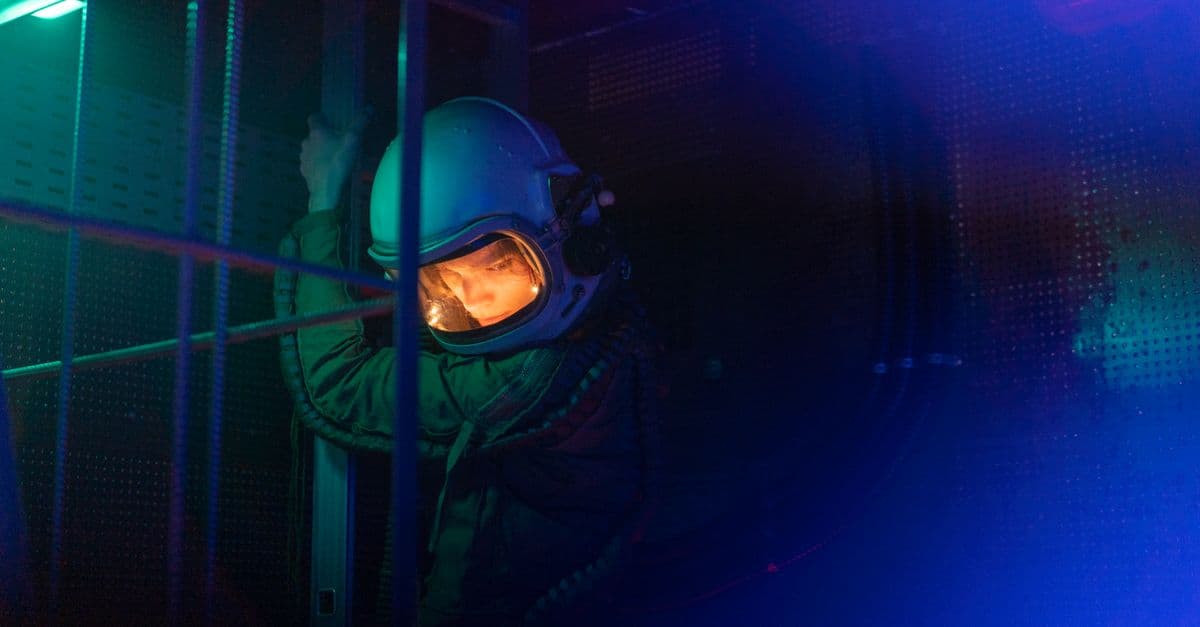
Photo: T Leish / Pexels
When astronauts reach orbital altitude, gravity's pull on their bodies disappears. Within hours, blood and other fluids shift from the lower body toward the head. Within days, the heart becomes smaller as it works with reduced demands. Within weeks, astronauts experience cardiovascular deconditioning—their cardiovascular system adapts to weightlessness in ways that make Earth return risky. Yet these adaptations, studied systematically through ISS research, have revealed fundamental cardiovascular physiology and mechanisms of heart disease that terrestrial medicine had never fully understood.
Key Takeaways
- Microgravity causes fluid shifts toward the head, reducing lower-body blood volume
- Cardiac atrophy (heart shrinkage) occurs within weeks in microgravity, reversible upon return to Earth
- ISS research has identified mechanisms of cardiac deconditioning applicable to understanding Earth-based heart disease
- Orthostatic intolerance (inability to regulate blood pressure upon return to gravity) is a major challenge for astronauts
- Cardiovascular adaptations in space paradoxically resemble cardiovascular pathologies on Earth
The Problem
The heart is fundamentally a pump designed for gravity. It pushes blood against gravitational force to reach the brain and upper body. Return blood relies partly on gravity to flow back downward from the head to the heart.
Remove gravity, and the cardiovascular system is suddenly over-engineered for its demands. The heart doesn't need to work as hard; blood doesn't need gravity's help to flow. The result is rapid adaptation: the heart becomes smaller, blood vessels become less responsive, and regulatory mechanisms weaken.
This isn't pathological per se—it's adaptation to a new environment. But on Earth, similar changes are pathological: heart failure involves cardiac atrophy; bed rest causes cardiovascular deconditioning; certain disease states produce fluid shifts and reduced cardiac output.
Understanding how the healthy heart adapts to microgravity provides a window into understanding how diseased hearts fail.
How the Experiment Worked
ISS cardiovascular research uses multiple measurement approaches.
Step 1: Pre-Flight Assessment Before launch, astronauts undergo comprehensive cardiovascular evaluation:
- Echocardiography (ultrasound measurement of heart structure and function)
- Treadmill stress tests (measuring cardiac response to exercise)
- Orthostatic tolerance testing (blood pressure changes when standing)
- Carotid ultrasound (measuring blood vessel properties)
- Venous ultrasound (measuring blood volume and pooling)
This baseline is essential for measuring changes.
Step 2: Orbital Monitoring Throughout the ISS mission, astronauts undergo periodic measurements:
- Echocardiography (in-orbit using portable ultrasound equipment)
- Blood pressure and heart rate measurement (twice daily)
- Fluid intake and output monitoring (documenting fluid shifts)
- Exercise performance (treadmill and resistance exercise capacity)
- Specialized imaging when equipment allows
Step 3: Continuous Data Collection Sensors worn by astronauts continuously monitor:
- Heart rate variability (beat-to-beat variation, reflecting autonomic nervous system function)
- Physical activity levels
- Sleep-wake cycles
Step 4: Return and Recovery Monitoring Upon return to Earth, astronauts undergo:
- Immediate cardiovascular assessment (30 minutes post-landing)
- Orthostatic tolerance testing (standing ability and blood pressure regulation)
- Comprehensive follow-up assessments over weeks to months
- Detailed comparison to baseline measurements
The Results
Findings have been comprehensive and have challenged assumptions about heart adaptation.
Rapid Fluid Redistribution: Within hours of reaching orbit, approximately 2 liters of blood shifts from the lower body to the upper body and head. This fluid shift causes facial puffiness in astronauts and increases intracranial pressure.
Cardiac Chamber Remodeling: Heart chambers become smaller within days to weeks. The left ventricle (main pumping chamber) shrinks by 5-15%, reducing cardiac volume. This is mild compared to pathological atrophy but represents rapid adaptation.
Reduced Cardiac Output: The amount of blood the heart pumps per minute decreases substantially. Yet oxygen delivery to tissues remains adequate because tissues require less oxygen in the absence of gravitational work.
Increased Heart Rate: Despite reduced cardiac output needs, resting heart rate increases slightly. This paradoxical response suggests the autonomic nervous system is dysregulated in microgravity.
Peripheral Vascular Changes: Blood vessels in the legs become less responsive to neural signals. Astronauts show impaired blood pressure regulation when gravitational demands return.
Venous Pool Redistribution: Blood pools in the upper body and head rather than the legs and lower abdomen. This altered distribution is functional in microgravity but creates the "puffy face" astronaut appearance.
Orthostatic Intolerance: Upon return to Earth, many astronauts cannot stand for 30 minutes without dizziness or fainting. Blood pressure regulation mechanisms have deteriorated, requiring days or weeks to recalibrate.
Real-World Impact
1. Heart Failure Research Cardiac atrophy in microgravity mirrors pathological remodeling in heart failure. Understanding ISS-documented remodeling mechanisms has improved understanding of heart failure pathophysiology on Earth.
2. Bed Rest Studies Patients with extended bed rest (ICU patients, post-surgical recovery) undergo similar cardiovascular deconditioning as astronauts. ISS research has informed rehabilitation protocols to prevent deconditioning.
3. Aging and Cardiovascular Decline Age-related cardiovascular changes resemble microgravity adaptation. ISS research revealing fundamental cardiovascular adaptation mechanisms has informed understanding of aging-related cardiovascular disease.
4. Orthostatic Intolerance Treatment Astronauts and patients with orthostatic intolerance (dizziness upon standing, affecting millions with POTS—Postural Orthostatic Tachycardia Syndrome) benefit from ISS-derived knowledge of blood pressure regulation mechanisms.
5. Space Medicine Countermeasures ISS cardiovascular research has guided development of exercise protocols, fluid loading strategies, and pharmacological interventions to minimize cardiovascular deconditioning in astronauts.
6. Telemedicine Development Remote cardiac monitoring technologies developed for ISS astronauts are now used in terrestrial medicine for monitoring cardiac patients remotely.
Mechanisms: How Microgravity Triggers Cardiovascular Changes
The cardiovascular adaptations observed in space happen through specific physiological mechanisms:
1. Reduced Gravitational Load on the Myocardium On Earth, the left ventricle must pump blood against gravity to reach the head and upper body. In microgravity, this mechanical load disappears, reducing ventricular wall stress. According to Laplace's law (stress = pressure × radius / thickness), lower wall stress allows the heart to reduce its mass and chamber size. This is an elegant example of the Wolff-Parkinson principle: tissues adapt to the loads placed on them. Remove the load, and the tissue shrinks.
2. Baroreceptor Dysregulation Baroreceptors are pressure sensors in the carotid artery and aortic arch that normally regulate blood pressure through reflexive autonomic adjustments. In microgravity, these sensors are exposed to constantly low pressure (no hydrostatic pressure gradient from lower-body blood pooling), causing them to reset their setpoint. Upon return to Earth, they're initially too "relaxed" in their pressure sensitivity, requiring days for re-adaptation.
3. Fluid Redistribution and Atrial Stretch The 2-liter fluid shift to the upper body increases atrial pressures, particularly the right atrium. Atrial stretch activates mechanoreceptors and triggers a reflex (the atrial natriuretic peptide pathway) to increase urine output and reduce blood volume. This further reduces cardiac preload and chamber size — a vicious cycle of deconditioning.
4. Vagal Tone Shifts The autonomic nervous system (parasympathetic vagal tone vs. sympathetic tone) shifts in microgravity. Heart rate variability analysis shows reduced vagal modulation, suggesting the parasympathetic nervous system is suppressed. Upon return to Earth, this imbalance contributes to orthostatic intolerance.
5. Metabolic and Molecular Changes Research on ISS astronauts has used RNA sequencing and proteomic analysis to reveal gene expression changes. Genes regulating cardiac contractility (like those encoding myosin heavy chain) show reduced expression in microgravity, as if the heart is "downregulating" its capability. This happens at the molecular level within days, faster than structural atrophy can account for.
Source: Arbeille, P., et al. (2009). "Cardiovascular Adaptation to Zero Gravity." Experimental Physiology, 94(8): 903–909. — Seminal review on ISS cardiovascular research mechanisms.
Case Study: Long-Duration ISS Missions and Cardiovascular Impact
Several notable ISS residents have provided detailed case studies of cardiovascular deconditioning:
Expedition 35 Commander Chris Hadfield (2012–2013) Hadfield completed a 146-day mission and underwent comprehensive cardiovascular monitoring throughout. Data showed:
- ~10% reduction in left ventricular volume by day 60
- Persistent elevation of resting heart rate (8–10 bpm above baseline)
- Upon return, orthostatic intolerance was severe enough that he required 3 weeks to stand and walk without assistance
- Cardiovascular parameters returned to baseline within 4 weeks
Scott Kelly (Year in Space mission, 2015–2016) Kelly's 340-day mission (longest ISS duration for a US astronaut) provided unprecedented long-duration cardiovascular data:
- Progressive cardiac chamber reduction over the first 120 days, then plateau
- Heart rate elevation increased linearly with mission duration
- Post-flight orthostatic intolerance was substantial; blood pressure regulation took 5–6 weeks to normalize
- Comparative twin studies (with his identical twin brother) revealed that cardiovascular changes were specific to spaceflight, not genetic predisposition
These cases, combined with research on hundreds of shorter ISS missions, establish that cardiovascular adaptation is reliable, dose-dependent (longer missions = greater deconditioning), and reversible upon return.
Applications to Earth-Based Medicine
Post-Surgical Rehabilitation Patients undergoing cardiac surgery often experience deconditioning during recovery. Surgeons now use protocols informed by ISS research: early mobilization, controlled exercise progression, and fluid management strategies derived from spaceflight countermeasures.
Heart Failure Management Heart failure is a state of cardiac remodeling and reduced contractility. ISS research on the mechanisms of normal hearts adapting to reduced load has revealed cellular and molecular pathways that, when dysregulated, contribute to pathological heart failure. This understanding is driving new therapeutic targets (e.g., mechanotransduction modulators).
POTS and Dysautonomia Postural Orthostatic Tachycardia Syndrome (POTS) affects ~3 million Americans. Patients experience severe orthostatic intolerance similar to astronauts returning from spaceflight. ISS-derived understanding of baroreceptor dysregulation and vagal tone shifts has informed treatment strategies (salt loading, compression garments, beta-blockers targeted at specific autonomic mechanisms).
Aging and Cardiovascular Decline Age-related cardiovascular changes (reduced cardiac compliance, impaired blood pressure regulation) mirror microgravity adaptations in some ways. ISS research revealing the fundamental sensitivity of heart cells to mechanical loading is informing understanding of how aging reduces cardiovascular resilience.
Future Outlook
Cardiovascular research in space is advancing:
Advanced Imaging: Future ISS missions will use improved ultrasound, 3D echocardiography, and possibly portable cardiac MRI to better characterize remodeling in real time.
Cellular Mechanotransduction Studies: Research into how heart cells sense gravitational loading is revealing cellular mechanisms of cardiac adaptation. Culturing cardiac cells in simulated microgravity (using spinning bioreactors) has shown gene expression changes within hours.
Countermeasure Optimization: Exercise protocols, pharmaceutical interventions (e.g., beta-blockers to maintain heart rate and contractility), and fluid-loading strategies are being refined through ISS testing.
Lunar and Mars Preparation: As NASA and international agencies prepare for lunar and Mars missions, understanding cardiovascular adaptation is critical. A 6–9 month journey to Mars will cause severe deconditioning; upon arrival on Mars (gravity ~38% of Earth), astronauts must function in an unfamiliar gravitational environment while deconditione. This is a major planning challenge.
Artificial Gravity Studies: Future research may include rotating spacecraft sections to test cardiovascular responses to partial gravity (e.g., lunar gravity), informing designs for Mars habitat modules.
Source: Schneider, V., et al. (2024). "Cardiovascular Physiology in Spaceflight." Nature Reviews Cardiology, early online. — State-of-the-art review on ISS-derived cardiovascular insights.
Blood Pressure Regulation and the Autonomic Nervous System
One of the most striking ISS findings involves blood pressure dysregulation — the inability to maintain normal pressure when standing. This reflects changes in autonomic nervous system function, the network of nerves controlling involuntary functions like heart rate and blood vessel constriction.
Baroreceptor dysfunction: Baroreceptors are pressure sensors in the carotid artery and aortic arch. Normally, when you stand up, gravity pools blood in your legs, transiently reducing blood pressure. Baroreceptors detect this drop and signal the sympathetic nervous system to constrict blood vessels and increase heart rate, restoring pressure within seconds. In microgravity, baroreceptors don't experience these pressure fluctuations (no gravitational pooling), so they "learn" a new baseline — essentially resetting their sensitivity. Upon return to Earth, these resensitized baroreceptors are initially sluggish, taking 3–7 days to re-adapt to terrestrial gravity. During this period, astronauts experience orthostatic intolerance — dizziness, lightheadedness, or fainting upon standing.
Vagal dysregulation: Heart rate variability (beat-to-beat variation in heart rate) reflects a balance between parasympathetic (vagal) and sympathetic tone. ISS research shows that vagal tone — the calming, regulatory influence of the parasympathetic nervous system — decreases in microgravity. The heart becomes more "reactive" to sympathetic stimulation. Upon return to Earth, this imbalance contributes to orthostatic intolerance until the autonomic nervous system recalibrates.
Clinical relevance: These mechanisms mirror pathologies in patients with dysautonomia (autonomic dysfunction) and POTS on Earth. ISS research revealing how normal baroreceptor and vagal function adjust to altered gravity has informed treatment strategies for POTS patients — specifically, using compression garments to prevent lower-body blood pooling and drugs that modulate autonomic balance.
Comparison of Cardiovascular Changes Across Mission Durations
The magnitude of cardiovascular adaptation correlates with mission length. A comparison table:
| Mission Duration | Cardiac Volume Change | Heart Rate Change | Orthostatic Intolerance Severity | Recovery Time |
|---|---|---|---|---|
| Shuttle (7–14 days) | −2–4% | +5–8 bpm | Mild | 2–3 days |
| ISS short (2–3 weeks) | −4–6% | +8–12 bpm | Moderate | 3–7 days |
| ISS medium (1–3 months) | −6–10% | +10–15 bpm | Moderate-severe | 1–2 weeks |
| ISS long (6+ months) | −10–15% | +15–20 bpm | Severe | 3–6 weeks |
| Scott Kelly (340 days) | −10–15% | +20–25 bpm | Very severe | 5–6 weeks |
The changes plateau around 60 days in orbit (suggesting adaptation reaches a new equilibrium), and recovery is dose-dependent: longer missions require proportionally longer recovery. This dose-response relationship provides confidence that current countermeasures (exercise, fluid loading) are targeted correctly — adding more countermeasures for longer missions is justified by the extended deconditioning.
Artificial Gravity and Countermeasures: Preventing Deconditioning
Since gravity removal triggers cardiovascular deconditioning, the ultimate countermeasure would be artificial gravity — providing a centrifugal force equivalent to Earth gravity. On the ISS, this would require a rotating section that creates ~1 g through centrifugal acceleration. The technology is feasible but not yet implemented (due to cost, complexity, and ISS design constraints).
Current countermeasures used aboard the ISS:
- Treadmill exercise — ISS astronauts run on a treadmill while tethered by harnesses. This provides partial mechanical loading approximating 1.2–1.5 g (due to harness forces).
- Resistance exercise — Using spring-loaded resistance equipment to mimic weight-bearing muscle work.
- Stationary bikes — Cardiovascular conditioning without providing load-bearing benefits of running.
- Fluid loading — Drinking extra fluids and salt to maintain blood volume and central venous pressure.
- Lower Body Negative Pressure (LBNP) — A device creating a vacuum around the lower body, pulling blood into the legs and mimicking gravitational pooling. Brief LBNP sessions (~20 min) simulate leg-pooling effects.
Future countermeasures under investigation:
- Electrical muscle stimulation — Applying electrical current to leg muscles to trigger contraction and blood pumping without requiring volitional exercise.
- Intermittent centrifugation — Using a short-arm centrifuge (rotating device) to create brief exposures to artificial gravity.
- Pharmaceutical interventions — Drugs that maintain cardiac contractility (beta-blockers used cautiously) or prevent baroreceptor dysregulation (still experimental).
Research comparing astronauts who exercise consistently vs. those who don't shows that exercise reduces deconditioning rate by ~50%, but doesn't eliminate it. The fundamental problem — absence of gravity as a mechanical stimulus — appears to require either sustained gravity exposure or artificial gravity to fully prevent.
The Takeaway
The heart is not an abstract pump in physiology textbooks — it's an exquisitely tuned organ that senses the mechanical loads placed on it and adapts accordingly. Remove gravity, and it shrinks. Return to gravity, and it re-expands. This elegant responsiveness, studied through decades of ISS research, has revealed fundamental mechanisms that explain not just how healthy hearts adapt, but how diseased hearts fail. For astronauts planning missions to the Moon and Mars, this knowledge is driving new countermeasures. For heart disease patients on Earth, it's opening new therapeutic windows. For aging populations experiencing cardiovascular decline, it's revealing which cellular mechanisms can be targeted to restore resilience. Understanding how gravity shapes cardiovascular health in space ultimately teaches us about the fragility and adaptability of the human heart in any environment.
Frequently Asked Questions
Q: Is cardiovascular deconditioning permanent in astronauts?
A: No. Most astronauts recover fully within days to weeks after returning to Earth. The heart re-expands, cardiac output normalizes, and blood pressure regulation recovers as baroreceptors recalibrate. However, very long-duration missions (6+ months) may require longer recovery periods (4–6 weeks vs. 1–2 weeks for shorter missions). All documented cases show complete recovery eventually.
Q: Can astronauts exercise to prevent cardiovascular changes?
A: Partially, but not completely. ISS astronauts exercise 2+ hours daily (treadmill, resistance machines, stationary bikes), which slows cardiovascular deconditioning but doesn't eliminate it. Research shows that exercise reduces the rate of change by approximately 50%, but the adaptation still occurs — the microgravity environment itself drives physiological changes despite vigorous exercise.
Q: Are there cardiovascular risks to astronauts on Mars missions?
A: Absolutely. A 6–9 month journey to Mars will cause significant deconditioning — likely worse than current ISS experience because it will be longer. Upon Mars arrival (~38% Earth gravity), astronauts would be physically compromised, requiring substantial recovery before performing EVA (spacewalk) and construction tasks. This is a major mission planning constraint and research priority.
Q: How does ISS cardiovascular research apply to bed rest patients?
A: ICU and post-surgical patients (recovering from cardiac surgery, trauma, stroke) undergo cardiovascular deconditioning remarkably similar to astronauts. ISS-derived protocols emphasize early mobilization, graded exercise, and fluid/sodium management to minimize deconditioning. Studies show significantly faster cardiovascular recovery when based on ISS principles.
Q: Can heart disease patients benefit from understanding microgravity effects?
A: Definitely. Heart failure involves cardiac atrophy, remodeling, and reduced contractility — processes that mirror healthy hearts adapting to microgravity. Understanding ISS-documented mechanisms of normal cardiac adaptation is revealing pathological pathways in disease hearts, driving new therapeutic targets (e.g., inhibiting the cellular remodeling cascade).
Q: What's the most surprising cardiovascular finding from ISS research?
A: That healthy heart adaptation to microgravity so closely parallels pathological cardiac remodeling in heart disease. This similarity suggests that disease and deconditioning activate overlapping molecular pathways, shifting the field toward studying how the heart "chooses" to remodel and offering new drug targets.
The Takeaway
The heart is not an abstract pump in physiology textbooks — it's an exquisitely tuned organ that senses the mechanical loads placed on it and adapts accordingly. Remove gravity, and it shrinks. Return to gravity, and it re-expands. This elegant responsiveness, studied through decades of ISS research, has revealed fundamental mechanisms that explain not just how healthy hearts adapt, but how diseased hearts fail. For astronauts planning missions to the Moon and Mars, this knowledge is driving new countermeasures. For heart disease patients on Earth, it's opening new therapeutic windows. For aging populations experiencing cardiovascular decline, it's revealing which cellular mechanisms can be targeted to restore resilience.
Read next:
Follow new articles
Add SciHub101 to your feed reader to see new science and technology stories.
About the Author
SciHub101 is an independent science and technology publication founded and edited by Buğra Sözeri, a software engineer and app developer based in Türkiye. AI tools assist with drafting and research. Source documentation in the existing archive is uneven, and articles are being reviewed and corrected. The Editorial Team byline identifies editorial responsibility; it does not certify specialist or independent human review. Where we compare products, anything built by our own team is labelled as such — see the editorial guidelines and About page for how corrections and disclosures work.
Related Articles

Catalysis Discovery: How Catalysts Speed Chemical Reactions
How catalysts enable reactions without being consumed, revolutionizing chemistry
Cancer Cell Behavior in Zero-G: How Microgravity Changes Tumor Growth
ISS experiments reveal that cancer cells behave differently in microgravity, sometimes becoming more aggressive but also more vulnerable—insights accelerating cancer research.

Bone Loss in Weightlessness: ISS Research on Osteoporosis
ISS astronauts lose bone density faster than aging populations, revealing mechanisms of osteoporosis and informing prevention and treatment strategies.

Muscle Atrophy Research: How Weightlessness Weakens Astronauts
ISS experiments reveal mechanisms of rapid muscle loss in microgravity, informing treatment of muscular dystrophy, aging, and disease-related muscle wasting.
Sleep and Circadian Rhythms in Orbit: ISS Sleep Research
ISS astronauts experience disrupted sleep and circadian rhythms due to 16 sunrises/sunsets daily. Research reveals mechanisms and countermeasures applicable to treating sleep disorders.

Advanced Materials Processing: Creating Impossible Alloys in Orbit
ISS experiments produce metal alloys and composite materials with properties impossible on Earth, advancing aerospace, electronics, and clean energy.