Skip to content
ISSUE 10.20.26/24 CATEGORIES

health

49 articles tagged with #health

Flat lay featuring apple slices, a calorie counter chart, pen, and a glass of water for a healthy lifestyle.
Artificial Intelligence

How to Use AI for Meal Planning and Nutrition: A Practical Guide to Dietary AI Tools

AI meal planning tools can generate personalized recipes, balance macronutrients, and organize grocery lists in minutes. However, they hallucinate ingredients, miss dietary restrictions without explicit reminders, and cannot replace licensed dietitians for medical nutrition therapy. This guide explains what these tools do well, their genuine limitations, and how to integrate them into a realistic workflow without treating them as medical advisors.

Editorial Team·June 4, 2026·15 min
Tranquil portrait of a woman lying peacefully on cloud-like surroundings, evoking calmness.
Biology & Health

What Happens to Your Body with No Sleep for 24 to 72 Hours

After 17 hours without sleep, your cognitive performance matches someone with a blood alcohol concentration of 0.05% — legally impaired to drive in most countries. After 24 hours, the equivalent is 0.10% — above the legal limit in all US states. After 72 hours, hallucinations are common, emotional regulation breaks down, and the immune system's ability to mount a response is measurably compromised. Sleep deprivation is not discomfort — it is a physiological insult to nearly every system in the body, and it unfolds on a precisely documented timeline.

Editorial Team·June 4, 2026·17 min
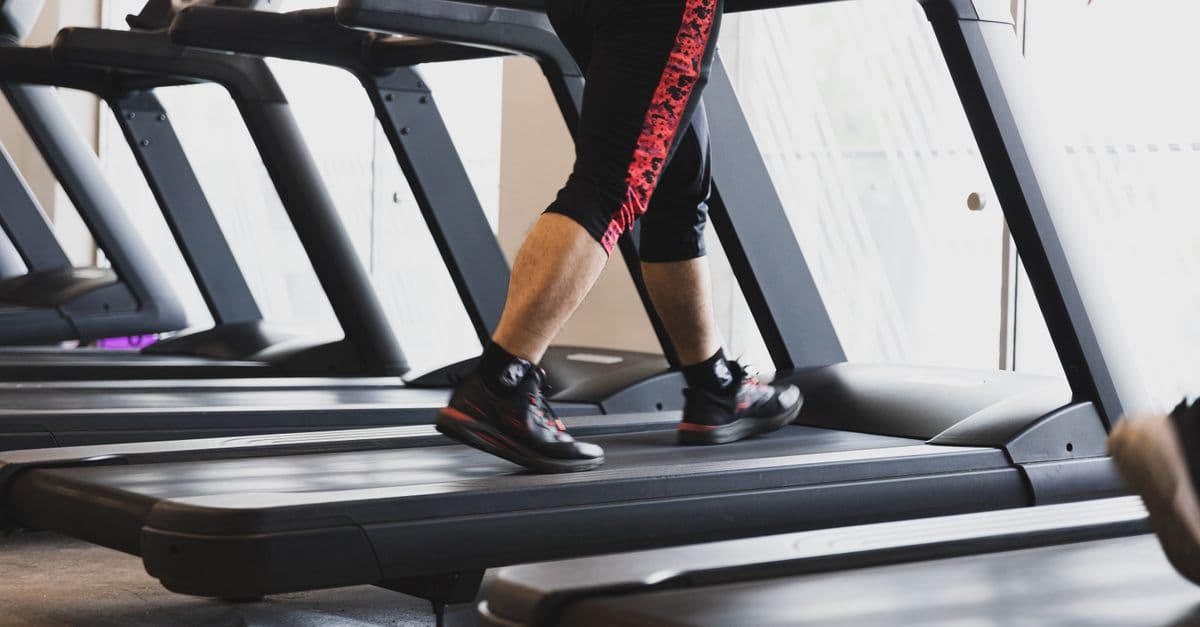
A person walking on a treadmill in a modern gym setting, focusing on fitness.
Blog

The Case for Walking: Why the Simplest Exercise Is the Most Underrated

Walking is the most underrated exercise in health discourse, overshadowed by high-intensity training, resistance work, and achievement-oriented fitness. Yet the evidence associates regular walking with cognitive benefits, cardiovascular health, mental health, and longevity gains. A 2022 meta-analysis linked daily walks of 7,000-8,000 steps to 40% lower mortality compared to sedentary lifestyles. Walking boosts BDNF (brain-derived neurotrophic factor), supporting memory and cognitive function. Moderate-paced walking improves creative problem-solving compared to seated work. Walking is sustainable: 80% of people maintain a regular walking habit after one year, compared to 20-30% for gym memberships. This guide covers the research on walking's cognitive and physiological effects, honest discussion of effect sizes, and why accessibility beats intensity for population-level health. Walking is not the most intense exercise; it is among the most valuable.

Editorial Team·June 4, 2026·15 min
Elderly man in blue shirt lifting dumbbells and smiling indoors, promoting active lifestyle.
Biology & Health

Countries with the Highest Life Expectancy (Ranked)

Japan's women live to an average of 87.7 years — the longest female life expectancy ever recorded for a large country. At the national level, Hong Kong leads all territories at 85.5 years, while Japan tops sovereign nations at 84.7. This is a story of diet, healthcare, culture, and the biology of longevity.

Editorial Team·June 2, 2026·18 min
Close-up of cigarette butts and ashes in a blue ashtray with a smoldering cigarette, highlighting smoking habits.
Blog

Countries with the Highest Smoking Rates (2025 Ranked)

Nauru has the world's highest smoking rate — 52% of adults smoke. China has more smokers than any country: 300 million people. Smoking kills 8 million people per year — more than any other preventable cause. Yet tobacco use is rising in low-income countries as it falls in wealthy ones.

Editorial Team·May 10, 2026·18 min
Page 1 of 5Next →