Why We Get Headaches — Types and Causes
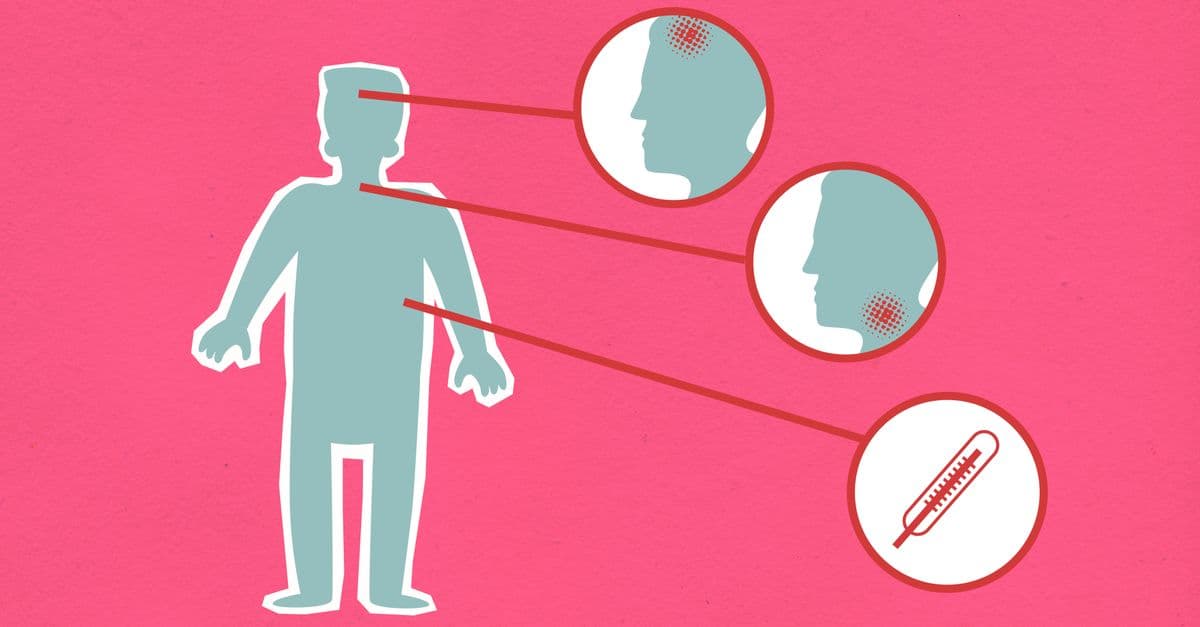
Photo: Monstera Production / Pexels
A strange fact: the brain itself feels no pain. It has no pain receptors (nociceptors). When you have a headache, the pain isn't coming from your brain tissue at all — it's coming from the structures around it: the meninges (the membranes wrapping the brain), the blood vessels in and around the skull, the scalp and neck muscles, and the cranial nerves — especially the trigeminal nerve, which carries sensation from most of the face and head.
Headaches are among the most common medical complaints on Earth. The World Health Organization estimates roughly half of all adults experience at least one headache a year, and over 90% have had one in their lifetime. But "headache" isn't one thing — it's a category covering dozens of distinct disorders with very different biology and treatments.
Primary vs Secondary Headaches
Doctors split headaches into two main groups:
- Primary headaches — the headache is the disease (tension, migraine, cluster). No underlying structural problem.
- Secondary headaches — the headache is a symptom of something else (sinus infection, medication overuse, head injury, brain tumor, meningitis, hemorrhage).
About 90% of headaches people experience are primary. The rest can range from harmless to medical emergencies.
The Three Big Primary Headaches
Tension-Type Headache (the most common)
Tension headaches affect more than 60% of adults at some point. Classic features:
- Bilateral (both sides)
- Mild to moderate intensity
- Pressing or tightening — the famous "band around the head"
- No nausea, no severe light/sound sensitivity
- Lasts 30 minutes to several days
The old theory was muscle tension alone (jaw clenching, neck stiffness, poor posture). Modern research adds central sensitization — the brain's pain-processing system becomes hyperexcitable, amplifying ordinary signals.
Migraine
Migraines affect about 12% of the global population (women three times more often than men, partly due to estrogen fluctuations). They're not "just bad headaches":
- Throbbing or pulsating
- Usually unilateral (one side)
- Moderate to severe
- Photophobia (light sensitivity), phonophobia (sound sensitivity), nausea, vomiting
- Sometimes preceded by an aura (visual zigzags, blind spots, tingling) — about 25% of migraine sufferers
The leading model is cortical spreading depression — a wave of neuronal hyperactivity followed by suppression that crawls across the cortex at ~3 mm/min. This wave activates the trigeminovascular system and triggers the release of CGRP (calcitonin gene-related peptide), a neuropeptide that dilates blood vessels and sensitizes pain pathways.
CGRP was a revolution. Starting in 2018, the FDA approved a new class of anti-CGRP monoclonal antibodies — Aimovig (erenumab), Ajovy, Emgality — that prevent migraines by blocking CGRP or its receptor. For many chronic migraine patients, these were life-changing.
Cluster Headache
Cluster headaches are rare (~0.1% prevalence) but earned the grim nickname "suicide headache" — they're among the most severe pain syndromes known to medicine.
- Strictly unilateral, around or behind one eye
- Excruciating, "ice pick" or "burning"
- Autonomic features on the same side: tearing eye, runny nose, drooping eyelid, sweating
- Attacks last 15 minutes to 3 hours
- Come in clusters — daily or multiple times a day for weeks, then remission for months or years
- Men 4× more affected than women
Acute treatment: high-flow oxygen via mask (works in ~70% within 15 minutes) and subcutaneous sumatriptan injection.
Comparison: Common Headache Types
| Feature | Tension | Migraine | Cluster |
|---|---|---|---|
| Prevalence | ~60% lifetime | ~12% | ~0.1% |
| Sex ratio (F:M) | ~5:4 | 3:1 | 1:4 |
| Location | Bilateral, band-like | Unilateral, throbbing | Around one eye |
| Severity | Mild–moderate | Moderate–severe | Excruciating |
| Duration | 30 min – days | 4–72 hours | 15 min – 3 hours |
| Light/sound sensitivity | Mild or none | Severe | Variable |
| Aura | No | ~25% of cases | No |
| Autonomic features | No | Sometimes | Yes (always) |
| First-line treatment | NSAIDs, acetaminophen | Triptans, CGRP antagonists | Oxygen, sumatriptan injection |
Secondary Headaches and Red Flags
Most headaches aren't dangerous, but some are emergencies. The "SNOOP" mnemonic flags warning signs:
- Systemic symptoms (fever, weight loss, immunosuppression)
- Neurologic deficit (weakness, vision loss, confusion)
- Onset sudden — "thunderclap" peaks within 60 seconds → possible subarachnoid hemorrhage
- Older age (new headache after 50 → check for giant cell arteritis, tumor)
- Pattern change — "the worst headache of my life," or a familiar pattern that's suddenly different
Other red flags: stiff neck plus fever (meningitis), headache after head injury, headache that wakes you from sleep, headache worsened by coughing or straining.
If any of these apply, go to an ER. Don't wait it out.
Common Triggers and Why They Hit
- Sleep deprivation — disrupts pain regulation systems in the brainstem. See our article on why we sleep.
- Dehydration — reduced blood volume affects intracranial pressure and brain perfusion.
- Caffeine withdrawal — rebound vasodilation 12–24 hours after the last dose.
- Stress and let-down — many migraine sufferers get attacks on Saturday mornings, after a stressful week ends.
- Hormones — estrogen drops before menstruation trigger menstrual migraines.
- Diet — aged cheese, red wine, MSG, nitrates, chocolate for some people.
- Weather changes — barometric pressure drops are a robust trigger for many migraineurs.
- Bright/flickering lights, strong smells.
Treatments — Acute and Preventive
Acute (stop a headache that's started):
- Tension: NSAIDs (ibuprofen, naproxen), acetaminophen.
- Migraine: triptans (sumatriptan etc.), CGRP receptor antagonists ("gepants" like ubrogepant, rimegepant), lasmiditan (a 5-HT1F agonist that doesn't constrict vessels).
- Cluster: high-flow oxygen + injectable sumatriptan.
Preventive (reduce frequency):
- Beta-blockers (propranolol), topiramate, amitriptyline, anti-CGRP antibodies, Botox (approved 2010 for chronic migraine — ≥15 headache days/month).
- Lifestyle: regular sleep, hydration, regular meals, stress management, aerobic exercise.
- Supplements with evidence: magnesium (400–600 mg/day), riboflavin (400 mg/day), CoQ10.
Medication Overuse Headache — the Trap
Ironically, using painkillers more than 10–15 days a month can cause chronic daily headaches. This is "rebound" or medication-overuse headache. The fix is paradoxical: stop the painkillers (under medical supervision), endure a withdrawal period, and the headache pattern often resets.
Emerging Therapies and Recent Advances (2025-2026)
Neuromodulation devices: wearable devices that deliver transcutaneous vagus nerve stimulation (tVNS) or transcranial magnetic stimulation (TMS) show promise for migraine prevention. FDA-approved devices like Cefaly have documented efficacy in 40-50% of users.
Lasmiditan (2019+): a 5-HT1F agonist that doesn't constrict vessels — important for patients with cardiovascular conditions. Offers an alternative to triptans.
Atogepant (2021+): an oral CGRP receptor antagonist taken daily for prevention — simpler than IV or injection anti-CGRP therapies.
Combination therapy: anti-CGRP + other preventives (beta-blockers, topiramate) increasingly used together with better outcomes than monotherapy.
Source: Tepper, S.J., et al. (2024). "Migraine Prevention: Current Approaches and Future Perspectives." Headache 64(S2): 18–35.
Why Women Get More Migraines — The Hormonal Connection
One of the most striking patterns in headache epidemiology is the 3:1 female-to-male ratio in migraine prevalence. This dramatic difference isn't cultural or reporting bias — it's rooted in biology, particularly estrogen fluctuation.
The estrogen trigger mechanism:
Estrogen levels rise and fall cyclically in menstruating people. Migraines are triggered not by high estrogen itself, but by estrogen withdrawal — the sharp drop that occurs right before menstruation. This is why many women experience menstrual migraine — attacks timed to the follicular phase or perimenstrual window (days -2 to +3 relative to menses).
Studies show:
- About 60% of women with migraine report a menstrual relationship.
- Menstrual migraine tends to be more severe and refractory to treatment than non-menstrual migraine.
- Hormonal contraceptives can paradoxically make migraines better or worse — it depends on the estrogen dose and fluctuation pattern. Continuous dosing (no placebo week) often helps; cyclic dosing (with a hormone-free interval) often worsens it.
Molecular mechanism: Estrogen modulates CGRP signaling, serotonin receptors, and neuroinflammation in the brain. The withdrawal-induced drop shifts the brain toward migraine susceptibility. This is why perimenopausal women (with wildly fluctuating hormones) often see their migraines worsen, and why some women's migraines resolve or improve postmenopause.
Source: Martin, V.T., et al. (2016). "Hormones and Headache." Neurology 86(9): 1-9.
Chronic Daily Headache: When Headaches Become a Lifestyle
Some people experience headaches 15+ days per month or even daily. This is chronic daily headache (CDH), and it's more common than many realize — affects roughly 4% of the global population.
CDH can evolve from chronic migraine, chronic tension-type, or a mixture of both. The mechanism involves central sensitization — the nervous system "learns" to treat normal signals as painful, creating a self-perpetuating cycle.
Risk factors for CDH:
- Frequent headache history (high frequency over years)
- Medication overuse (especially opioids, barbiturates, or daily analgesics)
- Psychiatric comorbidity (depression, anxiety, PTSD)
- Sleep disorders
- Chronic stress
- Trauma history
Treatment is harder for CDH: acute medications (triptans, NSAIDs) often lose efficacy with daily use. Preventive approaches dominate:
- Tricyclic antidepressants (amitriptyline)
- Anticonvulsants (topiramate, pregabalin)
- Anti-CGRP monoclonal antibodies
- Behavioral therapy + cognitive therapy
- Aggressive lifestyle overhaul (sleep, stress, exercise)
Many CDH patients report that traditional treatments fail until central sensitization is directly addressed through behavioral approaches or specialist pain neurology programs.
Headaches in Children vs. Adults: Developmental Differences
Pediatric headaches follow different patterns than adult headaches and are often undertreated because children can't articulate symptoms as clearly as adults.
Key differences:
| Feature | Children | Adults |
|---|---|---|
| Prevalence | ~50% by age 15 | ~60% |
| Bilateral vs unilateral | More often bilateral | Migraine often unilateral |
| Location | Frontal, temporal most common | Temporal, occipital in migraine |
| Duration | Tend to be shorter (1–4 hours) | Often 4–72 hours |
| Aura frequency | Less common (~10%) | More common (~25%) |
| Associated symptoms | Nausea/vomiting more common | Photophobia more common |
| Sleep as trigger | Very common in kids | Common but less universal |
Pediatric red flags differ: A single migraine with aura in a child is less alarming than in an adult. But frequent, worsening headaches in a child warrant neuroimaging (to rule out tumor, hydrocephalus). The differential diagnosis is broader in kids.
Why kids are undertreated: Pediatric headaches were historically thought to be mostly tension-related and benign, so preventive medications were rarely offered. Modern research shows kids benefit from preventives (topiramate, amitriptyline) similarly to adults. Still, many pediatricians reach for only acute medications.
Screen Time, Posture, and Tension Headaches
Cervicogenic headache — headaches originating from the neck — is increasingly prevalent as screen time rises. Poor posture at computers, phones, and tablets creates sustained muscle tension in the neck and shoulders, triggering referred pain to the head.
The mechanics:
- Forward head posture increases load on cervical spine by ~10 kg per 2.5 cm of forward drift.
- Sustained tension triggers muscle tension headache and/or cervicogenic headache (one-sided, radiating from neck base).
- Added factor: digital eye strain (asthenopia) — focusing on screens strains eye muscles and can trigger tension in the frontalis and temporalis muscles.
Prevention strategy:
- Desk setup: monitor at eye level, arms at 90°, feet flat
- 20–20–20 rule: Every 20 minutes, look 20 feet away for 20 seconds (allows ciliary muscles to relax)
- Neck stretches: 30-second holds, 3–5 times daily
- Posture breaks: stand, walk, change position every 45 minutes
A small randomized trial (Iordanova et al., 2024) found that ergonomic intervention + posture training reduced screen-related tension headaches by 40–60% over 8 weeks.
Source: Iordanova, K., et al. (2024). "Ergonomic and Postural Interventions for Digital Headache Prevention." Journal of Occupational Health 66(2): 45–52.
Caffeine, Alcohol, and Dietary Triggers
Caffeine paradox: Caffeine both triggers and treats headaches.
- Acute: Caffeine constricts blood vessels and potentiates analgesics. This is why it's in combination OTC headache pills.
- Chronic: Daily caffeine raises your pain threshold, but missing a dose triggers rebound headache 12–24 hours later. Cutting caffeine "cold turkey" is a common hidden cause of Monday-morning migraines (missed Saturday coffee).
Alcohol: Red wine is a notorious migraine trigger (affects ~35% of migraineurs). The culprit isn't just alcohol itself — it's congeners (byproducts like tyramine, histamine, tannins). Red wine > white wine > beer > spirits in migraine trigger potential.
Dietary amines: Aged cheese, cured meats, fermented foods contain tyramine, histamine, and phenylethylamine — all potential migraine triggers. The mechanism involves monoamine oxidase (MAO) pathways. People with low MAO activity are more susceptible.
MSG and food additives: Roughly 10% of migraineurs report MSG (monosodium glutamate) as a trigger. Aspartame (artificial sweetener) has anecdotal but less robust evidence.
Fasting: Skipping meals drops blood sugar and can trigger tension headaches or migraines. Time between eating should rarely exceed 4–5 hours for headache-prone individuals.
Stress, Let-Down, and the Migraine Paradox
A counterintuitive fact: migraines often hit after stress, not during it. This is the let-down headache or weekend migraine — many sufferers get migraines Friday or Saturday afternoon, after a stressful work week ends.
The mechanism:
- Acute stress triggers sympathetic activation (fight-or-flight), suppressing pain pathways temporarily.
- When stress resolves, the brain "rebounds" to a more relaxed, parasympathetic state.
- This shift destabilizes the trigeminal system, triggering migraine.
Hormonal component: Stress raises cortisol, which has anti-inflammatory effects. Cortisol withdrawal (post-stress) removes this brake, potentially triggering migraine.
Practical implication: It's not just about reducing stress — it's about managing the transition out of stress. Techniques include:
- Gradual decompression (don't collapse Friday night; ease into relax mode)
- Consistent sleep and exercise (reduces the stress rebound)
- Mindfulness practices (may dampen the withdrawal effect)
Headache and Sleep: Bidirectional Relationships
Headaches disrupt sleep, and poor sleep triggers headaches — a vicious cycle.
Sleep deprivation as trigger: Even one night of 4-hour sleep increases migraine risk 2–3 fold in susceptible individuals. Mechanism: sleep regulates pain pathways, cytokine balance, and trigeminal excitability.
Sleep apnea connection: Undiagnosed obstructive sleep apnea (OSA) frequently presents as morning headaches. The repeated oxygen drops and arousals trigger inflammatory and vascular changes. Treating OSA often resolves the headaches.
Nightmare-associated headaches: Vivid REM-stage dreams or nightmares sometimes trigger nocturnal migraines — particularly in those with PTSD or anxiety.
Sleep positioning: Sleeping with the neck twisted or pillow too thick can trigger cervicogenic headaches.
For headache sufferers, sleep hygiene is a first-line intervention:
- 7–9 hours nightly
- Consistent sleep-wake times
- Cool, dark bedroom
- Avoid screens 1 hour before bed
Neuroimaging in Headache Diagnosis: When Brain Scans Actually Help
One common question: "Should I get an MRI for my headaches?" The answer depends on whether your headache has red-flag features suggesting an underlying structural problem. Understanding when imaging helps (and when it doesn't) saves unnecessary costs and anxiety.
The challenge: Brain imaging is sensitive — MRI can detect tiny abnormalities that look alarming but are clinically irrelevant. A study of 1,000 people without any headache history who underwent brain MRI found that 40% had incidental findings (small cysts, white-matter spots, vascular anomalies) that are completely harmless. If someone with chronic migraines gets an MRI, they're likely to find something, which then becomes a source of anxiety ("What if that's causing my migraines?") even if it's unrelated.
Indications for imaging:
Neuroimaging is warranted if you have:
- Thunderclap onset — worst headache of your life, peaks in seconds (rule out hemorrhage)
- Change in pattern — familiar headaches suddenly different (new location, new character, escalating frequency)
- Neurological deficits — weakness, vision loss, coordination problems, confusion
- Progressive headaches — steadily worsening over weeks, not the usual ups and downs
- Age > 50 with new headache — first time someone develops significant headache
- Headache with systemic illness — fever, weight loss, immunosuppression
- Focal neurological signs — suggests possible tumor, stroke, or lesion
- Papilledema — swelling of optic nerve head (raised intracranial pressure)
Neuroimaging is often NOT needed if you have:
- Typical migraine — established, consistent pattern with no recent change
- Tension-type headache — bilateral, pressing, no progressive worsening
- Cluster headache — characteristic pattern, previously diagnosed
- Normal neurological examination — no weakness, vision problems, or reflexes abnormalities
Types of imaging and what they show:
MRI (Magnetic Resonance Imaging): Best for soft tissue. Shows white-matter lesions (possible MS, small-vessel disease), posterior fossa lesions (cerebellar tumors, Chiari malformations), pituitary abnormalities. Takes 30+ minutes, expensive ($1,500–3,000 out-of-pocket). High-quality MRI with dedicated protocol for headache diagnoses is ideal.
CT (Computed Tomography): Faster, better for bone. Shows acute blood (hemorrhage), bone fractures, some tumors. Lower radiation dose than older CTs, but still exposes you to ~100 mSv (chest X-ray is ~0.1 mSv for comparison). Useful for emergency situations (suspected stroke, hemorrhage).
MR Venography: Specialized MRI looking at brain veins. Used when cerebral venous sinus thrombosis (CVST) is suspected — rare but serious, presents as thunderclap or progressive headache + neurological deficits. Risk factors: hypercoagulable states, hormonal contraceptives, pregnancy.
Functional MRI (fMRI): Research tool. Shows which brain regions activate during headache. Not standard clinical care yet.
PET imaging: Not useful for routine headache diagnosis.
The diagnostic algorithm: Most neurologists follow this logic:
History and neurological exam first. A thorough history from a headache specialist often identifies the type without imaging. Asking "Is this your usual headache?" is diagnostic gold.
Red flags present? → Get imaging (CT if thunderclap/acute; MRI otherwise).
No red flags, typical primary headache pattern → Usually no imaging needed. Reassure, treat, follow up.
Uncertain diagnosis → Consider imaging to rule out secondary causes, especially if patient anxiety is high.
Treatment failure → Reassess diagnosis; consider imaging if diagnosis is uncertain. If diagnosis is certain (typical migraine), imaging usually won't change treatment.
What neurologists are taught: The rule "don't image headache unless red flags exist" has strong evidence backing it. Imaging doesn't improve outcomes in primary headache disorders and creates unnecessary anxiety. The one exception: patients with new-onset frequent headaches + risk factors (age, immunosuppression, history of cancer) deserve imaging to rule out secondary causes.
A word on white-matter lesions: Small white spots on MRI ("white-matter hyperintensities") are common, increase with age, and usually don't cause headaches. People often worry these explain their migraines, but they correlate poorly with headache frequency or severity. Stress about these incidental findings sometimes causes or worsens headache through anxiety — an iatrogenic (doctor-caused) problem.
Source: Vernooij, M.W., et al. (2007). "Incidental Findings on Brain MRI in the General Population." New England Journal of Medicine, 357(18), 1821-1828 — Landmark study showing that MRI findings don't predict symptoms.
Emerging imaging: Advanced techniques like quantitative susceptibility mapping (detects iron deposition), arterial spin labeling (measures brain perfusion), and diffusion tensor imaging (maps white-matter fiber tracts) are research tools showing promise for understanding migraine neurobiology. They're not yet standard clinical practice but represent the future of headache diagnosis.
The Takeaway
Headaches are among the most common and underestimated neurological disorders, affecting billions globally. Tension headaches are benign but frequent; migraines involve complex vascular and neural changes that are now better understood through CGRP research. Cluster headaches remain mysterious but highly treatable with oxygen and triptans. Women's significantly higher migraine burden stems from estrogen fluctuation, which is now a recognized treatment target. Chronic daily headaches represent a distinct clinical challenge requiring multidisciplinary approaches. Environmental factors — screen posture, caffeine, sleep, stress timing — substantially modulate headache frequency. Knowing when to seek emergency care is critical — sudden-onset headaches or headaches with neurological symptoms require urgent evaluation. Recent advances in CGRP-targeted drugs and neuromodulation offer hope for previously intractable cases.
Read next:
- How the Brain Works — Neurons, Synapses, and Networks
- Why We Sleep — The Neurobiology of Rest and Dreams
- Stress and the Body — Cortisol and the Stress Response
Frequently Asked Questions
Q: Why does the brain not feel pain but headaches still hurt?
A: Brain tissue lacks nociceptors (pain receptors). Headache pain originates from pain-sensitive structures surrounding the brain — meninges, blood vessels, scalp muscles, neck muscles, and cranial nerves (especially the trigeminal nerve). These send pain signals to the brain, producing referred pain experienced in the head region.
Q: How can I distinguish a migraine from a tension headache?
A: Migraines are typically one-sided, throbbing/pulsating, moderate-to-severe, lasting 4–72 hours, and accompanied by nausea, vomiting, or sensitivity to light/sound/smell. Tension headaches feel like a tight "band" around the head (bilateral), are milder, and lack associated symptoms. Aura (visual disturbances, tingling) before a migraine is also diagnostic.
Q: Are CGRP-blocking drugs safe for long-term use?
A: Anti-CGRP monoclonal antibodies (erenumab, fremanezumab, eptinezumab) have been on the market since 2018 with good safety profiles. Long-term cardiovascular data are still being collected. They're now first-line preventives for frequent migraines in many neurology practices. Serious side effects are rare (~1%).
Q: When is a headache a medical emergency?
A: Seek immediate ER care for: thunderclap onset (worst headache of your life), headache with fever + stiff neck (meningitis), headache with weakness/vision loss/confusion (stroke), head injury followed by persistent headache, new headache after age 50, or headache with seizure. These warrant urgent neuroimaging and evaluation.
Q: Can dehydration alone cause a headache?
A: Yes. Even mild dehydration (2-3% fluid loss) reduces cerebrospinal fluid volume and affects intracranial pressure. Dehydration-triggered headaches typically resolve within 30 minutes to 1 hour of rehydration. Athletes and outdoor workers are particularly vulnerable.
Q: Why do migraines run in families?
A: Strong genetic component — 50-70% of migraine sufferers have family history. Multiple genes (probably 30+) affect ion channel function, neurotransmitter systems, vascular reactivity, and neuroinflammation. Familial hemiplegic migraine has known mutations in CACNA1A, ATP1A2, and SCN1A causing familial clustering. Heritability is estimated at 50-60%.
Related Articles
- How the Brain Works — Neurons, Synapses, and Networks
- Why We Sleep — Neurobiology of Rest
- Neurotransmitters Explained — How Neurons Communicate
Sources
- World Health Organization. Headache disorders fact sheet. who.int.
- Goadsby PJ et al. (2017). Pathophysiology of Migraine: A Disorder of Sensory Processing. Physiological Reviews.
- Edvinsson L. (2019). The CGRP Pathway in Migraine as a Viable Target for Therapies. Headache.
- International Headache Society. ICHD-3 Classification. ichd-3.org.
- Dodick DW. (2018). Migraine. The Lancet 391:1315-30.
Follow new articles
Add SciHub101 to your feed reader to see new science and technology stories.
About the Author
SciHub101 is an independent science and technology publication founded and edited by Buğra Sözeri, a software engineer and app developer based in Türkiye. AI tools assist with drafting and research. Source documentation in the existing archive is uneven, and articles are being reviewed and corrected. The Editorial Team byline identifies editorial responsibility; it does not certify specialist or independent human review. Where we compare products, anything built by our own team is labelled as such — see the editorial guidelines and About page for how corrections and disclosures work.
Related Articles

Why Do We Shiver? Body's Heat-Making Reflex
Why do we shiver when cold? Inside the hypothalamus, muscle thermogenesis, brown fat (BAT), fever shivers, and what infants do instead.

Why Coffee Makes You Pee — The Diuretic Effect
Why does coffee make you pee? The science of caffeine as a mild diuretic, tolerance, the dehydration myth, and how it compares to alcohol and water.

What Happens to Your Body with No Sleep for 24 to 72 Hours
After 17 hours without sleep, your cognitive performance matches someone with a blood alcohol concentration of 0.05% — legally impaired to drive in most countries. After 24 hours, the equivalent is 0.10% — above the legal limit in all US states. After 72 hours, hallucinations are common, emotional regulation breaks down, and the immune system's ability to mount a response is measurably compromised. Sleep deprivation is not discomfort — it is a physiological insult to nearly every system in the body, and it unfolds on a precisely documented timeline.
The Science of Sleep: What Happens in the Brain During REM Sleep
Sleep is not a passive shutdown but an active state of brain and body reorganization. During an 8-hour sleep cycle, humans alternate between non-REM (NREM) sleep—characterized by slow theta waves, reduced muscle tone, and energy conservation—and REM (rapid eye movement) sleep, when the brain shows activity patterns similar to wakefulness, the eyes move rapidly beneath closed eyelids, and skeletal muscles are paralyzed except for the diaphragm. REM sleep makes up approximately 20–25 percent of sleep in adults and is the stage where most vivid dreaming occurs. The neuroscience of REM reveals that memory consolidation (particularly emotional and procedural memories), creativity processing, and amygdala-driven emotion regulation all occur during this stage. The glymphatic system—a network of fluid pathways that clear metabolic waste from the brain during sleep—becomes most active during deep NREM sleep, not REM. This article explains the neuroscience of REM sleep, the discovery of the glymphatic system, and why sleep is essential to brain health.

What Happens to Your Brain When You Meditate
In 2005, Sara Lazar at Harvard found that experienced meditators had measurably thicker cortex in regions associated with attention and interoception — and that the thickness correlated with years of practice, not age. A year later the same group confirmed the finding with a larger sample. Since then, hundreds of neuroimaging studies have examined meditation's effects on brain structure and function, with results that are genuinely interesting, frequently overstated, and worth reading carefully. The brain does change. The question is how much, in whom, through what mechanism, and whether those changes explain the psychological effects people report.
Congenital Insensitivity to Pain — Living Without
Some people are born unable to feel pain. The genes behind CIP — SCN9A, PRDM12, NTRK1, FAAH-OUT — are reshaping the future of pain medicine.