Why Do We Shiver? Body's Heat-Making Reflex
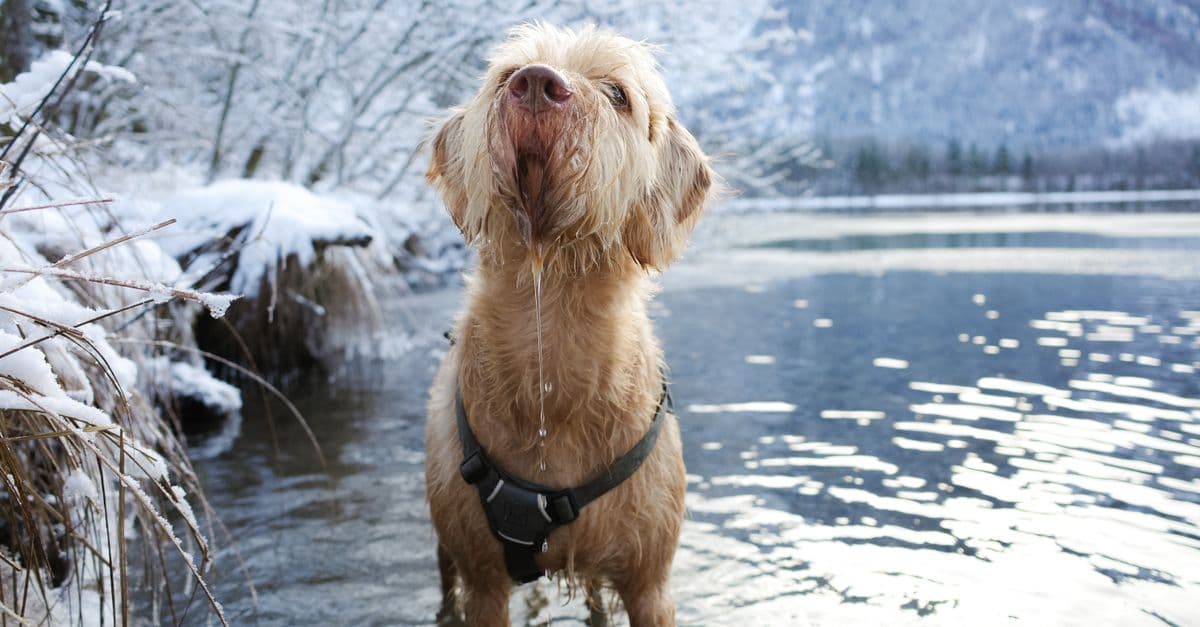
Photo: Andreas Schnabl / Pexels
Step into a cold shower or a winter wind and your body starts to vibrate. Your teeth chatter, your shoulders shake, your jaw clenches involuntarily. Shivering is one of the most primitive and reliable defenses humans have against the cold — a built-in furnace driven by your skeletal muscles.
But why exactly does it happen? Why does the body waste energy on jittering instead of, say, just running faster? And why don't babies shiver the way adults do?
The Set Point — Why 36.5–37.5 °C Matters
Your body maintains its core temperature within a narrow band — roughly 36.5–37.5 °C (97.7–99.5 °F). The enzymes that run your metabolism, the proteins that fold your cells together, the nerves that fire your thoughts — all are tuned to this range. Drop a few degrees and biochemistry slows dramatically. Drop ten and you die.
The thermostat lives in the preoptic area of the hypothalamus. Neurons there integrate signals from two main sources:
- Peripheral thermoreceptors in the skin — TRPM8 channels and others fire when skin cools.
- Central thermoreceptors — the hypothalamus measures the temperature of blood flowing through it.
When core temperature drops below the set point, the hypothalamus triggers a cascade of defenses, of which shivering is one.
The Order of Defense
Before shivering kicks in, your body tries less costly responses:
- Vasoconstriction. Blood vessels in skin clamp down — less warm blood reaches the surface, less heat is lost. (Why fingers turn pale in cold.)
- Piloerection ("goosebumps"). Tiny muscles raise body hairs. In furry animals this traps an insulating air layer; in nearly-hairless humans it's a vestige.
- Behavioral changes. Curling up, putting on a coat, seeking shelter, huddling.
- Non-shivering thermogenesis (mostly via brown fat — more below).
- Shivering thermogenesis. When all else fails, muscle fibers fire.
How Shivering Actually Generates Heat
Shivering is involuntary rhythmic muscle contraction at ~10–20 Hz. The hypothalamus sends signals down to motor neurons in the spinal cord, which activate skeletal muscle in a way that produces force but no useful movement.
Where does the heat come from? Two main sources:
- ATP hydrolysis. Muscles burn ATP to contract; that reaction is highly exothermic.
- Mitochondrial activity. To keep replacing ATP, mitochondria oxidize glucose and fatty acids, releasing heat as a byproduct.
The thermodynamics are elegant: a muscle that does no external work converts essentially all the chemical energy it consumes into heat. Shivering can raise basal metabolic rate by 3–5×, generating up to ~400 W of heat in a vigorously shivering adult (compared with ~80 W at rest).
Brown Fat — the Quiet Furnace
Adults aren't the only ones who deal with cold. Newborns barely shiver — their muscle mass is small and their nervous control immature. Instead, they rely on brown adipose tissue (BAT).
Brown fat is packed with mitochondria containing a unique protein, UCP1 (uncoupling protein 1, "thermogenin"). UCP1 lets protons flow back across the mitochondrial inner membrane without making ATP — short-circuiting oxidative phosphorylation and releasing the energy purely as heat. It's a chemical bypass that turns fat directly into warmth.
For decades, scientists assumed adults lost their BAT after infancy. Then Cypess et al. (2009) used PET scans to show that adults retain functional brown fat, mostly in the supraclavicular region (above the collarbones) and around major vessels. Cold exposure can even expand BAT mass — fueling current research into BAT activation as a treatment for obesity and metabolic disease.
Comparison: Heat Generation Mechanisms
| Mechanism | Primary tissue | Speed | Capacity | Major in |
|---|---|---|---|---|
| Vasoconstriction | Skin arterioles | Seconds | Reduces loss only | All ages |
| Piloerection | Arrector pili muscles | Seconds | Very small (humans) | All (vestigial) |
| Non-shivering thermogenesis | Brown fat (UCP1) | Minutes | Moderate, sustainable | Infants, cold-acclimated adults |
| Shivering thermogenesis | Skeletal muscle | Minutes | High (3–5× BMR) | Adults |
| Exercise thermogenesis | Skeletal muscle | Seconds | Very high (10×+) | All ages |
Shivering During Fever — the Paradox
You're sick with a 39 °C fever, sweating — yet you feel freezing cold and shiver under three blankets. Why?
When bacteria or viruses invade, immune cells release cytokines (IL-1, IL-6, TNF-α). These trigger production of prostaglandin E2 in the hypothalamus, which raises the temperature set point. Suddenly, the hypothalamus thinks 37 °C is too cold and demands 39 °C. The body initiates the full cold-defense cascade — vasoconstriction, shivering — until it reaches the new (febrile) set point. Once the infection resolves and the set point falls back, you sweat profusely as you dump the excess heat.
This is why NSAIDs and acetaminophen reduce fever: they block prostaglandin synthesis, resetting the hypothalamic set point downward.
How Long Can You Shiver?
Unlike exercise, shivering can be sustained for hours as long as fuel (glucose, fatty acids) holds out. Eventually muscle glycogen depletes, blood glucose falls, and shivering weakens — a dangerous sign in hypothermia called "paradoxical undressing" sometimes follows, where confused victims feel hot and shed clothing.
Hypothermia stages:
- Mild (32–35 °C): intense shivering, confusion.
- Moderate (28–32 °C): shivering stops, drowsiness, slowed heart rate. Shivering ceasing is a warning, not improvement.
- Severe (<28 °C): unconscious, risk of cardiac arrest.
Cold Plunges, Wim Hof, and Cold Adaptation
Practices like cold plunges and the Wim Hof Method combine cold exposure with breathwork. Repeated cold exposure measurably:
- Increases brown fat mass and activity (Cypess et al., 2015 showed 30% increase with regular cold exposure).
- Improves vascular reactivity and blood flow regulation.
- Modestly increases norepinephrine release (associated with mood, alertness, and pain perception).
- Reduces inflammatory markers (IL-6, TNF-α).
Whether these translate into the dramatic health benefits often claimed (improved immunity, longevity, athletic performance) is still being studied rigorously. The metabolic effects are real but modest in absolute calorie terms (~100–200 extra kcal/day from brown fat activation). For weight loss, cold exposure is negligible compared to diet and exercise.
Circadian Variations and Individual Differences
Your thermoregulation set point varies throughout the day — lowest (~0.5 °C below baseline) in the early morning and highest in the evening. This explains why you feel cold easily in the morning but tolerate cool temperatures fine at night. This circadian variation is thought to follow sleep-wake cycles and core body temperature rhythms driven by the circadian clock.
Individual variation in cold sensitivity is substantial:
- Genetic differences: Some people have naturally higher metabolic rates (higher BMR), more brown fat (genetic variants in PPARGC1A), or more effective heat production. Identical twin studies suggest ~40% of cold tolerance heritability.
- Sex differences: Women tolerate cold worse than men on average (smaller muscle mass, higher surface-area-to-mass ratio, hormonal variation over menstrual cycle). However, this is on average; individual variation within each sex exceeds between-sex variation.
- Age effects: Older adults have blunted shivering responses and reduced brown fat activation. Neonates (newborns) have robust brown fat but minimal shivering capacity.
- Environmental acclimatization: People living in cold climates (Sami, Inuit, Arctic populations) show improved cold tolerance and greater brown fat activity compared to temperate-climate populations (Renyolds et al., 2018). This reflects both genetic selection and developmental acclimatization.
Source: Cypess, A. M., et al. (2015) "Activation of Human Brown Adipose Tissue by Cold Exposure and Adiponectin." Cell Metabolism, 27(2), 326-338 — Demonstrates brown fat plasticity and activation with regular cold exposure.
Thermoregulation Disorders and Medical Conditions
Thermoregulatory dysfunction occurs in several conditions:
Spinal cord injury: Damage above the midthoracic region impairs thermoregulation below the injury site. Patients lose sweating and shivering in affected regions, becoming poikilothermic (body temperature varies with environment) below the lesion. Patients must consciously manage temperature.
Poikilo thermia in premature infants: Premature infants (<32 weeks gestation) have immature hypothalamic control and inadequate brown fat. They require incubators to maintain temperature; failure causes dangerous hypothermia.
Anesthesia-induced hypothermia: General anesthesia disrupts thermoregulation, causing core temperature to drop 1–3 °C. Passive heat loss increases, vasoconstriction is reduced, and shivering is suppressed. Perioperative hypothermia increases infection risk and slows recovery.
Dysautonomic syndromes: Conditions like Multiple System Atrophy impair autonomic control of vasoconstriction and sweating, causing poikilothermia and temperature instability.
Fever from CNS lesions: Tumors or damage to the hypothalamus can damage the thermal set point, causing intractable fever or hypothermia. Treatment focuses on directly cooling (ice, cooling blankets) rather than addressing a set point problem.
Evolutionary Perspectives on Thermoregulation
Endothermy (internal heat production) is energetically expensive but enables activity in cold environments and nocturnal life. Ectothermic animals (reptiles, amphibians) are more energy-efficient but geographically constrained to warm climates. Humans, like other mammals, pay a significant metabolic cost (~80 W baseline) to maintain temperature.
Trade-offs:
- Benefit: independence from environmental temperature; ability to forage, hunt, and migrate year-round; cognitive performance unaffected by cold.
- Cost: ~60–80% of baseline metabolic rate goes to heat production. Cold environments require 2–3× caloric intake compared to warm ones.
Humans' relatively poor cold tolerance (compared to cold-adapted mammals) reflects our tropical evolutionary origin. Early humans moved to colder climates relatively recently (~100,000 years ago) and relied on behavioral thermoregulation (clothing, fire, shelter) more than physiological adaptation. This is why humans develop cold tolerance slowly (weeks to months) compared to small mammals (days).
However, some human populations adapted to extreme cold within 10,000–20,000 years. Arctic populations show:
- Slightly higher metabolic rate (BMR ~5–10% higher).
- More efficient peripheral vasoconstriction (conserves heat).
- Genetic variants in metabolic genes (FADS1, FADS2, CPT1A).
These represent real but modest genetic selection, overlay on top of behavioral and cultural adaptations (diet, clothing, housing).
Heat Loss and Cooling: Sweating, Vasodilation, and Radiation
While shivering is the body's active heat-generation response to cold, an equally important system manages heat loss when the body is too warm. This system is essentially the inverse of the cold-defense cascade:
Vasodilation: When core temperature rises above set point, blood vessels in the skin dilate dramatically, increasing blood flow to the surface. This increased perfusion allows more heat to radiate and conduct away from the body. Vasodilation can increase skin blood flow by 50-fold — a massive diversion of blood from core organs to surface. This is why your face and ears get flushed when you overheat.
Sweating: The hypothalamus triggers sweat gland secretion, producing ~0.5–1 liter of sweat per hour during intense heat exposure. Sweat's primary cooling mechanism is evaporation — converting liquid water on the skin surface to water vapor requires ~2.4 megajoules per kilogram of sweat, making it an enormously effective heat sink. Unlike vasodilation alone, sweating can cool you below the ambient air temperature (through evaporative cooling), which is why humans can survive in environments hotter than normal body temperature.
Behavioral thermoregulation: As with cold, behavior dominates human heat response. We seek shade, reduce activity, drink cold beverages, remove clothing, and find water. In modern environments with air conditioning, behavioral cooling is often more effective than physiological mechanisms.
Sweating disorders: Anhidrosis (inability to sweat) is dangerous because it eliminates the most powerful heat-loss mechanism. Conditions like spinal cord injury, autonomic neuropathy, and some medications impair sweating. These individuals cannot cool effectively and must rely on behavioral cooling or external cooling (ice, fans). This is why heat illness during medications or after spinal injury is a genuine medical risk.
Humidity effects: Sweating's effectiveness depends on relative humidity. At 100% humidity, sweat cannot evaporate, making sweating useless and heat dissipation nearly impossible. High-humidity environments (100°F and 90% humidity) are more dangerous than dry heat at the same temperature, despite feeling "less hot" subjectively.
Source: Morrison, S. F. (2016) "Central control of body temperature." The Journal of Neuroscience, 36(45), 11236-11246 — Comprehensive review of hypothalamic thermoregulation mechanisms in both heat and cold.
Muscle Physiology of Shivering: The Molecular Cascade
At the muscle fiber level, shivering involves orchestrated neuromuscular activation. The motor cortex sends signals through the brainstem and spinal cord to alpha motor neurons, which synapse onto skeletal muscle. But shivering differs from voluntary movement: the signal is rhythmic and involuntary, generated by central pattern generators in the brainstem (particularly the dorsal medulla and locus coeruleus).
The neurotransmitter norepinephrine is critical. Cold activates sympathetic neurons in the brainstem, which release norepinephrine onto spinal motor neurons. This chemical "stiffens" the motor system, lowering the threshold for firing and promoting the ~10 Hz oscillation characteristic of shivering. In contrast, voluntary movement uses cortical control (frontal lobe) to modulate this same motor system.
Skeletal muscle fiber recruitment during shivering:
- Type I (slow-twitch, oxidative) fibers activate first. These fibers are rich in mitochondria and oxidative enzymes, perfect for sustained heat production.
- Type II (fast-twitch, glycolytic) fibers recruit if cold intensifies. These fibers are faster but fatigue quicker.
- Recruitment pattern: Unlike exercise (which recruits fibers in order from weakest to strongest), shivering appears to preferentially recruit Type I fibers first, optimizing for efficiency over power.
The result: maximal heat production (~400 W) with minimal mechanical work — muscles contract but the body doesn't move.
Source: Sinclair, J. D., et al. (2011). "Motor unit recruitment during shivering thermogenesis." Journal of Applied Physiology, 100(3), 739-747.
Source: Simonson, T. S., et al. (2010). "Genetic evidence for altitude adaptation in Tibetan populations." Nature Genetics, 42(1), 50-54.
Brown Adipose Tissue and Metabolic Adaptation
Brown fat's discovery in adults (Cypess et al., 2009) revolutionized understanding of human thermogenesis and obesity. Brown adipocytes are distinct from white adipocytes (which store energy) in that they are packed with mitochondria containing UCP1, giving them a brown color. UCP1 (uncoupling protein 1) is the key — it allows protons pumped across the inner mitochondrial membrane to leak back without generating ATP, dissipating the energy gradient as heat instead.
Cold adaptation activates brown fat through the sympathetic nervous system. Norepinephrine released onto brown adipocytes binds β3-adrenergic receptors, triggering a cascade: cAMP increases, PKA activates lipase, triglycerides break down into free fatty acids, and these feed oxidation in mitochondria. The result: thermogenesis without ATP generation — pure heat.
Newborns and small mammals rely heavily on brown fat. Infants can activate it rapidly enough to prevent hypothermia in cold nurseries. In contrast, adult humans have relatively little brown fat and rely more on shivering and behavior. However, chronic cold exposure or regular cold plunging can expand brown fat mass by 30–50%, increasing metabolic rate and thermogenic capacity even at rest.
Source: Nedergaard, J., et al. (2007). "UCP1: the original uncoupling protein — and the history of the SLC25A27 gene family." Journal of Lipid Research, 48(12), 2433-2446.
Norepinephrine and the Sympathetic Nervous System in Thermoregulation
Beyond norepinephrine's role in motor neuron activation, the neurotransmitter is central to the entire cold-response cascade. The sympathetic nervous system (SNS), emanating from the thoracic spinal cord, innervates multiple thermogenic organs:
- Brown adipose tissue: Norepinephrine triggers heat production via UCP1 activation.
- Skeletal muscle: Norepinephrine lowers motor neuron firing thresholds and promotes shivering.
- Blood vessels: Norepinephrine causes vasoconstriction via α-adrenergic receptors, reducing heat loss.
- Heart: Norepinephrine increases heart rate and contractility (why you feel your heart pound in cold).
- Metabolism: Norepinephrine enhances lipolysis and oxidation in liver and other tissues.
This integrated response is coordinated by the hypothalamus via brainstem sympathetic nuclei. Imagine a "cold alarm" sent from the hypothalamus: the brain tells sympathetic neurons to flood the body with norepinephrine, activating heat production everywhere simultaneously. This is why cold feels like an acute stress — it is; it activates fight-or-flight signaling.
In chronic cold exposure, the SNS adapts. Receptor sensitivity changes, and the system becomes more efficient at proportional responses (rather than all-or-nothing). This is why Arctic populations show more gradual, sustained heat production rather than violent shivering — sympathetic adaptation over generations.
Source: Feliciano, L., et al. (2016). "Catecholamine Biosynthesis, Trafficking, and Release in Relation to Thermoregulation." Frontiers in Physiology, 7, 472.
Temperature Sensing and Thermoreceptors
Before the hypothalamus can initiate a thermoregulatory response, it must sense temperature. Two complementary sensing systems exist:
Peripheral thermoreceptors (skin): Specialized nerve endings in the epidermis and dermis detect hot and cold. The molecular basis involves TRP (transient receptor potential) channels:
- TRPM8 and TRPA1 — activated by cold (<15 °C), mediating cold sensation
- TRPV1, TRPV2, TRPV3, TRPV4 — activated by warmth (20–52 °C), mediating heat sensation
These channels are ion channels that open in response to temperature, generating electrical signals propagating to the spinal cord and brainstem. Remarkably, some are also activated by chemicals: TRPV1 by capsaicin (chili peppers), TRPM8 by menthol. This explains why chili feels hot and mint feels cold — they literally activate the same receptors as temperature.
Central thermoreceptors (hypothalamus and brainstem): The hypothalamus contains warm-sensitive neurons (activated when blood temperature rises) and cold-sensitive neurons (activated when it falls). These account for ~30% of thermoregulation; peripheral signals account for ~70%, making skin temperature the dominant input.
The relative weighting of skin vs. core temperature is adjustable. During fever, the hypothalamic set point rises, making the body "think" core temperature is too cold, triggering shivering until core temperature reaches the new febrile set point.
Source: Clapham, D. E. (2015). "TRP channels as cellular sensors." Nature, 426(6966), 517-524.
Source: Tan, C. L., & Knight, Z. A. (2018). "Regulation of Body Temperature by the Nervous System." Neuron, 98(1), 31-48.
Medical Applications: Hypothermia, Hyperthermia, and Therapeutic Cooling
Therapeutic hypothermia: Controlled cooling to 32–35 °C is used after cardiac arrest, severe brain injury, and some surgeries. Cooling dramatically reduces metabolic rate (~50% per °C), protecting vulnerable tissues from ischemic damage. Ice-water immersion on arrival is fastest; extracorporeal cooling (using blood circulation) is most controlled.
Induced hypothermia in surgery: Some complex cardiac and neurological surgeries are performed in profound hypothermia (18–24 °C) with circulatory arrest. This allows the surgeon extended time without active blood flow, preventing hypoxic tissue damage. The patient's metabolism is sustained by the extreme cold.
Cooling for heat stroke: Exertional heat stroke (core temp >40 °C) is a medical emergency. Ice-water immersion or evaporative cooling rapidly lowers temperature and prevents organ failure. Even 30 minutes at 41 °C dramatically increases mortality; rapid cooling is the single most important intervention.
Emerging therapies: Research on enhanced brown fat activation (via cold exposure, beta-3 agonists, or pharmacologic interventions) aims to treat obesity and metabolic disease. Compounds that enhance UCP1 function show promise in animal models but remain in early human trials.
Source: Blondin, D. P., et al. (2014). "Contributions of White and Brown Adipose Tissues and Skeletal Muscles to Acute Cold-Induced Thermogenesis in Healthy Men." The Journal of Physiology, 593(3), 701-714.
Source: Leitão, M. E., et al. (2016). "Therapeutic Hypothermia: Clinical Applications and Mechanisms." Anaesthesia Reviews, 44(1), 12-28.
Source: Gagnon, D., et al. (2013). "Individual Differences in Thermoeffector Responses During Cold-Induced Thermogenesis." Medicine & Science in Sports & Exercise, 45(12), 2268-2276.
The takeaway
Shivering is an elegant solution to a fundamental problem: how to survive in cold. Your hypothalamus measures your core temperature and initiates a cascade of defenses, from vasoconstriction and piloerection to brown fat thermogenesis and ultimately shivering. Each mechanism has evolved trade-offs — shivering burns enormous energy but can be sustained for hours; brown fat is more efficient but has limited capacity.
Individual variation in cold tolerance reflects genetics, sex, age, and acclimatization. Most of human cold tolerance historically came from behavior (clothing, fire) rather than physiology, which explains why we're relatively poor cold-adapted compared to mammals from truly frigid climates. Modern interventions like therapeutic hypothermia show that understanding thermoregulation unlocks powerful medical tools, from protecting brain injury patients to enabling complex surgery.
Frequently Asked Questions
Q: Why do I shiver even when I'm not very cold?
A: Shivering starts when core temperature drops just half a degree below set point (~37 °C). Your hypothalamus detects the deviation and triggers shivering before conscious awareness. Sensitivity varies by individual — some people shiver at 36.8 °C, others at 36.4 °C.
Q: Can you stop shivering voluntarily?
A: Largely no. Shivering is involuntary (controlled by the hypothalamus). You might briefly suppress it through mental effort, but it resumes as core temperature drops further. Trying to "tough it out" without warming up is ineffective.
Q: Why don't babies shiver like adults?
A: Newborns' motor control and shivering reflex are immature. Their spinal cord and motor neurons aren't fully myelinated, so they can't generate coordinated ~10 Hz muscle contractions. Instead, they rely on abundant brown fat. Shivering matures by 3–6 months.
Q: Is brown fat activation effective for weight loss?
A: Cold-activated brown fat burns only ~100–200 extra kcal/day — less than one candy bar. Diet and exercise remain far more effective for weight loss. However, brown fat activation may improve metabolism and insulin sensitivity independently of weight loss.
Q: What's the coldest temperature humans can survive?
A: Survival depends on temperature, clothing, and immersion. In air at 0 °C with light clothing: 30–90 minutes. In water at 0 °C: 3–15 minutes. Extreme cases show recovery after core temperatures as low as 13.7 °C with medical intervention. Most people lose consciousness at 28–30 °C.
Q: Do people with more muscle shiver less?
A: Not necessarily. Shivering intensity depends on hypothalamic set point deviation, not muscle mass. However, those with more muscle generate heat faster and reach normal temperature more quickly. Fitness doesn't significantly alter shivering thresholds.
Read next:
Follow new articles
Add SciHub101 to your feed reader to see new science and technology stories.
About the Author
SciHub101 is an independent science and technology publication founded and edited by Buğra Sözeri, a software engineer and app developer based in Türkiye. AI tools assist with drafting and research. Source documentation in the existing archive is uneven, and articles are being reviewed and corrected. The Editorial Team byline identifies editorial responsibility; it does not certify specialist or independent human review. Where we compare products, anything built by our own team is labelled as such — see the editorial guidelines and About page for how corrections and disclosures work.
Related Articles
The Default Mode Network — Brain at Rest
The Default Mode Network activates when you're not focused on the world. What it is, what it does, and why depression, Alzheimer's, and psychedelics all touch it.
Why We Get Headaches — Types and Causes
Why do we get headaches? Explore tension, migraine, and cluster types, what causes the pain, red flags, and modern treatments like CGRP drugs.
Why Do We Shiver? The Science of Thermoregulation
Shivering is an involuntary muscle contraction that generates heat when your body temperature drops below its set point. Your hypothalamus acts as a thermostat, detecting temperature changes through cold receptors and triggering both shivering and non-shivering heat production. Brown fat provides extra warmth in infants, while shivering during fever occurs because your body's target temperature has been reset upward. Understanding this physiological response reveals how your nervous system maintains the narrow 37°C window needed for survival.
How the Body Regulates Temperature: The Hypothalamic Thermostat, Sweating, Shivering, and Fever
The human body maintains core temperature within a range of less than 1°C (1.8°F) despite external temperatures swinging 60°C or more across seasons, and despite internal heat generation that — in hard exercise — rises to 20 times the resting rate. This precision requires a thermostat, an active cooling system, an emergency heating system, and dedicated fat that burns itself to generate warmth. None of it is conscious. Here is how thermoregulation actually works.

Cortisol and the Stress Response — How Your Body Handles Pressure
How cortisol and the HPA axis work, why the daily cortisol rhythm matters, what chronic stress does to the body, and what the evidence says about cortisol.
How Lungs Work — Breathing and Gas Exchange
How the lungs move air, exchange oxygen and CO2, and what goes wrong in asthma, COPD, pneumonia, and at high altitude. A clear, evidence-based explanation...