How Hormones Work — The Endocrine System
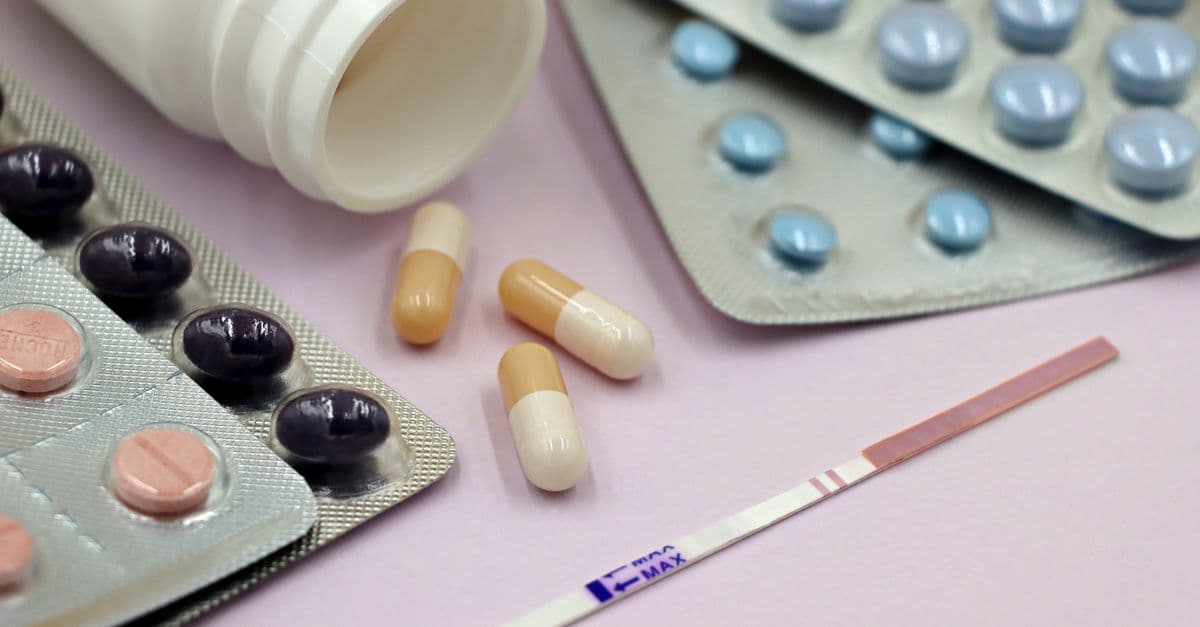
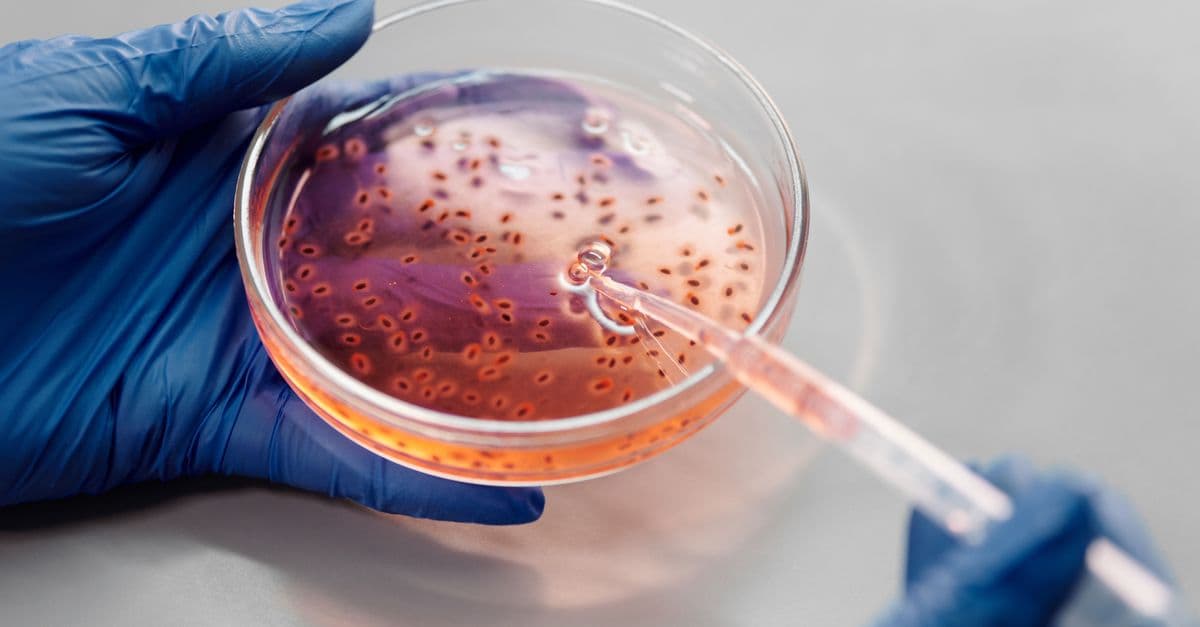
Photo: Marta Branco / Pexels
Hormones are chemical messengers that glands release into the bloodstream, and they decide far more of daily life than most people realize: when you feel hungry, how fast you burn energy, why you wake at dawn, how a body responds to a threat. Every cell is bathed in these signals, yet only cells with the matching receptor respond. This article follows a hormone from gland to target cell, explains the feedback loops that keep levels in range, and shows what happens clinically when the system drifts.
Educational content, not medical advice. Talk to your doctor before changing any medication, treatment, or routine. Information here reflects current research but every person's situation differs.
What a hormone is, and how the idea was born
Your body runs two communication networks side by side. The nervous system is the telephone line: fast, private, and aimed at a specific recipient through wires called neurons. The endocrine system is closer to a radio broadcast. A gland sends a signal out on a shared channel (the blood), every cell in range is exposed to it, and only the cells tuned to that station act on the message.
A hormone is a molecule secreted by an endocrine gland or specialized tissue into the bloodstream, where it travels to target cells that carry a matching receptor. The receptor is the tuner. A cell without it can sit in a high concentration of the hormone and ignore it completely.
The concept took shape over about half a century. In 1849, the German physiologist Arnold Berthold showed that castrated roosters lost male traits, and that a testis transplanted elsewhere in the body restored them, so the effect had to travel by a chemical in the blood rather than through nerves. In 1894, George Oliver and Edward Schäfer identified adrenaline as the active substance in adrenal extract. In 1902, William Bayliss and Ernest Starling found that a factor from the intestine, carried in the blood, triggered pancreatic secretion even when the nerves were cut, and Starling coined the word "hormone" in 1905, from a Greek root meaning to arouse or excite (overview with primary references: Wikipedia, "Hormone").
That history matters because it reveals the defining feature of the system. The signal is chemical, travels by blood, and is read by receptors. Everything else in endocrinology, from diabetes to menopause, is a variation on that pattern.
The three chemical families
Hormones fall into a few chemical classes, and the class predicts almost everything about how the hormone behaves: whether it can cross a cell membrane, how long it lasts, and how quickly it works.
| Class | Built from | Examples | Water or fat soluble | Where the receptor sits |
|---|---|---|---|---|
| Peptide and protein | Chains of amino acids | Insulin, glucagon, growth hormone, oxytocin, leptin, ghrelin, PTH | Water | Cell surface |
| Steroid | Cholesterol | Cortisol, aldosterone, testosterone, estradiol, progesterone | Fat | Inside the cell (cytoplasm or nucleus) |
| Amino-acid derived | A single amino acid, mostly tyrosine | Thyroid hormones (T3, T4), adrenaline, noradrenaline, melatonin | Mixed: thyroid hormones fat-soluble, adrenaline water-soluble | Thyroid hormones inside the cell, adrenaline at the surface |
Think of the water-soluble hormones as letters that must be handed to a doorbell on the outside of a house. The fat-soluble ones are more like couriers with a key: they slip through the wall and deliver their message directly to the control room. This is why the two groups differ so sharply in speed and duration, a point we return to below.
Where hormones come from
Most people know the thyroid and the pancreas. The list is longer than that, and it includes organs that do other jobs as well.
| Source | Main hormones | Main job |
|---|---|---|
| Hypothalamus | TRH, CRH, GnRH, dopamine, somatostatin | Reads the brain and body, then instructs the pituitary |
| Anterior pituitary | TSH, ACTH, growth hormone, FSH, LH, prolactin | Directs the thyroid, adrenals, gonads, and growth |
| Posterior pituitary | ADH (vasopressin), oxytocin | Water balance, labor, milk release (made in the hypothalamus, released here) |
| Pineal gland | Melatonin | Signals darkness to the body clock |
| Thyroid | T3, T4, calcitonin | Sets the pace of metabolism |
| Parathyroids | PTH | Raises blood calcium |
| Adrenal cortex | Cortisol, aldosterone | Stress response, glucose, salt and water |
| Adrenal medulla | Adrenaline, noradrenaline | Fight-or-flight |
| Pancreatic islets | Insulin, glucagon | Blood glucose |
| Ovaries and testes | Estradiol, progesterone, testosterone | Reproduction, bone, muscle |
| Fat, stomach, gut, heart, kidney | Leptin, ghrelin, GLP-1, ANP, EPO | Appetite, digestion, blood pressure, red cell production |
The pituitary is often called the "master gland," but the label flatters it. The hypothalamus, a small structure at the base of the brain, sends the orders, and the pituitary relays them. A better picture is a regional manager who takes instructions from headquarters and passes them to the field offices.
How a hormone gets its message inside a cell
The mechanism depends on solubility, and the two routes look nothing alike.
Water-soluble hormones: a relay race at the surface
Peptide hormones and adrenaline cannot cross the fatty membrane that wraps a cell. They bind a receptor sitting in the membrane, and most of these receptors belong to a large family called G protein-coupled receptors. Binding changes the receptor's shape, which switches on molecules inside the cell called second messengers, such as cyclic AMP and calcium. Those in turn activate enzymes called kinases, which switch other enzymes on or off.
The value of this design is amplification. One hormone molecule binding one receptor can set off a chain of enzyme reactions in which each step activates many molecules of the next. It resembles a row of dominoes where each domino knocks over ten more: a whisper at the doorbell turns into a noisy response in the house. It also explains the speed. No new proteins need to be built, because the cell is rearranging molecules that already exist, so effects start within seconds to minutes and fade quickly once the hormone is cleared.
Fat-soluble hormones: rewriting the instructions
Steroid hormones and thyroid hormones slip through the membrane and bind receptors inside the cell. The hormone-receptor complex moves to the nucleus and acts as a transcription factor (a protein that turns genes on or off by binding to specific DNA sequences). The cell then makes more or less of particular proteins (Wikipedia, "Hormone," with primary references).
This is slower because making new proteins takes time, but the effect is more durable. Altering which genes are active is less like pressing a light switch and more like rewriting a recipe card: the next batch comes out different, and it stays different until the card is changed back.
Why the same hormone can do different things
A hormone's effect is set by the receiving cell, not by the hormone alone. Cortisol tells liver cells to release glucose and tells certain immune cells to dial down inflammation, using the same receptor family in both cases. Adrenaline widens airways, speeds the heart, and narrows blood vessels in the gut, all in the same second. A cell's receptor type, its internal wiring, and its current state decide the outcome.
One practical consequence is that hormones act as a team. Insulin's effect on a muscle cell depends partly on whether that cell is also receiving signals from cortisol, growth hormone, or adrenaline. Endocrinologists rarely look at one hormone in isolation for this reason.
Carrier proteins and the free fraction
Many hormones, especially steroids and thyroid hormones, travel in the blood attached to carrier proteins. Only the small unbound portion can enter cells. The bound fraction acts as a reservoir that smooths out fluctuations and lengthens the time a hormone stays in circulation (Wikipedia, "Hormone"). This is why blood tests sometimes distinguish "total" from "free" hormone: the two numbers can differ when carrier protein levels change, for example in pregnancy or with some medications.
Speed at a glance
| Hormone | Typical onset | Why |
|---|---|---|
| Adrenaline | Seconds | Water-soluble, second-messenger cascade |
| Insulin, glucagon | Minutes | Water-soluble, cascade plus transporter movement |
| Cortisol (fast effects) | Minutes to hours | Mix of membrane and gene-based effects |
| Thyroid hormones | Hours to days | Nuclear receptors, new protein synthesis |
| Sex steroids | Hours to weeks | Gene-based, tissue remodeling |
| Growth hormone (growth effects) | Weeks to years | Gene-based, mediated by IGF-1 from the liver |
That is why an adrenaline injection can reverse a severe allergic reaction within minutes, while a steroid course takes hours to build its effect and days to wear off.
Negative feedback: the thermostat inside you
A house thermostat measures the temperature and switches the heater off when the room is warm enough. The endocrine system relies on the same trick, called negative feedback: the product of a pathway suppresses the pathway that made it. Without this, hormone levels would swing wildly.
The textbook example is the hypothalamic-pituitary-thyroid (HPT) axis:
- The hypothalamus releases thyrotropin-releasing hormone (TRH).
- TRH prompts the pituitary to release thyroid-stimulating hormone (TSH).
- TSH prompts the thyroid to release T4 and some T3. Most T4 is converted to the more active T3 in tissues.
- Rising T3 and T4 reduce TRH and TSH release, closing the loop.
The loop is also a diagnostic gift. When the thyroid fails, T4 falls, the brake on the pituitary lifts, and TSH rises. A high TSH with low T4 is the classic laboratory signature of primary hypothyroidism, and it often shows up before symptoms do. The pituitary is functioning perfectly; it is shouting because it cannot hear the answer.
The hypothalamic-pituitary-adrenal (HPA) axis works the same way for stress: CRH from the hypothalamus drives ACTH from the pituitary, which drives cortisol from the adrenal cortex, and cortisol suppresses both CRH and ACTH. The pancreas has its own loop with no pituitary involved. Rising blood glucose prompts insulin release, insulin pushes glucose into cells, and falling glucose shuts insulin release off.
The exceptions: positive feedback and rhythms
A few loops amplify rather than damp. During labor, stretching of the cervix prompts oxytocin release, oxytocin strengthens uterine contractions, and contractions cause more stretching, so the cycle builds until delivery. Positive loops like this are rare and always have an endpoint.
Many hormones also follow a clock. Cortisol typically peaks in the early morning and ebbs through the day. Growth hormone is released in pulses, with the largest pulses during deep sleep. Melatonin rises as light fades. A single blood test therefore captures one frame of a moving picture, which is why clinicians often specify the time of day when they order a hormone level. For more on the sleep side of this story, see how sleep affects the brain, and for the body-clock side, why jet lag happens.
Insulin and glucagon: running the glucose budget
After a meal, rising blood glucose signals beta cells in the pancreatic islets to release insulin. According to the National Institute of Diabetes and Digestive and Kidney Diseases (NIDDK), insulin helps glucose get into cells to be used for energy (NIDDK, "What Is Diabetes?"). Muscle and fat cells take up glucose, and the liver stores it as glycogen. Between meals, alpha cells release glucagon, which signals the liver to release stored glucose. Two hormones pulling in opposite directions keep the supply steady, much like a household that deposits paychecks and withdraws for bills while keeping the balance above zero. For a deeper look at the storage side, see how the body stores and releases glucose.
Clinical definitions rest on measured thresholds. The American Diabetes Association criteria, as summarized by NIDDK, for adults who are not pregnant:
| Category | Fasting plasma glucose | A1C |
|---|---|---|
| Normal | 99 mg/dL or below | Below 5.7% |
| Prediabetes | 100 to 125 mg/dL | 5.7% to 6.4% |
| Diabetes | 126 mg/dL or above | 6.5% or above |
Source: NIDDK, "Diabetes Tests and Diagnosis".
In type 1 diabetes, the immune system destroys the insulin-making cells, so the body makes little or no insulin and people need insulin daily. In type 2, cells do not use insulin properly, and the pancreas may not make enough to keep glucose normal. Type 2 is the most common form (NIDDK).
The scale is large. The International Diabetes Federation's 11th Atlas, released in April 2025, estimates that 589 million adults aged 20 to 79 live with diabetes, nearly one in nine, with about 252 million of them undiagnosed. It projects 853 million by 2050 (IDF). In the United States, NIDDK cites 37.3 million people, or 11.3% of the population, with diabetes as of 2019, and 96 million adults with prediabetes.
The thyroid: the pace setter
The thyroid, a butterfly-shaped gland at the base of the neck, releases T4 and T3, which set how fast cells use energy. Because nearly every tissue has thyroid receptors, the effects are broad: heart rate, body heat, digestion, mood, and the speed of recovery from exertion. The link to body heat is covered in how the body regulates temperature.
Hypothyroidism means the gland does not make enough hormone. NIDDK reports that nearly 5 out of 100 Americans aged 12 and older have it, most cases are mild, and women and adults over 60 are affected more often. The most common cause is Hashimoto's disease, an autoimmune condition in which the immune system attacks the thyroid. Symptoms develop slowly and are nonspecific: tiredness, weight gain, trouble staying warm, dry skin, thinning hair, and low mood. Treatment replaces the missing hormone with levothyroxine, a medicine identical to the hormone a healthy thyroid makes, with doses adjusted by blood tests (NIDDK, "Hypothyroidism").
Hyperthyroidism is the opposite problem. In Graves' disease, antibodies stimulate the TSH receptor, so the thyroid is driven constantly regardless of what the feedback loop says. That is a clear illustration of why autoimmunity can break an otherwise robust control system: the antibody impersonates the pituitary's signal and cannot be switched off by feedback.
Cortisol and adrenaline: the stress pair
When the brain detects a threat, two pathways activate. The fast one is nervous: the adrenal medulla releases adrenaline and noradrenaline within seconds, raising heart rate, widening airways, and diverting blood to muscles. The slower one is hormonal: the HPA axis releases cortisol over minutes, which mobilizes glucose, shapes immune activity, and prepares the body for sustained effort. The detailed story of that response is in cortisol and the stress response, and the psychology of living under chronic load is in the psychology of stress.
Both are protective in short bursts. The trouble comes with chronic exposure to cortisol, which is where the clinical conditions come from.
Cushing's syndrome is the state of prolonged excess cortisol. NIDDK states that its most common cause is long-term, high-dose use of cortisol-like glucocorticoid drugs, which treat conditions such as asthma, rheumatoid arthritis, and lupus. Endogenous Cushing's, where the body itself overproduces cortisol, is rare, with estimates of roughly 40 to 70 people per million. Signs include weight gain, a rounded face, a fatty hump between the shoulders, easy bruising, purple stretch marks, and muscle weakness (NIDDK, "Cushing's Syndrome").
Adrenal insufficiency, including Addison's disease, is the opposite failure. NIDDK notes it can be caused by autoimmune disease or by suddenly stopping steroid medicines that were being used for other conditions, and treatment replaces the hormones the body is not making, with doses adjusted during illness, surgery, or injury (NIDDK, "Adrenal Insufficiency"). This is why long-term steroid users are advised to taper under medical supervision: after months of external cortisol, the body's own HPA axis has gone quiet, and it needs time to restart.
Sex hormones, growth hormone, and the long game
Testosterone, estradiol, and progesterone are steroid hormones made in the testes, ovaries, and adrenal glands. Both sexes make all three; the ratios differ. They shape reproductive function, bone density, muscle mass, and aspects of mood and libido. The dedicated explainer on sex hormones covers the cycle and the life stages in depth.
Growth hormone (GH) comes from the anterior pituitary in pulses and stimulates the liver and other tissues to make insulin-like growth factor 1 (IGF-1), which drives much of the actual growth. Too little GH in childhood restricts growth. Too much before the growth plates close causes gigantism, and too much in adulthood causes acromegaly, with enlargement of the hands, feet, and facial bones.
Both examples show something characteristic of endocrine disease: because hormones act slowly and broadly, the early signs are subtle and easy to attribute to aging or lifestyle. Rings that no longer fit and a changing face are what a patient notices, years after the gland began to overproduce.
Melatonin, leptin, and ghrelin: the rhythm and appetite hormones
Melatonin
The pineal gland releases melatonin as light fades, signaling night to the body. Light at the wrong time can shift that signal. In a small inpatient crossover study published in PNAS in December 2014, 12 adults spent five evenings reading on a light-emitting tablet and five evenings reading a print book, with melatonin tracked through hourly blood samples. After the tablet evenings they took nearly 10 minutes longer to fall asleep and were more tired and slower to become alert the next morning (Chang et al., PNAS, summarized by Penn State). The study was small and tested one kind of device, so it shows a plausible mechanism rather than a precise rule for every screen.
Leptin and ghrelin
Leptin is made by fat tissue and signals the brain about energy stores. Ghrelin is made mainly in the stomach and rises before meals. The picture is not as tidy as "stop" and "go." The gene for leptin was cloned in 1994, and early hopes held that the hormone could treat obesity. Instead, researchers found that leptin levels rise in proportion to body fat, so most people with obesity have high leptin and a blunted response to it, a state called leptin resistance. Leptin treatment had little or no effect on obesity in the general population and is now used mainly for exceptionally rare cases of total leptin deficiency and for rare lipodystrophies (Flier and Ahima, JCI, 2024).
The lesson is that a hormone can be present, abundant, and still ineffective if the receiving circuitry stops listening. The same idea applies to insulin resistance in type 2 diabetes. For a broader view of sugar and appetite, see whether sugar is really that bad for you.
Oxytocin, serotonin, and the "feel-good hormone" problem
Popular media love to attach a single emotion to a single molecule: oxytocin is the "love hormone," serotonin the "happiness chemical," dopamine the "pleasure chemical." The real picture is messier. Oxytocin is released in labor and breastfeeding, and its effects on social behavior depend on context, and are not reliably warm in every setting. Serotonin and dopamine are better described as neurotransmitters that also act in the gut and elsewhere, and their roles in the brain are about modulation and learning, not pleasure alone. Our explainer on dopamine and motivation takes that apart.
Gut chemistry is a good example of why labels mislead. Enterochromaffin cells lining the colon make serotonin, and a 2015 study in mice and humans found that spore-forming gut bacteria promote that production, with gut-derived serotonin influencing gut motility and platelet function (Yano et al., Cell, 2015). Gut serotonin does not simply flow to the brain as mood chemistry, but the finding illustrates how hormone-like signaling runs through organs we do not usually call glands. For the larger picture, see the gut microbiome explained and anxiety neuroscience.
Major hormones at a glance
| Hormone | Gland | Class | Primary effect | When it goes wrong |
|---|---|---|---|---|
| Insulin | Pancreas (beta cells) | Peptide | Lowers blood glucose | Type 1 and type 2 diabetes |
| Glucagon | Pancreas (alpha cells) | Peptide | Raises blood glucose | Severe low blood sugar in some settings |
| T3 and T4 | Thyroid | Amino-acid derived | Sets metabolic rate | Hypothyroidism, hyperthyroidism |
| Cortisol | Adrenal cortex | Steroid | Stress response, glucose mobilization | Cushing's syndrome, adrenal insufficiency |
| Adrenaline | Adrenal medulla | Amino-acid derived | Fight-or-flight | Pheochromocytoma (a tumor that oversecretes) |
| Testosterone | Testes, adrenals | Steroid | Male reproductive function, muscle, bone | Hypogonadism |
| Estradiol and progesterone | Ovaries | Steroid | Menstrual cycle, pregnancy, bone | Menopause, polycystic ovary syndrome |
| Growth hormone | Anterior pituitary | Peptide | Growth, IGF-1 release | Short stature, acromegaly, gigantism |
| Melatonin | Pineal | Amino-acid derived | Circadian timing | Sleep-timing disorders |
| Oxytocin | Posterior pituitary | Peptide | Labor, milk release | Rarely a primary disorder |
| Leptin | Fat tissue | Peptide | Energy-store signal | Lipodystrophy, leptin resistance |
| Ghrelin | Stomach | Peptide | Hunger signal | Elevated in Prader-Willi syndrome |
| PTH | Parathyroids | Peptide | Raises blood calcium | Hyper- and hypoparathyroidism |
| Aldosterone | Adrenal cortex | Steroid | Sodium and water retention | Conn's syndrome, adrenal insufficiency |
| ADH | Posterior pituitary | Peptide | Water retention in kidney | Diabetes insipidus |
The two water-balance hormones in that table are covered at the physiological level in how kidneys balance salt and water and how your body knows it is thirsty.
What goes wrong: a map of endocrine disease
Endocrine disorders usually fall into one of four patterns, which is a useful way to organize the list.
- Too little hormone. The gland is damaged, destroyed, or removed. Examples include type 1 diabetes, Hashimoto's hypothyroidism, and Addison's disease. Treatment is typically replacement.
- Too much hormone. A tumor or overactive tissue oversecretes. Examples include Cushing's disease from a pituitary tumor and acromegaly.
- Normal hormone, poor response. Receptors or downstream signals fail. Type 2 diabetes and leptin resistance are the standard cases.
- Broken control signal. The feedback loop itself is defeated, as in Graves' disease, where an antibody mimics TSH.
A few disorders deserve a sentence of their own. Polycystic ovary syndrome combines irregular ovulation, elevated androgens, and frequently insulin resistance, and it is a reminder that reproductive and metabolic hormones are tightly linked. Diabetes insipidus involves deficiency of or resistance to ADH, producing very large volumes of dilute urine; despite the name, it is unrelated to blood glucose.
Diagnosis normally begins with blood tests chosen to match the loop being tested. A clinician checking the thyroid orders TSH first because the pituitary is the most sensitive reporter on the status of the thyroid. A clinician suspecting Cushing's needs to consider the time of day, since cortisol naturally varies, and may use several different tests. The logic is always the same: find which link of the chain is off.
Hormone therapy and the limits of "balancing"
The online phrase "balance your hormones" is marketing language, not a clinical concept. Endocrinologists do not think of hormones as a scale that needs leveling; they think of loops that either work or do not. Lifestyle factors such as sleep, physical activity, body weight, and alcohol use affect insulin sensitivity, cortisol rhythm, and sex hormone levels, and the well-evidenced effects are real but modest and individual. Over-the-counter "hormone support" supplements are another matter: they are sold largely without the evidence of benefit that a prescription medicine must show, and anyone with symptoms that might reflect a thyroid, adrenal, or reproductive problem is better served by a blood test than by a supplement.
Menopausal hormone therapy shows how hard the risk-benefit question can be. The Women's Health Initiative, which enrolled more than 68,000 postmenopausal women across three trials, reported that estrogen plus progestin raised the risk of heart disease, stroke, blood clots, breast cancer, and dementia, and that hormone therapy should not be used to prevent heart disease (NHLBI, Women's Health Initiative). The findings, first announced in 2002, reshaped practice. Menopause hormone therapy remains an accepted treatment for troublesome symptoms in some women, and the decision depends on age, time since menopause, symptoms, and personal and family history. That conversation belongs with a clinician, not a web page.
The takeaway
The endocrine system is a communication network built around three ideas: a molecule released into the blood, a receptor that decides who listens, and a feedback loop that keeps the volume in range. Fast hormones work through relay cascades at the cell surface, slow ones rewrite gene activity, and nearly everything about their timing, duration, and failure modes follows from that split.
The practical insight is that most endocrine problems are control problems rather than shortages of a single chemical. A thyroid can fail, a pituitary can overreact, a receptor can stop responding, or an antibody can hijack the signal. Understanding which part of the loop is broken is what turns a vague symptom into a testable question, and it is why hormone medicine depends on measurement rather than on guesses about balance.
FAQs
Q: How are hormones different from neurotransmitters? A: Neurotransmitters cross a tiny gap between neurons in a fraction of a millisecond and act on the neighboring cell. Hormones are released into the blood and can reach cells throughout the body, acting over seconds to days. Some molecules, including noradrenaline, serve in both roles depending on where they are released.
Q: Why does one hormone cause so many different effects? A: The effect depends on the receiving cell. Different tissues carry different receptor subtypes and different internal signaling machinery, so the same molecule can raise glucose release in the liver while damping inflammation in immune cells. Hormones also act in combination, so a cell's response reflects the whole mix of signals it receives.
Q: Can you balance hormones with food or supplements? A: Sleep, physical activity, body weight, and diet influence insulin sensitivity, cortisol rhythm, and sex hormone levels, so lifestyle matters. Marketed "hormone balance" supplements are a different category: they are sold largely without the testing required of drugs, and the evidence for most is weak. Persistent symptoms deserve a clinical evaluation with blood tests.
Q: Why do steroid medicines such as prednisone have so many side effects? A: Synthetic glucocorticoids mimic cortisol, which is why they are strong anti-inflammatories. They also act on the same receptors that cortisol uses in the liver, bone, muscle, and fat. NIDDK identifies long-term, high-dose glucocorticoid use as the most common cause of Cushing's syndrome, and stopping these drugs suddenly can cause adrenal insufficiency, so tapering is supervised.
Q: How fast do hormones act? A: It depends on the class. Adrenaline acts in seconds and insulin in minutes, because they work through cell-surface relay cascades. Thyroid hormones and steroids work through gene changes, so their full effects take hours to days. Growth effects mediated by IGF-1 unfold over weeks to years.
Q: Is hormone replacement therapy safe? A: It depends on the hormone, dose, age, and personal risk. Thyroid replacement with levothyroxine is routine and monitored by blood tests. For menopausal hormone therapy, the Women's Health Initiative linked estrogen plus progestin to higher risks of heart disease, stroke, blood clots, breast cancer, and dementia, so the decision is individual and made with a clinician.
Sources
- National Institute of Diabetes and Digestive and Kidney Diseases. "What Is Diabetes?" and "Diabetes Tests and Diagnosis".
- NIDDK. "Hypothyroidism", "Cushing's Syndrome", and "Adrenal Insufficiency and Addison's Disease".
- International Diabetes Federation. "IDF Diabetes Atlas, 11th edition" (April 2025).
- National Heart, Lung, and Blood Institute. "Women's Health Initiative".
- Yano, J. M., et al. (2015). "Indigenous bacteria from the gut microbiota regulate host serotonin biosynthesis." Cell 161(2):264-276.
- Flier, J. S., and Ahima, R. S. (2024). "Leptin physiology and pathophysiology: knowns and unknowns 30 years after its discovery." JCI.
- Chang, A.-M., et al. (2014). Evening use of light-emitting eReaders negatively affects sleep, circadian timing, and next-morning alertness. PNAS. Summary: Penn State.
- Wikipedia. "Hormone" (overview of history, chemical classes, and receptor mechanisms, with primary references).
- Guyton, A. C., and Hall, J. E. (2020). Textbook of Medical Physiology (14th ed.). Elsevier.
- Melmed, S., et al. (2019). Williams Textbook of Endocrinology (14th ed.). Elsevier.
- Sapolsky, R. M. (2004). Why Zebras Don't Get Ulcers. Holt Paperbacks.
Follow new articles
Add SciHub101 to your feed reader to see new science and technology stories.
About the Author
SciHub101 is an independent science and technology publication founded and edited by Buğra Sözeri, a software engineer and app developer based in Türkiye. AI tools assist with drafting and research. Source documentation in the existing archive is uneven, and articles are being reviewed and corrected. The Editorial Team byline identifies editorial responsibility; it does not certify specialist or independent human review. Where we compare products, anything built by our own team is labelled as such — see the editorial guidelines and About page for how corrections and disclosures work.
Related Articles
Mitosis vs Meiosis — Cell Division Explained
How cells divide for growth and reproduction, the phases of mitosis and meiosis, checkpoints, and what goes wrong in cancer and Down syndrome.
Dopamine Explained — Motivation, Reward, Addiction
Dopamine isn't the pleasure molecule — it's the reward prediction signal. Pathways, receptors, Parkinson's, addiction, and the detox myth.

Cortisol and the Stress Response — How Your Body Handles Pressure
How cortisol and the HPA axis work, why the daily cortisol rhythm matters, what chronic stress does to the body, and what the evidence says about cortisol.
Oxytocin — The Bonding Hormone and What It Actually Does
What oxytocin does in the body and brain: childbirth, milk release, bonding, and trust, plus why the love hormone label and nasal sprays claim more than evidence shows.

Why Do We Shiver? Body's Heat-Making Reflex
Why do we shiver when cold? Inside the hypothalamus, muscle thermogenesis, brown fat (BAT), fever shivers, and what infants do instead.
Sex Hormones Explained — Testosterone and Estrogen
How testosterone, estrogen, and progesterone shape the body, the menstrual cycle, puberty, and menopause — and the science of hormone therapy.