The Gut Microbiome Explained — Your Inner Ecosystem
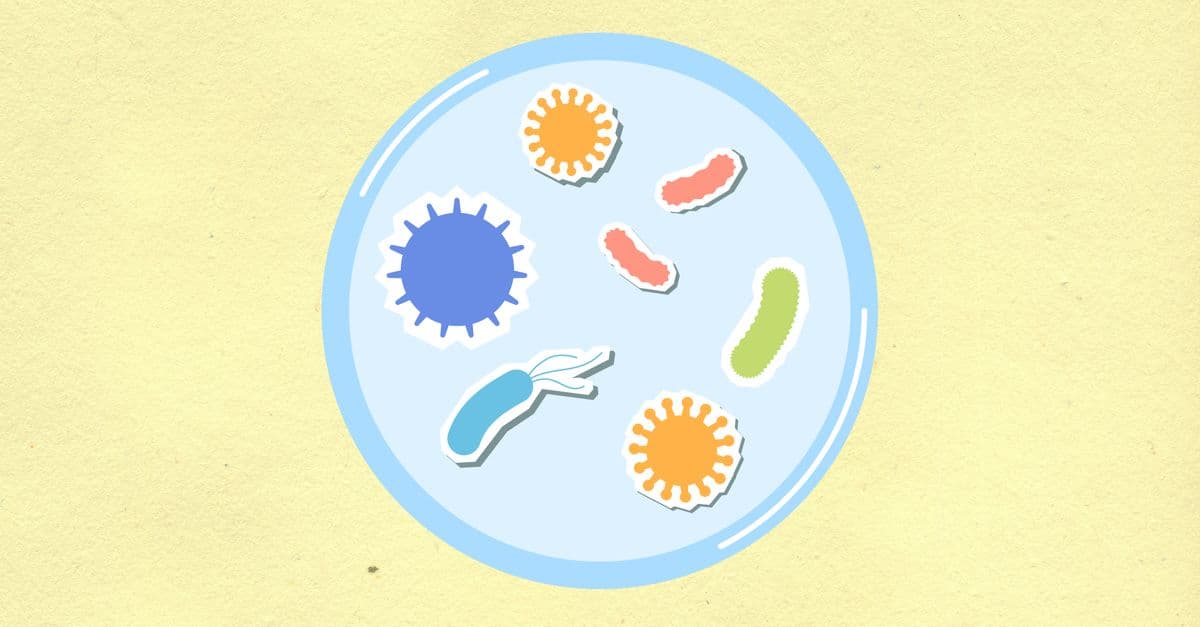
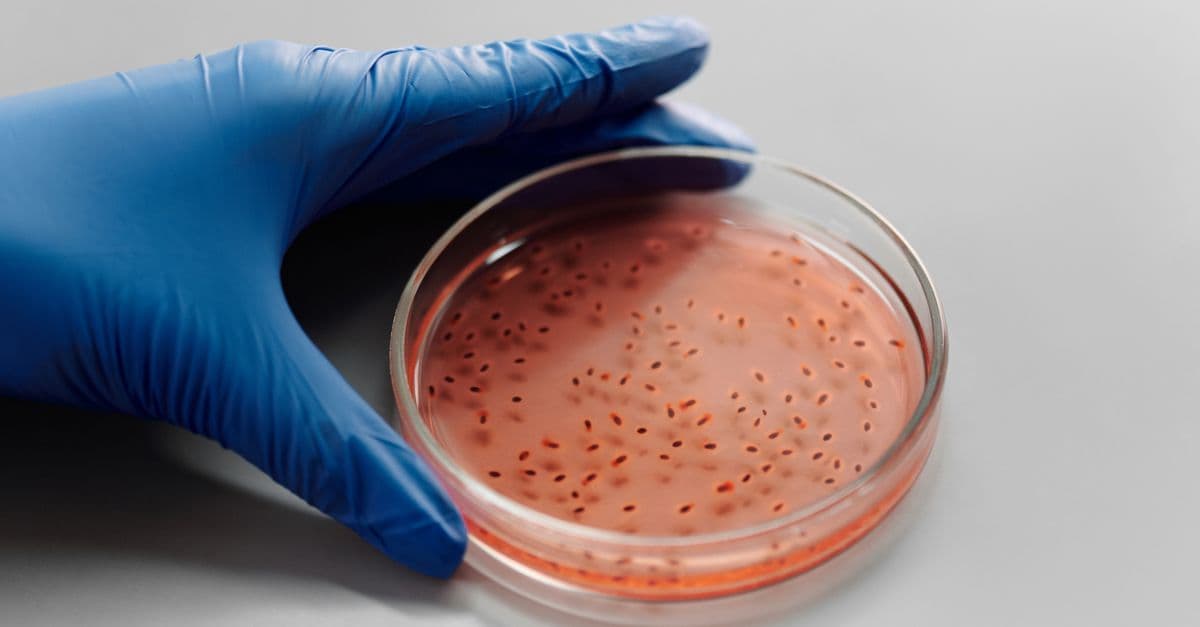
Photo: Monstera Production / Pexels
You are not entirely human, at least by cell count. Your body carries roughly as many bacterial cells as human cells, and the overwhelming majority of those bacteria live in your large intestine. This community, the gut microbiome, has become one of the most active areas of modern biology. It is clearly involved in digesting food and in shaping the immune system. It is also linked, in ways scientists are still untangling, to metabolism, mood and some brain diseases.
That second group of claims is where public discussion often runs ahead of the evidence. This article explains what the gut microbiome is, how it is studied, what it reliably does, and which headline findings are still early research. It describes science, not treatment: it does not recommend diets, supplements or tests.
Educational content, not medical advice. Talk to your doctor before changing any medication, treatment, diet or routine. Information here reflects current research, but every person's situation differs.
What Is the Gut Microbiome?
Strictly, "microbiota" means the microorganisms living in a particular place, and "microbiome" means those organisms together with their genes and the environment they create. In everyday use the two words are often interchanged. The gut microbiota includes bacteria, archaea (single-celled organisms that look like bacteria but are a separate domain of life), fungi, viruses, many of them bacteriophages that infect bacteria, and sometimes protozoa. Bacteria dominate by number and are the best studied.
Most of these microbes live in the colon. The stomach is too acidic and the small intestine moves its contents too quickly for dense populations, whereas the colon is slow-moving, low in oxygen and supplied with food that human enzymes failed to break down upstream. For the journey food takes before it reaches them, see How Digestion Works: The Gut, Microbiome, and the Second Brain.
How Many Microbes? Revising a Famous Number
For decades, textbooks claimed that bacteria outnumbered human cells by about ten to one. That figure traced back to a rough 1970s estimate and was repeated for years without being rechecked.
In 2016, Ron Sender, Shai Fuchs and Ron Milo at the Weizmann Institute of Science published a careful recount in PLoS Biology. For a "reference man" (70 kg, 20 to 30 years old, 170 cm tall) they estimated about 3.8 × 10¹³ bacteria, roughly 38 trillion, mostly in the colon, and about 3.0 × 10¹³ human cells, roughly 30 trillion. That gives a ratio of about 1.3 to 1, not 10 to 1. About 84% of the human cells by count are red blood cells, which are small and numerous. The bacteria together weigh only about 0.2 kg.
The new estimate does not make the microbiome less important. It simply replaces a catchy number with a measured one, and it is a useful reminder that even widely repeated microbiome "facts" deserve scrutiny.
How Scientists Study the Microbiome
Most gut bacteria are hard to grow in a laboratory dish, so the modern field rests on DNA sequencing:
- 16S rRNA sequencing reads one marker gene that all bacteria carry and that differs between groups. It is cheap and shows which kinds of bacteria are present, usually down to the genus level.
- Shotgun metagenomics sequences all the DNA in a sample. It identifies species and strains more precisely and reveals which genes, and therefore which possible metabolic functions, the community carries.
- Metabolomics measures the small molecules microbes produce, such as short-chain fatty acids.
- Germ-free animals, raised in sterile isolators with no microbes at all, let researchers add specific microbes and see what changes. They are powerful for showing cause and effect, but mouse biology and mouse diets differ from human ones.
The landmark population study was the US National Institutes of Health's Human Microbiome Project. Its 2012 reference paper in Nature sampled 242 healthy adults in the St. Louis and Houston areas, collecting 4,788 specimens from up to 18 body sites, including stool to represent the gut. Its key findings have shaped the field since. Even healthy people differ remarkably in which microbes they carry. No single bacterial group was found in every person and every body site. Yet the metabolic pathways the communities carried were far more consistent from person to person than the species carrying them. In other words, different combinations of microbes can do similar jobs.
Most stool studies measure the microbes leaving the colon, not those clinging to its wall, and a sample is a snapshot of one moment. Those limits are important when reading any single headline result.
The Major Bacterial Groups
Gut bacteria are classified into large groups called phyla. Taxonomists renamed several of them in 2021, so newer papers use different names from older ones:
| Older name | Current name | Typical role in the gut |
|---|---|---|
| Firmicutes | Bacillota | Large, diverse group; includes many fiber fermenters that produce butyrate, such as Faecalibacterium prausnitzii |
| Bacteroidetes | Bacteroidota | Specialists in breaking down complex plant polysaccharides, for example Bacteroides thetaiotaomicron |
| Actinobacteria | Actinomycetota | Includes Bifidobacterium, often abundant in breastfed infants |
| Proteobacteria | Pseudomonadota | Usually a small fraction; includes E. coli and pathogens such as Salmonella |
| Verrucomicrobia | Verrucomicrobiota | Includes Akkermansia muciniphila, which feeds on intestinal mucus |
Bacillota and Bacteroidota usually make up most of the adult gut community, but the proportions vary widely between healthy people, and phylum-level ratios are now considered too coarse to say much about any individual's health.
What the Microbiome Actually Does
Fermenting What We Cannot Digest
Human enzymes cannot break down most dietary fiber or resistant starch. Gut bacteria can. In the oxygen-poor colon they ferment these carbohydrates into short-chain fatty acids (SCFAs), mainly acetate, propionate and butyrate, along with gases such as hydrogen and carbon dioxide.
- Butyrate is a major energy source for the cells lining the colon and is studied for its role in maintaining the gut barrier and calming inflammation.
- Propionate is largely taken up by the liver, where it feeds into glucose metabolism.
- Acetate is the most abundant and circulates more widely in the blood.
This fermentation is one of the best-established functions of the microbiome. How much it contributes to any particular health outcome in people is a more open question.
Some gut bacteria also make vitamins, including vitamin K and several B vitamins. How much of that supply humans actually absorb is debated, because much of it is made in the colon, beyond the main absorption sites for some of those vitamins. Bacteria also transform bile acids, drugs and other compounds, which is one reason people can respond differently to the same medication.
Defending Against Invaders
A dense, established microbial community makes it harder for incoming pathogens to gain a foothold, a property called colonisation resistance. Resident microbes compete for nutrients and space, and some produce compounds that inhibit rivals. The clearest human evidence is what happens when this defence is removed: antibiotics that disturb the gut community make people more vulnerable to Clostridioides difficile, a bacterium that can cause severe, recurrent diarrhoea.
Training the Immune System
The gut wall contains a large share of the body's immune cells, organised in gut-associated lymphoid tissue such as Peyer's patches. That immune tissue faces a difficult task: tolerate food and the trillions of resident microbes while still attacking real pathogens. Microbes help train it. Germ-free mice have underdeveloped gut immune tissue and abnormal immune responses, which improve when microbes are introduced. For background on how immune cells tell friend from foe, see How the Immune System Actually Works and How the Immune System Recognizes Threats.
The Gut-Brain Axis
The gut and brain communicate in both directions along what is called the gut-brain axis. The channels include the vagus nerve, the enteric nervous system (a network of hundreds of millions of neurons in the gut wall), hormones, immune signals and circulating microbial metabolites.
Serotonin is a good example of a real finding that is often misread. Most of the body's serotonin, an estimated 90%, is made in the digestive tract, mainly by enterochromaffin cells in the gut lining. In a 2015 Cell study, Caltech researchers led by Elaine Hsiao found that enterochromaffin cells from germ-free mice made about 60% less serotonin than those from mice with normal gut bacteria, and that particular spore-forming bacteria promoted its production. But gut serotonin acts mainly in the gut and blood, regulating intestinal movement and platelet function. Serotonin itself does not cross the blood-brain barrier, so "your gut makes your happy chemicals" is a misleading summary.
Studies have found differences in gut microbiome composition between people with and without anxiety or depression, and in rodents, transferring gut microbes from one animal to another can transfer some behaviours. In people, however, most evidence is still correlational, and it is hard to separate cause from effect: mood disorders change diet, sleep, activity and medication use, all of which change the microbiome. Poor sleep and disrupted daily rhythms are linked to microbiome changes too, in a relationship that is also under active investigation. Irritable bowel syndrome, where gut-brain signalling is central, is discussed in The Biology of IBS: How the Gut-Brain Axis Actually Works.
Dysbiosis: When the Balance Shifts
"Dysbiosis" describes a microbial community that differs from what is typical in healthy people, often with lower diversity or an overgrowth of particular groups. It is a useful research term but a loose one, because there is no single agreed definition of a healthy microbiome. Many diseases are associated with dysbiosis; far fewer have been shown to be caused by it.
Inflammatory bowel disease (IBD). People with Crohn's disease and ulcerative colitis consistently show reduced microbial diversity and lower levels of some butyrate producers. Whether these changes start the disease, sustain it or result from inflammation is still being studied; genetics and the immune response are clearly central.
Obesity. A widely cited 2006 Nature study by Peter Turnbaugh and colleagues in Jeffrey Gordon's lab reported that the gut microbes of obese mice extracted more energy from food, and that germ-free mice colonised with microbes from obese mice gained more fat than those colonised from lean mice. That showed that microbes can influence weight in mice. Human studies have been far less consistent, and the once-popular idea that a simple Firmicutes-to-Bacteroidetes ratio marks obesity has not held up well.
Type 2 diabetes. Some metagenomic studies have found fewer butyrate-producing bacteria in people with type 2 diabetes. Interpreting this is complicated by medication: metformin, a common diabetes drug, itself alters the gut microbiome.
Parkinson's disease. Constipation and other gut symptoms often appear years before the movement problems of Parkinson's disease. In 2003 Heiko Braak and colleagues proposed a staging scheme in which the disease's characteristic protein aggregates, alpha-synuclein, may appear early in the gut's nerves and in the lower brainstem, raising the possibility that the process starts in the gut and spreads via the vagus nerve. This remains a hypothesis; it may describe some patients but not others.
Colorectal cancer. Specific bacteria, such as certain strains of Fusobacterium nucleatum and toxin-producing E. coli, are found more often in colorectal tumours and are being investigated for possible roles in tumour growth.
What Shapes Your Microbiome
Birth and Early Life
The gut is colonised from birth. Studies consistently find that babies born vaginally and by caesarean section start with different early microbial communities, with vaginally born infants carrying more maternal gut and vaginal microbes. These differences tend to narrow over the first year or so. Whether they have lasting health consequences is not settled, because the reasons for a caesarean, antibiotics around birth and feeding method are all tangled together.
Breast milk contains human milk oligosaccharides, complex sugars that the infant cannot digest but that certain Bifidobacterium strains, notably B. longum subsp. infantis, can. This is a clear example of co-evolution: milk partly feeds the baby's microbes rather than the baby. The adult-like community generally forms over the first few years of life.
Diet
Diet is one of the strongest everyday influences on the gut microbiome, partly because it determines what reaches the colon to be fermented. Large dietary shifts can measurably change the community within days, although a person's community also tends to return toward its usual pattern.
Controlled trials remain small. In one 2021 study from Stanford's Sonnenburg and Gardner labs, published in Cell, 36 healthy adults were randomly assigned to a high-fermented-food diet or a high-fiber diet for 10 weeks. According to Stanford Medicine's summary, the fermented-food group showed increased microbial diversity and decreases in 19 inflammatory proteins measured in blood, while in the fiber group average diversity stayed stable and those 19 proteins did not fall. This was a small, short trial in healthy volunteers. It is interesting evidence about how the microbiome responds to diet, not a basis for dietary advice.
Antibiotics and Other Medicines
Antibiotics are among the most disruptive influences, because they kill many harmless bacteria along with the target. Studies of healthy volunteers show that many groups recover within weeks to months after a course, but recovery can be incomplete for some species. Other common drugs, including proton pump inhibitors and metformin, also shift the community. Antibiotic use additionally selects for resistance genes that can move between gut bacteria, a topic covered in How Antibiotic Resistance Spreads. The history of the drugs themselves is told in Antibiotics Invention: Penicillin, Fleming, Florey, and Chain.
Geography, Lifestyle and Age
Microbiomes differ markedly between populations. Studies of people living rural or traditional lifestyles often find higher diversity than in industrialised urban populations, along with groups of bacteria that are rare or missing in the latter. Ageing is associated with gradual changes in the community, and physical activity, sleep and stress have all been linked to microbiome differences in observational studies, though separating these factors from diet and health status is difficult.
Established vs Early: A Reality Check
| Claim | Strength of evidence | Notes |
|---|---|---|
| Bacteria in the body number about as many as human cells | Well established | Sender, Fuchs and Milo, 2016 |
| Gut microbes ferment fiber into short-chain fatty acids | Well established | Core microbial metabolism |
| Microbes are needed for normal immune development | Strong in animals | Germ-free mouse studies; consistent with human observations |
| Disrupting the microbiome raises C. difficile risk | Well established | Antibiotic exposure is a major risk factor |
| Donor stool can prevent recurrent C. difficile infection | Strong clinical evidence | Randomised trials; FDA-approved product |
| Gut microbes influence weight | Strong in mice, mixed in humans | Turnbaugh 2006 and later studies |
| Microbiome changes cause depression or anxiety | Early | Mostly correlational in people |
| Parkinson's disease begins in the gut | Hypothesis | Braak staging; may apply to a subset |
| Commercial stool tests diagnose health problems | Not established | No agreed definition of a healthy microbiome |
Fecal Microbiota Transplantation (FMT)
The most compelling human evidence that the microbiome can be causal comes from fecal microbiota transplantation: transferring processed stool from a screened healthy donor into a patient's gut to restore a functioning community.
The clearest use is recurrent C. difficile infection, where repeated antibiotic courses often fail. In a 2013 randomised trial in the New England Journal of Medicine, Els van Nood and colleagues in Amsterdam compared donor feces infused through a tube into the small intestine against standard vancomycin antibiotic treatment. The trial was stopped early, after 43 of a planned 120 patients, because diarrhoea resolved in 15 of 16 patients given fecal infusion, while most patients in the antibiotic-only groups relapsed.
On November 30, 2022, the US Food and Drug Administration approved Rebyota, the first fecal microbiota product, to prevent recurrence of C. difficile infection in adults after antibiotic treatment. In its phase 3 trial, the treatment's eight-week success rate was 70.6%, compared with 57.5% for placebo, as reported by CIDRAP at the University of Minnesota. The FDA also noted that, because the product comes from human stool, it may carry a risk of transmitting infectious agents, which is why donors are screened.
Research into FMT for IBD, metabolic disease and other conditions is ongoing, but outside recurrent C. difficile the evidence remains preliminary. FMT should only happen under medical supervision; unscreened home procedures can transmit infections.
Common Misconceptions
"There are ten times more bacterial cells than human cells." The careful 2016 estimate puts the ratio closer to 1.3 to 1.
"There is one healthy microbiome." The Human Microbiome Project found large differences between healthy people. Researchers increasingly look at functions and resilience rather than a fixed list of "good" species.
"Gut bacteria make the serotonin in your brain." Most of the body's serotonin is made in the gut, but it does not cross into the brain. Gut-brain signalling works through nerves, immune signals and other metabolites instead.
"All gut bacteria are good," or "all are bad." The same species can be harmless in one context and harmful in another, and many functions depend on the whole community rather than single microbes.
"A microbiome study in mice proves the same in people." Mouse findings are essential for testing mechanisms, but many have not translated to humans. Look for randomised human trials before treating a claim as established.
Open Questions
Researchers are still working on several basic problems. What counts as a healthy community, given how much individuals vary? How much of the link between microbiome and disease runs from microbes to disease and how much the other way? Can microbial functions be measured reliably enough to guide care? And how will the growing list of microbiome-derived medicines, such as defined bacterial consortia, compare with whole-stool transplants? Our overview Microbiome Research: Bacteria in Human Health Explained follows these research directions, and The Skin Microbiome covers the body's outer microbial ecosystem.
Frequently Asked Questions
Q: What is the difference between the microbiota and the microbiome? A: The microbiota is the community of microorganisms living in a place, such as the colon. The microbiome strictly includes those organisms plus their collective genes and the environment they create. In everyday writing, the terms are often used interchangeably.
Q: How many bacteria live in the human gut? A: A 2016 estimate by Sender, Fuchs and Milo puts the number of bacteria in a reference adult at about 38 trillion, mostly in the colon, compared with about 30 trillion human cells. The bacteria together weigh roughly 0.2 kg.
Q: How do I know if my gut microbiome is healthy? A: There is currently no agreed definition of a healthy microbiome, and commercial stool tests are not validated for diagnosing disease. Persistent digestive symptoms such as pain, changes in bowel habit or bleeding need evaluation by a doctor, not a microbiome profile.
Q: Can the microbiome recover after antibiotics? A: Studies in healthy volunteers show that many bacterial groups return within weeks to months, but some species may not fully recover, especially after repeated courses. Antibiotics remain essential medicines; decisions about them belong with a clinician.
Q: Does the gut microbiome affect the brain and mood? A: The gut and brain clearly communicate through nerves, hormones and immune signals, and animal studies show that microbes can influence behaviour. In humans, links between the microbiome and depression or anxiety are still mostly correlational, and cause and effect are not yet established.
Q: What is a fecal microbiota transplant used for? A: Its established use is preventing recurrent Clostridioides difficile infection, supported by randomised trials and, since November 2022, an FDA-approved product called Rebyota. Uses for other conditions are still being researched in clinical trials.
Q: Are probiotics the same as the gut microbiome? A: No. Probiotics are specific live microbes sold or studied for possible benefits, and their effects depend on the strain and the condition. Most do not permanently settle in the gut. Anyone considering them for a health problem should discuss it with a doctor or pharmacist.
Sources
- Sender, R., Fuchs, S., & Milo, R. (2016). Revised Estimates for the Number of Human and Bacteria Cells in the Body. PLoS Biology, 14(8), e1002533.
- The Human Microbiome Project Consortium (2012). Structure, function and diversity of the healthy human microbiome. Nature, 486, 207–214.
- Caltech (2015). Microbes Help Produce Serotonin in Gut (on Yano et al., Cell 161, 264–276).
- Stanford Medicine (2021). Fermented-food diet increases microbiome diversity, lowers inflammation (on Wastyk et al., Cell 184, 4137–4153).
- CIDRAP (2022). FDA approves fecal microbiota product for recurrent C difficile.
- van Nood, E., et al. (2013). Duodenal Infusion of Donor Feces for Recurrent Clostridium difficile. New England Journal of Medicine, 368, 407–415.
- Turnbaugh, P. J., et al. (2006). An obesity-associated gut microbiome with increased capacity for energy harvest. Nature, 444, 1027–1031.
- Braak, H., et al. (2003). Staging of brain pathology related to sporadic Parkinson's disease. Neurobiology of Aging, 24(2), 197–211.
- Fan, Y., & Pedersen, O. (2021). Gut microbiota in human metabolic health and disease. Nature Reviews Microbiology, 19, 55–71.
Follow new articles
Add SciHub101 to your feed reader to see new science and technology stories.
About the Author
SciHub101 is an independent science and technology publication founded and edited by Buğra Sözeri, a software engineer and app developer based in Türkiye. AI tools assist with drafting and research. Source documentation in the existing archive is uneven, and articles are being reviewed and corrected. The Editorial Team byline identifies editorial responsibility; it does not certify specialist or independent human review. Where we compare products, anything built by our own team is labelled as such — see the editorial guidelines and About page for how corrections and disclosures work.
Related Articles
AlphaFold: How AI Solved Protein Folding
DeepMind's AlphaFold solved a 50-year biological mystery: predicting how proteins fold.
How Memory Works — The Neuroscience of Remembering
How the brain encodes, stores, and retrieves memories: the hippocampus, long-term potentiation, sleep consolidation, forgetting, and why false memories feel real.
How Digestion Works: The Gut, Microbiome, and the Second Brain
Your gut is home to roughly 38 trillion bacteria, contains more neurons than your spinal cord, and sends more signals to your brain than it receives back. Here is the full mechanism — from the first bite to the last cell.

Why Does Your Stomach Growl? The Biology
Borborygmi explained: why your stomach growls when hungry, after meals, and in quiet rooms — plus when those sounds signal a real problem.
The Skin Microbiome — Your Body's Outer Ecosystem
Your skin hosts ~1,000 bacterial species, fungi, viruses, and mites. How the skin microbiome shapes acne, eczema, odor, and immunity.
The Biology of IBS: How the Gut-Brain Axis Actually Works
IBS involves visceral hypersensitivity, gut motility changes, and gut-brain signaling. Explore the biology behind IBS — not a diagnosis guide.