The Biology of IBS: How the Gut-Brain Axis Actually Works

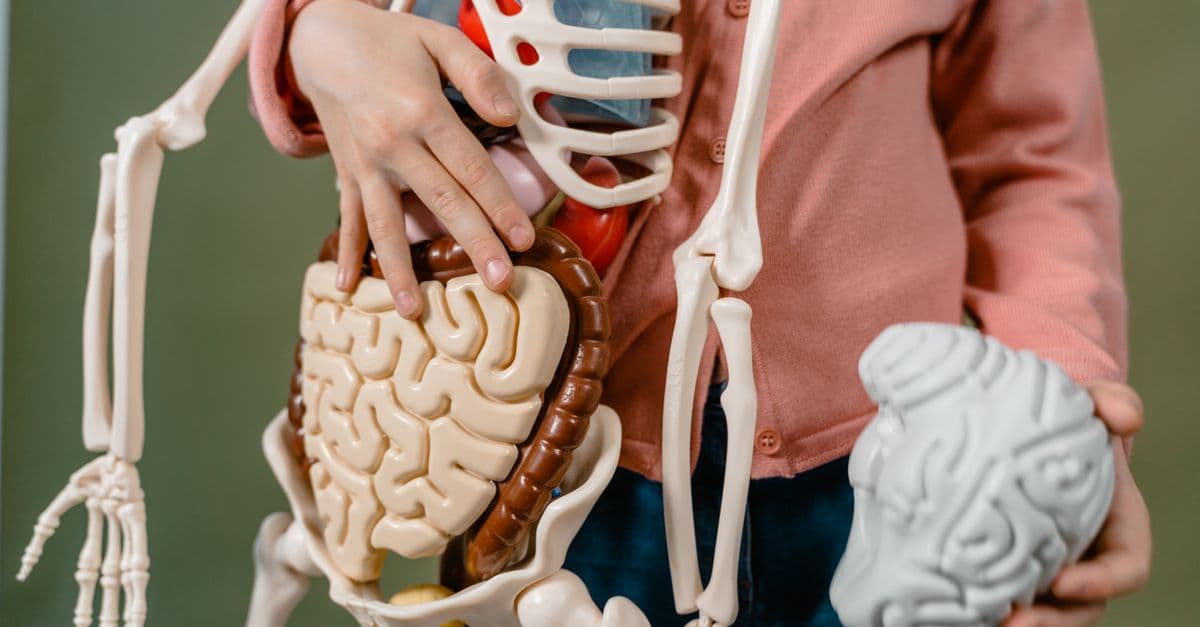
Photo: Monstera Production / Pexels
Irritable bowel syndrome (IBS) affects a substantial share of people worldwide, and for decades it was treated as a vague catch-all for "nervous stomach" complaints. That framing has not aged well. Modern gastroenterology research describes IBS as a genuine disorder of gut-brain communication, with measurable biological features: a gut nervous system that misreads normal signals as pain, motility patterns that differ from unaffected guts, and — in a subset of cases — a documented link to prior infection. This article explains the biology behind those findings. It is not a diagnostic tool and does not recommend any treatment, diet, or supplement; if you have persistent digestive symptoms, that conversation belongs with a doctor.
Educational content, not medical advice. This article explains research on the biology of IBS. It is not a substitute for evaluation by a physician, and nothing here should be used to self-diagnose or to choose a treatment.
What Researchers Mean When They Say "IBS"
IBS sits in a category of conditions gastroenterologists call disorders of gut-brain interaction (DGBI). The label itself represents a real shift in how the medical field understands the condition. For much of the twentieth century, patients with IBS symptoms — recurring abdominal discomfort tied to changes in bowel habits, without any visible tissue damage — were often told their symptoms were psychological in origin, sometimes dismissively so. That framing did not match what researchers were finding when they actually measured gut function in these patients.
A disorder of gut-brain interaction is neither a purely psychological condition nor a structural disease like ulcerative colitis, where a colonoscopy reveals visible inflammation or tissue damage. Instead, DGBIs describe cases where the gut and the nervous system that governs it are communicating and functioning abnormally, even though the tissue itself looks normal under a microscope. The Rome Foundation, an international body of gastroenterology researchers, maintains the clinical framework used to describe and study these conditions — currently in its fourth iteration, known as Rome IV (Lacy et al., Gastroenterology, 2016). That framework exists for clinicians and researchers to use in evaluation and study design; it is not intended as a self-diagnostic checklist, and matching your own symptoms against diagnostic criteria is not a substitute for an actual clinical evaluation, which also involves ruling out other conditions that can look similar.
What makes IBS scientifically interesting is that it sits at the intersection of several different body systems that don't usually get discussed together: the enteric nervous system that lines the gut, the vagus nerve that connects gut to brain, the immune system, and the trillions of microorganisms that live in the intestine. Untangling how these systems interact — and go wrong together — has been one of the more active areas of gastroenterology research over the past two decades.
The Enteric Nervous System: A "Second Brain" in the Gut
To understand IBS research, it helps to understand the piece of anatomy at the center of it: the enteric nervous system (ENS). The ENS is a mesh-like network of neurons embedded in the walls of the esophagus, stomach, and intestines. Estimates of its size vary by study and method, but researchers commonly cite figures in the range of several hundred million neurons — enough that neuroscientists including Michael Gershon, who has published extensively on enteric neurobiology, have described it as functioning somewhat like a "second brain" (Gershon, The Second Brain, 1998; ongoing enteric neuroscience research at Columbia University).
That description is a genuine, citable characterization used within the field, not a marketing phrase. The ENS can coordinate the complex, rhythmic muscle contractions of digestion — called peristalsis — largely on its own, without instructions from the brain. Surgically or experimentally isolate a segment of intestine from the central nervous system, and it will still contract and relax in coordinated waves. That is the "semi-independent" part of the second-brain comparison: the ENS is not fully autonomous, but it doesn't need the brain's constant supervision to do basic digestive work either.
The ENS does not work in isolation, though. It communicates constantly with the brain through the vagus nerve, the long cranial nerve that runs from the brainstem down through the neck and chest into the abdomen, carrying signals in both directions. This bidirectional communication pathway — brain to gut, and gut back to brain — is what researchers call the gut-brain axis. Roughly 80–90% of vagal nerve fibers are estimated to carry signals from the gut up to the brain rather than the other way around, meaning the gut is, by volume of signaling, talking to the brain more than the brain is talking to it (Berthoud & Neuhuber, Autonomic Neuroscience, 2000).
How does the vagus nerve connect the gut and brain?
The vagus nerve is the primary physical communication cable of the gut-brain axis, running from the brainstem to the digestive tract. It carries sensory information about gut stretch, chemical composition, and inflammation up to the brain, and carries regulatory signals — affecting motility, secretion, and blood flow — back down to the gut.
This is also the physiological reason gut-brain research resists the old "it's just in your head" framing. If both directions of a bidirectional signaling loop are measurably altered — as multiple studies have found in IBS patients — the disorder cannot be reduced to either a purely psychological or a purely digestive problem. It is, definitionally, both. For a deeper look at the microbiome side of this signaling loop, see The Human Microbiome and the Gut-Brain Axis. The same gut-brain link is behind everyday sensations such as butterflies in the stomach.
Visceral Hypersensitivity: When Normal Signals Register as Pain
One of the most consistently replicated findings in IBS research is a phenomenon called visceral hypersensitivity — an altered pain threshold specifically for internal organ sensations, as distinct from skin or muscle pain.
Researchers have studied this using a controlled experimental method: inflating a small balloon inside the rectum to precisely measured pressures and asking participants to report when they feel discomfort. Multiple studies using this technique have found that people with IBS report pain and urgency at lower distension pressures than people without IBS (Mertz et al., Gastroenterology, 1995; a body of subsequent work has replicated the general finding with some variation in study design and populations). In plain terms: a level of internal stretching or gas that a person without IBS would not consciously notice can register as genuine, uncomfortable pain in someone with IBS.
This matters for how the condition is understood, because it locates part of the problem in signal processing rather than in tissue damage. Nothing is structurally wrong with the intestinal wall in most IBS cases. What differs is how the nervous system — both the sensory neurons in the gut wall and the pain-processing regions of the brain that interpret their signals — calibrates what counts as a painful stimulus. Some researchers describe this using an analogy to a smoke detector calibrated too sensitively: it isn't lying when it goes off, but it is responding to a level of smoke that a normally calibrated detector would ignore.
Is IBS pain "real" if there's no visible tissue damage?
Yes. Pain signals in IBS originate from real neural activity, measured with the same electrophysiological and imaging tools used to study other conditions. The absence of visible tissue damage on colonoscopy reflects the type of disorder IBS is — a functional and neurological one — not the authenticity of the symptoms.
Brain imaging studies add another layer to this picture. Functional MRI research comparing IBS patients to controls during rectal distension has found differences in activation patterns within brain regions associated with pain processing and emotional response to pain, including the anterior cingulate cortex and insula (Mayer et al., Gastroenterology, 2006, and related neuroimaging literature). This is consistent with the idea that IBS involves altered processing at multiple points along the gut-brain axis — not just in the gut itself, and not just in the brain, but in the loop connecting them.
Altered Gut Motility: How the Gut's Own Movement Changes
The second major, well-documented feature of IBS is a difference in gut motility — the coordinated muscular contractions that move digestive contents through the intestines. Researchers measure this using techniques including radiopaque marker studies, breath testing, and more direct manometry (pressure-sensing) methods.
Broadly, studies have found that people whose IBS presents with predominantly loose stools tend to show faster-than-typical transit through parts of the digestive tract, while people whose IBS presents with predominantly constipation tend to show slower transit (Camilleri et al., American Journal of Gastroenterology, and related motility research spanning several decades). These differences are measurable with objective instrumentation, not just self-reported. That distinction is worth underlining, because it means altered motility in IBS is not simply a matter of subjective perception — it reflects real physiological differences in how the gut muscles are contracting and how quickly material moves through the system.
What drives those motility differences is an active area of research rather than a settled question. Candidate mechanisms include altered signaling from the enteric nervous system itself, differences in the hormones and neurotransmitters that regulate gut muscle contraction, and — as covered below — signaling molecules produced by gut microbes. Stress hormones also play a documented role: corticotropin-releasing factor, released during the body's stress response, has been shown in research to alter colonic motility and increase gut permeability, which is one physiological mechanism connecting psychological stress to digestive symptoms without implying the symptoms are "just stress" (Tache & Bonaz, Journal of Clinical Investigation, 2007).
Serotonin and the Gut: A Chemical Messenger in the Wrong Place
Serotonin is widely known as a brain neurotransmitter associated with mood, but the substantial majority of the body's serotonin — commonly cited estimates put the figure around 90–95% — is actually produced and used in the gastrointestinal tract, not the brain (Gershon, various publications; frequently cited figure in enteric neuroscience literature). In the gut, serotonin (5-hydroxytryptamine, or 5-HT) is produced by specialized cells in the intestinal lining and plays a central role in regulating motility, fluid secretion, and the transmission of sensory signals — including pain signals — from the gut to the nervous system.
Research comparing IBS patients to controls has found differences in gut serotonin signaling, including altered postprandial (after-meal) serotonin release patterns and differences in the transporter proteins responsible for recycling serotonin after it has been released (studies summarized in Spiller, British Journal of Pharmacology, 2007, among others). This is one of several biological threads researchers point to when explaining why some medications that act on serotonin receptors have measurable effects on IBS symptoms in clinical trials — though the specific mechanisms and which patients respond remain an active research question, and this article is not recommending any medication.
The broader point is not that "serotonin causes IBS" in some simple, single-molecule sense. It is that a chemical messenger central to mood regulation in the brain does a huge amount of separate, physiologically distinct work in the gut, and disruptions to that gut-based signaling system appear to be part of the IBS picture. This is one of the clearer illustrations of why gut-brain axis research treats digestive and neurological science as inseparable rather than as two unrelated fields that happen to share some vocabulary.
The Microbiome Connection: An Active, Still-Developing Research Area
The gut microbiome — the community of trillions of bacteria, archaea, fungi, and viruses living primarily in the large intestine — is one of the most actively studied areas in IBS research today, and it is worth being direct about the state of the evidence: this field is genuinely still developing, and researchers are careful not to overstate what is currently known.
Multiple studies using DNA sequencing techniques (commonly 16S rRNA gene sequencing, which identifies bacterial species by a conserved genetic marker) have found that microbial communities in IBS patients tend to differ from those in people without IBS — including differences in overall diversity and in the relative abundance of certain bacterial groups (Tap et al., Nature Communications, 2017; Pittayanon et al., Gastroenterology, 2019, a systematic review of microbiome studies in IBS). But researchers studying this consistently flag an important limitation: it is not yet established, in most of these studies, whether microbiome differences are a cause of IBS symptoms, a consequence of them (altered motility and gut chemistry can itself reshape which microbes thrive), or some combination shaped by other underlying factors. Correlational findings of this kind cannot, on their own, establish causation.
| Proposed IBS mechanism | What it describes | Evidence status |
|---|---|---|
| Visceral hypersensitivity | Altered pain-threshold signaling from gut nerves to the brain | Well-replicated across multiple independent studies using balloon distension testing |
| Altered gut motility | Objectively measurable changes in transit speed and muscular contraction patterns | Well-documented via manometry and transit-time studies |
| Gut-brain axis dysregulation | Bidirectional miscommunication between the enteric nervous system, vagus nerve, and brain | Strong supporting evidence from neuroimaging and physiology studies; mechanisms still being mapped in detail |
| Microbiome composition changes | Differences in gut bacterial diversity and composition compared to non-IBS individuals | Consistently observed correlation; causal direction not yet firmly established |
| Post-infectious triggering | IBS onset following an acute gastrointestinal infection | Well-documented association with a plausible, partially characterized biological mechanism |
Table: A summary of major mechanisms proposed in IBS research, with an honest characterization of how well-established each is. None of these mechanisms is mutually exclusive — most researchers in the field describe IBS as multifactorial, meaning several of these processes likely interact in any individual case.
One reason microbiome research has drawn so much interest is that gut bacteria are known to produce compounds that can influence the ENS and the broader nervous system, including short-chain fatty acids from fiber fermentation and, in some cases, neurotransmitter precursors. Whether manipulating the microbiome can reliably improve IBS symptoms in a way that holds up across large, well-controlled trials is a question the field has not fully answered, and this article is not recommending any specific probiotic, supplement, or dietary intervention as a way of doing so. Readers interested in the broader science of gut microorganisms and their relationship to the nervous system can find more detail in The Human Microbiome and the Gut-Brain Axis.
Post-Infectious IBS: What Happens After a Gut Infection
One of the more compelling natural experiments in IBS research involves a subset of cases called post-infectious IBS (PI-IBS). Some people who experience an acute episode of infectious gastroenteritis — inflammation of the stomach and intestines caused by a bacterial or viral pathogen — go on to develop persistent IBS-type symptoms afterward, even once the original infection has fully cleared.
Landmark research by Spiller and colleagues followed a cohort of patients after an outbreak of Campylobacter infection and found that a meaningful proportion developed lasting bowel symptoms, alongside measurable biological changes in the gut lining, including increased numbers of certain immune cells and altered gut permeability — sometimes referred to informally as a "leaky gut," meaning the intestinal barrier lets slightly more material pass through than it typically would (Spiller et al., Gut, 2000). Subsequent research has estimated that roughly one in ten people who experience acute infectious gastroenteritis go on to develop PI-IBS, though estimates vary by study population and by pathogen (a range commonly cited across systematic reviews of PI-IBS incidence).
This finding matters scientifically because it offers one of the field's clearer examples of causation, rather than mere correlation: researchers can observe a defined starting event — a documented infection — and track a subset of previously healthy people developing new, persistent symptoms afterward. That structure lets researchers study what specifically changes in the gut following the triggering infection, including low-grade immune activation, ENS damage, and lasting alterations to gut permeability that appear to persist well after the pathogen itself is gone.
Norovirus, one of the most common causes of acute gastroenteritis worldwide, has also been investigated as a potential PI-IBS trigger, though the specific mechanisms by which a given pathogen leads to lasting symptoms in only some patients — and not others — remain incompletely understood. Understanding how viruses infect and replicate inside cells provides useful background for why an infection that clears within days or weeks can still leave behind lasting changes to the surrounding tissue and its nerve supply.
Why Stress Reliably Affects Gut Symptoms
It is well documented in the research literature that psychological stress can worsen digestive symptoms in people with IBS, and understanding the mechanism behind that finding is important, because it is frequently misinterpreted as evidence that IBS is fundamentally psychological.
The biological explanation runs through the gut-brain axis discussed earlier. When the body's stress-response system is activated, it releases corticotropin-releasing factor (CRF) and downstream stress hormones including cortisol. Research has found that these signaling molecules act directly on gut tissue: they can accelerate colonic motility, increase gut permeability, and heighten the sensitivity of visceral pain pathways described earlier in this article (Tache & Bonaz, Journal of Clinical Investigation, 2007). In other words, stress does not need to be "in the patient's head" to affect the gut. It produces measurable chemical signals that travel to gut tissue and alter its physical behavior.
Research has also examined early-life factors, including studies suggesting that significant early-life adversity is associated with a higher likelihood of developing IBS in adulthood — a finding some researchers interpret as evidence of lasting sensitization within the HPA axis (the hypothalamic-pituitary-adrenal stress-response system) and the enteric nervous system (Chitkara et al., American Journal of Gastroenterology, 2008, among other studies in this area). This remains an area of ongoing research rather than a fully settled mechanism, and it does not mean stress or early experience are the sole or primary cause of IBS in any individual — the research points toward stress physiology as one interacting factor among several, not a complete explanation on its own.
Common Misunderstandings About IBS Biology
Given how much of IBS's biology touches the nervous system, several persistent misconceptions are worth addressing directly, grounded in what the mechanisms above actually show.
The first misconception is that IBS is a diagnosis of exclusion made simply because doctors "can't find anything else wrong." In practice, ruling out other conditions — including inflammatory bowel disease, celiac disease, and colorectal cancer — is a genuine and necessary part of a proper clinical evaluation, because several other conditions can produce overlapping symptoms and require entirely different management. That process exists because these other conditions are dangerous and treatable in different ways, not because IBS itself is a vague fallback label. A doctor is the appropriate person to conduct that evaluation; nothing in this article should be used to rule any of these possibilities in or out.
The second misconception is that IBS symptoms are proportional to how anxious or stressed a person is in general. While stress physiology measurably interacts with gut symptoms, as described above, the underlying visceral hypersensitivity and motility differences persist even during calm periods, and many people with clinically significant anxiety do not have IBS at all. The relationship is real but partial, not a one-to-one correlation.
The third misconception is that microbiome research has already identified a clear, fixable bacterial cause of IBS. As the evidence table above indicates, microbiome differences are a consistent and interesting finding, but the field has not established a causal, universally applicable mechanism, and researchers studying this area are explicit that more controlled, longitudinal research is needed before strong causal claims are warranted.
Finally, some people assume that because no single blood test or imaging scan confirms IBS, it cannot be a "real" diagnosis in the way a condition with a clear biomarker is. Many recognized neurological and functional disorders share this property — diagnosis relies on a structured clinical evaluation combining a defined symptom pattern with exclusion of alternative causes, rather than a single lab value. That diagnostic structure reflects the type of disorder IBS is, not the strength or reality of the underlying biology.
Frequently Asked Questions
Q: Is IBS a psychological condition or a physical one? A: Research describes IBS as a disorder of gut-brain interaction, meaning it involves both the nervous system and the digestive tract functioning together abnormally. It is not classified as a purely psychiatric condition, and it is not a structural disease with visible tissue damage either. Measurable findings — including visceral hypersensitivity, altered motility, and changes in gut-brain signaling — have been documented in multiple independent research studies. A doctor is best positioned to evaluate any individual's symptoms.
Q: What is the enteric nervous system, and why is it called a "second brain"? A: The enteric nervous system is the network of several hundred million neurons embedded in the walls of the digestive tract. Researchers, including neuroscientist Michael Gershon, have used the "second brain" description because the ENS can coordinate digestive processes like peristalsis semi-independently of the central nervous system, while still communicating constantly with the brain via the vagus nerve.
Q: Can a gut infection lead to lasting digestive symptoms? A: Research on post-infectious IBS has found that a subset of people who experience acute infectious gastroenteritis go on to develop persistent IBS-type symptoms, with studies estimating roughly one in ten as a general figure that varies by study and pathogen. Researchers have documented biological changes, including low-grade immune activation and altered gut permeability, that appear to persist after the original infection clears.
Q: Is the gut microbiome a proven cause of IBS? A: Not established as a single proven cause. Multiple studies have found that gut bacterial communities in IBS patients tend to differ from those without IBS, but researchers have not yet firmly established whether these differences cause IBS symptoms, result from them, or both. This remains an active, still-developing area of research rather than settled science.
Q: Why does stress make digestive symptoms worse? A: The body's stress response releases hormones, including corticotropin-releasing factor, that act directly on gut tissue — research has linked these to changes in colonic motility, gut permeability, and visceral pain sensitivity. This is a physiological mechanism, not evidence that digestive symptoms are purely psychological in origin.
Q: Where can I learn about diagnosis or treatment for digestive symptoms? A: This article focuses on the biology and research behind IBS mechanisms and deliberately does not cover diagnosis or treatment, since both require individualized clinical evaluation. If you are experiencing persistent or concerning digestive symptoms, a physician or gastroenterologist is the appropriate resource, and can assess your specific situation, rule out other conditions, and discuss any relevant next steps.
The Takeaway
IBS research over the past several decades has moved the condition from a poorly understood catch-all to a genuine, actively studied disorder of gut-brain communication with multiple, partially overlapping biological mechanisms: a gut nervous system that processes normal signals as pain, motility patterns that differ measurably from non-IBS guts, a chemical signaling system involving serotonin that operates largely within the intestine rather than the brain, a microbiome whose relationship to symptoms is real but not yet fully mapped, and, in some cases, a documented trigger in prior infection. None of these mechanisms fully explains IBS on its own, and researchers in the field generally describe the condition as multifactorial rather than reducible to a single cause. What the evidence does support clearly is that IBS is neither imaginary nor simply a matter of tissue damage waiting to be found on a scan — it is a real, biologically grounded interaction between the gut and nervous system that continues to be an active area of scientific study.
Read next:
- The Human Microbiome and the Gut-Brain Axis
- Norovirus Explained
- How Viruses Work: From Infection to Replication
Sources
- Lacy, B.E., et al. (2016). Bowel Disorders. Gastroenterology, 150(6), 1393–1407. (Rome IV criteria framework)
- Spiller, R.C., et al. (2000). Increased rectal mucosal enteroendocrine cells, T lymphocytes, and increased gut permeability following acute Campylobacter enteritis and in post-dysenteric irritable bowel syndrome. Gut, 47(6), 804–811.
- Mertz, H., et al. (1995). Altered rectal perception is a biological marker of patients with irritable bowel syndrome. Gastroenterology, 109(1), 40–52.
- Mayer, E.A., et al. (2006). Brain imaging approaches to the study of functional GI disorders. Gastroenterology and related neuroimaging literature on visceral pain processing.
- Berthoud, H.R., & Neuhuber, W.L. (2000). Functional and chemical anatomy of the afferent vagal system. Autonomic Neuroscience, 85(1-3), 1–17.
- Tache, Y., & Bonaz, B. (2007). Corticotropin-releasing factor receptors and stress-related alterations of gut motor function. Journal of Clinical Investigation, 117(1), 33–40.
- Tap, J., et al. (2017). Gut microbiota richness promotes its stability upon increased dietary fibre intake in healthy adults. Nature Communications, 8, 1–12.
- Pittayanon, R., et al. (2019). Gut microbiota in patients with irritable bowel syndrome — a systematic review. Gastroenterology, 157(1), 97–108.
- Chitkara, D.K., et al. (2008). Early life risk factors that contribute to irritable bowel syndrome in adults: a systematic review. American Journal of Gastroenterology, 103(3), 765–774.
- Gershon, M.D. (1998). The Second Brain. HarperCollins. (Enteric nervous system characterization; Columbia University enteric neuroscience research program.)
Follow new articles
Add SciHub101 to your feed reader to see new science and technology stories.
About the Author
SciHub101 is an independent science and technology publication founded and edited by Buğra Sözeri, a software engineer and app developer based in Türkiye. AI tools assist with drafting and research. Source documentation in the existing archive is uneven, and articles are being reviewed and corrected. The Editorial Team byline identifies editorial responsibility; it does not certify specialist or independent human review. Where we compare products, anything built by our own team is labelled as such — see the editorial guidelines and About page for how corrections and disclosures work.
Related Articles

The Biology of Obesity and Metabolic Syndrome
Obesity is a chronic disease shaped by hormones, brain, and environment. See how leptin, insulin resistance, and visceral fat drive metabolic syndrome.

Type 2 Diabetes: The Biology Behind the Epidemic
Type 2 diabetes starts with insulin resistance and failing beta cells. See the biology, what remission trials show, and how treatments target each step.
Why We Get Butterflies in Stomach — Science
The gut-brain axis explained: why nervousness, excitement, and love all produce the same fluttery stomach sensation through the vagus nerve and fight-or-flight.
The Gut Microbiome Explained — Your Inner Ecosystem
What the gut microbiome is, what it does for digestion, immunity and the brain, and which findings are well established versus still early research.

Microbiome Research: Bacteria in Human Health Explained
How understanding the microbiome revealed that trillions of bacteria impact health and disease

The Gut-Brain Connection — How Your Microbiome Affects Your Mind
Your gut and brain exchange signals through nerves, immune cells, and microbial chemicals. Here is what animal and human studies show about mood, anxiety, and cognition, and where the evidence is still thin.