Why We Get Butterflies in Stomach — Science
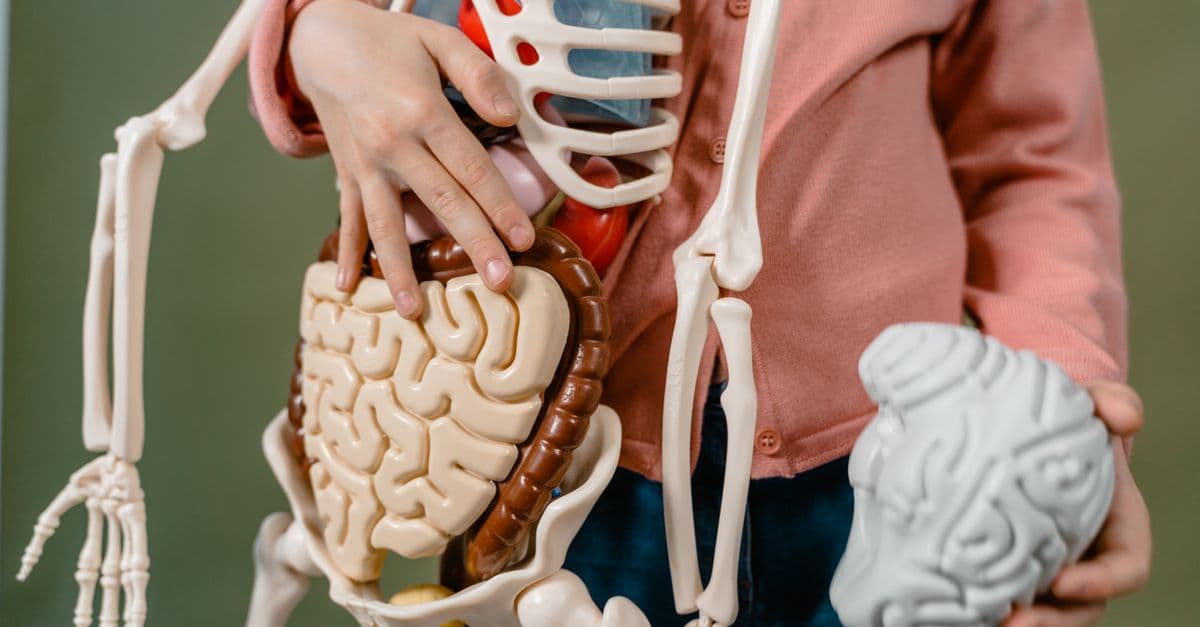
Photo: MART PRODUCTION / Pexels
You're about to speak in front of a crowd. You're about to see someone you have a crush on. You're waiting on a job offer, standing in the wings before walking on stage, or watching the plane's wheels leave the runway for the first time. The sensation arrives in the same place every time: a fluttering, churning, hollow feeling low in your abdomen. People have called it "butterflies in the stomach" since at least 1908, and the description turns out to be closer to actual biology than most figures of speech ever get.
It is not a metaphor stretched to fit a feeling. It is a measurable physiological event with a documented mechanism, a dedicated nervous system living in your gut wall, and a two-way communication line to your brain that scientists now study as seriously as they study the brain itself. Understanding why butterflies happen means understanding why your stomach and your brain were never really separate organs to begin with.
What's Actually Happening in Your Gut
Butterflies begin, somewhat counterintuitively, in your head. The amygdala and hypothalamus — brain structures involved in threat detection and emotional regulation — appraise a situation as significant, whether that significance is dangerous or thrilling. That appraisal triggers the sympathetic nervous system, the branch of your autonomic nervous system responsible for the classic fight-or-flight response first formally described by physiologist Walter Cannon in 1915.
The sympathetic cascade that follows is fast and coordinated. Adrenaline (epinephrine) and noradrenaline flood the bloodstream from the adrenal glands, sitting atop the kidneys. Heart rate and blood pressure climb within seconds. Blood is shunted away from the digestive tract and skin and redirected toward skeletal muscle, lungs, and brain, tissues that would matter most if you actually had to run or fight. At the same time, gastrointestinal motility, the rhythmic muscular contractions that move food through your gut, goes irregular. Some segments spasm. Others slow to a crawl.
That combination — reduced blood flow plus disrupted motility — is what produces the fluttering. Your gut is, in effect, being told that digestion is not the priority right now. Survival, or at least performance, is.
Why does my stomach feel weird when I'm nervous?
Sympathetic activation redirects blood away from the digestive tract and disrupts the normal rhythm of intestinal muscle contractions. Nerve endings in the gut wall detect that disruption and relay it to the brain through the vagus nerve, which is what you consciously register as a fluttering or hollow sensation.
The Second Brain in Your Abdomen
The reason butterflies feel so specifically located in your gut, rather than as a generic full-body adrenaline buzz, is that your digestive tract has its own dense, semi-independent nervous system. The enteric nervous system (ENS) is a mesh of neurons embedded in the walls of the esophagus, stomach, and intestines. Estimates of its size vary by study and counting method, but researchers place it somewhere between 200 million and 600 million neurons, a range comparable to the neuron count of the spinal cord (Stanford Neuroscience). Neurogastroenterologist Michael Gershon popularized the phrase "second brain" for this network in his 1998 book of the same title, following decades of research establishing that the ENS carries essentially the same neurotransmitters and signaling molecules found in the central nervous system (PubMed, Gershon 1999).
The ENS is genuinely semi-autonomous. It can coordinate the wave-like muscle contractions of digestion, called peristalsis, largely on its own, even when the connection to the brain is severed. But it is not isolated. It stays in constant contact with the central nervous system through the vagus nerve, the tenth cranial nerve and the primary communication highway between gut and brain.
Here is the detail that surprises most people. Roughly 80 percent of the fibers in the vagus nerve are afferent, meaning they carry signals from the body up to the brain, not commands from the brain down to the body (Frontiers in Neuroscience, 2018). Some sources place the split even higher, closer to 80 to 90 percent afferent (PMC, Vagus Nerve and Gut Microbiota-Brain Axis). Each vagus nerve contains somewhere between 80,000 and 100,000 individual nerve fibers running between the brainstem and the organs of the chest and abdomen, including the heart, lungs, and digestive tract.
That asymmetry matters. The conventional image of the brain issuing orders downward to a passive body gets the traffic pattern backward. The gut is mostly talking, and the brain is mostly listening. When sympathetic activation disrupts intestinal motility, sensory neurons embedded in the gut wall detect the disturbance, and the vagus nerve carries that report upstream. Only then does the brain consciously register a sensation, which you experience as butterflies.
This bidirectional relationship is what researchers call the gut-brain axis: a fast, largely unconscious communication loop that becomes conscious only when the signal is strong enough to break through.
Is the gut really a "second brain"?
Yes, in a functional sense. The enteric nervous system contains hundreds of millions of neurons, uses the same neurotransmitters as the central nervous system, and can independently coordinate digestion. It is not a thinking brain, but it is a genuine, semi-autonomous nervous system, not just a bundle of reflexive nerve endings.
Why Fear and Love Feel Identical in Your Stomach
The classic puzzle here is why the giddy anticipation of seeing someone you're attracted to produces the same physical sensation as walking into a job interview you're dreading, or standing at the edge of a cliff. The autonomic nervous system, it turns out, does not editorialize. Adrenaline is adrenaline. A fluttering gut is a generic arousal signal, and the emotional label — fear, excitement, love, dread — gets attached afterward, by the cognitive brain interpreting the surrounding context.
Psychologists call this misattribution of arousal, and it was formally demonstrated in one of the more famous experiments in social psychology: Donald Dutton and Arthur Aron's 1974 "shaky bridge" study (Journal of Personality and Social Psychology, 1974). Men who crossed a high, swaying suspension bridge over a canyon were significantly more likely to find a female interviewer attractive, and to call her afterward, than men who crossed a low, stable bridge. Their physiological arousal from fear of the bridge got misread by their own brains as romantic interest, because the interviewer was standing right there when the signal arrived.
The takeaway generalizes well beyond a canyon bridge. The "butterflies in love" sensation and the "butterflies in dread" sensation are not two different biological systems. They are the same fight-or-flight machinery firing in roughly the same pattern, with your prefrontal cortex supplying the interpretation based on what else is happening around you at the time. Stand at a podium about to give a speech and the flutter reads as anxiety. Stand across from someone you're falling for and the identical flutter reads as excitement.
This is also why "reframing" works as a practical tool, which we will return to later. If the raw sensation is emotionally neutral and only acquires meaning through interpretation, then changing the interpretation can change the experience, even though the underlying physiology hasn't shifted at all.
| Gut Sensation | Likely Trigger | Underlying Mechanism |
|---|---|---|
| Butterflies (fluttering) | Acute stress, excitement, anticipation | Sympathetic redirect of blood flow; irregular smooth muscle contractions |
| Nausea | High or prolonged stress | Vagal overactivation; delayed gastric emptying |
| Cramping / stomach ache | Chronic anxiety, IBS flare | Smooth muscle spasm; visceral hypersensitivity |
| Diarrhea before an event | Sharp sympathetic burst | Accelerated colonic motility |
| Growling (borborygmi) | Hunger, normal digestion | Ordinary movement of gas and fluid through the intestine |
| Hollow / sinking feeling | Bad news, grief, dread | Reduced gut blood flow; vagal withdrawal |
Table: common gut sensations and their most likely physiological drivers, based on gut-brain axis and stress-physiology research.
Why the Same Trigger Produces Wildly Different Symptoms
Pre-event gastrointestinal symptoms are not uniform across people, which is itself a clue about how individualized this system is. Some athletes vomit before competition. Some students develop diarrhea the morning of an exam. Others feel nothing more than the classic flutter, and a smaller group notices no gut symptoms at all, just a racing heart and sweaty palms.
The variation comes down to a few overlapping factors: baseline gut sensitivity, the intensity of an individual's sympathetic response, prior conditioning from similar situations, and — for a meaningful subset of the population — a diagnosable difference in how the gut-brain axis itself is calibrated.
People with irritable bowel syndrome (IBS) are a well-studied example of this last category. Research on the condition consistently points to visceral hypersensitivity, meaning enteric nerves send stronger-than-normal pain and discomfort signals to the brain in response to ordinary gut activity, combined with documented dysregulation of the brain-gut axis itself (Annals of Translational Medicine, IBS pathophysiology review). One proposed mechanism involves corticotropin-releasing factor (CRF), a stress hormone that, when it binds to receptors in the gut, alters smooth muscle contraction, mucosal permeability, and pain sensitivity all at once (PMC, Intestinal microbiome-gut-brain axis and IBS). Some researchers have also found that early-life stress can produce lasting changes to visceral sensitivity and HPA-axis function that persist into adulthood, based largely on animal models of early separation stress (Frontiers in Cell and Developmental Biology). In practical terms, this means someone with IBS is not imagining that their stress hits the gut harder than everyone else's does. Their gut-brain wiring is, on average, more reactive.
None of this means occasional pre-event butterflies are a symptom of a disorder. Most people who feel a flutter before a first date have nothing structurally different about their gut. The point is that the same trigger, sympathetic activation, produces a spectrum of gut responses depending on individual physiology, and the far end of that spectrum overlaps with recognized clinical conditions.
Why do I get diarrhea before stressful events instead of butterflies?
A strong sympathetic burst can accelerate colonic motility rather than simply disrupting stomach-level muscle activity, pushing waste through the lower intestine faster than usual. Which symptom shows up, upper-gut flutter or lower-gut urgency, depends on individual gut sensitivity, and conditions like IBS make the lower-gut response more likely and more intense.
The Serotonin Connection
One detail changes how most people think about their gut once they learn it: enterochromaffin cells, a specialized cell type lining your intestine, are responsible for producing somewhere between 90 and 95 percent of the serotonin in your entire body (PMC, Enterochromaffin Cells and Gut-Brain Disorders). Serotonin is best known as a mood-regulating neurotransmitter in the brain, the target of an entire class of antidepressant medications, but the overwhelming majority of it is manufactured and used locally in your digestive tract, where it helps regulate motility, secretion, and the sensation of nausea.
This is not a coincidence of biology so much as a reflection of how deeply the gut and the emotional-regulation systems of the brain are entangled. Enterochromaffin cells act as chemosensors, detecting nutrients, mechanical stretch, and even bacterial byproducts in the gut lumen, then releasing serotonin that activates nearby vagal sensory neurons (Cell, Enterochromaffin Cells Are Gut Chemosensors). When stress disrupts normal enterochromaffin cell activity, it can shift local serotonin release, which in turn changes the signals traveling up the vagus nerve to the brain. The flutter you feel is, at a molecular level, partly a serotonin story as much as an adrenaline one.
The Microbiome's Quiet Role
A third player has entered gut-brain research over the past two decades: the trillions of bacteria living in your intestine, collectively called the gut microbiome. These microbes produce a range of neuroactive compounds, including short-chain fatty acids and even neurotransmitter-like molecules such as GABA, that appear to influence vagal signaling and, by extension, brain function (Physiological Reviews, Cryan et al., 2019 — "The Microbiota-Gut-Brain Axis").
Animal studies have been central to establishing this link. Research using germ-free mice, animals raised without any gut microbiota, has shown altered stress responses and anxiety-like behavior compared to conventionally raised mice, and the relationship runs in both directions: stress itself can reduce the diversity of the gut microbiome, which may then feed back into further dysregulation of the stress response (PMC, Intestinal microbiome-gut-brain axis review). Human research in this area is younger and more cautious about causal claims, but a growing body of correlational work links specific microbial community profiles to differences in anxiety and mood.
The honest summary is that the microbiome is very likely a real contributor to how loudly or quietly your gut-brain axis fires under stress, but it is one factor among several, not a standalone explanation. Your butterflies are shaped by genetics, prior conditioning, hormonal state, and the bacteria along for the ride, not any single one of those in isolation.
Gut Feelings and Decision-Making
The phrase "gut feeling," used to describe an instinctive sense that a decision is right or wrong before you can articulate why, is not just linguistically adjacent to "butterflies in the stomach." Neuroscientist Antonio Damasio proposed a formal explanation for this overlap known as the somatic marker hypothesis: emotionally significant experiences leave a kind of bodily shorthand, a "marker," that gets reactivated as a physical sensation, often in the gut or chest, when you encounter a similar situation later, before conscious reasoning has caught up (The Decision Lab, Somatic Marker Hypothesis).
Some of the most compelling evidence for this comes from Damasio's clinical work with patients who had damage to the ventromedial prefrontal cortex, a brain region involved in linking emotional and bodily signals to decision-making. One well-documented patient, referred to as Elliot, retained normal logical reasoning after his injury and could analyze options step by step, but lost the ability to actually commit to decisions in daily life (PMC, Somatic Marker Hypothesis in Non-Linear Decision Chains). Without the bodily nudge that healthy people experience as a gut feeling, choosing between options, even trivial ones, became paralyzingly difficult.
This does not mean every flutter in your stomach is meaningful guidance you should obey. It means the gut-brain axis is wired into far more than digestion and fear; it appears to participate in ordinary, everyday decision-making in ways that are still being mapped.
Where the Phrase Actually Came From
"Butterflies in one's stomach" is an American English idiom, and its written history is more specific than most people assume. One of the earliest documented uses appears in Florence Converse's 1908 novel The House of Prayer, where a character describes a sensation "as if he had a butterfly in his stomach" (Word Histories). The phrase in its modern, pluralized form gained wider circulation decades later; one frequently cited example comes from 1943, when paratrooper Bill Gardener described the feeling before his first training jump (Word Histories).
What makes this history worth including is not trivia value. It shows that ordinary people were describing an accurate physiological pattern, spasmodic, fluttering gut sensations tied to nervousness, more than a century before neurogastroenterology had the tools to explain the vagus nerve, the enteric nervous system, or enterochromaffin cell serotonin release. The metaphor got there first.
How to Calm Butterflies
Because the trigger for butterflies is sympathetic nervous system activation, anything that reliably activates the parasympathetic branch, the body's rest-and-digest counterpart, will tend to quiet the sensation. None of these are guaranteed fixes, and none replace medical care for anxiety disorders, but they reflect the same physiology the rest of this article describes.
- Slow nasal breathing with extended exhales. Exhaling for longer than you inhale stimulates vagal afferents and shifts the autonomic balance toward parasympathetic activity.
- Cold exposure to the face. Splashing cold water on the face triggers the mammalian dive reflex, a well-documented vagal response that slows heart rate almost immediately.
- Reframing the sensation. Research by psychologist Alison Wood Brooks found that people who verbally relabeled pre-performance anxiety as "excitement," rather than trying to calm down, performed measurably better on subsequent tasks, likely because the underlying arousal signal is genuinely ambiguous, as the misattribution research above suggests (Journal of Experimental Psychology: General, Brooks 2014).
- Repeated exposure. Habituation, deliberately facing the trigger context again and again, tends to blunt the intensity of the sympathetic response over successive exposures, a well-established principle in anxiety treatment.
- Medical options for severe cases. Beta blockers such as propranolol are used off-label by some performers and public speakers to blunt the physical symptoms of performance anxiety without sedation; this is a decision to make with a physician, not a self-directed fix, and studies on their broader effectiveness for anxiety remain mixed.
How do I get rid of butterflies before a big event?
Slow, exhale-focused breathing and brief cold exposure to the face both activate the parasympathetic nervous system and can measurably reduce the physical sensation within minutes. Longer term, repeated exposure to the trigger situation and reframing the sensation as excitement rather than dread both appear to reduce its intensity over time.
What People Get Wrong About Butterflies
The most common misconception is treating butterflies as purely psychological, as if the sensation exists "in your head" and the stomach is somehow just along for the ride. The opposite is closer to the truth. The enteric nervous system's few hundred million neurons and the vagus nerve's overwhelmingly afferent (gut-to-brain) fiber composition mean the stomach is often the first place a stress signal becomes measurable, and the brain's conscious registration of "nervousness" can lag slightly behind the gut's own detection of the sympathetic disruption.
A second misconception is that butterflies always signal something negative that needs to be suppressed. Given that fear and excitement share an identical physiological signature, and that the somatic marker hypothesis suggests gut sensations feed into ordinary decision-making, the flutter itself carries no built-in emotional valence. Suppressing it entirely, rather than interpreting it, may not even be the most useful response in every context.
A third and more consequential misconception, especially relevant for anyone with recurring or severe symptoms, is assuming all pre-event gut disturbance is "just nerves" and never worth mentioning to a doctor. Occasional butterflies before a known stressor are normal and near-universal. Frequent, severe, or persistent gastrointestinal distress, especially outside of clearly identifiable stress triggers, overlaps with conditions like IBS and functional dyspepsia that are diagnosable and, in many cases, manageable with appropriate care. The line between "everyone gets this sometimes" and "this is worth discussing with a clinician" is really about frequency, severity, and whether symptoms occur even without an obvious trigger.
The Evolutionary Logic
Why would a nervous system evolve to make digestion the first casualty of stress? Because in an ancestral environment, the moments that reliably produced this response, confrontation with a predator or rival, a high-stakes social interaction, courtship, are exactly the moments when digesting breakfast is a poor use of limited blood supply and energy. Redirecting resources away from the gut and toward skeletal muscle and the brain is a resource-allocation decision made automatically, in milliseconds, by a system that has had an enormous amount of evolutionary time to get the priorities right.
The fluttering you feel before walking into an interview is, in a very literal sense, the same machinery that once decided whether blood went to your legs or your intestines when something rustled in the grass. Modern life rarely calls for the running part anymore, but the gut still gets the memo first.
Comparing the Two Leading Explanations
It's worth being precise about what causes butterflies versus what merely correlates with them, since gut-brain axis research sometimes gets flattened into vague "everything is connected" claims.
| Explanation | What It Accounts For | What It Doesn't Fully Explain |
|---|---|---|
| Sympathetic blood-flow redirection | The immediate, seconds-timescale onset of fluttering; why it fades quickly once the trigger passes | Individual variation in symptom severity; why some people get diarrhea instead |
| Enteric nervous system / vagal afferent signaling | Why the sensation is felt specifically in the gut rather than diffusely; the speed of gut-to-brain reporting | Why some people are chronically more sensitive (this is where IBS research and microbiome research add detail) |
| Gut microbiome influence | Longer-term, individual differences in baseline gut-brain reactivity | The immediate, situational trigger of a single episode of butterflies |
Table: how the three major mechanistic explanations complement, rather than compete with, each other.
The Takeaway
Butterflies in your stomach are not a euphemism for nervousness; they're a direct readout of a real, fast-acting physiological event involving your sympathetic nervous system, a few hundred million neurons living in your gut wall, and a nerve that spends most of its bandwidth reporting from the abdomen to the brain rather than the other way around. The same signal underlies fear, excitement, and romantic anticipation, which is why the sensation feels identical across situations that couldn't be more emotionally different. What changes is not the biology but the story your brain tells about it, and that story, as the reframing research shows, is more editable than most people assume.
Read next:
Follow new articles
Add SciHub101 to your feed reader to see new science and technology stories.
About the Author
SciHub101 is an independent science and technology publication founded and edited by Buğra Sözeri, a software engineer and app developer based in Türkiye. AI tools assist with drafting and research. Source documentation in the existing archive is uneven, and articles are being reviewed and corrected. The Editorial Team byline identifies editorial responsibility; it does not certify specialist or independent human review. Where we compare products, anything built by our own team is labelled as such — see the editorial guidelines and About page for how corrections and disclosures work.
Related Articles
Why Our Voice Sounds Different on Recording
Why you hate your recorded voice: bone conduction adds bass when you speak, but recordings only capture the air-conducted version everyone else hears.

Why Are We Ticklish? The Biology of Tickling
Why can't you tickle yourself? The neuroscience of knismesis vs gargalesis, the cerebellum's prediction trick, and why feet/armpits are most ticklish.

The Gut-Brain Connection — How Your Microbiome Affects Your Mind
Your gut and brain exchange signals through nerves, immune cells, and microbial chemicals. Here is what animal and human studies show about mood, anxiety, and cognition, and where the evidence is still thin.

The Biology of IBS: How the Gut-Brain Axis Actually Works
IBS involves visceral hypersensitivity, gut motility changes, and gut-brain signaling. Explore the biology behind IBS — not a diagnosis guide.

Microbiome Research: Bacteria in Human Health Explained
How understanding the microbiome revealed that trillions of bacteria impact health and disease
Complete Biology Guide 2026 — How Life Works
The complete guide to biology in 2026: cells and genetics, evolution, the human body, neuroscience, disease, immune systems, and the future of genetic engineering.