Norovirus Explained — Why the Stomach Bug Is Almost Impossible to Stop
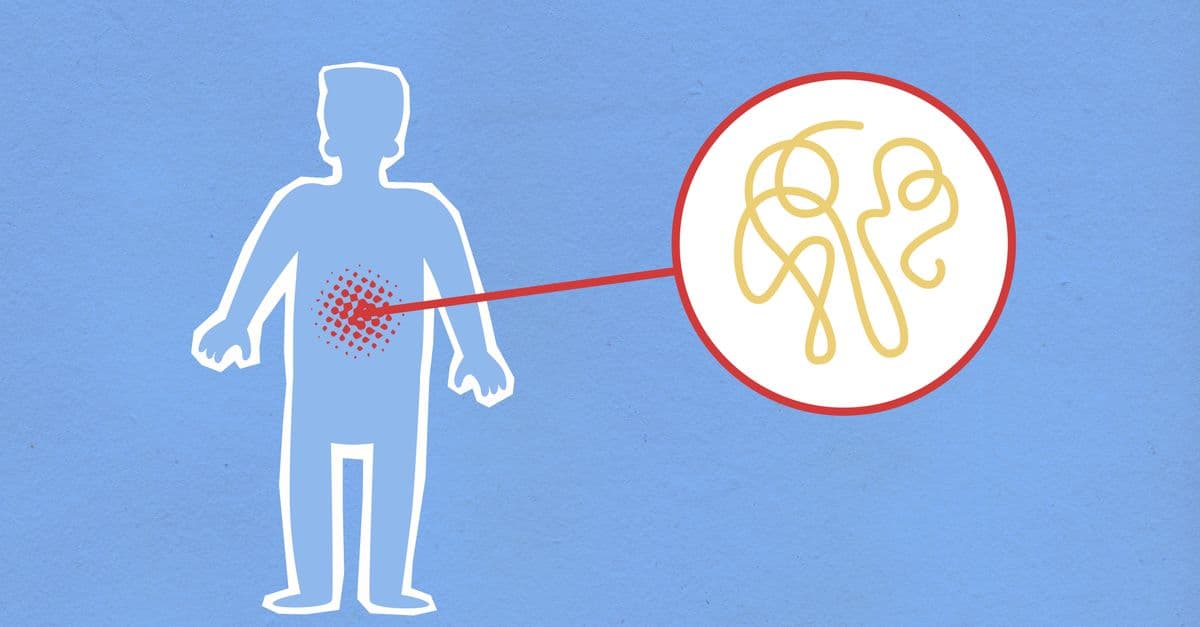
Photo: Monstera Production / Pexels
Norovirus causes about 685 million cases of acute gastroenteritis (vomiting and diarrhea) worldwide every year, according to the US Centers for Disease Control and Prevention (CDC), including 200 million among children under 5. It is the "stomach bug" behind cruise ship outbreaks, school closures, and nursing home wards on lockdown. The illness is short and brutal, and the virus is built to spread. This article explains what norovirus is, how it damages the gut, why it moves so easily between people, why the usual defenses fail, and why decades of vaccine work have not yet produced a licensed shot.
Educational content, not medical advice. Talk to your doctor before changing any medication, treatment, or routine. Information here reflects current research but every person's situation differs.
What norovirus actually is
Norovirus is a small RNA virus in the family Caliciviridae. Its genome is a single strand of RNA, only a few thousand bases long, that cells can read directly as messenger RNA (a "positive-sense" genome). The genome encodes just a handful of proteins: a large polyprotein that gets cut into the virus's replication enzymes, the main capsid protein VP1, and a minor capsid protein VP2.
The particle has no outer lipid membrane. It is non-enveloped, a bare protein shell a few dozen nanometers across, which is far smaller than most bacteria. That simple shell is the key to most of what makes norovirus hard to control. Enveloped viruses such as influenza are wrapped in a fragile fat layer that soap and alcohol rip apart. Norovirus is more like a small, sealed, hard-shelled capsule.
Noroviruses are grouped into genogroups, and strains from genogroups GI, GII, and a few others infect humans. A single genotype, GII.4, has caused most outbreaks since the mid-1990s. Every few years a new GII.4 variant arises and drives a wave of outbreaks; other genotypes also surge from time to time, so the "dominant" strain is a moving target.
Two ways the virus changes
Norovirus is an RNA virus, and the enzymes that copy RNA make frequent errors, which produce a steady supply of mutations. It also swaps genetic material between strains. When two strains infect the same person, the polymerase can switch templates partway through copying, producing a hybrid. The effect is that the part of the virus that the immune system sees can change while the replication machinery stays the same.
For the general mechanics of how a virus takes over a cell and why RNA viruses mutate so quickly, how viruses work: from infection to replication lays out the basics, and influenza virus explained describes a parallel case, where constant change means last year's immunity does not fully protect you this year.
The size of the problem
Norovirus is the leading cause of vomiting, diarrhea, and foodborne illness in the United States, according to the CDC. The CDC's numbers show how large it is.
| Measure | Estimate | Source |
|---|---|---|
| US illnesses per year | About 19 to 21 million | CDC |
| US outpatient clinic visits per year | About 2,270,000, mostly young children | CDC |
| US emergency department visits per year | About 465,000 | CDC |
| US hospitalizations per year | About 109,000 | CDC |
| US deaths per year | About 900, mostly adults 65 and older | CDC |
| Reported US outbreaks per year | About 2,500 | CDC |
| Share of US foodborne illness | 58% | CDC |
| Global cases per year | About 685 million, including 200 million in children under 5 | CDC |
| Global deaths in children per year | About 50,000, mostly in developing countries | CDC |
| Estimated global cost | About $60 billion a year | CDC |
Source: CDC, Norovirus Facts and Stats (May 8, 2024).
Two features of those numbers stand out. First, the deaths are concentrated at the edges of life: young children in places with limited health care, and older adults in the United States. Second, the cost is dominated by illness and lost days, not deaths. Norovirus is an economic problem more than a mortality problem for most readers.
Outbreaks are seasonal. In countries north of the equator, they peak from November to April, and in countries south of the equator, from May to September, according to the CDC. In years when a new strain emerges, illness can rise by about 50%. The seasonal pattern earned it the nickname "winter vomiting bug."
Why norovirus spreads so efficiently
A handful of properties combine to make norovirus one of the most transmissible pathogens people encounter.
A very small dose can cause infection. Volunteer challenge studies have estimated that very few viral particles are needed to infect a person. Published estimates vary widely between studies, from a few particles to thousands of genome copies, depending on the method and the form of the virus. What is not in dispute is the contrast: a sick person can shed billions of particles in a single episode of diarrhea or vomiting, so even microscopic contamination of food or hands carries a large number of potential infecting doses.
The shell is tough. Because it lacks an envelope, norovirus survives drying, many common cleaning products, and a wide range of temperatures better than enveloped viruses. It can persist on surfaces for a long time under some conditions. The practical consequence is that a contaminated doorknob, a countertop, a buffet utensil, or a bathroom surface can remain a source after the sick person has left.
Several routes of spread exist. The CDC lists direct contact with an infected person (including caregiving and sharing food or utensils), eating or drinking contaminated food or liquid, and touching contaminated surfaces and then putting unwashed fingers in the mouth. Vomiting can also produce airborne droplets that settle on nearby surfaces and food.
People shed for a long time. The CDC says people can still spread the virus for a few days after recovering, and that virus can be found in stool for 2 weeks or more after feeling better. People with weakened immune systems can shed the virus for much longer.
Immunity is narrow and fades. There are many norovirus types, and infection with one may not protect against others. The CDC notes that protection against specific types may develop, but how long it lasts is unknown. That helps explain why people get infected repeatedly across their lives.
An analogy captures the combination. Imagine a lock that a few keys can open, and every sick person throws billions of those keys into the environment. The keys do not rust, and each new epidemic variant is a new key shape that last season's locks were not built to resist.
The surprise in the numbers: a single infected person can shed billions of viral particles, while only a tiny fraction of one such dose is enough to infect someone else.
Why closed settings are risky
Cruise ships are a famous example, but the pattern is general. Norovirus does best where many people share food, bathrooms, and air for days: schools, child care centers, nursing homes, hospitals, military barracks, and catered events. In these settings one case can seed a second wave from the people who cleaned up after the first.
Cruise ships get attention partly because they report. The CDC's Vessel Sanitation Program posts an outbreak on ships under its jurisdiction when 3% or more of passengers or crew report gastrointestinal symptoms to the ship's medical staff. The CDC says norovirus is often the cause of these outbreaks, though some are listed with an unknown cause. A land-based outbreak in a restaurant or a nursing home often never reaches the news, even when it affects the same number of people. For a related comparison, adenovirus is another hardy, non-enveloped virus that spreads in crowded settings.
How norovirus damages the gut
The infection begins when virus particles are swallowed and reach the small intestine. Norovirus does not infect everyone equally, and the reasons trace to blood groups.
The blood group connection
Human noroviruses attach to histo-blood group antigens (HBGAs), sugar molecules on the surface of cells lining the gut. These are related to the molecules that define ABO blood types; for the background on those, see blood types explained: ABO and Rh systems. Whether a person displays HBGAs on gut cells depends in part on a gene called FUT2. People with a working copy are called "secretors." People without one are "non-secretors," and many of them are resistant to the most common strains, including GII.4, though not to every norovirus.
In laboratory studies using human intestinal enteroids (cultures grown from stem cells that form a miniature version of the gut lining), GII.4 virus replicated in cells from secretors but not from non-secretors. Later work with gene-edited cells showed that FUT2 expression alone changes both binding and susceptibility. That is a partial, strain-specific shield, not true immunity.
What happens in the intestine
Norovirus replicates in cells of the small intestine. The exact cell type in people has been debated, and cultured human enteroids have shown replication in the absorptive cells (enterocytes). A 2016 paper in Science (Ettayebi and colleagues) reported that human norovirus strains could be grown in stem cell-derived enteroids. Before that, norovirus had been very hard to culture, which slowed research on drugs and vaccines for decades. Organoids explained describes what these lab-grown mini-organs can and cannot show.
The symptoms follow from damage to the gut's absorption and secretion. Infected cells are injured, the lining's ability to absorb water and nutrients drops, and the intestine secretes more fluid. The result is watery diarrhea. Vomiting is common and often abrupt, and the effect is to spread virus through the air and onto surfaces, to the benefit of the virus. Why norovirus triggers such forceful vomiting is not fully settled, though delayed emptying of the stomach is thought to contribute.
For background on how the gut's resident bacteria interact with infections like this one, the gut microbiome explained covers the ecosystem that the virus disrupts.
Symptoms and the course of illness
According to the CDC, symptoms usually start 12 to 48 hours after exposure and most people recover within 1 to 3 days. The most common symptoms are diarrhea, vomiting, nausea, and stomach pain, and some people also have fever, headache, and body aches.
The main danger is dehydration, especially in young children, older adults, and people with other illnesses. The CDC says children under 5, older adults, and people with weakened immune systems are more likely to develop severe infection. The body loses fluid and electrolytes (minerals such as sodium and potassium that nerves and muscles depend on) faster than it can replace them.
There is no specific medicine. The CDC notes that antibiotics do not work because they target bacteria, not viruses. Care is supportive: drink plenty of fluids, use oral rehydration solutions for mild dehydration, and seek medical care if dehydration becomes severe, in which case intravenous fluids may be needed. Contact a doctor for individual circumstances, particularly for infants, older adults, and immunocompromised people.
Why hand sanitizer is not enough
The CDC states plainly that hand sanitizer does not work well against norovirus. Alcohol-based sanitizers work by dissolving the lipid envelope of viruses and denaturing proteins. A virus without an envelope presents less to attack, so alcohol reduces norovirus on hands less reliably than it reduces flu or coronaviruses. Soap and water works differently. The scrubbing, combined with soap, physically lifts particles off the skin and rinses them away.
The CDC recommends washing hands with soap and water for at least 20 seconds, especially after using the toilet or changing diapers and before eating or preparing food.
Surfaces need a stronger approach. The CDC recommends a chlorine bleach solution with a concentration of 1,000 to 5,000 parts per million (about 5 to 25 tablespoons of household bleach per gallon of water), left on the surface for at least 5 minutes. Many routine disinfectant products are not effective against norovirus; products registered by the US Environmental Protection Agency for norovirus are the alternative. Soiled laundry should be washed with detergent in hot water on the maximum available cycle and dried on the highest heat setting. Anyone who has been sick should not prepare food or care for others until at least 2 days (48 hours) after symptoms stop, the CDC says.
Food safety
Norovirus is the main cause of foodborne illness in the United States. Contamination typically happens when an infected food handler touches ready-to-eat food, or when shellfish filter-feed in contaminated water. Oysters and other filter-feeding shellfish concentrate virus. The CDC advises cooking shellfish thoroughly to an internal temperature of at least 145°F (63°C), and notes that steaming alone is not enough. Washing fruits and vegetables also helps, though it does not eliminate all risk.
The vaccine problem
If norovirus is so common, why is there no vaccine? Several scientific obstacles combine.
Diversity and change. Multiple genogroups and rapidly changing GII.4 variants make it hard to design a vaccine that covers what is circulating next season. It is the same challenge as flu, with the added complication that norovirus immunity is less well understood.
Unclear correlates of protection. A correlate of protection is a measurable immune signal that predicts who will not get sick. For norovirus, blockade antibodies that stop the virus binding to HBGAs have been used, but researchers have not fully settled what level protects.
Poor lab tools, until recently. For decades human norovirus could not be grown reliably in culture. The 2016 enteroid work opened the door, but the field is catching up.
Mixed trial results. The record so far is a mix of promise and disappointment.
| Candidate | Type | What happened |
|---|---|---|
| HilleVax HIL-214 | Virus-like particle vaccine | A Phase 2b infant trial in 2024 did not show a protective effect, and development in infants was stopped. |
| Moderna mRNA-1403 | mRNA vaccine | Phase 3 trial (NOVA 301) enrolled nearly 38,000 participants. An interim analysis reported with the company's earnings in July 2026 did not reach statistical significance. The trial continues blinded, and a third season of case collection was planned. |
Source for Moderna: BioSpace, July 31, 2026. A 2025 review in the Annual Review of Pathology (Ökten et al.) notes that no candidate in clinical trials has demonstrated efficacy in young children, and none has achieved complete protection in adults.
A missed interim analysis is not a final failure. It can reflect too few cases to measure a difference, and norovirus seasons vary widely, which is why Moderna said it needed more cases. No norovirus vaccine is licensed anywhere as of this writing. For the general idea behind these approaches, see how vaccines work, and for what the immune system is looking for, how the immune system recognizes threats.
How norovirus compares with other gut pathogens
| Pathogen | Type | Usual onset after exposure | Vaccine |
|---|---|---|---|
| Norovirus | Virus | 12 to 48 hours (CDC) | None licensed |
| Rotavirus | Virus | About 1 to 3 days | Yes, for infants |
| Salmonella | Bacterium | Hours to several days | None for general use |
| Shigella | Bacterium | About 1 to 3 days | None |
| Shiga toxin-producing E. coli | Bacterium | About 3 to 4 days | None |
| Giardia | Parasite | About 1 to 2 weeks | None |
Norovirus is distinguished by fast onset, explosive symptoms, and extreme transmissibility. Rotavirus, once the leading cause of severe childhood diarrhea, is largely prevented by infant vaccines in countries that use them, which is partly why norovirus has become a bigger share of the remaining burden. For details on that comparison, see norovirus vs rotavirus: key differences and rotavirus explained. Chronic viral infections of other organs work on a very different timescale; hepatitis B and C explained is one example.
Common misunderstandings
"It's the stomach flu." Norovirus is not influenza, and the flu vaccine does not protect against it. The nickname is a historic habit. Influenza is a respiratory illness; norovirus is an intestinal one. For the respiratory virus that the name confuses it with, see H5N1 bird flu explained, which covers a flu virus of a different kind.
"I felt better, so I'm not contagious." Virus continues to be shed after symptoms stop. The CDC says to stay home for at least 48 hours after symptoms end and notes that virus can be present in stool for 2 weeks or more.
"Once I've had it, I'm immune." Immunity is incomplete, strain-specific, and of unknown duration. Repeat infections are common.
"Sanitizer is enough." The CDC says it does not work well against norovirus. Soap and water is the recommendation.
"Food poisoning and norovirus are different things." Norovirus is one of the causes of what people call food poisoning, but it is also spread person to person and by surfaces, and not all norovirus illness comes from food.
Frequently asked questions
Q: What is the difference between norovirus and food poisoning? A: Norovirus is a specific virus. "Food poisoning" is a general term for illness from contaminated food, which can be caused by viruses, bacteria, parasites, or toxins. Norovirus is one of the leading causes, but it also spreads directly from person to person and through surfaces.
Q: How long are people contagious? A: People are most contagious while sick and for the first few days after recovery, but the CDC says virus can be found in stool for 2 weeks or more after feeling better. The CDC advises staying home, and not preparing food for others, for at least 48 hours after symptoms stop.
Q: Can I get norovirus more than once? A: Yes. There are many types of norovirus, infection with one may not protect against others, and the duration of any protection is unknown, so repeat infections are common.
Q: How is norovirus diagnosed? A: Laboratories use PCR tests on stool samples to detect the virus's RNA. Most healthy people are never tested, because the diagnosis is usually clear from sudden vomiting and diarrhea, particularly during an outbreak.
Q: Why does norovirus spread so fast on cruise ships? A: Many people share food, surfaces, and bathrooms in a confined space for days, and the virus needs only a tiny dose to infect. Ships also report outbreaks publicly, so they get noticed. The CDC says norovirus is often the cause of cruise ship outbreaks, though some are listed with an unknown cause.
Q: Are some people resistant to norovirus? A: Partly. People who lack a working FUT2 gene (non-secretors) do not display the gut sugars that many strains, including GII.4, attach to, and are largely resistant to those strains. They are not resistant to all norovirus types. Q: Does cooking kill norovirus? A: Thorough cooking reduces the risk. For shellfish, the CDC recommends cooking to an internal temperature of at least 145°F (63°C) and says steaming alone is not enough. Raw or undercooked oysters are a recognized source of infection.
Q: What kills norovirus on surfaces? A: The CDC recommends a chlorine bleach solution of 1,000 to 5,000 ppm (about 5 to 25 tablespoons of household bleach per gallon of water) left on the surface for at least 5 minutes. Many common disinfectants are less effective.
Q: When is a norovirus vaccine expected? A: No vaccine is licensed. Moderna's mRNA-1403 is in a Phase 3 trial that did not reach statistical significance at an interim analysis in 2026 and continues, and HilleVax stopped infant development of HIL-214 after a Phase 2b trial in 2024 showed no protective effect. A timeline cannot be given with confidence.
The takeaway
Norovirus does not need to be clever. It needs only a tiny dose, a tough shell, and a population with narrow, fading immunity, and it gets all three. The countermeasures that work are unglamorous: soap and water instead of sanitizer, bleach on contaminated surfaces, staying away from kitchens for two days after symptoms end, and cooking shellfish thoroughly. The vaccine story is a reminder that even in the mRNA era, a virus that keeps changing and has weak, short-lived natural immunity is a hard target. Until a vaccine clears a trial, the biology favors the virus, and hygiene is the main tool.
Sources
- Centers for Disease Control and Prevention. About Norovirus. https://www.cdc.gov/norovirus/about/index.html
- Centers for Disease Control and Prevention. Norovirus Facts and Stats (May 8, 2024). https://www.cdc.gov/norovirus/data-research/index.html
- Centers for Disease Control and Prevention. Preventing Norovirus. https://www.cdc.gov/norovirus/prevention/index.html
- Centers for Disease Control and Prevention. Outbreaks on Cruise Ships in VSP's Jurisdiction. https://www.cdc.gov/vessel-sanitation/cruise-ship-outbreaks
- Ettayebi, K., et al. (2016). Replication of human noroviruses in stem cell-derived human enteroids. Science.
- Haga, K., et al. (2020). Genetic manipulation of human intestinal enteroids demonstrates the necessity of a functional FUT2 gene for secretor-dependent human norovirus infection. mBio.
- BioSpace. Moderna maintains 10% growth target despite Phase 3 norovirus miss (July 31, 2026). https://www.biospace.com/news/moderna-maintains-10-growth-target-despite-phase-3-norovirus-miss
Read next:
Follow new articles
Add SciHub101 to your feed reader to see new science and technology stories.
About the Author
SciHub101 is an independent science and technology publication founded and edited by Buğra Sözeri, a software engineer and app developer based in Türkiye. AI tools assist with drafting and research. Source documentation in the existing archive is uneven, and articles are being reviewed and corrected. The Editorial Team byline identifies editorial responsibility; it does not certify specialist or independent human review. Where we compare products, anything built by our own team is labelled as such — see the editorial guidelines and About page for how corrections and disclosures work.
Related Articles
Hepatitis B and C Explained — How They Damage the Liver
Hepatitis B and C explained: how each virus infects liver cells, why HCV is curable in 8 to 12 weeks, and why HBV is suppressed but not yet cured.
Herpes Viruses Explained — The 9 Viruses That Stay With You for Life
Herpes viruses explained: how the nine human herpesviruses hide in nerve and immune cells for life, what each one causes, and why vaccines and cures are hard.
Norovirus vs Rotavirus: Key Differences
Norovirus vs rotavirus: how the two stomach bugs differ in biology, who they hit, how they spread, vaccines, and when dehydration needs a doctor.
Rabies Virus Explained — Nearly 100% Fatal, Almost 100% Preventable
Rabies virus explained: how it travels nerves to the brain, why symptoms are almost always fatal, and how wound care, vaccine, and immune globulin stop it.
Dengue Virus Explained — Why It's Spreading and How It Works
How the four dengue serotypes infect cells, why a second infection can be worse, what WHO data show about the 2024 record year, and where dengue vaccines stand.
Mpox (Monkeypox) Explained — How the Virus Works in 2026
Mpox explained: how monkeypox virus infects cells, spreads, and caused two global emergencies in 2022 and 2024, plus vaccine and treatment evidence.