Rotavirus Explained: The Virus Behind Infant Diarrhea

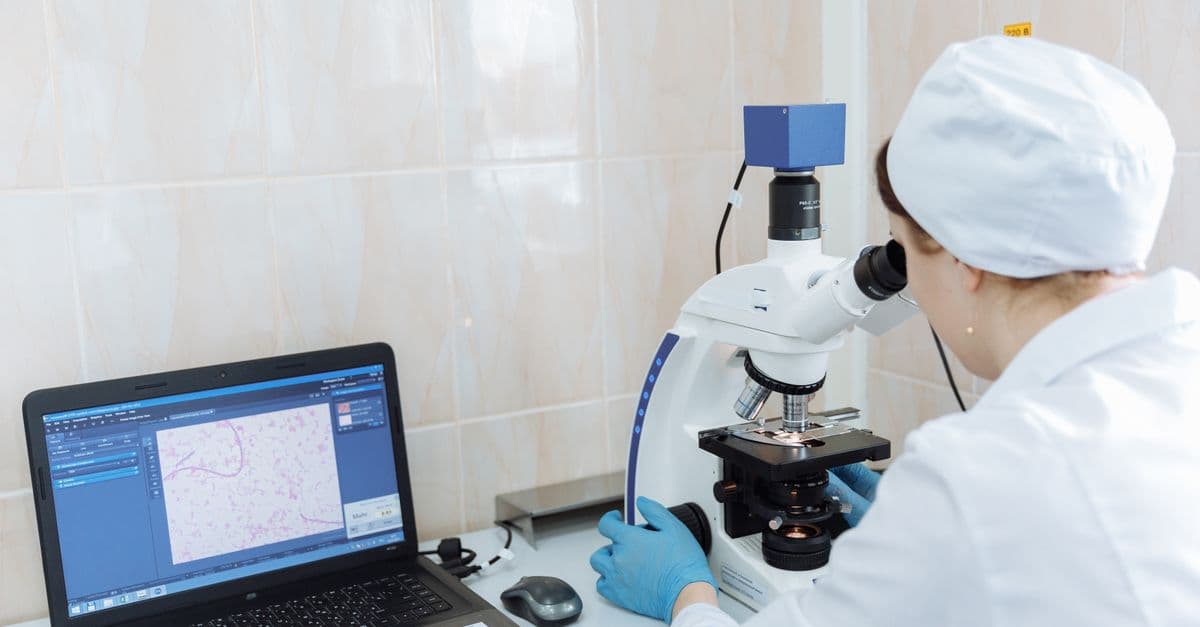
Photo: Edward Jenner / Pexels
Rotavirus is the pathogen that taught public health a hard lesson about diarrhea: clean water and good hygiene are not enough to stop a virus this efficient. Before vaccines, it was the leading cause of severe gastroenteritis in children under five worldwide, and it was responsible for about half a million child deaths a year. In the United States it sent 55,000 to 70,000 children to hospital annually. This article explains how the virus is built, how it empties an infant's gut, and how two oral vaccines changed the numbers.
Educational content, not medical advice. Talk to your doctor before changing any medication, treatment, or routine. Information here reflects current research but every person's situation differs.
The story has three parts that fit together. The first is structural: a small, wheel-shaped particle with a genome in eleven pieces. The second is physiological: a toxin made by a virus, which is rare, and a gut lining that loses its absorptive surface. The third is public health: a vaccine that was withdrawn about fourteen months after licensure, then replaced by safer successors that now protect infants in more than a hundred countries.
What kind of virus is rotavirus?
Rotavirus belongs to the family Reoviridae and the genus Rotavirus. It is a non-enveloped double-stranded RNA (dsRNA) virus. "Non-enveloped" means it has no outer lipid membrane, the fatty coat that influenza and SARS-CoV-2 wear. Non-enveloped viruses tend to be tougher in the environment than enveloped ones, because there is no membrane for soap, drying, or heat to strip away.
The intact virion (the complete infectious particle) is an icosahedral, triple-layered capsid roughly 100 nanometers across, according to structural reviews such as Asensio-Cob, Rodríguez, and Luque (2023). Under an electron microscope the outer layers look like the hub and spokes of a wheel, which is why the virus was named after rota, the Latin word for wheel. That is about a thousand times smaller than the width of a grain of fine sand, which is why only an electron microscope can resolve it.
Think of the particle as a set of nested shells, like a Russian doll that is also a delivery truck. The innermost shell holds the genome and the copying machinery. A middle layer made of the protein VP6 surrounds it. The outer layer is built from VP7, and spikes of VP4 stick out through it. The outer two layers are shed during entry, which leaves a double-layered particle that begins making RNA inside the cell while still wearing its protective inner shells.
Eleven genome segments and why that matters
The rotavirus genome is not one long strand but 11 separate dsRNA segments totaling about 18,500 base pairs. They encode six structural proteins (VP1, VP2, VP3, VP4, VP6, and VP7) and six non-structural proteins (NSP1 to NSP6), which are made inside infected cells but are not part of the finished particle.
A segmented genome is a gift to evolution. If two different rotavirus strains infect the same cell, their segments can be mixed and matched into new combinations, a process called reassortment. Picture two decks of cards being shuffled together and dealt into a new hand of 11. Most hands will be duds, but a few will combine traits in useful ways. Reassortment is one reason so many strains circulate worldwide, and it also lets vaccine makers build hybrids by pairing animal-virus segments with human surface proteins, as the RotaShield and RotaTeq vaccines did.
Reassortment also links rotavirus to animals. Strains from cattle, pigs, and other species occasionally infect people, and animal segments can end up in human strains. For the wider picture of how viruses cross species lines, see how viruses jump from animals to humans.
Surface proteins and the G/P typing system
Two outer-capsid proteins carry most of the targets that neutralizing antibodies recognize, and virologists use them to name strains.
| Protein | Location | Naming letter | What it does | Example types |
|---|---|---|---|---|
| VP7 | Outer shell, a glycoprotein | G (glycoprotein) | Helps the virus attach and enter | G1, G2, G3, G4, G9, G12 |
| VP4 | Spikes through the outer shell | P (protease-sensitive) | Attaches to gut cells; must be cut by trypsin to work | P[4], P[6], P[8] |
| VP6 | Middle shell | Not used for typing in the G/P system | Structural; used to define rotavirus groups | Not applicable |
A strain name combines the two: G1P[8], for example. The scheme works like the H and N labels used for influenza subtypes. G1P[8] is the most commonly reported human strain worldwide, with G2P[4], G3P[8], G4P[8], G9P[8], and G12P[8] also frequent, depending on the region and the year. These are widely reported patterns in the surveillance literature, but the mix shifts, which is one reason vaccine makers and surveillance networks keep watching it.
How a protein cut becomes a door key
VP4 has an unusual requirement. It must be cleaved by trypsin, a digestive enzyme made by the host pancreas and active in the small intestine, into two pieces called VP5* and VP8*. Only then is the spike primed to bind sialic acid and histo-blood group antigens (carbohydrate markers that also determine ABO blood type) on the surface of gut cells.
That is a neat trick: the virus ships with a lock that only the intestine's own enzyme can unlock. The same enzyme that digests your breakfast arms the virus for entry. It is one reason the small intestine is the preferred site of infection.
How rotavirus infects the small intestine
After a person swallows the virus, it travels to the small intestine and targets mature enterocytes at the tips of the villi. Enterocytes are the absorptive cells of the gut lining, and villi are the finger-like folds that give the intestine its enormous surface area. Think of a thick towel: the loops of the pile are the villi, and they let the towel soak up far more water than a flat sheet of the same size.
Once inside a cell, the virus sheds its outer layers and the double-layered particle begins transcribing its genome into messenger RNA. It does this without ever releasing its dsRNA into the cytoplasm, which helps it avoid detection by cellular alarm systems that look for double-stranded RNA. New viral proteins and RNA assemble in dense cytoplasmic structures called viroplasms, visible under a microscope as granular blobs. Particles then pass through the endoplasmic reticulum, where they gain their outer layers, and are released into the gut to infect neighbors or leave in stool.
At the tissue level, infected enterocytes die and slough off. The villi shorten and flatten, an effect called villus blunting, and the absorptive surface shrinks. Unabsorbed sugars and nutrients draw water into the gut by osmosis, producing osmotic diarrhea. That alone would be unpleasant, but it does not explain how fast rotavirus diarrhea starts, and this is where the virus's most unusual feature comes in.
NSP4: a viral toxin that drains neighboring cells
Bacteria such as Vibrio cholerae make enterotoxins, proteins that make the gut secrete fluid. For years it was assumed viruses did not. In 1996, Ball, Tian, Zeng, Morris, and Estes at Baylor College of Medicine reported in Science that rotavirus NSP4, a protein encoded by genome segment 10, induced diarrhea in young mice (doi:10.1126/science.272.5258.101). NSP4 became the first viral enterotoxin identified. A later study found that it works by activating a calcium-dependent chloride permeability in the intestinal lining, and that this still happens in mice lacking the cystic fibrosis transmembrane regulator (CFTR), a major chloride channel.
The proposed sequence runs like this:
- NSP4 triggers release of calcium ions from the endoplasmic reticulum, the cell's internal calcium store, through a phospholipase C signaling cascade.
- The calcium surge opens calcium-activated chloride channels at the cell surface.
- Chloride flows into the gut, and water follows by osmosis, producing secretory diarrhea.
Think of a fire alarm that triggers sprinklers in every room, including rooms that are not on fire. NSP4 acts on the infected cell and, in its secreted form, on nearby cells that have not yet been invaded. The result is fluid loss that can begin before large numbers of cells have died, layered on top of the osmotic diarrhea from villus damage. Researchers have also described effects on the junctions between gut cells and on the enteric nervous system (the gut's own network of neurons), which may amplify fluid loss further. The exact weight of each contribution in a human infant is still debated, and most of the mechanistic work comes from cell cultures and young animals.
Key point: Rotavirus diarrhea has two engines running at once: osmotic loss from a damaged gut surface, and secretory loss driven by a viral toxin. Infants, who have little fluid reserve relative to their size, are the group least able to absorb the hit.
Who gets sick, and why age matters
Rotavirus disease clusters in infants and young children. CDC lists children under five as the main group at risk and notes that in the United States, infections peak in winter and spring, from January through June. Immunity builds up in stages, and this explains why the worst disease tends to come with the first infection.
CDC notes that neither infection nor vaccination gives full protection against future infections. What repeat exposure does is blunt severity. A first infection tends to be the worst; later infections tend to be milder, and many are barely noticed. Newborns are thought to receive some protection from maternal antibodies, which is one reason the youngest babies often fare better than infants of six months and older, though the details vary by setting.
Adults can be infected too, usually with mild or no symptoms, and adults who care for sick children are a common link in household spread. People with weakened immune systems, such as transplant recipients, can have prolonged or severe disease. For the mechanics of how an infected cell triggers an immune response, see how the human immune system fights viruses, and for the antibody side of that response, antibody structure and immune defense.
What infection looks like, and why dehydration is the danger
According to CDC, symptoms usually start about two days after exposure. The typical picture is severe watery diarrhea and vomiting, often with fever and stomach pain. Vomiting and diarrhea can last three to eight days. Antibiotics do not help, because the cause is a virus, and there is no specific antiviral treatment.
The danger is fluid loss. Signs of dehydration in an infant include fewer wet diapers, a dry mouth, crying with few or no tears, and unusual sleepiness or fussiness. Mild dehydration is treated with oral rehydration solution, a carefully balanced mix of water, sugar, and salts that exploits the fact that gut cells absorb sodium and glucose together, even during diarrhea. Severe dehydration may require hospital care and intravenous fluids.
Clinicians sometimes grade severity with the Vesikari scale, a 20-point score that combines the amount and duration of vomiting and diarrhea, fever, and related features. Scores from 11 to 20 count as severe. Many vaccine trials use this scale to define "severe" disease, which is why the term appears so often in efficacy figures.
Rotavirus spreads by the fecal-oral route. CDC explains that infected people shed the virus in stool, and it can reach other people's mouths through contaminated hands, objects, surfaces, or food. People are most contagious while they have symptoms and during the first three days after recovery, and they can spread it before symptoms start. That timeline is why outbreaks move so quickly through childcare centers and hospital wards. CDC also states that handwashing and cleanliness matter but are not enough on their own to control spread, which is the central argument for vaccination.
Why a gut infection kills where hospitals are far away
Rotavirus is physiologically the same disease everywhere. What differs is how fast a child can get fluids. Where oral rehydration solution and clinics are close, most children recover. Where they are not, an infant can lose a dangerous share of body water in a day or two, and the gap between a miserable week and a funeral is distance and supply. Malnutrition, which weakens the gut and the immune system, makes the odds worse. Gavi describes rotavirus as the main cause of infant deaths from diarrheal disease globally, and says roughly half of global rotavirus deaths occur in Africa and South-East Asia.
Rotavirus compared with other stomach viruses
Parents often lump all stomach bugs together, but the viruses behind them are quite different.
| Feature | Rotavirus | Norovirus | Enteric adenoviruses |
|---|---|---|---|
| Family | Reoviridae | Caliciviridae | Adenoviridae |
| Genome | dsRNA, 11 segments | ssRNA, single segment | dsDNA |
| Envelope | No | No | No |
| Typical incubation | About 2 days (CDC) | 12 to 48 hours (CDC) | Varies by type |
| Usual illness length | 3 to 8 days (CDC) | 1 to 3 days (CDC) | Varies |
| Who gets sick | Mostly young children | All ages | All ages, any season (CDC) |
| Vaccine for the general public | Yes, oral | None listed by CDC | None (CDC) |
| Known viral enterotoxin | NSP4 | None established | None established |
Norovirus is the usual cause of adult stomach flu outbreaks on cruise ships and in nursing homes, and typically runs a shorter, vomit-heavy course. For a head-to-head comparison, see norovirus vs rotavirus: key differences, or the profiles of norovirus and adenovirus.
The vaccine story: from RotaShield to today
RotaShield and the intussusception signal (1998 to 1999)
The first licensed rotavirus vaccine, RotaShield (Wyeth), was licensed in the United States in August 1998 and given orally at two, four, and six months of age. It was an animal-human hybrid, built on the reassortment principle described earlier. Within months, reports reached CDC of infants developing intussusception shortly after vaccination.
Intussusception happens when one segment of intestine telescopes into the next like a collapsing spyglass, blocking the bowel. It is a medical emergency, but it also happens without any vaccine: CDC cites a background rate of about 1 in 2,000 to 1 in 3,000 children before their first birthday. CDC's two investigations found that the risk rose 20 to 30 times above expected in the two weeks after the first dose and 3 to 7 times above expected after the second dose, with no increase after the third. CDC estimated one or two additional cases per 10,000 vaccinated infants (CDC archive). The Advisory Committee on Immunization Practices (ACIP) voted on October 22, 1999, to stop recommending the vaccine, and the manufacturer withdrew it that month. That was about fourteen months after licensure.
The episode is a textbook lesson in why trials cannot catch everything. In the pre-licensing studies, 5 of 10,054 recipients had intussusception, against 1 of 4,633 placebo recipients: a difference that was not statistically significant, because there were too few infants to see a rare event. Only after the vaccine reached the general population did the pattern emerge. The next generation of vaccines was therefore tested in trials with tens of thousands of infants, specifically so that a signal of this size could not hide.
Rotarix and RotaTeq: the second generation
Two vaccines emerged, and both were evaluated in very large trials.
| Vaccine | Maker | Design | Schedule in trials | Large trial result |
|---|---|---|---|---|
| Rotarix | GlaxoSmithKline | Live attenuated human G1P[8] strain, one strain | Two oral doses at about 2 and 4 months | 63,225 infants in Latin America and Finland: 85% efficacy against severe rotavirus gastroenteritis and 100% against the most severe disease |
| RotaTeq | Merck | Pentavalent human-bovine reassortant (WC3) vaccine | Three oral doses at 2, 4, and 6 months (ACIP schedule) | 68,038 infants: 98% efficacy against severe disease and 74% against any rotavirus gastroenteritis in a nested substudy; 94.5% fewer hospitalizations and emergency visits |
Sources: Ruiz-Palacios et al., NEJM 2006 (Rotarix); Vesikari et al., NEJM 2006 (RotaTeq); CDC MMWR on RotaTeq licensure, which reports licensure in February 2006 and a prelicensure trial of 71,725 infants. In both trials, intussusception was not significantly increased in vaccinated infants.
Both vaccines are given by mouth, and that is not a minor convenience. Rotavirus invades through the gut, so an oral, live attenuated vaccine replicates briefly in the intestine and stimulates immunity at the site where the wild virus would enter. It also means no needles and no trained injectors, which matters for mass programs. Two more oral vaccines, Rotavac and Rotasiil, were evaluated in trials reviewed by Cochrane, and WHO prequalified two additional rotavirus vaccines in 2018.
For the general immunological logic of training the body before a real exposure, see how vaccines actually work and how vaccines train memory B cells. Another oral vaccine with a long record, in this case against a different intestinal virus, is covered in the article on poliovirus.
Is the intussusception risk gone?
Not entirely, and public health agencies say so openly. The WHO Global Advisory Committee on Vaccine Safety stated in 2015 that an increased risk of intussusception had been found in multiple countries for both vaccines, especially within the first seven days after the first and second doses. The committee also concluded that the safety profile is acceptable and that the benefits outweigh the risks, and described the benefits as particularly important in resource-poor countries (WHO statement). The residual risk is far smaller than that seen with RotaShield. Because intussusception can also occur naturally, parents are usually advised to seek care immediately if an infant shows severe, persistent crying, vomiting, or blood in stool after vaccination. Ask a pediatrician about specific circumstances.
What vaccination changed
In the United States, CDC estimated that before the pentavalent vaccine arrived in 2006, rotavirus caused 20 to 60 deaths, 55,000 to 70,000 hospitalizations, 205,000 to 272,000 emergency department visits, and 410,000 outpatient visits each year. By the 2007 to 2008 season, a CDC analysis of 29 laboratories found that positive rotavirus tests had fallen 64 percent compared with 2000 to 2006, even though only about 31 percent of children under two had received at least one dose by then. The season also shrank: it started about 11 weeks later than the earlier median and lasted 14 weeks instead of 26. That mismatch between low coverage and large decline points to indirect protection, with vaccinated children infecting fewer others (CDC MMWR, 2009).
Globally, the Global Burden of Disease analysis by Troeger and colleagues estimated 128,500 deaths from rotavirus among children under five in 2016 (95 percent uncertainty interval, 104,500 to 155,600), with 104,733 of them in sub-Saharan Africa. Rotavirus accounted for about 29 percent of diarrheal deaths in that age group, and the authors estimated that vaccines had already averted more than 28,000 deaths that year (Troeger et al., JAMA Pediatrics 2018). Other modeling groups produce different totals for the same period, so researchers treat the figures as estimates with wide ranges rather than counts.
| Measure | Figure | Source and year |
|---|---|---|
| Child deaths per year before vaccination, global | About 0.5 million | Cochrane review, 2021 |
| US hospitalizations per year before vaccination | 55,000 to 70,000 | CDC MMWR, 2009 |
| Drop in positive US rotavirus tests, 2007 to 2008 | 64% | CDC MMWR, 2009 |
| Deaths in children under five, 2016 | 128,500 | Troeger et al., 2018 |
| Share of those deaths in sub-Saharan Africa | 104,733 (about 81%) | Troeger et al., 2018 |
| Children immunized with Gavi support by end of 2024 | More than 406 million | Gavi |
| Rotavirus vaccine coverage, 57 Gavi-supported countries, 2024 | 71% | Gavi |
WHO's advisory group recommended universal infant rotavirus vaccination in 2009, and Gavi began supporting introductions in poorer countries after that. The Cochrane review of vaccine trials counted 107 countries that had adopted the recommendation as of its 2021 update (Cochrane). As with measles, a vaccine for a near-universal childhood infection changed the burden within a decade; compare measles virus explained.
Why the vaccines work less well in poorer settings
The same vaccine can perform differently depending on where it is given. In a randomized trial of Rotarix in South Africa and Malawi published in NEJM in 2010, the pooled efficacy against severe rotavirus gastroenteritis was 61.2 percent. It was 76.9 percent in South Africa and 49.4 percent in Malawi. Even so, more cases were prevented per 100 vaccinated infants in Malawi, because so many more infants there would otherwise have become severely ill (Madhi et al., 2010). A vaccine that is less efficient can still save more lives where the disease burden is higher.
Why the gap exists is not settled. Hypotheses include competing gut infections, differences in the microbiome, malnutrition, interference from maternal antibodies in breast milk, and differences in the circulating strains. The Madhi authors themselves suggested that prevalent subtypes might explain part of the Malawi-South Africa difference. Researchers are testing variations such as additional doses or different schedules. For context on the gut ecosystem that may play a role, see the gut microbiome explained.
Efficacy versus effectiveness: reading the numbers
Two words appear constantly in vaccine reporting and they are not interchangeable. Efficacy is the reduction in disease measured in a controlled trial, where participants are enrolled, followed closely, and compared with a placebo group. Effectiveness is the reduction measured afterward, in routine use, where children arrive late for doses, have other illnesses, or live in very different conditions from trial participants.
A trial figure such as 85 percent therefore answers a narrow question: among enrolled infants in specific countries during specific seasons, how much less severe disease did the vaccinated group have? It does not promise the same number in a different country or year. That is why the African trial result, with its lower pooled figure, matters as much as the headline trial in Latin America and Finland, and why the post-licensure drop in US laboratory positives is a different kind of evidence from either.
A timeline of the main events
| Date | Event | Source |
|---|---|---|
| 1996 | NSP4 identified as the first viral enterotoxin | Ball et al., Science |
| August 1998 | RotaShield licensed in the United States | CDC archive |
| October 1999 | ACIP withdraws its recommendation; manufacturer withdraws the vaccine | CDC archive |
| February 2006 | RotaTeq licensed in the United States | CDC MMWR |
| 2006 | Large Rotarix and RotaTeq trials published | NEJM |
| 2009 | WHO's advisory group recommends universal infant vaccination | Gavi |
| 2010 | Rotarix trial in South Africa and Malawi reports 61.2% pooled efficacy | NEJM |
| 2018 | WHO prequalifies two additional rotavirus vaccines | WHO |
| 2024 | Chad and Viet Nam introduce the vaccine; Gavi-country coverage reaches 71% | Gavi |
Read down the table and a pattern emerges: a discovery about how the virus causes disease, a failure that exposed the limits of trials, a decade of rebuilding trust with larger studies, and then the slower work of delivery.
Common misunderstandings
"Rotavirus is just a bad stomach flu." The word "flu" is misleading: influenza is a respiratory virus, and rotavirus is not related to it. In well-resourced settings the disease is usually a hard week for an infant. In places without ready access to rehydration, the same infection kills.
"Good hygiene makes the vaccine unnecessary." CDC states that handwashing and cleanliness are important but not enough to control rotavirus spread. The virus's low barrier to transmission is what makes it so hard to block with hygiene alone.
"The vaccine gives lifelong immunity." It does not, and neither does natural infection. CDC notes that vaccinated children can still be infected. The vaccines are designed to reduce severe disease, and they do that well, rather than to guarantee that no infection ever occurs.
"RotaShield proved rotavirus vaccines are unsafe." RotaShield proved that surveillance works. The signal was detected, acted on within months, and the successor vaccines were designed and trialed to look for exactly that risk. The remaining intussusception risk is real but small, and expert bodies judge that the benefit outweighs it.
"Antibiotics should help with the diarrhea." They do not. Antibiotics target bacteria. The treatment for rotavirus is replacing lost fluids.
Open questions
Several issues remain active. First, the performance gap between settings: no single explanation has been confirmed, and trials of alternative schedules are ongoing. Second, strain shifts: surveillance tracks whether widespread vaccination changes which G/P combinations dominate, and so far the vaccines have continued to protect against a variety of strains. Third, supply: Gavi reported that in 2024 two manufacturer-driven product discontinuations forced affected countries to switch products, a reminder that vaccine programs depend on a small number of producers. Fourth, the mechanism of NSP4 in human infants is inferred largely from animal and cell studies, and how much of a given child's diarrhea is secretory versus osmotic is hard to measure.
The takeaway
Rotavirus succeeds because it combines a hardy, easily spread particle with a pair of tricks: a spike that the gut's own enzyme activates, and a toxin that makes cells drain fluid before they die. Infants, with little fluid in reserve, bear the brunt, and where rehydration is out of reach, the infection kills. The vaccine story is the counterpoint: a first attempt that was withdrawn about fourteen months after licensure, a surveillance system that caught the problem, and two oral vaccines that now prevent most severe disease. The remaining task is making that protection work as well in Malawi as it does in Finland.
Frequently asked questions
Q: How is rotavirus transmitted? A: Rotavirus spreads by the fecal-oral route. Infected people shed the virus in stool, and it reaches other people's mouths through contaminated hands, objects, surfaces, or food. According to CDC, people are most contagious while they have symptoms and for the first three days after recovery, and they can spread it before symptoms appear.
Q: What is NSP4, and why does it matter? A: NSP4 is a non-structural protein encoded on rotavirus genome segment 10 and the first viral enterotoxin identified, reported in 1996. It triggers calcium release inside gut cells, which opens chloride channels and pulls water into the gut. This adds secretory diarrhea to the osmotic diarrhea caused by damaged villi.
Q: What is the G/P typing system? A: Rotavirus strains are named by two outer proteins. G-types come from VP7, a glycoprotein, and P-types from VP4, a protease-sensitive spike protein. A strain such as G1P[8] combines the two. The scheme resembles the H and N labels for influenza and reflects the main targets of neutralizing antibodies.
Q: What caused the RotaShield withdrawal? A: Surveillance after launch found that infants had a sharply higher risk of intussusception, a bowel blockage, soon after the first dose. CDC found a 20 to 30 times higher risk than expected in the two weeks after dose one and estimated one or two additional cases per 10,000 vaccinated infants. The vaccine was withdrawn in October 1999.
Q: How well do Rotarix and RotaTeq work? A: In large trials, Rotarix showed 85 percent efficacy against severe rotavirus gastroenteritis and RotaTeq showed 98 percent against severe disease in a nested substudy. In an African trial of Rotarix in South Africa and Malawi, pooled efficacy was 61.2 percent. Efficacy is generally lower where children have more competing infections and less access to care.
Q: Can you get rotavirus more than once? A: Yes. CDC states that neither infection nor vaccination gives full protection against future infections. Later infections tend to be milder, so a first infection is usually the most severe. Vaccinated children can still be infected, but they are less likely to become seriously ill.
Q: Why do rotavirus vaccines come as drops rather than a shot? A: Rotavirus infects the lining of the small intestine, so an oral live attenuated vaccine multiplies briefly in the gut and prompts immunity at that site. Oral delivery also removes the need for needles and trained injectors, which simplifies mass vaccination programs in low-resource settings.
Sources
- Centers for Disease Control and Prevention. About Rotavirus (updated April 2024).
- CDC archive. Rotavirus Vaccine (RotaShield) and Intussusception.
- CDC. MMWR 2007;56(10): Postmarketing monitoring of RotaTeq.
- CDC. MMWR 2009;58(41): Reduction in rotavirus after vaccine introduction, United States, 2000 to 2009.
- World Health Organization. Statement from the Global Advisory Committee on Vaccine Safety, 2015.
- World Health Organization. Rotavirus vaccines: WHO position paper, July 2021.
- Gavi, the Vaccine Alliance. Rotavirus vaccine support.
- Cochrane. Vaccines for preventing rotavirus diarrhoea: updated Cochrane review (Bergman et al., 2021).
- Troeger C, et al. Rotavirus vaccination and the global burden of rotavirus diarrhea among children younger than 5 years. JAMA Pediatrics 2018.
- Ball JM, Tian P, Zeng CQ, Morris AP, Estes MK. Age-dependent diarrhea induced by a rotaviral nonstructural glycoprotein. Science 1996;272:101-104. doi:10.1126/science.272.5258.101.
- Ruiz-Palacios GM, et al. Safety and efficacy of an attenuated vaccine against severe rotavirus gastroenteritis. NEJM 2006;354:11-22.
- Vesikari T, et al. Safety and efficacy of a pentavalent human-bovine (WC3) reassortant rotavirus vaccine. NEJM 2006;354:23-33.
- Madhi SA, et al. Effect of human rotavirus vaccine on severe diarrhea in African infants. NEJM 2010;362:289-298.
- Asensio-Cob D, Rodríguez JM, Luque D. Rotavirus particle disassembly and assembly in vivo and in vitro. Viruses 2023.
- CDC. About Norovirus and About Adenovirus.
Read next:
Follow new articles
Add SciHub101 to your feed reader to see new science and technology stories.
About the Author
SciHub101 is an independent science and technology publication founded and edited by Buğra Sözeri, a software engineer and app developer based in Türkiye. AI tools assist with drafting and research. Source documentation in the existing archive is uneven, and articles are being reviewed and corrected. The Editorial Team byline identifies editorial responsibility; it does not certify specialist or independent human review. Where we compare products, anything built by our own team is labelled as such — see the editorial guidelines and About page for how corrections and disclosures work.
Related Articles
Nipah Virus: The Bat Pathogen That Scares Virologists
Nipah virus kills an estimated 40 to 75 percent of those infected and has no licensed vaccine. How it spreads from bats to people, and why experts watch it.
West Nile Virus Explained
West Nile virus: mosquito transmission, bird reservoirs, neuroinvasive disease, the 1999 NYC outbreak, and why no human vaccine exists yet.
Norovirus vs Rotavirus: Key Differences
Norovirus vs rotavirus: how the two stomach bugs differ in biology, who they hit, how they spread, vaccines, and when dehydration needs a doctor.
Shingles & Varicella-Zoster Virus: Deep Dive
How varicella-zoster virus causes chickenpox, hides in nerve ganglia for decades, and returns as shingles, plus what Shingrix trials showed about prevention.
Rubella Virus Explained: German Measles & CRS
Rubella causes a mild rash in children but can devastate a fetus. How the virus works, what CRS does, and how vaccination eliminated it in the Americas.
Cytomegalovirus (CMV): A Complete Deep Dive
CMV infects 60–80% of adults yet causes devastating harm in newborns and immunocompromised patients. Here's everything you need to know.