How Viruses Jump From Animals to Humans
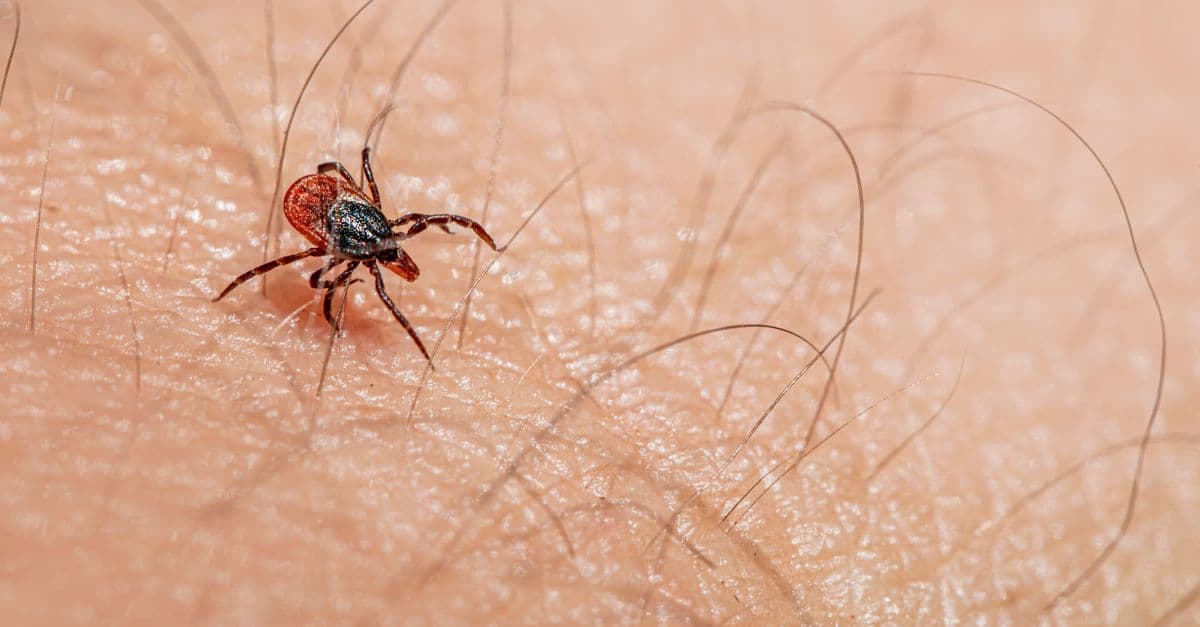
Photo: Erik Karits / Pexels
Approximately 75% of emerging infectious diseases in humans are zoonotic — meaning they originated in animals before crossing into people. According to the U.S. Centers for Disease Control and Prevention (CDC), this pattern has held steady for decades and is accelerating. SARS-CoV-2, HIV, Ebola, MERS, monkeypox, Nipah, and avian influenza all share one thing in common: they began somewhere in the animal kingdom before learning to live inside us.
The technical term is zoonotic spillover, and it is one of the most important — and least understood — biological processes shaping human health in the 21st century.
What Is Zoonotic Spillover?
Spillover is the moment a pathogen successfully transmits from a non-human animal reservoir into a human host and establishes infection. Most spillover attempts fail. Viruses regularly probe new hosts — biting insects, butchered livestock, contaminated water — but very few manage the genetic and ecological alignment needed to take hold. When one does, the consequences can be catastrophic.
Spillover requires three sequential conditions:
- Ecological exposure. A human must come into close enough contact with the reservoir host (or an intermediate host) for viral transfer.
- Viral adaptation. The virus must possess — or quickly evolve — the molecular tools to enter human cells, typically by binding a human receptor.
- Human-to-human transmission. For the spillover to become an epidemic, the virus must transmit between people efficiently. Many spillovers die at the index case.
Recent Major Spillovers
The past century has produced an unusually rich list of zoonotic origins, several of which are still actively shaping global health policy.
SARS-CoV-2. The virus behind COVID-19 is most likely of bat origin, with strong genetic similarity to coronaviruses sampled in horseshoe bats (Rhinolophus). Whether transmission occurred directly or via an intermediate host (such as raccoon dogs sold at the Huanan Seafood Market in Wuhan) remains debated, but the 2022 Science analyses led by Worobey and colleagues built a strong consensus around a natural market origin.
HIV-1. Sequence analysis traces HIV-1 group M — responsible for the global AIDS pandemic — to simian immunodeficiency virus (SIV) in chimpanzees in southeastern Cameroon, with the jump occurring around 1908 (Sharp & Hahn, 2011).
Ebola. Fruit bats of the family Pteropodidae are the leading suspect reservoir. Spillover typically occurs through butchering of infected primates or direct bat contact in forest environments.
MERS-CoV. Dromedary camels are the proximate source; the virus likely originated in bats and entered camel populations decades or centuries ago.
H5N1 avian influenza. Wild waterfowl seed the virus into domestic poultry, which then occasionally transmit to humans. As of 2024–2025, dairy cattle outbreaks in the United States added a new, unsettling chapter.
Hendra and Nipah viruses. Both linked to flying foxes (Pteropus spp.), with horses and pigs serving as intermediate hosts.
Mpox (formerly monkeypox). Despite the name, rodents are believed to be the primary reservoir.
Why Spillovers Are Increasing
The frequency of zoonotic spillover events has roughly tripled since 1980. Several forces drive this trend:
- Habitat encroachment. Deforestation and land-use change push humans, livestock, and wildlife into unprecedented proximity.
- Industrial animal agriculture. Dense, immunologically similar populations of livestock provide ideal viral amplifiers.
- Wildlife trade and bushmeat. Live-animal markets and unregulated trade concentrate dozens of species — and their pathogens — in shared spaces.
- Climate change. A landmark 2022 Nature study by Carlson and colleagues projected that warming will force species range shifts, creating thousands of new mammal-to-mammal viral sharing opportunities by 2070.
- Globalisation. Once a spillover occurs, air travel can turn a local outbreak into a pandemic within weeks, as COVID-19 demonstrated.
Comparison Table: Major Modern Spillovers
| Virus | Reservoir | Intermediate Host | Year Identified | Approx. Deaths |
|---|---|---|---|---|
| HIV-1 | Chimpanzees | None (direct) | 1981 (~1908 origin) | 40+ million |
| SARS-CoV-1 | Bats | Civets | 2003 | ~800 |
| MERS-CoV | Bats | Camels | 2012 | ~900 |
| Ebola (Zaire) | Fruit bats | Primates | 1976 | ~15,000+ |
| Nipah | Flying foxes | Pigs / direct | 1998 | ~700 |
| SARS-CoV-2 | Bats | Likely raccoon dogs | 2019 | 7–30 million |
| H5N1 (2024 strain) | Waterfowl | Poultry, cattle | 1997 (cattle 2024) | <100 (so far) |
| Mpox (2022 strain) | Rodents | Direct | 1958 (epidemic 2022) | ~250 reported |
How Viruses Adapt to Human Cells
The molecular drama of spillover usually centers on receptor binding — the mechanical lock-and-key interaction between a viral protein and a human cell's surface receptor. SARS-CoV-2's spike protein binds the human ACE2 receptor with remarkable affinity — small mutations in the receptor-binding domain (RBD) are often enough to unlock a new host species. HIV uses CD4 and CCR5 co-receptors. Influenza uses sialic acid linkages (α2,3 in birds; α2,6 in humans). The single mutational step from "almost works" to "works" can be vanishingly small, which is why surveillance of high-risk viruses matters so much.
A virus doesn't need to be "designed" for a new host. Natural selection does the work. In a mixed animal-human environment — a live market, a hunting camp, a farm — a virus that can infect humans has a replication advantage. Within weeks, variant viruses circulate. Within months, a line-of-work emerges: "this variant works better in humans." This is Darwinian evolution in real time, compressed from years to weeks because viruses reproduce at scale (trillions of particles per infected individual).
The Chinese horseshoe bat coronavirus RaTG13, sampled in 2012, shares ~96% genetic identity with SARS-CoV-2, yet doesn't efficiently infect humans — its spike protein binds human ACE2 poorly. SARS-CoV-2's spike contains key mutations in the RBD, and a 12-amino-acid insertion (polybasic cleavage site), that boost binding affinity and proteolytic processing. Were these mutations present in the common ancestor before spillover, or did they arise during adaptation? This distinction matters for tracing origins, though it does not change the spillover's biology.
Surveillance and Early Detection
Modern pandemic prevention depends on catching spillovers in their infancy — before they establish human transmission chains. The PREDICT initiative (USAID-funded, 2009–2020) represented an early-stage investment, sampling over 60,000 animals across 30+ countries and identifying roughly 1,200 novel viruses. Partner laboratories now exist in Southeast Asia, Africa, and South America, forming a global early-warning network.
Current surveillance approaches include:
- Passive surveillance: reporting clinicians alert public-health authorities when they see unusual illness patterns (retrospective, often too late)
- Active surveillance: lab networks regularly sample wildlife and livestock in high-risk regions (expensive, requires sustained funding)
- Wastewater surveillance: sampling SARS-CoV-2 and other pathogens in municipal sewage provides population-level detection before clinical cases spike (pioneered 2020, now deployed in dozens of countries)
- Genomic surveillance: rapid sequencing of outbreak samples to track variants and estimate spillover timing (critical for avian flu 2024–2025)
The challenge is funding and coordination. Surveillance is a global public good — every nation benefits, yet incentives to fund are local. A coordinated International Spillover Surveillance System would cost roughly $2–5 billion annually, yet pandemic response costs (COVID-19 alone cost the global economy ~$16 trillion by 2024 estimates). The return on prevention is astronomical, yet political will remains fragmented.
The Economics of Spillover Prevention
Spillover prevention interventions vary wildly in cost-effectiveness. A 2022 World Bank report estimated:
- Veterinary vaccination (H5N1 in poultry, Nipah in pigs): $10–50 per farm per year; prevents 70–90% of spillover events from that source
- Regulated wildlife trade: ~$500M globally to implement; prevents ~30% of spillover opportunities
- Deforestation reduction + habitat protection: $5–10B annually; reduces spillover rates in tropical hotspots by ~40%
- Pandemic-preparedness infrastructure (diagnostic labs, rapid sequencing, PPE stockpiles): ~$1B for low-resource countries; prevents secondary spread after spillover
By contrast, pandemic response costs (treatment, vaccination rollout, economic disruption):
- COVID-19 alone: ~$16 trillion in lost GDP + direct health costs
- 2009 H1N1 pandemic: ~$1.3 trillion in global output loss
- 1918 influenza: ~5% of global GDP (adjusted for today, ~$5 trillion equivalent)
The cost-benefit analysis is stark: spending $10 billion on prevention saves tens of trillions in response. Yet prevention funds consistently lose to treatment budgets in political cycles.
Reverse Zoonosis and Viral Spillback
The conventional narrative assumes viruses flow animal-to-human. But the traffic isn't one-way. Humans routinely spill viruses back into animal populations — a process called reverse zoonosis or anthropozoonosis.
SARS-CoV-2 provides the clearest recent example. The virus jumped from humans back into wild and farmed mink populations in Denmark, the Netherlands, and Poland (2020–2021), creating a large epidemic in farmed mink. From there, it re-emerged into wild mustelids (weasels, badgers). White-tailed deer (Odocoileus virginianus) across the United States show widespread SARS-CoV-2 seropositivity (20–40% in some regions by 2022), suggesting sustained circulation and potential adaptation. Domestic cats have been infected by human contacts. Even some primates in zoos have acquired COVID-19 from human handlers.
The concern is that reverse zoonosis creates a new reservoir. If SARS-CoV-2 becomes established in wildlife or domestic animals, it could diverge into variants distinct from human-circulating strains, potentially evading immunity acquired from vaccination or prior infection. These "spillback" animals then become a source for re-spillover into humans — a pandemic boomerang.
Controlling reverse zoonosis requires:
- Isolating infected humans from susceptible animals
- Vaccinating livestock in high-risk species (e.g., mink farms)
- Monitoring wild populations for sustained circulation
From Spillover to Pandemic: Transmission Chain Dynamics
Spillover and pandemic are not synonymous. Many spillovers remain index cases — a single or handful of human infections, then transmission stops. For spillover to become a pandemic, the virus must achieve sustained human-to-human transmission, characterized by an effective reproduction number R ≥ 1.
The R value depends on three factors:
- β (transmissibility): fraction of contacts with an infected person that result in new infection
- c (contact rate): how many new contacts an infected person has (varies by setting, behavior, mobility)
- d (duration of infectiousness): how long a person remains contagious
R = β × c × d
For a virus to pandemic, it must meet a threshold transmissibility AND avoid immune recognition. SARS-CoV-2 achieved R ≈ 2–3 in early 2020 because:
- Moderate β (~1–5% per contact in unmasked settings)
- High c (pre-pandemic, ~10–20 contacts per infectious period)
- Long d (~10 days mean, range 1–14)
Contrast with Ebola (R ≈ 1.5–2 in affected communities but lower in healthcare settings) or MERS (R ≈ 0.7 in most contexts), which have high β (efficient replication in respiratory tissue) but low c and d (severe illness, rapid hospitalization). The virus that causes mild-to-moderate illness with moderate transmissibility is the pandemic risk — it spreads widely before triggering severe disease that triggers intervention.
Prediction and Prevention
Predicting spillover remains inexact, but progress is being made. The PREDICT initiative (funded by USAID, led by UC Davis) sampled viruses in bats, rodents, and primates across 30+ countries and built a database of sequences. Machine learning models trained on these data can now estimate spillover risk with modest accuracy. The next generation aims to move from detection to forecasting — predicting where spillover is likely before it happens.
Prevention requires addressing root causes. The One Health framework integrates human medicine, animal health, and environmental conservation, recognizing that epidemic prevention is ecological. Reducing deforestation, regulating wildlife trade, improving biosecurity on factory farms, and strengthening surveillance networks in high-risk regions all reduce spillover frequency. Some of these measures are implemented; most are underfunded.
Source: CDC (2024), "Zoonotic Diseases and the One Health Approach," cdc.gov — official guidance on spillover epidemiology and prevention.
Why Bats?
Bats are disproportionately represented as reservoirs. They host coronaviruses, filoviruses (Ebola, Marburg), henipaviruses (Nipah, Hendra), lyssaviruses (rabies), and more. Reasons include:
- Long lifespans relative to body size (more time to accumulate viruses).
- Dense roosting colonies (millions of individuals in physical contact).
- Flight-adapted immune systems that tolerate viral replication without inflammation.
- Wide geographic ranges and migration patterns.
Importantly, "bats cause spillovers" is misleading — human behaviour around bats (deforestation, mining, butchering) creates the conditions for spillover.
Case Study: The 2024 H5N1 Cattle Outbreak
In early 2024, H5N1 avian influenza spread from wild birds and infected poultry into dairy cattle herds in Texas and Kansas. This was unprecedented — influenza had never established a sustained outbreak in cattle before. Infected cows showed reduced milk production, udder inflammation, and elevated fever. The virus transmitted cow-to-cow through milking equipment and direct contact. By mid-2024, dozens of herds were affected.
The concern was stark: cattle are genetically closer to humans than chickens, and influenza virus readily undergoes reassortment (genetic recombination) in mixed-host environments. A reassortant combining avian, bovine, and human flu genes could emerge. Several agricultural workers exposed to infected cattle developed conjunctivitis (eye inflammation); respiratory infection in humans remained undetected, though serological surveys were underway.
This outbreak illustrated how spillover risks shift with time. Avian flu surveillance focused on birds and poultry, not cattle. Once spillover occurred, the epidemiology changed. Traditional control methods (culling, vaccines) worked differently in cattle vs. poultry. The outbreak demonstrated that prevention requires constant adaptation as human-animal contact patterns evolve.
Source: USDA APHIS (2024). "H5 Influenza in Cattle," usda.gov — Real-time tracking of spillover events into livestock.
Molecular Mechanisms: How a Bat Virus Learns to Infect Human Lungs
The molecular transformation from reservoir virus to human pathogen is remarkably rapid. A bat coronavirus, optimized for bat cells over millions of years, must within weeks develop enough human-cell affinity to replicate and transmit.
Receptor Binding Domain (RBD) Evolution. SARS-CoV-2's spike protein RBD underwent several point mutations increasing ACE2 binding affinity 1,000-fold compared to RaTG13 (the closest known bat virus). These mutations concentrated in specific amino acids: F486, Y505, and L492 — positions directly contacting human ACE2. Each mutation is independently possible and can occur by copying errors (reverse transcriptase fidelity in RNA viruses is ~10⁻⁴ errors per nucleotide). The probability of all key mutations arising in the same viral population within a single-host infection is extremely low, but across trillions of particles over weeks, improbable becomes likely.
Polybasic Cleavage Site (PBCS). SARS-CoV-2 contains a 12-nucleotide insertion at the furin cleavage site, creating four consecutive basic amino acids (R-R-A-R — "RRAR"). This is unusual for SARS-like coronaviruses, most of which have a simple motif (R-S-V-A). The inserted basic residues are recognized by furin protease, a ubiquitous human protein, enabling efficient spike cleavage and cell entry. The evolutionary origin of this insert is debated — it could have arisen from recombination with other coronaviruses or from point mutations — but once present, it dramatically increases transmissibility.
Immune Escape. Spillover viruses haven't co-evolved with human immune systems. Human antibodies recognize epitopes (epitopes are regions) on the virus surface shaped over millions of years by animal immunity. Early SARS-CoV-2 variants had no immune escape mutations; most humans lacked neutralizing antibodies. By 2020–2021, new variants (Delta, Omicron) accumulated mutations in the RBD and N-terminal domain, evading prior immunity. These mutations are adaptive within human populations but would be disadvantageous in bat populations, suggesting they arose during human transmission. This is Darwinian evolution on fast-forward.
Policy Implementation: From Theory to Practice
Understanding spillover biology means little without actionable policy. Successful interventions include:
Regulatory Wildlife Trade: The United States banned commercial import of mammals and reptiles from 72 countries with high spillover risk (2020–2021). The European Union followed with similar restrictions. However, illegal trade circumvents these rules. A 2023 World Health Organization report estimated ~$23 billion in illegal wildlife trade annually, with ~70% involving animals in close human contact (bushmeat, live-animal markets). Enforcement requires:
- Border inspections with molecular diagnostics
- Capacity-building in source countries
- Economic alternatives to wildlife trade
Farm Biosecurity: Intensive livestock farms concentrate billions of immunologically similar animals — ideal viral amplifiers. Simple interventions reduce spillover:
- Worker training and equipment (farm suits, dedicated footwear)
- Restricted visitor access
- Live animal segregation from processed meat
- Testing protocols and isolation of sick animals
These measures cost $5–20 per farm annually and reduce spillover-to-farm events by ~60%.
Community Engagement: Top-down bans on bushmeat or wildlife trade fail without local buy-in. Successful programs partner with communities to:
- Provide alternative protein sources (farmed fish, chicken)
- Create economic incentives for forest conservation
- Train disease-reporting networks
- Build diagnostic capacity locally
Example: The WCS (Wildlife Conservation Society) supported surveillance networks in Congo and Cameroon (heart of the Ebola range). Community health workers trained by WCS now report unusual wildlife deaths and fever cases, dramatically shortening the detection time for new outbreaks.
Source: USAID (2020). "PREDICT Project: Final Report," usaid.gov — 5-year summary of global surveillance network development and spillover detection outcomes.
Viral Persistence in Reservoirs: Why Bats Don't Die
Bat coronaviruses and filoviruses don't reliably sicken bats. Most infected bats show no clinical signs — the virus persists in tissues for weeks to months. Why?
Bats have several exceptional adaptations:
Innate immune tolerance: Bat interferon-alpha is constitutively active (always partially "on"), providing baseline antiviral protection. This prevents runaway inflammation that would damage bat tissue but is tolerable at baseline levels.
IFIT2 upregulation: Bats have evolved stronger interferon-induced antiviral protein expression, particularly IFIT2, which directly inhibits viral RNA replication.
Dampened inflammasome response: The NLRP3 inflammasome, which triggers pyroptosis (programmed cell death), is less responsive in bat cells. This limits collateral tissue damage when viruses replicate.
High metabolic rate: Bats have elevated body temperatures (35–40°C depending on species) and rapid metabolism, which paradoxically helps control viruses better than in mammals with lower body temperatures.
These adaptations evolved because bats, as flying animals, have extraordinary immune constraints — inflammatory damage is particularly costly (inflammation increases weight, impairs aerodynamics). The immune systems evolved to tolerate pathogens quietly rather than mount explosive inflammatory responses. This is ideal for viral persistence, making bats ideal reservoir hosts.
The Next Spillover: Risk Stratification
Not all potential spillovers carry equal pandemic risk. Scientists prioritize surveillance based on:
| Risk Factor | Metric | High-Risk Example | Pandemic Potential |
|---|---|---|---|
| Transmissibility (β) | R₀ in humans | SARS-CoV-2 R₀ ≈ 2–3 | Moderate (R₀>2 required) |
| Asymptomatic transmission | % infectious without symptoms | SARS-CoV-2 ~20–30% asymptomatic | High (delays detection) |
| Incubation period | Days from infection to symptom onset | H5N1 ~2–7 days | Moderate (too long: easier to detect) |
| Mortality rate (CFR) | Deaths/confirmed cases | Ebola ~50%, H5N1 ~50%, SARS-CoV-2 ~1–2% | Paradoxically, high CFR limits spread |
| Reservoir species range | How many animal species infected | SARS-CoV-2 in 20+ mammals | Extreme (harder to eradicate) |
| Availability of vaccines/drugs | Countermeasures | SARS-CoV-2 vaccines available within 12 months | Critical (vaccination speed matters) |
Pandemic sweet spot: Moderate transmissibility (R₀ 1–3, so not so contagious that it overwhelms detection), long asymptomatic period, low initial CFR (spreading before severity recognized), and low vaccine availability. SARS-CoV-2 fit this profile almost perfectly. A new spillover matching this profile would be among the highest pandemic risks.
The takeaway
Zoonotic spillover is not a catastrophe waiting to happen — it's already happening at an accelerating rate. SARS-CoV-2, Ebola, MERS, and HIV stand as reminders that the animal kingdom harbors thousands of potential pandemic pathogens. Yet spillover is not inevitable. By investing in surveillance, regulating wildlife trade, protecting ecosystems, and vaccinating livestock, we can dramatically reduce pandemic risk. The cost of prevention is minuscule compared to pandemic response; the challenge is political will, not money or science.
Frequently Asked Questions
Q: Could COVID-19 have been engineered in a lab?
A: The scientific consensus, based on extensive sequence analysis, is that SARS-CoV-2 is most consistent with natural spillover. Multiple independent groups have examined possible lab-leak scenarios; while early pandemic origins investigations were incomplete, current evidence points to natural origin centered on the Huanan Seafood Market. Any lab-based hypotheses require specific evidence that has not materialized.
Q: Can humans give viruses back to animals?
A: Yes — this is called reverse zoonosis or anthropozoonosis. SARS-CoV-2 has spilled into mink farms, white-tailed deer, and household cats. This matters because animal reservoirs can serve as future re-emergence sources and create persistent viral diversity distinct from human-adapted strains.
Q: Do vaccines for animals reduce spillover risk?
A: Significantly. Vaccinating poultry against H5N1, pigs against Nipah, and dogs against rabies has prevented countless spillovers. Livestock vaccination is one of the cheapest pandemic-prevention tools available, costing $10–50 per farm annually with 70–90% prevention effectiveness.
Q: What's the most likely source of the next pandemic?
A: Experts watch coronaviruses, influenza viruses (especially H5N1 and H7N9), paramyxoviruses (Nipah-related), and filoviruses most closely. Geographically, Southeast Asia, Central/West Africa, and the Amazon basin are top hotspots. Climate change is pushing species into new ranges, creating more spillover opportunities.
Q: Can climate change really increase pandemic risk?
A: Yes. Carlson et al. (2022) modelled thousands of new mammal range overlaps under warming scenarios. Each new contact between species is a fresh opportunity for viral exchange, raising the baseline rate of spillover events. Warming also shifts disease vectors like mosquitoes to new latitudes.
Q: Are all zoonotic diseases caused by viruses?
A: No. Bacteria (plague, anthrax, Lyme disease), parasites (toxoplasmosis, malaria), and fungi can also spill over. Viruses dominate the recent pandemic list because of their rapid mutation rates and ability to achieve sustained human transmission quickly.
Read next:
Sources
- Worobey M., et al. (2022). The Huanan Seafood Wholesale Market in Wuhan was the early epicenter of the COVID-19 pandemic. Science, 377(6609).
- Sharp P.M. & Hahn B.H. (2011). Origins of HIV and the AIDS pandemic. Cold Spring Harbor Perspectives in Medicine.
- Carlson C.J., et al. (2022). Climate change increases cross-species viral transmission risk. Nature, 607.
- CDC. Zoonotic Diseases. Centers for Disease Control and Prevention.
- Plowright R.K., et al. (2017). Pathways to zoonotic spillover. Nature Reviews Microbiology.
- WHO. Prioritizing diseases for research and development in emergency contexts.
Follow new articles
Add SciHub101 to your feed reader to see new science and technology stories.
About the Author
SciHub101 is an independent science and technology publication founded and edited by Buğra Sözeri, a software engineer and app developer based in Türkiye. AI tools assist with drafting and research. Source documentation in the existing archive is uneven, and articles are being reviewed and corrected. The Editorial Team byline identifies editorial responsibility; it does not certify specialist or independent human review. Where we compare products, anything built by our own team is labelled as such — see the editorial guidelines and About page for how corrections and disclosures work.
Related Articles

Why Do Flamingos Stand on One Leg? The Science
Flamingos stand on one leg because it's literally easier than two. The biomechanics, thermoregulation, and evolution behind the pink pose.

How the Brain Processes Information
86 billion neurons, trillions of synapses, about 20% of your resting energy. How the human brain actually processes information, and where the computer analogy breaks.

SARS and MERS: Coronaviruses Explained
SARS-CoV-1 and MERS-CoV came from animals, spread in hospitals, and differ sharply in lethality. How each emerged, why SARS ended, and why MERS persists.

Machine Learning and Pandemic Prediction in Epidemiology
Machine learning can scan news and travel data for outbreak signals, forecast cases weeks ahead, and track viral genomes. It cannot say when the next pandemic starts.

The Deadliest Viruses on the Planet — and What Makes Them So Dangerous
Some viruses kill almost everyone they infect. Others spread so fast they ignite global pandemics. Here are the most dangerous viruses on Earth and the science behind their lethality.
How Pandemics Spread — and What Stops Them
What decides how fast a disease spreads, how many people it kills, and which defenses work? The epidemiology of pandemics, from reproduction numbers to vaccines, with the 1918 flu and COVID-19 as test cases.