Rubella Virus Explained: German Measles & CRS
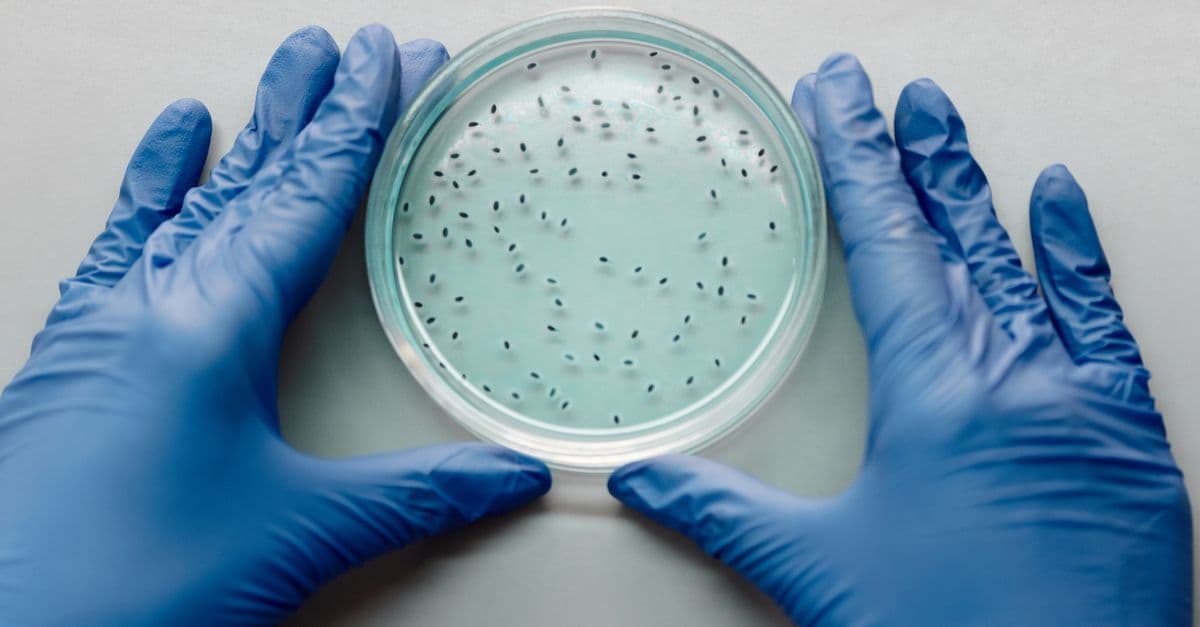
Photo: Monstera Production / Pexels
Rubella is a case study in how little a virus's symptoms say about its danger. In a child it usually means a faint pink rash, a low fever, and swollen glands behind the ears, and up to half of infections pass with no rash at all. In a woman in early pregnancy, the same virus can cross the placenta and leave the baby deaf, blind, or with heart defects. That second outcome, congenital rubella syndrome (CRS), is why the world built a vaccine against a "mild" disease.
Educational content, not medical advice. Talk to your doctor before changing any medication, treatment, or routine. Information here reflects current research but every person's situation differs.
What is the rubella virus?
Rubella virus belongs to the genus Rubivirus, the only genus in the family Matonaviridae. Older textbooks group it with the togaviruses, and the "togavirus" label still turns up in the literature, but the International Committee on Taxonomy of Viruses now places it in its own family. Despite the nickname "German measles," rubella is not related to measles, which is caused by a paramyxovirus. The two diseases were lumped together because both produce a rash, which is a bit like calling a bat and a whale relatives because both are mammals that breathe air.
The virus particle is small and irregular. According to the ICTV profile of the family, rubella virions are enveloped, pleomorphic (they range from spherical to tube-like), and measure about 50 to 90 nanometers across. The genome is a single strand of positive-sense RNA, 9,761 nucleotides long. "Positive-sense" means the RNA can be read directly by a host cell's ribosomes, like a recipe that is already in the language the kitchen speaks. For a fuller picture of that process, see our explainer on how viruses work from infection to replication.
The three structural proteins that matter
Rubella builds its particle from just three structural proteins. The capsid protein, about 300 amino acids long, wraps the genome. Two envelope glycoproteins, E1 and E2, stud the surface in paired units. E1 (481 amino acids) is a class II fusion protein and the main antigen, meaning it is the part the immune system learns to recognize. E2 (282 amino acids) helps the virus attach to cells.
The genome also encodes a nonstructural polyprotein that is cut into two enzymes, p150 and p90, which copy the RNA. Replication happens in the cytoplasm inside membrane-associated complexes, and new particles bud from the Golgi apparatus and the cell surface. One review of how rubella enters cells reports that E1 can bind a protein called myelin oligodendrocyte glycoprotein (MOG), but also notes MOG is probably not the receptor for ordinary respiratory infection, since it is not found on lymphocytes, respiratory tissue, or skin. The full receptor story is still open.
One antigenic type, and a zoonotic family tree
Rubella has a single antigenic type, so immunity from the vaccine or from natural infection recognizes every strain in circulation. Compare that with dengue, where four serotypes create the risk of a second infection behaving differently from the first. The family tree is also not purely human. The same genus contains ruhugu virus, found in bats, and rustrela virus, found in wild rodents and other mammals. Where those cousins came from, and what that says about rubella's own origins, is a live question in virology; our piece on how viruses jump from animals to humans covers the general pattern.
How rubella spreads and who gets sick
Rubella passes from person to person through respiratory secretions. The CDC's clinical guidance says people are contagious from 7 days before the rash appears to 7 days after, which means a person can be spreading the virus before anyone knows they are ill. After exposure, symptoms typically take two to three weeks to appear. The CDC gives the incubation range as 12 to 23 days.
The WHO adds a detail that matters for public health: infants born with CRS can shed the virus for a year or more. A baby with CRS can therefore remain a source of infection for the people around them, including any pregnant relatives or health workers who are not immune.
What rubella looks like in children and adults
Rubella is usually mild. The typical course:
- Exposure and silent spread. The virus replicates in the body for roughly five to seven days before symptoms, according to the WHO.
- Swollen glands. Lymph nodes behind the ears and at the back of the head and neck swell, sometimes before the rash, and stay enlarged for 5 to 8 days. The WHO calls swollen glands the most characteristic feature.
- Rash. A fine pink rash starts on the face, spreads to the body within about 24 hours, and lasts a median of three days. It occurs in 50% to 80% of infections.
- Low fever. Temperature typically stays below 39 degrees Celsius (102.2 degrees Fahrenheit), with mild conjunctivitis and malaise.
Between 25% and 50% of infections are asymptomatic, per the CDC. That fact shapes the whole disease. A pregnant woman can be infected, and infect her baby, without ever having had a rash to alert her.
Joint pain in adults
Adults, especially women, can develop joint pain and arthritis. The CDC reports arthralgia or arthritis in up to 70% of adult women with rubella, typically in the fingers, wrists, and knees. The WHO describes the joint problems as lasting three to ten days, while the CDC's Pink Book notes symptoms can last up to about a month in some adult women. The wide window reflects real variation between people.
Rare complications
Serious complications outside pregnancy are uncommon. The Pink Book gives encephalitis (brain inflammation) at about 1 in 6,000 cases and hemorrhagic manifestations, such as low platelet counts causing bleeding, at about 1 in 3,000. Rubella can cause death, but it is rare.
Why diagnosis needs a laboratory test
A pink rash with swollen glands could be many things: parvovirus, measles, a drug reaction, or another viral illness. The CDC states plainly that clinical diagnosis is unreliable and "should not be considered in assessing immune status." Confirmation relies on three tools.
- PCR detects viral RNA in nasopharyngeal swabs, throat swabs, or urine. The virus can be detected for up to 10 days after the rash, most reliably in the first three days.
- IgM antibodies indicate recent infection. They are best measured at least five days after symptoms begin, so a negative result drawn earlier needs a repeat sample.
- Paired IgG tests look for a significant rise in IgG between early and convalescent blood samples.
For a suspected CRS case, the CDC advises collecting nasopharyngeal swabs or urine as close to birth as possible. The practical upshot is that immunity is established by a lab result or documented vaccination, never by recalling a childhood rash.
Congenital rubella syndrome: the part that matters
The danger of rubella lies in who gets infected, not in the infection itself. When a woman is infected while pregnant, the virus can infect the placenta and then the fetus. Infection in pregnancy can lead to miscarriage, fetal death, stillbirth, or CRS, and the WHO reports that infection early in pregnancy carries a 90% chance of transmission to the fetus.
Timing is everything. A classic prospective study by Miller, Cradock-Watson, and Pollock, published in The Lancet in 1982 and following more than a thousand women with confirmed rubella, found that congenital infection after maternal rubella with a rash exceeded 80% in the first 12 weeks and fell to about 25% by the end of the second trimester, rising again near term. These are rates of fetal infection, not rates of birth defects, and the CDC notes that the risk of damage is highest when infection occurs in the first 12 weeks.
The logic is the logic of construction. In early pregnancy the body's major structures are being laid down, so a disturbance at that moment is like a flaw in a building's foundation: it is built into everything that goes up afterward. The detailed molecular mechanism by which the virus disturbs development is not settled, but the clinical pattern is consistent across decades of surveillance.
What CRS does to a child
CRS describes a group of problems that often includes the "classic triad" of hearing loss, eye problems, and heart defects. The CDC lists deafness, eye abnormalities (cataracts, glaucoma, retinopathy, and abnormally small eyes), and congenital heart disease as the main features, plus miscarriage and stillbirth in the most severe cases. The WHO adds developmental delay.
| Organ system | Typical findings | Notes |
|---|---|---|
| Ears | Sensorineural hearing loss | Can be present at birth or develop afterward, so monitoring continues |
| Eyes | Cataracts, glaucoma, pigmentary retinopathy, small eyes | Cataracts were the first sign Gregg noticed in 1941 |
| Heart | Patent ductus arteriosus, pulmonary artery lesions, valve disease | Patent ductus arteriosus is the most frequently reported lesion |
| Brain and development | Developmental delay | Severity varies widely |
The table is deliberately qualitative. Published percentages for individual defects vary by population, era, and how aggressively cases were sought, so this article does not quote a single set of rates.
Rubella does not stop at birth
A long-running Australian cohort shows how CRS plays out over a lifetime. Researchers followed 50 people born in Australia between 1939 and 1944, all connected to Norman Gregg's original observations, and reviewed them in 1967, 1991, and 2000-2001. In the 2000-2001 review, reported in the Medical Journal of Australia, 32 people were assessed, and the findings were stark.
| Finding at about age 60 | Rate in the CRS cohort | Comparison |
|---|---|---|
| Deafness | 31 of 32 assessed | |
| Mild aortic valve sclerosis | 68% | 29% expected at that age |
| Type 2 diabetes | 22% | 13.1% expected in Australia |
| Thyroid disorders | 19% | |
| Undetectable rubella antibodies | 41% |
Ten of the 50 had died by then, mainly from cardiovascular disease and cancer. The cohort is small and its members were infected in an epidemic era without a vaccine, so the numbers describe what is possible rather than what happens to every person with CRS. They do show that the damage reaches beyond the early childhood problems usually listed.
How common is CRS worldwide?
Before the vaccine, up to 4 in every 1,000 live births had CRS, per the WHO. The most cited global estimate comes from a 2016 PLoS ONE modeling study by Vynnycky and colleagues, which put the number of CRS births at 105,000 in 2010 (95% confidence interval 54,000 to 158,000), down from 119,000 in 1996. The highest numbers were predicted for Africa (39,000) and South-East Asia (49,000). The WHO still uses "about 100,000 infants each year" as its working figure.
A pattern follows from the biology. CRS clusters wherever women of childbearing age lack immunity. That is why the WHO reports that CRS rates remain highest in the African and South-East Asian regions, where vaccine coverage is lowest.
How medicine connected a rash to birth defects
The history of rubella is the history of connecting a mild illness to a catastrophic outcome, and then acting on it. The CDC's Pink Book dates the first description of rubella as a distinct disease to German medical literature in 1814, which is where the "German measles" name came from.
Gregg's observation in 1941
In 1941, Sydney ophthalmologist Norman McAlister Gregg noticed an unusual number of infants with congenital cataracts. He identified 78 affected infants, and 68 of their mothers had reported rubella early in pregnancy or just before they knew they were pregnant. By his report that October, 15 of the infants had died, and many had heart conditions, according to the Medical Journal of Australia. Gregg proposed rubella as the cause roughly 20 years before the virus itself was isolated. His paper, "Congenital cataract following German measles in the mother," appeared in the Transactions of the Ophthalmological Society of Australia.
The achievement was partly one of method. Gregg did not have a test or a model. He had a clinic full of babies, a hunch about their mothers, and the willingness to ask a question about a "harmless" disease.
The 1962-1965 epidemic
The scale of the problem became unmistakable during the epidemic of 1962 to 1965. A CDC MMWR report summarizes the United States toll: about 12.5 million rubella cases, roughly 2,000 cases of encephalitis, 11,250 fetal deaths, 2,100 neonatal deaths, and 20,000 infants born with CRS. The economic cost was estimated at $1.5 billion. Many commonly repeated versions of these numbers drop the 11,250 figure for fetal deaths to a rounded 11,000, but the MMWR is the primary source.
Timeline
| Year | Event | Source |
|---|---|---|
| 1814 | Rubella first described as a distinct disease in German literature | CDC Pink Book |
| 1941 | Gregg links congenital cataracts to maternal rubella | Medical Journal of Australia |
| 1962 | Rubella virus isolated | CDC Pink Book |
| 1962-1965 | US epidemic: 12.5 million cases, 20,000 CRS births | CDC MMWR |
| 1969 | First rubella vaccines licensed | CDC Pink Book |
| 1971 | MMR vaccine licensed in the United States | CDC Pink Book |
| 1979 | RA 27/3 strain licensed, replacing earlier vaccines | CDC Pink Book and MMWR |
| 2004 | Endemic rubella declared eliminated in the United States | CDC Pink Book and MMWR |
| 2015 | Americas declared first region free of endemic rubella | PAHO |
The rubella vaccine and why it works so well
The rubella component of the MMR vaccine is a live, attenuated (weakened) virus. The current strain, RA 27/3, was licensed in the United States in 1979 and replaced the earlier vaccines. How a weakened virus teaches the immune system is covered in how vaccines work, and the memory-cell side of the story in how vaccines train memory B cells.
Effectiveness is high. The CDC states that at least 95% of people vaccinated at 12 months or older develop immunity after one dose, and more than 90% remain protected against clinical rubella for at least 15 years. One dose likely provides lifelong protection, the agency notes, although antibody titers wane over time without evident loss of protection. The WHO describes the immunity from a single dose as more than 95% and long-lasting, similar to natural infection. Rubella vaccine comes alone or combined with measles (MR), measles and mumps (MMR), or measles, mumps, and varicella (MMRV).
Vaccination and pregnancy
Because it is a live vaccine, pregnancy is a contraindication to MMR, and the CDC advises avoiding pregnancy for four weeks after vaccination. Women who are not immune should be vaccinated before they become pregnant, not during it. The evidence on accidental vaccination is reassuring. Among 321 susceptible women who were vaccinated while pregnant, no child had CRS. In six Latin American studies covering 1,980 susceptible pregnant women who were vaccinated, 70 infants (3.6%) had congenital rubella infection, but none had CRS-associated defects, according to the Pink Book. For that reason, the CDC says termination is not recommended after inadvertent vaccination, and counseling is advised.
Close contact with a pregnant woman is not a reason for a vaccinated family member to skip vaccination.
Side effects
Side effects are generally mild: injection-site pain or redness, low-grade fever, a rash, and muscle aches, per the WHO. The CDC notes joint symptoms can occur in up to 25% of adult women after vaccination, which is the vaccine-side echo of the arthralgia seen in natural infection. Our broader explainer on why some people refuse vaccines looks at how these trade-offs are weighed.
When a vaccination policy leaves a gap: Japan, 2012-2013
Japan's rubella epidemic shows how policy design, not just coverage, decides who is protected. The CDC's MMWR report on the 2013 epidemic documents it.
Japan's program initially targeted girls, and the country added two doses of measles-rubella vaccine for both sexes in 2006. Adult men born before that were not covered. In 2012 the country reported 2,392 cases, up from 378 in 2011, and from January 1 to May 1, 2013, 5,442 more. Males were 77.4% of cases, and 92% of those males were over age 20. Among cases with a known vaccination status, 82% had never received rubella vaccine.
The consequences reached infants. Ten CRS cases were reported between October 2012 and May 1, 2013, in seven prefectures. Six of the mothers were unvaccinated and four had unknown histories. Japan responded with guidance to pregnant women and households, and approximately 100 cities partly funded vaccine for women planning pregnancy and men living with pregnant women. The lesson is not that a girls-only program was foolish when it began. It is that a group left out will eventually matter, because the virus finds it. The men in Japan were not the ones at risk of CRS, but their wives and partners were.
Elimination: what has been achieved and what hasn't
The United States declared endemic rubella eliminated in 2004, after an independent CDC-convened panel concluded unanimously that it was no longer endemic. Annual US cases had fallen to 23 in 2001, 18 in 2002, 7 in 2003, and 9 in 2004.
The Americas followed. On April 29, 2015, an international expert committee announced that the Americas was the first region in the world free of endemic rubella and CRS, as reported by the Pan American Health Organization. Rubella and CRS became the third and fourth vaccine-preventable diseases eliminated from the region, after smallpox in 1971 and polio in 1994. The last endemic cases were reported in 2009, and the committee found no endemic transmission for five consecutive years, exceeding the three-year requirement. From 1998 to 2008, about 250 million adolescents and adults in 32 countries and territories were vaccinated against rubella in mass campaigns. Before mass vaccination, an estimated 16,000 to more than 20,000 children were born with CRS each year in Latin America and the Caribbean. For polio's parallel story, see our article on poliovirus.
The global picture
The WHO's rubella fact sheet, last updated July 15, 2026, gives the current numbers.
| Indicator | Value |
|---|---|
| Reported cases, 2000 | 670,894 in 102 countries |
| Reported cases, 2022 | 17,865 in 78 countries (a 97% fall) |
| Countries using rubella vaccine, January 2025 | 179 of 194 |
| Estimated global vaccine coverage | 73% |
| Infants born with CRS each year (WHO estimate) | about 100,000 |
| WHO regions with an elimination goal | all six |
Elimination goals now exist in all six WHO regions, and the gap between the 179 countries using the vaccine and the 73% global coverage figure is where CRS continues.
Rubella compared with measles and Zika
Three viruses are often grouped together in discussions of fever, rash, and pregnancy. They are quite different.
| Feature | Rubella | Measles | Zika |
|---|---|---|---|
| Virus family | Matonaviridae | Paramyxoviridae | Flaviviridae |
| Main route | Respiratory secretions | Respiratory | Aedes mosquito bite (and other routes) |
| Main risk in pregnancy | CRS: deafness, cataracts, heart defects | Covered in our measles article | Congenital Zika syndrome, including microcephaly |
| Vaccine | Yes (MR, MMR, MMRV) | Yes (MR, MMR, MMRV) | None licensed |
| Antigenic types | One | One | Not applicable here |
Both rubella and Zika can infect the developing brain through the placenta, which is why they share outcomes such as hearing loss and neurodevelopmental problems. Our articles on measles virus and Zika virus cover the other two in detail. Congenital cytomegalovirus is a third example of an infection with a quiet mother and a damaged infant, covered in cytomegalovirus: a deep dive.
Treatment and what to do about exposure
There is no antiviral drug specific to rubella, and care is supportive: fever control and pain relief for joint symptoms. The most practical medicine is prevention, which is why the WHO and CDC focus on vaccination and on confirming immunity before pregnancy. Anyone who thinks they have been exposed during pregnancy, or who develops a rash, should contact a doctor promptly, because the diagnosis depends on laboratory tests and the timing of the exposure matters for the discussion that follows. This article does not give individual medical guidance.
For infants with suspected CRS, clinicians collect swabs or urine and arrange multidisciplinary follow-up, since hearing, vision, heart, and development all need monitoring. Infants with CRS may shed virus for a year or more, so infection-control precautions continue after discharge.
What people get wrong about rubella
"It's just a mild childhood rash." For the child, usually yes. The disease was never about the child. It was about the woman in the next room who happened to be pregnant. Mild illness and severe congenital disease are two outcomes of the same infection.
"Rubella is the same as measles." They are caused by unrelated viruses. Measles is generally the more severe illness in the infected person, while rubella's special danger is congenital.
"If I had a rash as a child, I'm immune." Clinical diagnosis is unreliable because many rash illnesses look alike, and up to half of rubella infections are asymptomatic. Immunity is established by a lab test or by documented vaccination.
"Elimination means it is gone." Elimination means no endemic transmission in a region. Imported cases still occur, which is why the Americas keep vaccinating. The WHO reports global vaccine coverage of 73%, and CRS continues in regions where women lack immunity.
"Vaccinating only girls is enough." Japan's 2012-2013 epidemic, which began in unvaccinated adult men and produced babies with CRS, is the standard counterexample.
"The vaccine is unsafe in a household with a pregnant woman." The CDC states close contact with a pregnant woman is not a contraindication for the vaccinated contact.
Frequently asked questions
Q: Is rubella the same as measles? A: No. Rubella is caused by rubella virus, a member of the genus Rubivirus, while measles is caused by a paramyxovirus. They share a rash and the nickname "German measles," but they are unrelated virologically, and the CDC lists them as separate diseases with separate vaccine components in MMR.
Q: How dangerous is rubella during pregnancy? A: Infection early in pregnancy is the dangerous window. The WHO reports a 90% chance of transmission to the fetus with early infection, and infection can cause miscarriage, stillbirth, or CRS. The CDC says the risk is highest in the first 12 weeks. A 1982 study found fetal infection above 80% in that window, falling to about 25% by the end of the second trimester.
Q: What is congenital rubella syndrome? A: CRS is the pattern of birth defects caused by rubella infection of the fetus. It often includes hearing loss, eye problems such as cataracts, congenital heart disease, and developmental delay. The WHO estimates about 100,000 infants are born with CRS each year, mostly in regions where vaccination coverage is low.
Q: Does the MMR vaccine protect against rubella? A: Yes. The CDC reports that at least 95% of people vaccinated at 12 months or older develop immunity after one dose, and more than 90% remain protected against clinical rubella for at least 15 years. The rubella component uses the live attenuated RA 27/3 strain, licensed in the United States in 1979.
Q: Why do adult women with rubella get joint pain? A: The CDC reports joint pain or arthritis in up to 70% of adult women with rubella, usually in the fingers, wrists, and knees. The WHO describes symptoms lasting three to ten days, while the CDC notes some women have symptoms for up to a month. This article does not claim a settled mechanism.
Q: Was rubella really eliminated in the Americas? A: Yes, in the specific sense of no endemic transmission. On April 29, 2015, an international expert committee announced that the Americas was the first region free of endemic rubella and CRS. The last endemic cases were reported in 2009, and imported cases still occur because the virus circulates elsewhere.
Q: Can I get the rubella vaccine if I might be pregnant? A: No. Pregnancy is a contraindication to MMR, and the CDC advises avoiding pregnancy for four weeks after vaccination. Evidence from women who were accidentally vaccinated is reassuring, but vaccination is meant to happen before pregnancy. A doctor can check immunity with a blood test.
The takeaway
Rubella shows that the severity of a disease is a property of the host as much as of the virus. The same infection that gives a child a three-day rash can give a fetus lifelong deafness, cataracts, and heart defects, and its silent course, with up to half of infections going unnoticed, made it hard to catch. It took a clinician in Sydney in 1941 to spot the connection, an epidemic in the 1960s to force action, and a single-antigen vaccine to make elimination plausible. The achievement in the Americas shows what coverage can do. The gap in the global picture, with about 100,000 CRS births a year and 73% coverage, shows what it costs when coverage falls short.
Sources
- World Health Organization. Rubella fact sheet, updated July 15, 2026.
- Centers for Disease Control and Prevention. Rubella clinical overview and Pink Book, Chapter 20: Rubella.
- Centers for Disease Control and Prevention. Elimination of rubella and congenital rubella syndrome, United States, 1969-2004. MMWR, 2005.
- Centers for Disease Control and Prevention. Nationwide rubella epidemic, Japan, 2013. MMWR, 2013.
- Pan American Health Organization. Americas region is declared the world's first to eliminate rubella, April 29, 2015.
- International Committee on Taxonomy of Viruses. Family: Matonaviridae.
- Medical Journal of Australia. Gregg's congenital rubella patients 60 years later, 2002.
- Gregg NM. Congenital cataract following German measles in the mother. Trans Ophthalmol Soc Aust. 1941;3:35-46.
- Miller E, Cradock-Watson JE, Pollock TM. Consequences of confirmed maternal rubella at successive stages of pregnancy. Lancet. 1982;2(8302):781-784.
- Vynnycky E, et al. Using seroprevalence and immunisation coverage data to estimate the global burden of congenital rubella syndrome, 1996-2010: a systematic review. PLoS ONE. 2016;11.
Read next:
Follow new articles
Add SciHub101 to your feed reader to see new science and technology stories.
About the Author
SciHub101 is an independent science and technology publication founded and edited by Buğra Sözeri, a software engineer and app developer based in Türkiye. AI tools assist with drafting and research. Source documentation in the existing archive is uneven, and articles are being reviewed and corrected. The Editorial Team byline identifies editorial responsibility; it does not certify specialist or independent human review. Where we compare products, anything built by our own team is labelled as such — see the editorial guidelines and About page for how corrections and disclosures work.
Related Articles
Mumps Virus Explained: Parotitis to Outbreaks
Mumps spreads by saliva, swells the parotid glands, and can cause orchitis and meningitis. See why vaccinated campuses still see outbreaks and what a third dose does.
Crimean-Congo Hemorrhagic Fever Explained
Crimean-Congo hemorrhagic fever is a tick-borne virus with a 10 to 40 percent reported fatality. How it spreads, how it progresses, and what treats it.
Shingles & Varicella-Zoster Virus: Deep Dive
How varicella-zoster virus causes chickenpox, hides in nerve ganglia for decades, and returns as shingles, plus what Shingrix trials showed about prevention.
Cytomegalovirus (CMV): A Complete Deep Dive
CMV infects 60–80% of adults yet causes devastating harm in newborns and immunocompromised patients. Here's everything you need to know.
Poliovirus: How It Works and Why It Paralyzes
How poliovirus infects the gut, destroys spinal motor neurons, and why wild type 1 and vaccine-derived strains persist, with 2026 case data from GPEI.
Smallpox: The Variola Virus Explained
Smallpox and the variola virus explained: how it spread, why it killed up to 30% of cases, how eradication worked by 1980, and where the stocks remain.