Shingles & Varicella-Zoster Virus: Deep Dive
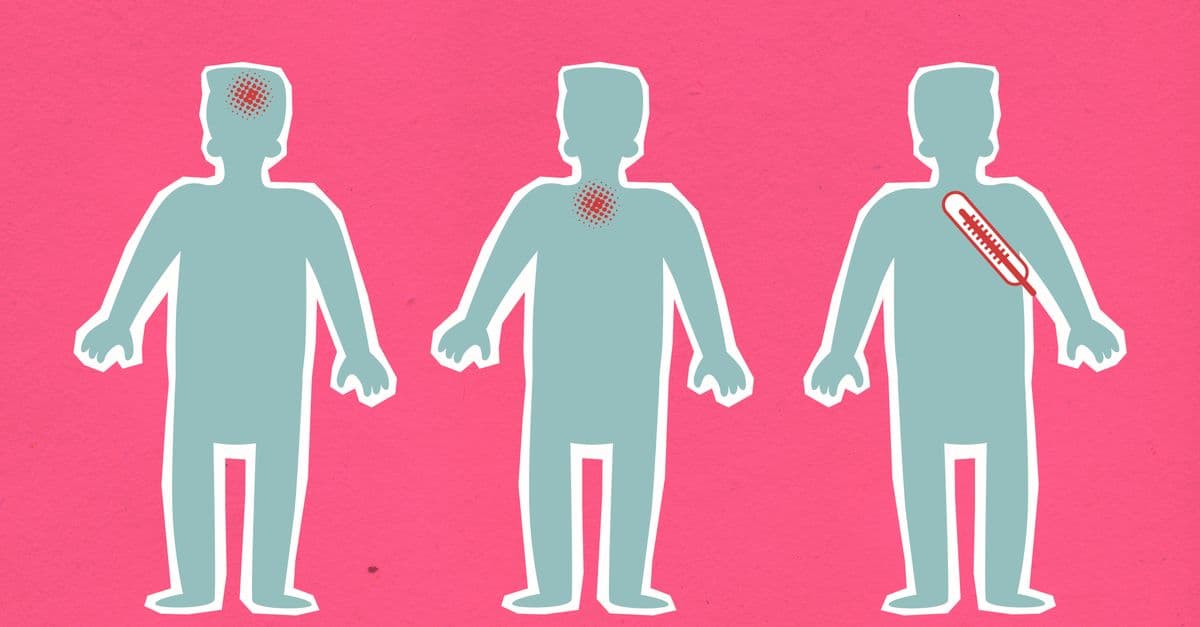
Photo: Monstera Production / Pexels
Varicella-zoster virus (VZV), formally human herpesvirus 3, infects nearly everyone who encounters it, usually as a child with a case of chickenpox. The immune system clears the rash, but not the virus. VZV retreats into nerve cells, where it can sit silently for decades and then return as shingles, a one-sided, blistering, often painful rash. The CDC estimates that about one in three people in the United States will develop shingles in their lifetime. This article follows the virus through both lives and explains what the vaccines changed.
Educational content, not medical advice. Talk to your doctor before changing any medication, treatment, or routine. Information here reflects current research but every person's situation differs.
For an overview of the wider family, see Herpes Viruses Explained. For the general mechanics of how a virus enters and commandeers a cell, see How Viruses Work: From Infection to Replication. The cytomegalovirus, another herpesvirus that persists for life, is covered in Cytomegalovirus (CMV) Explained.
What kind of virus is VZV?
VZV belongs to the Alphaherpesvirinae, a subfamily of herpesviruses defined by two habits: they infect sensory neurons, and they establish lifelong latency (a dormant state in which the virus is present but not producing new particles) in nerve clusters called ganglia. Herpes simplex virus follows the same general blueprint. VZV differs in how easily it spreads and in how much of the body it touches during the first infection, which involves the respiratory tract, the blood, and the skin.
Structurally, VZV is a large virus. It carries a double-stranded DNA genome of roughly 125,000 base pairs inside an icosahedral protein shell (a 20-sided capsid), wrapped in a layer of viral proteins called the tegument and an outer lipid envelope borrowed from the host cell. Glycoproteins studding that envelope, including gE, gB, gH, and gL, help the virus fuse with cells and are the main targets of neutralizing antibodies. One of them, gE, became the basis of the best current shingles vaccine, a point that matters later.
Think of the virus as a houseguest with two phases. In the first, it is loud and visible, overturning furniture and setting off alarms (chickenpox). In the second, it moves into the attic and goes quiet, and only a lapse in the household's security (a weakened immune system) lets it come downstairs again.
How chickenpox spreads
Chickenpox, the primary VZV infection, is among the more contagious illnesses in ordinary life. The CDC's Pink Book, the agency's reference text on vaccine-preventable disease, puts the secondary attack rate among susceptible household contacts at 61% to 100%. In plain terms, if one child at home has it and another has never been infected or vaccinated, the odds that the second child catches it are very high.
The virus travels two ways. Respiratory droplets and aerosols carry it from the airways of an infected person. Direct contact with fluid from skin blisters carries it as well. Crucially, a person is contagious from one to two days before the rash appears until every lesion has crusted over. That window is why a single child with a mild cough and a few spots can quietly expose a classroom before anyone suspects chickenpox.
The same CDC chapter notes that zoster (shingles) is roughly one-fifth as infectious as chickenpox. That gap explains an important asymmetry. A person with shingles cannot give another person shingles. What they can do, through contact with fluid from open blisters, is give chickenpox to someone who has never had it or been vaccinated. That newly infected person may much later develop shingles, which is how the chain continues. The CDC adds that someone with shingles cannot spread the virus before the blisters appear or after the rash scabs over.
What chickenpox does inside the body
After exposure, VZV multiplies first in the upper respiratory tract and nearby lymphoid tissue. It then spreads through the bloodstream, carried inside infected white blood cells, to the skin and internal organs. According to the CDC, the incubation period is 14 to 16 days after exposure, with a range of 10 to 21 days.
The rash that follows is distinctive. Lesions begin on the face and trunk and move outward. Each one progresses from a flat red spot to a raised bump, then a fluid-filled blister, then a crust. Because new crops keep appearing over several days, a person with chickenpox typically has lesions in several stages at once. That mixed-stage pattern helps clinicians tell it apart from other blistering illnesses. The rash is intensely itchy, and scratching can introduce bacteria. The CDC identifies bacterial skin infections as the most common reason for hospitalization or outpatient visits related to the disease.
Why age changes the stakes
In healthy children chickenpox is usually self-limiting. In adults it is more dangerous. The CDC Pink Book lists the following pre-vaccine-era figures:
| Measure (pre-vaccine era, US) | Healthy children | Adults |
|---|---|---|
| Hospitalizations per 1,000 cases | 1 to 2 | 14 |
| Deaths per 100,000 cases | About 1 (ages 1 to 14) | 21 |
Pneumonia is the most common serious complication in adults. Encephalitis (inflammation of the brain) occurs in about 1 in 50,000 unvaccinated children with chickenpox, and cerebellar ataxia, a temporary loss of coordination, in about 1 in 4,000. People with weakened immune systems can develop disseminated disease, in which the virus spreads widely through organs. Infection in the first 20 weeks of pregnancy can lead to congenital varicella syndrome. The CDC puts the risk of congenital abnormalities at under 2%, with possible effects including limb underdevelopment, skin scarring, and eye and brain damage.
What the vaccine did to chickenpox
The United States began its national varicella vaccination program in 1995. The CDC reports that hospitalizations and deaths from chickenpox have fallen by 93% and 94%, respectively, since then. A second dose, added to the schedule in 2007, pushed incidence down further: in 40 states with consistent reporting, cases fell 85% between 2005-2006 and 2013-2014, with declines of 85% to 89% among children aged 5 to 14. The Pink Book estimates vaccine effectiveness against any clinical varicella at about 82% after one dose and 92% after two.
Latency: how a virus hides in a nerve
Here is the odd part. Once the immune system wins the fight against chickenpox, VZV is not gone. Virus travels backward along sensory nerve fibers, a route called retrograde transport, to the cell bodies of neurons in the dorsal root ganglia (clusters of nerve-cell bodies lying alongside the spinal cord) and in the cranial nerve ganglia in the head. There it enters latency. The CDC notes that VZV persists in sensory nerve ganglia after primary infection, and reactivation of that dormant virus causes herpes zoster.
During latency, the virus switches off almost all of its genes and stops making new virus particles. This is closer to a pilot light than to a burning stove: the flame exists, it uses almost no fuel, and a draft can turn it into a fire. Because mature sensory neurons are not replaced the way skin or gut cells are, a neuron that harbors the virus is a permanent shelter. The infection can occur in any ganglion along the body, which is why shingles can appear on any stretch of skin. Two cranial ganglia are especially important clinically: the trigeminal ganglion, which serves the face and eye, and the geniculate ganglion of the facial nerve, which serves the ear region.
The scale of the reservoir is large. The CDC reports that about 99.5% of people born in the US before 1980 have had wild-type VZV, and that more than 99% of adults aged 50 and older worldwide have been exposed to it. In other words, almost every older adult carries a dormant copy.
What wakes the virus up
The immune system keeps latent VZV in check through cell-mediated immunity, the arm of immune defense run by T cells. VZV-specific T cells appear to patrol and suppress reactivation, and when that surveillance weakens, the virus can restart. For a deeper look at how these cells recognize viral fragments, see T-Cell Receptor Structure and How the Immune System Recognizes Threats.
The CDC lists the main risk factors, and the logic connecting them is a drop in T-cell control:
| Risk factor | Why it matters |
|---|---|
| Older age | Immune function declines with age (immunosenescence); risk rises sharply after 50 |
| Certain cancers, including leukemia and lymphoma | The disease and its treatments blunt immune defenses |
| HIV infection | Loss of CD4+ T cells undercuts virus-specific immunity |
| Immune-suppressing drugs, such as steroids or transplant medications | Deliberately dampen T-cell activity |
Many people ask whether stress causes shingles. Stress hormones such as cortisol do alter immune function (see Cortisol and the Stress Response), and the idea is biologically plausible. But the CDC does not list stress among its established risk factors, so it is best treated as a hypothesis rather than a proven trigger.
The age effect is steep. The CDC's 2018 vaccine recommendations report put incidence at about 5 cases per 1,000 people per year among those aged 50 to 59, rising to 11 per 1,000 among those 80 and older. Across all ages, the CDC estimates about one million cases annually in the United States.
What shingles looks like
Shingles often announces itself before the rash. The CDC notes that pain, itching, or tingling can appear in the area where the rash will develop. This warning phase can mislead, because chest-wall pain can resemble heart or lung trouble and abdominal pain can mimic other conditions. Diagnosis in this stage is difficult without a rash.
Then the rash arrives. The CDC describes it as typically appearing in one or two adjacent dermatomes (a dermatome is the strip of skin supplied by a single spinal nerve), most often on the trunk or the face, and usually not crossing the body's midline. That one-sided band is the visual signature. It occurs because the virus is reactivating in a single ganglion and traveling out along that one nerve to the skin it serves. The rash usually heals in about two to four weeks.
Once the rash is present, diagnosis is usually clinical, based on how it looks. When there is doubt, polymerase chain reaction (PCR) testing, which detects viral DNA, is the most helpful laboratory confirmation. In people with severely weakened immunity the rash can spread beyond a single dermatome, and the disease can involve internal organs.
Shingles in the eye
When VZV reactivates in the trigeminal ganglion and follows the nerve branch to the eye, the condition is called herpes zoster ophthalmicus. The cornea, the colored iris, the retina, and the optic nerve can all be involved. The CDC warns that early treatment helps prevent progressive corneal involvement and potential vision loss. Ophthalmologists use a classic sign: blisters on the tip or side of the nose, called Hutchinson's sign, suggest involvement of the nerve branch that also supplies the eye, and they prompt urgent eye evaluation. Because eye involvement can threaten sight, a shingles rash on the forehead, around the eye, or on the nose is generally treated as an emergency.
Shingles near the ear
When reactivation occurs in the geniculate ganglion, the result can be Ramsay Hunt syndrome: severe ear pain, weakness or paralysis of the facial muscles on the same side, and blisters on or in the ear. Hearing loss, ringing, and vertigo can follow if neighboring nerves are involved. Prompt treatment is considered important for recovery of the facial nerve, which is why unexplained one-sided facial weakness with ear pain deserves same-day medical attention.
Postherpetic neuralgia: pain that outlasts the rash
The most common serious complication of shingles is postherpetic neuralgia (PHN), nerve pain that persists after the rash has healed. Definitions vary slightly, but the working one is pain in the same area lasting beyond about three months. The CDC's 2018 report states that PHN occurs in 10% to 13% of shingles cases in people over 50, and that the risk rises with age.
Why the pain continues
PHN is a neuropathic pain syndrome, meaning the problem lies in the nervous system's wiring rather than in ongoing tissue injury. During reactivation the virus inflames and damages the ganglion and the nerve. Afterward, the injured nerve can fire spontaneously, and the spinal cord and brain can turn up the gain on pain signals. The result can be burning or stabbing pain, or allodynia, in which a light touch from a shirt or a breeze hurts. This is a broad analogy, not a precise map: think of a speaker with a damaged wire that crackles even when no music is playing.
How it is treated
PHN is hard to treat, and decisions belong with a clinician. The medicine classes commonly used include:
| Approach | General idea |
|---|---|
| Gabapentinoids (gabapentin, pregabalin) | Calm overactive nerve signaling |
| Tricyclic antidepressants | Alter pain-signal chemistry in the nervous system |
| Lidocaine patches | Numb the painful patch of skin locally |
| High-concentration capsaicin patch | Applied in a clinic; works on pain-sensing nerve endings |
| Opioids | Reserved for selected cases because of risks |
Because treatment is imperfect, prevention matters more than cure, which leads to the antiviral window and then the vaccines.
Antivirals and the 72-hour window
Three antiviral drugs, acyclovir, valacyclovir, and famciclovir, are the standard treatment. The CDC's clinical overview says they speed the resolution of lesions, reduce new lesions and viral shedding, and lessen the severity of acute pain. It also says treatment is most effective within 72 hours of symptom onset.
That timing reflects how these drugs work. They interfere with viral DNA replication, so they are most useful while the virus is actively copying itself. The CDC page does not give dosing, and this article does not either; the choice and dose depend on kidney function, age, and other medications. The practical point is only that people who suspect shingles, particularly with a rash near the eye or ear, should seek care quickly rather than wait to see whether it passes.
Vaccines: from Zostavax to Shingrix
Two shingles vaccines have been used in the United States. The older one is gone, and the newer one performs far better.
Zostavax, the live vaccine
Zostavax was a live, weakened version of the virus. The CDC's 2018 report summarizes its trial results: efficacy against shingles of 70% in people aged 50 to 59, 64% in those aged 60 to 69, and 38% in those aged 70 and older. Efficacy against PHN was about 66% in the two older groups. The protection faded, and by six years effectiveness fell below 35%. As a live-virus vaccine it also could not be given to many immunocompromised people, the group at highest risk. The CDC states that Zostavax has not been available in the US since November 18, 2020.
Shingrix, the recombinant vaccine
Shingrix contains only one viral protein, glycoprotein E, combined with an immune-boosting ingredient called an adjuvant (AS01B). There is no live virus in it, so it cannot cause shingles. For background on how vaccines of this kind teach the immune system, see How Vaccines Work and How Vaccines Train Memory B Cells.
The pivotal phase III program ran two large trials, ZOE-50 and ZOE-70, that together randomized more than 30,000 adults to vaccine or placebo. The CDC's summary of the results:
| Group (trial) | Efficacy against shingles | Median follow-up |
|---|---|---|
| Ages 50 to 59 (ZOE-50) | 96.6% | 3.2 years |
| Ages 60 to 69 (ZOE-50) | 97.4% | 3.2 years |
| Ages 70 and older (pooled) | 91.3% | 3.7 years |
Against PHN, efficacy was 91.2% in adults 50 and older and 88.8% in those 70 and older. The CDC's current vaccine page rounds these to 97% for ages 50 to 69 and 91% for 70 and older, and says protection in healthy adults 70 and older remained high for at least seven years. For adults with weakened immune systems, the CDC puts effectiveness at 68% to 91% depending on the condition.
Who should get it, and how
The CDC recommends two doses of Shingrix for adults 50 and older, given 2 to 6 months apart, with no upper age limit. Adults 19 and older with weakened immune systems are also advised to receive two doses, and the second can come 1 to 2 months after the first when a shorter schedule helps. A past episode of shingles, a past dose of Zostavax, or an uncertain chickenpox history does not change the recommendation. The vaccine should not be given during an acute shingles episode, and the CDC suggests waiting at least 8 weeks after a Zostavax dose. Whether you personally should be vaccinated is a conversation for your own clinician.
Side effects
Shingrix is more reactive than many vaccines. The CDC lists sore arm, redness, swelling, tiredness, muscle pain, headache, shivering, fever, and nausea, usually lasting two to three days. In the trial safety subset, 16.5% of vaccine recipients reported a severe (grade 3) reaction in the first week, against 3.1% on placebo, and more of those were systemic than injection-site. The CDC advises completing the series even if the first dose caused symptoms. Guillain-Barre syndrome, a rare nerve disorder, has been reported very rarely after Shingrix.
Does the chickenpox vaccine change the shingles picture?
The varicella vaccine is also a live, weakened virus, and it can establish latency too. But the CDC's Pink Book says zoster after vaccination is about 79% less likely than after natural infection, and that vaccine-associated zoster has mostly been mild and not linked to PHN. This is encouraging, but it is a long-running experiment: the first generation of US children vaccinated in the late 1990s is only now reaching ages when shingles becomes common. Adults who had natural chickenpox, which includes nearly everyone born before 1980, remain the group for whom Shingrix matters.
An emerging question: shingles vaccination and dementia
A 2025 study published in Nature (Eyting and colleagues) used a natural experiment in Wales. Eligibility for the older Zostavax vaccine there depended on the exact date of birth: people born before September 2, 1933, were never eligible, while those born on or after were. Because people born a week apart are otherwise very similar, the cutoff works almost like a randomized trial. According to coverage of the paper, vaccination reduced the probability of a new dementia diagnosis over seven years by 3.5 percentage points, a relative reduction of about 20%, with the effect reported as stronger among women.
Several cautions apply. It is one study, and it used the older live vaccine, not Shingrix. The result supports an association with an unusually strong design rather than proving that shingles vaccination prevents dementia, and the mechanism is unknown. One idea is that reactivation of herpesviruses may contribute to brain inflammation, which is plausible but unproven. For the condition itself, see Alzheimer's Disease: The Biology Behind the Decline.
Chickenpox versus shingles at a glance
| Feature | Chickenpox (primary infection) | Shingles (reactivation) |
|---|---|---|
| Cause | First infection with VZV | Dormant VZV reawakening in a ganglion |
| Typical age | Childhood, in unvaccinated people | Risk rises sharply after 50; immunocompromised people at any age |
| Spread | Highly contagious by air and contact | Chickenpox can be caught from blister fluid; shingles cannot |
| Rash pattern | Widespread, lesions in several stages | One-sided band along one or two dermatomes |
| Main symptom | Itching | Pain, tingling, or burning |
| Duration of rash | Several days of new crops until all lesions crust | About two to four weeks to heal |
| Notable complications | Skin infection, pneumonia, encephalitis | PHN, eye disease, hearing or vision loss |
| Prevention | Varicella vaccine, two doses | Shingrix, two doses |
Common misconceptions
"Shingles is contagious like chickenpox." Only partly. The virus in blister fluid can cause chickenpox in a person who has never had it or been vaccinated. It cannot cause shingles in someone else.
"You can only get shingles if you remember having chickenpox." Not so. The CDC says more than 99% of adults 50 and older worldwide have been exposed, and routine vaccination does not depend on a recalled history.
"The vaccine can give you shingles." Shingrix contains a single viral protein, not whole virus. The flu-like feeling after a dose is the immune system responding to the adjuvant.
"Once you have had shingles, you are protected." Most people have it only once, but the CDC says it can recur, and the precise recurrence rate is not known. Vaccination is still recommended after an episode.
"It's just a rash." The rash is the visible part. The underlying injury is to a nerve, which is why pain can outlast it and why eye and ear involvement need urgent care.
What science still cannot fully explain
Several questions remain open. Researchers do not fully understand what keeps the virus quiet in a given neuron or what flips the switch to reactivation in one person and not another. No test reliably predicts who will reactivate. Why PHN develops in some patients and not others with similar rashes is only partly understood, which is why PHN treatment still relies on drugs borrowed from other pain conditions. Whether herpesvirus reactivation contributes to dementia is under investigation. And the long-term effect of widespread childhood varicella vaccination on adult shingles will become clear only as vaccinated cohorts age.
Frequently Asked Questions
Q: Can you get shingles from someone who has shingles? A: No. Contact with shingles blister fluid can cause chickenpox in a person who has never had chickenpox or the vaccine, and that person might develop shingles years later. Shingles itself comes only from reactivation of virus already dormant in your own nerves, per the CDC.
Q: Why does shingles appear on only one side of the body? A: The virus reactivates in a single ganglion on one side of the body and travels along that nerve to the skin it supplies. The CDC notes the rash usually appears in one or two adjacent dermatomes and does not cross the midline.
Q: How long does postherpetic neuralgia last? A: It varies widely and cannot be predicted from the rash alone. PHN is nerve pain lasting beyond roughly three months after the rash, and the CDC reports it in 10% to 13% of shingles cases in people over 50. Some people improve over months while others have pain for longer, so treatment decisions rest with a clinician.
Q: Is shingles contagious before the rash appears? A: According to the CDC, a person with shingles cannot spread the virus before the blisters appear or after the rash has scabbed over. Chickenpox differs: people can spread it one to two days before the rash starts.
Q: Can someone get shingles more than once? A: Yes. The CDC says most people have shingles only once but that it can occur again, and the precise recurrence rate is not known. Shingrix is still recommended whether or not a person reports a past episode, though it should not be given during an active one.
Q: Why does treatment need to start within 72 hours? A: Antivirals work by blocking viral DNA copying, so they help most while the virus is actively replicating. The CDC says treatment is most effective within 72 hours of symptom onset, and that it shortens lesion healing and lessens acute pain.
Q: Can the Shingrix vaccine cause shingles? A: No. Shingrix is a recombinant vaccine made from one viral protein, glycoprotein E, plus an adjuvant, and contains no live virus. Temporary soreness, tiredness, and fever after a dose reflect the immune response, according to the CDC.
The takeaway
VZV is a case study in how a virus can win by being patient. It causes a brief, loud infection in childhood, then lives inside the nervous system for the rest of a person's life, controlled by immune surveillance that slowly weakens with age. Shingles is what happens when that control slips. The good news is that the most severe consequences are now largely preventable: varicella vaccination has cut childhood disease sharply, and the recombinant shingles vaccine performed far better in trials than its predecessor. The unanswered questions, from why PHN develops to whether herpesvirus reactivation touches dementia risk, are where research is moving next.
Sources
- Centers for Disease Control and Prevention. Clinical Overview of Shingles (Herpes Zoster).
- Centers for Disease Control and Prevention. Shingles Vaccination.
- Centers for Disease Control and Prevention. Shingles Vaccine Considerations for Clinicians.
- Centers for Disease Control and Prevention. About Shingles (Herpes Zoster).
- Centers for Disease Control and Prevention. Pink Book, Chapter 22: Varicella.
- Dooling KL, et al. Recommendations of the Advisory Committee on Immunization Practices for Use of Herpes Zoster Vaccines. MMWR 2018;67(3). Summarizes the Zostavax and Shingrix (ZOE-50, ZOE-70) trial results.
- Eyting M, et al. "A natural experiment on the effect of herpes zoster vaccination on dementia." Nature (2025).
Read next:
Follow new articles
Add SciHub101 to your feed reader to see new science and technology stories.
About the Author
SciHub101 is an independent science and technology publication founded and edited by Buğra Sözeri, a software engineer and app developer based in Türkiye. AI tools assist with drafting and research. Source documentation in the existing archive is uneven, and articles are being reviewed and corrected. The Editorial Team byline identifies editorial responsibility; it does not certify specialist or independent human review. Where we compare products, anything built by our own team is labelled as such — see the editorial guidelines and About page for how corrections and disclosures work.
Related Articles
Parvovirus B19: The Virus Behind Fifth Disease
Parvovirus B19 causes fifth disease: slapped cheek rash in children, joint pain in adults, aplastic crisis in sickle cell disease, and fetal risk in pregnancy.
Mpox Clade I Outbreak Explained: What Made 2024 Different
Mpox clade I explained: how clade Ib emerged in the DRC, why WHO declared a 2024 emergency, what data show on severity and vaccines, and why it ended in 2025.
Cytomegalovirus (CMV): A Complete Deep Dive
CMV infects 60–80% of adults yet causes devastating harm in newborns and immunocompromised patients. Here's everything you need to know.
Poliovirus: How It Works and Why It Paralyzes
How poliovirus infects the gut, destroys spinal motor neurons, and why wild type 1 and vaccine-derived strains persist, with 2026 case data from GPEI.
Japanese Encephalitis Virus: How It Spreads and Who It Hits
Japanese encephalitis virus spreads from pigs and herons through Culex mosquitoes. Learn the burden, symptoms, vaccines, and real traveler risk.
Epstein-Barr Virus (EBV): The Virus Inside Us All
Epstein-Barr virus (EBV) infects about 9 in 10 adults, causes mono, and is tied to several cancers and multiple sclerosis. How it hides and what research shows.