Zika Virus Explained: Symptoms, Risks & Outbreak
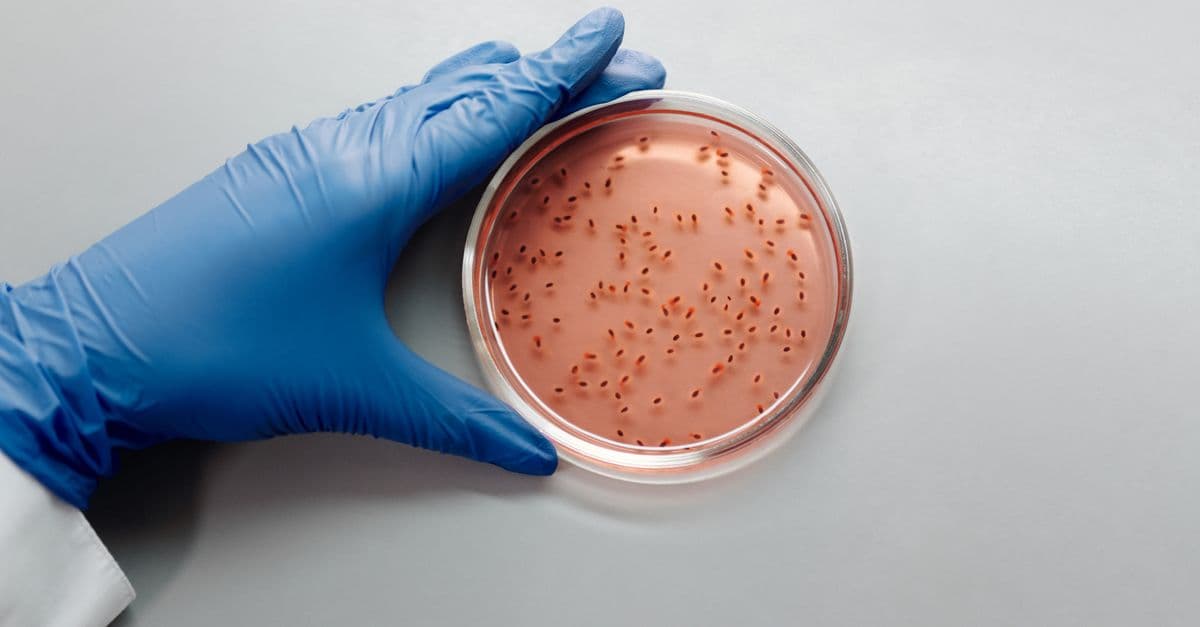
Photo: Edward Jenner / Pexels
In late 2015, doctors in northeastern Brazil began seeing newborns with unusually small heads, a condition called microcephaly. Within weeks the country's health ministry linked the rise to Zika, a mosquito-borne virus first identified in a monkey in Uganda in 1947 and ignored for most of the decades since. The World Health Organization declared an international emergency on February 1, 2016. This article explains how Zika spreads, what it does to adults and to a fetus, how scientists proved the link to birth defects, and why no vaccine exists.
Educational content, not medical advice. Talk to a doctor or your national health authority about testing, travel, pregnancy planning, or symptoms. This article summarizes published research and public health guidance, and individual situations differ.
Zika is a useful case study because it breaks the usual rules. For most people it is a trivial illness that passes unnoticed. For a small share of pregnancies it is among the most damaging infections known, and the harm is done to someone who never felt sick.
What Zika virus is and where it came from
Zika virus (ZIKV) belongs to the family Flaviviridae and the genus Flavivirus, the same group as dengue, West Nile virus, and yellow fever. Like its relatives, it is a single-stranded RNA virus wrapped in a fatty envelope. If you want the general mechanics of how a virus enters a cell and hijacks it, our explainer on how viruses work from infection to replication covers the basics that Zika shares with every other virus.
According to the WHO fact sheet (updated November 6, 2025), the virus was first identified in 1947 in a rhesus macaque in Uganda. Human infections turned up in other African countries in the 1950s. From the 1960s to the 1980s, sporadic human infections were detected across Africa and Asia, and the WHO notes that outbreaks have been recorded since 2007. Nothing in that history suggested a global threat. The infections were mild, rare, and easy to confuse with dengue.
Two broad lineages are usually described, an African lineage and an Asian lineage. The strains that spread through the Pacific and the Americas belong to the Asian lineage. Why that lineage produced a recognizable pattern of birth defects when decades of earlier infections did not is partly a story about surveillance, which we return to below.
Why a "mild" virus got so little attention
Think of the pre-2015 situation like a smoke detector with no batteries. Zika may well have been causing rare harm in Africa and Asia for decades, but nobody was counting birth defects in the right places, and the virus was one of many causes of fever and rash in the tropics. Without a large cluster in a country with good birth-defect reporting, the signal stayed buried. The WHO's own summary reflects this: the large Brazilian epidemic in 2015 is what led to the first description of an association between Zika infection and microcephaly.
How Zika spreads
Zika has four recognized routes of transmission. The mosquito route drives outbreaks, but the other three explain why Zika is handled so differently from dengue or yellow fever in public health guidance.
| Route | What happens | Why it matters |
|---|---|---|
| Mosquito bite | Aedes mosquitoes pick up virus from an infected person and pass it to the next person they bite | Drives outbreaks and seasonal surges |
| Sexual contact | Virus is passed between partners | Extends risk after travel; basis for waiting-period guidance |
| Mother to fetus | Virus crosses from the pregnant person to the developing baby | Cause of congenital Zika syndrome |
| Blood and tissue | Infected blood or tissue donations can carry the virus | Led to screening of donated blood in affected regions |
The CDC states that Zika spreads mostly through infected mosquito bites, and that it can also spread through sex, from a pregnant person to the fetus, and through infected blood or tissues.
The mosquito route
The main carrier is Aedes aegypti, a mosquito that lives close to people, breeds in small pools of standing water such as flowerpots, buckets, and discarded tires, and bites during the day. Aedes albopictus, the Asian tiger mosquito, can also carry Zika. The CDC's prevention guidance notes that mosquitoes bite during both day and night, which is why bed nets alone are not enough.
The mosquito acts like a shared needle between neighbors. It picks up virus from the blood of an infected person, the virus multiplies inside the mosquito for a period called the extrinsic incubation period (the time before the mosquito can pass the virus on), and then each bite delivers some of it to a new person. Because Aedes aegypti prefers to stay near the people it feeds on, a single infected household can seed infections across a neighborhood. Our piece on why mosquitoes bite some people more than others explains what draws these insects to particular hosts.
Sexual transmission
Most mosquito-borne viruses do not spread through sex. Zika does, and that fact changed the way health agencies advise travelers. The CDC says the virus "can stay in semen longer than in other body fluids," which is why the recommended waiting period is longer for men than for women.
A recent narrative review in Basic and Clinical Andrology (2026) adds important nuance on how long. Viral RNA can persist in semen for months after symptoms resolve, and in rare cases has been detected for more than 180 days. But the same review notes that replication-competent virus (virus that can actually infect) is rarely isolated beyond four to six weeks. A mouse study published in PLoS Pathogens in 2026 found a transmission window much shorter than the period of RNA persistence, though that is animal data and should not be read as a human timeline.
The distinction matters because a PCR test detects genetic fragments, not necessarily live virus. Think of it like footprints in snow: the footprints can remain long after the person who made them has left. That is why long RNA persistence does not translate directly into a long period of infectiousness, and why the CDC does not recommend testing to decide how likely someone is to transmit Zika sexually.
From a pregnant person to the fetus
Zika can cross the placenta. The CDC notes that transmission to the fetus can happen even when the pregnant person has no symptoms, and that some babies who look normal at birth later show brain imaging abnormalities or problems such as vision loss. This route is the origin of congenital Zika syndrome, covered in detail below.
Blood and tissue
The CDC lists infected blood or tissues as a transmission route. Beyond that, we do not make quantitative claims about transfusion risk here. Screening programs for donated blood in affected regions were part of the public health response.
What a Zika infection feels like in an adult
For most infected people, nothing. The CDC's clinical guidance says about 80% of people infected with Zika have no symptoms. When symptoms do appear, they usually start 3 to 14 days after infection (the WHO and CDC agree on this incubation range) and last from two to seven days.
The typical picture is mild:
- Fever, usually low-grade
- A rash
- Red eyes without pus (non-purulent conjunctivitis)
- Joint and muscle pain
- Headache and a general sense of being unwell
Almost every one of those symptoms also appears in dengue and chikungunya, which is why clinical diagnosis alone is unreliable in regions where several of these viruses circulate. Laboratory testing uses blood, serum, or plasma to look for the virus, its genetic material, or virus-specific antibodies. The CDC adds that urine nucleic acid testing may be recommended for pregnant patients.
Why antibody tests are tricky
Zika antibodies can cross-react with those made against dengue and other flaviviruses. An antibody is a Y-shaped protein that latches onto a specific piece of a virus; when two viruses share similar surface pieces, the same antibody can bind both. Our explainer on antibody structure and immune defense shows why a "positive" result against one flavivirus can mean exposure to a different one.
Treatment
No specific antiviral treatment exists. The WHO and CDC both describe care as supportive: rest, fluids, and medicines for fever and pain. The WHO advises avoiding NSAIDs (such as ibuprofen and aspirin) until dengue has been ruled out because of bleeding risk, and says patients whose diagnosis is unclear should be treated as for dengue.
How the 2015-2016 outbreak unfolded
The timeline below comes from the CDC's January 2016 Morbidity and Mortality Weekly Report on Brazil, plus the WHO's own statements.
| Date | Event |
|---|---|
| Early 2015 | Zika outbreak recognized in northeast Brazil |
| September 2015 | Reports of rising microcephaly births in affected areas |
| October 2015 | Brazil's Ministry of Health confirms an increase in microcephaly births in the northeast |
| November 17, 2015 | Ministry publicly reports the increase and a possible link to Zika; the Pan American Health Organization issues an alert |
| December 2015 | Zika RNA reported in amniotic fluid from two pregnancies with fetal microcephaly, and in tissues of an infant who died shortly after birth |
| February 1, 2016 | WHO Director-General declares a Public Health Emergency of International Concern |
| November 2016 | WHO lifts the emergency designation |
By January 2016, locally acquired transmission had been confirmed in 19 countries and territories in the Americas outside Brazil, according to the CDC report. The WHO's current fact sheet says that 92 countries and territories have reported evidence of mosquito-transmitted Zika infection, while cautioning that global surveillance is limited.
How many microcephaly cases were there?
The CDC report says more than 3,000 suspected microcephaly cases were reported to Brazil's Ministry of Health in the second half of 2015, which it estimated at about 20 per 10,000 live births. It compared that with a historical birth prevalence of about 0.5 per 10,000 live births calculated from birth certificates, and noted that expected estimates are 1 to 2 per 10,000, which may mean microcephaly was underreported before 2015.
The authors also caution that the special notification system may have increased reporting, so part of the rise may reflect better surveillance rather than a true jump. That caveat is typical of how epidemiologists treat early outbreak numbers. The raw counts were an alarm, not a measurement, and the proof of cause came from other lines of evidence.
Where did the virus come from?
You may see claims that Zika reached Brazil through travelers at an international sporting event. This is a hypothesis in the scientific literature rather than an established fact, and the sources checked for this article do not confirm a specific route, so we do not present one. The WHO notes only that the Brazilian epidemic of 2015 produced the first description of the link to microcephaly, and that a similar cluster of neurological disorders was reported in French Polynesia in 2014.
How scientists proved Zika causes microcephaly
Correlation is not causation, and in early 2016 the case rested on timing and geography. Establishing a cause required a structured argument. In 2016, Sonja Rasmussen, Denise Jamieson, Margaret Honein, and Lyle Petersen published "Zika Virus and Birth Defects: Reviewing the Evidence for Causality" in the New England Journal of Medicine (volume 374, pages 1981-1987). The authors weighed the evidence against established criteria for judging whether an exposure causes a birth defect, and concluded that Zika infection during pregnancy is a cause of microcephaly and other severe brain anomalies.
The kinds of evidence that carried the argument are worth understanding, because they show how causation is built:
- Detection of the virus in the damaged tissue. The CDC's report described Zika RNA in amniotic fluid from two pregnancies with microcephaly and in brain tissue of an infant who died shortly after birth.
- Timing. The rise in microcephaly followed the spread of Zika in the same regions, and the pattern of risk tracked with infection during pregnancy.
- A plausible biological mechanism. Laboratory studies point to the developing brain's precursor cells as a target, as discussed below.
- Consistency across places. The French Polynesia cluster of neurological disorders in 2014 and the Brazilian cluster in 2015 fit the same story.
This is the logic of a detective case. No single fingerprint closes it. A suspect who was present at the scene, had the means, and left traces at several locations, with no better alternative suspect, becomes the explanation.
Why the brain is so vulnerable
A developing fetal brain builds its cortex from rapidly dividing precursor cells, called neural progenitor cells, that later become neurons. Laboratory work has pointed to these cells as a favored target of the virus. If a large share of the builders is infected or killed early, the structure they were supposed to produce comes out smaller and malformed. This is a simplified picture of a mechanism that is still under study, and it helps explain why timing in pregnancy matters.
What congenital Zika syndrome looks like
Microcephaly is the headline finding, but it is one part of a wider pattern called congenital Zika syndrome. The WHO fact sheet lists microcephaly and other birth defects including limb contractures (joints fixed in a bent position), high muscle tone, eye abnormalities, and hearing loss. The CDC lists severe microcephaly, brain calcifications, cerebral or cortical atrophy, retinal abnormalities, and optic nerve abnormalities.
Pregnancy complications can include fetal loss, stillbirth, and preterm birth, according to the WHO.
Two points are easy to miss. First, some infants look normal at birth and only later show abnormalities on brain imaging or develop problems such as vision loss, per the CDC. This is why the CDC recommends that infants of infected mothers be evaluated for congenital infection. Second, a normal ultrasound or a healthy-looking newborn does not rule out later effects, which is why follow-up matters.
How often does infection in pregnancy harm the baby?
The honest answer is "in a minority of pregnancies, but a large enough minority to matter." Different sources report slightly different figures because they measure different groups.
| Source | Finding | Notes |
|---|---|---|
| WHO fact sheet (2025) | An estimated 5-15% of infants born to infected mothers show evidence of Zika-related complications | A broad estimate |
| Honein et al., JAMA 2017 | Birth defects potentially related to Zika in 26 of 442 completed pregnancies with lab evidence of possible recent infection (6%) | US Zika Pregnancy Registry |
| Honein et al., first trimester | 11% of 85 completed pregnancies with exposure only in the first trimester or around conception | No birth defects reported with exposure only in the second or third trimester |
| Honein et al., microcephaly | 18 of 442 completed pregnancies (4%) | Part of the 26 above |
The JAMA study also found birth defects in 6% of pregnancies in women who had no symptoms and 6% in those who did, which shows that feeling fine is not reassurance about the fetus.
Two cautions apply. The registry counted pregnancies with laboratory evidence of possible recent infection, so it cannot be applied directly to every infected pregnant person. And the absence of defects in second- and third-trimester exposures in one study does not mean such exposures are risk-free; the CDC notes that some babies show later problems. The sensible reading is that the earliest weeks carry the highest recorded risk, while no stage of pregnancy should be regarded as safe from the virus.
Guillain-Barré syndrome: the adult complication
Guillain-Barré syndrome (GBS) is a rare condition in which the immune system attacks peripheral nerves, causing weakness that can ascend and, in severe cases, affect breathing. The WHO says Zika infection is linked to GBS, neuropathy, and myelitis, particularly in adults and older children.
The strongest early evidence came from French Polynesia. A case-control study in The Lancet by Cao-Lormeau and colleagues (2016) examined 42 patients diagnosed with GBS during the 2013-2014 outbreak:
- 41 of 42 (98%) had anti-Zika IgM or IgG antibodies, and all 42 had neutralizing antibodies, compared with 56% of one control group
- 37 (88%) had a transient illness a median of 6 days before neurological symptoms began
- 12 (29%) needed respiratory assistance
- No patients died
The authors described it as the first study to provide evidence that Zika virus infection can cause GBS. The pattern is consistent with the idea that the immune response to an infection can misfire against the body's own nerves, a mechanism sometimes called molecular mimicry. Most people who get GBS in this setting are treated in hospital, and GBS after Zika remains uncommon relative to the number of infections. The CDC lists GBS among rare complications of Zika along with encephalopathy, meningoencephalitis, myelitis, uveitis, and severe thrombocytopenia (low platelet counts).
Zika compared with its mosquito-borne relatives
Zika, dengue, chikungunya, and West Nile virus overlap in symptoms, geography, and vectors, which complicates diagnosis. This table keeps to well-established qualitative contrasts. For precise epidemiology of each, see our separate articles.
| Feature | Zika | Dengue | Chikungunya | West Nile |
|---|---|---|---|---|
| Virus group | Flavivirus | Flavivirus | Alphavirus | Flavivirus |
| Main mosquito | Aedes | Aedes | Aedes | Culex |
| Sexual transmission | Documented | Not a recognized route | Not a recognized route | Not a recognized route |
| Birth-defect syndrome | Yes, well established | Not a defining feature | Not a defining feature | Not a defining feature |
| Hallmark of illness | Often none; mild fever and rash | Fever, can progress to severe disease | Severe joint pain | Often none; rarely neurological disease |
Our full explainers cover these relatives in more depth: dengue virus, chikungunya virus, West Nile virus, and yellow fever. Dengue matters for another reason: the WHO's advice to avoid NSAIDs and to treat unclear cases as dengue exists because dengue can cause bleeding complications.
Prevention and public health guidance
Because there is no vaccine and no cure, prevention rests on avoiding mosquito bites and on managing sexual transmission. The CDC and WHO guidance, summarized from their pages, includes the following.
Mosquito bite prevention (CDC):
- Use an EPA-registered insect repellent
- Wear long, loose-fitting shirts and pants
- Use window screens and control mosquitoes indoors and outdoors
- Prevent bites for three weeks after returning from an area with Zika risk, even without symptoms, so that you do not infect local mosquitoes
Sexual transmission (CDC and WHO):
- Men should use condoms or abstain for at least three months after returning from travel, or after symptom onset or diagnosis
- Women should use condoms or abstain for at least two months
- Condoms reduce risk for vaginal, anal, and oral sex and when sharing sex toys
- The WHO advises that partners of pregnant women who live in or have returned from areas with local transmission practice safer sex or abstain for the entire pregnancy
The WHO also recommends that people in affected regions be counseled on contraception and given access to emergency contraception if they do not wish to become pregnant. These are population-level recommendations. Anyone who is pregnant or planning a pregnancy should get individual advice from a clinician, who will consider current local transmission.
Where Zika stands today
The emergency ended in November 2016, but the virus did not vanish. The WHO says transmission continues at low levels in several countries in the Americas and in some countries in Asia and Africa, and the first locally acquired mosquito-transmitted cases in Europe were reported in 2019. The CDC describes Zika as typically found in tropical and subtropical areas of Africa, the Americas, Southern Asia, and the Western Pacific.
Lifting an emergency designation is an administrative decision about response, not a verdict that the threat is over. The conditions that allowed the 2015 epidemic, including competent mosquitoes in dense cities, a population with little prior immunity, and rapid global travel, have not changed. For a wider view of how viruses cross from one setting to another, see our article on how viruses jump from animals to humans.
Why there is still no Zika vaccine
The WHO fact sheet states that no vaccine is currently available, and the CDC says no vaccines or medicines are available to prevent Zika. A 2026 review in Tropical Medicine and Infectious Disease by Pessoa, covering a decade of congenital Zika syndrome, reports more than 45 vaccine candidates identified, with 16 reaching Phase 1 or Phase 2 trials by late 2025, and notes that no licensed vaccine or specific antiviral therapy yet exists. Candidate platforms have included DNA, mRNA, inactivated virus, and live-attenuated approaches.
Several obstacles explain the gap between candidates and a licensed product. These are widely discussed in the literature, though the specifics vary by candidate:
- Trials need cases. A vaccine efficacy trial needs enough infections in the placebo group to show a difference. Zika transmission dropped after the 2015-2016 wave, which makes large efficacy trials difficult to run.
- The key population is pregnant women. The people who stand to benefit most are also the group that is hardest to enroll in early trials for ethical reasons.
- Related viruses complicate safety. Antibodies against one flavivirus can interact with others, such as dengue. Researchers have studied whether a Zika vaccine could affect dengue disease, and the question adds safety work to any program.
- Funding follows urgency. When an outbreak fades, so does money and political attention.
To see how modern vaccines are designed and why newer platforms moved faster, read how vaccines train the immune system and how mRNA vaccines work. The Zika program shows that a fast platform does not solve a trial-design problem.
Common misunderstandings about Zika
"Zika is dangerous for everyone." For most healthy adults it is a mild illness, and about 80% of infections cause no symptoms, per the CDC. The serious concern is infection during pregnancy, plus a rare risk of GBS.
"No symptoms means no risk to the baby." The JAMA registry study found birth defects in 6% of pregnancies among women without symptoms, the same as among women with symptoms. The CDC also states that transmission to the fetus can occur even when the mother has no symptoms.
"A normal-looking newborn is in the clear." Some infants look normal at birth and later show brain abnormalities or vision problems, according to the CDC.
"A positive semen PCR means a man is infectious." RNA can outlast infectious virus. The 2026 andrology review says replication-competent virus is rarely isolated beyond four to six weeks, even though RNA has occasionally been detected beyond 180 days. Public health waiting periods are set conservatively because individual risk is hard to measure.
"The emergency is over, so Zika is gone." The WHO still reports low-level transmission in several regions.
"Microcephaly counts in 2015 prove the exact size of the epidemic." The CDC's own report cautions that increased reporting may have inflated early numbers. The causal case rests on multiple lines of evidence rather than on raw counts.
What this means
Zika changed several assumptions at once. It showed that a mosquito-borne virus could be sexually transmitted, that a mild or silent infection can still injure a fetus, and that proving a cause of birth defects requires assembling evidence from the lab, the clinic, and the population. It also showed how quickly vaccine research can lose momentum when an outbreak recedes.
For readers, the practical lesson is about attention to context. For most people, Zika is a footnote of an illness. For people who are pregnant or planning pregnancy, local transmission data and clinician guidance carry real weight. The virus is still circulating at low levels, and the CDC and WHO pages listed below are the places to check current guidance. For a comparison with another virus that spreads silently and causes long-term harm, see HPV and how it causes cancer.
Frequently Asked Questions
Q: Do most people with Zika feel sick? A: No. The CDC says about 80% of infected people have no symptoms. When symptoms occur, they are usually mild, begin 3 to 14 days after infection, and last from two to seven days. They include fever, rash, red eyes, joint and muscle pain, and headache.
Q: How does Zika cause birth defects? A: The virus can cross the placenta and infect the developing fetus. The WHO lists microcephaly, limb contractures, high muscle tone, eye abnormalities, and hearing loss among the possible outcomes. Laboratory work points to infection of the brain's precursor cells as a likely mechanism, though the details are still being studied.
Q: What share of infected pregnancies result in birth defects? A: Estimates vary by group studied. The WHO estimates 5 to 15% of infants born to infected mothers show Zika-related complications. In a US registry published in JAMA in 2017, 6% of 442 completed pregnancies with lab evidence of possible infection had related birth defects, rising to 11% when exposure occurred only in the first trimester or around conception.
Q: How long can Zika be passed on sexually? A: The CDC recommends that men use condoms or abstain for at least three months and women for at least two months after travel, symptom onset, or diagnosis. Research reviews indicate that viral RNA can persist in semen for months, but that infectious virus is rarely found beyond four to six weeks. The longer guidance period is a precaution.
Q: Is there a Zika vaccine or treatment? A: No. The WHO and CDC both say no vaccine is available, and there is no specific antiviral. A 2026 review reports more than 45 candidates, with 16 reaching Phase 1 or 2 trials by late 2025. Treatment is supportive, and NSAIDs should be avoided until dengue is ruled out.
Q: Is Zika linked to Guillain-Barré syndrome? A: Yes. The WHO links Zika to Guillain-Barré syndrome, neuropathy, and myelitis. In a 2016 Lancet study of 42 GBS patients in French Polynesia, 41 had Zika antibodies and 12 needed respiratory assistance. No patients died. GBS remains a rare complication relative to the number of infections.
Q: Is Zika still spreading? A: At low levels. The WHO reports continuing transmission in several countries in the Americas and in some countries in Asia and Africa, and says 92 countries and territories have reported evidence of mosquito-transmitted infection. The first local mosquito-transmitted cases in Europe were reported in 2019.
Sources
- World Health Organization. Zika virus fact sheet, updated November 6, 2025. https://www.who.int/news-room/fact-sheets/detail/zika-virus
- Centers for Disease Control and Prevention. About Zika Virus. https://www.cdc.gov/zika/about/index.html
- Centers for Disease Control and Prevention. Zika virus disease: clinical signs and symptoms (clinical guidance). https://www.cdc.gov/zika/hcp/clinical-signs/index.html
- Centers for Disease Control and Prevention. Preventing Zika. https://www.cdc.gov/zika/prevention/index.html
- CDC. "Microcephaly in Brazil potentially linked to the Zika virus epidemic" (MMWR early release, January 2016). https://www.cdc.gov/mmwr/volumes/65/wr/mm6503e2.htm
- World Health Organization. WHO Director-General summarizes the outcome of the Emergency Committee regarding clusters of microcephaly and Guillain-Barré syndrome, February 1, 2016. https://www.who.int/news/item/01-02-2016-who-director-general-summarizes-the-outcome-of-the-emergency-committee-regarding-clusters-of-microcephaly-and-guillain-barr%C3%A9-syndrome
- Rasmussen SA, Jamieson DJ, Honein MA, Petersen LR. "Zika Virus and Birth Defects: Reviewing the Evidence for Causality." New England Journal of Medicine 374(20):1981-1987 (2016). DOI: 10.1056/NEJMsr1604338
- Honein MA, Dawson AL, Petersen EE, et al. "Birth Defects Among Fetuses and Infants of US Women With Evidence of Possible Zika Virus Infection During Pregnancy." JAMA 317(1):59-68 (2017). DOI: 10.1001/jama.2016.19006
- Cao-Lormeau VM, Blake A, Mons S, et al. "Guillain-Barré Syndrome outbreak associated with Zika virus infection in French Polynesia: a case-control study." The Lancet 387(10027):1531-1539 (2016). DOI: 10.1016/S0140-6736(16)00562-6
- Khan A, George M, Pearce I, Modgil V, Stasinou T. "Zika virus and male reproductive health: essential updates for andrologists and fertility specialists." Basic and Clinical Andrology 36(1) (2026). DOI: 10.1186/s12610-026-00305-5
- Chang JT, et al. "A mouse model of Zika virus sexual transmission reveals a limited transmission window shorter than viral RNA persistence in semen." PLoS Pathogens 22(7):e1014420 (2026). DOI: 10.1371/journal.ppat.1014420
- Pessoa FS. "Ten Years of Congenital Zika Syndrome: From Outbreak to a Decade of Clinical, Therapeutic, and Preventive Advances in a Tropical Disease Context." Tropical Medicine and Infectious Disease 11(5) (2026). DOI: 10.3390/tropicalmed11050124
Read next:
Follow new articles
Add SciHub101 to your feed reader to see new science and technology stories.
About the Author
SciHub101 is an independent science and technology publication founded and edited by Buğra Sözeri, a software engineer and app developer based in Türkiye. AI tools assist with drafting and research. Source documentation in the existing archive is uneven, and articles are being reviewed and corrected. The Editorial Team byline identifies editorial responsibility; it does not certify specialist or independent human review. Where we compare products, anything built by our own team is labelled as such — see the editorial guidelines and About page for how corrections and disclosures work.
Related Articles

Herpes Viruses Explained — The 9 Viruses That Stay With You for Life
Herpes viruses explained: how the nine human herpesviruses hide in nerve and immune cells for life, what each one causes, and why vaccines and cures are hard.

Yellow Fever Virus: Flavivirus Deep Dive
How yellow fever virus moves from monkeys to cities, why it attacks the liver, and how the 17D vaccine, a single dose, gives lifelong protection.

Japanese Encephalitis Virus: How It Spreads and Who It Hits
Japanese encephalitis virus spreads from pigs and herons through Culex mosquitoes. Learn the burden, symptoms, vaccines, and real traveler risk.

Chikungunya Virus Explained
Chikungunya virus explained: how this mosquito-borne alphavirus spreads, why it causes lasting joint pain, how it differs from dengue, and what vaccines exist.
Dengue Virus Explained — Why It's Spreading and How It Works
How the four dengue serotypes infect cells, why a second infection can be worse, what WHO data show about the 2024 record year, and where dengue vaccines stand.
Tick-Borne Encephalitis: The Flavivirus in the Forest
Tick-borne encephalitis is a flavivirus infection mainly spread by Ixodes ticks. Three subtypes, a two-phase illness, effective vaccines, and why cases keep rising.