Why Mosquitoes Bite Some People More — Science
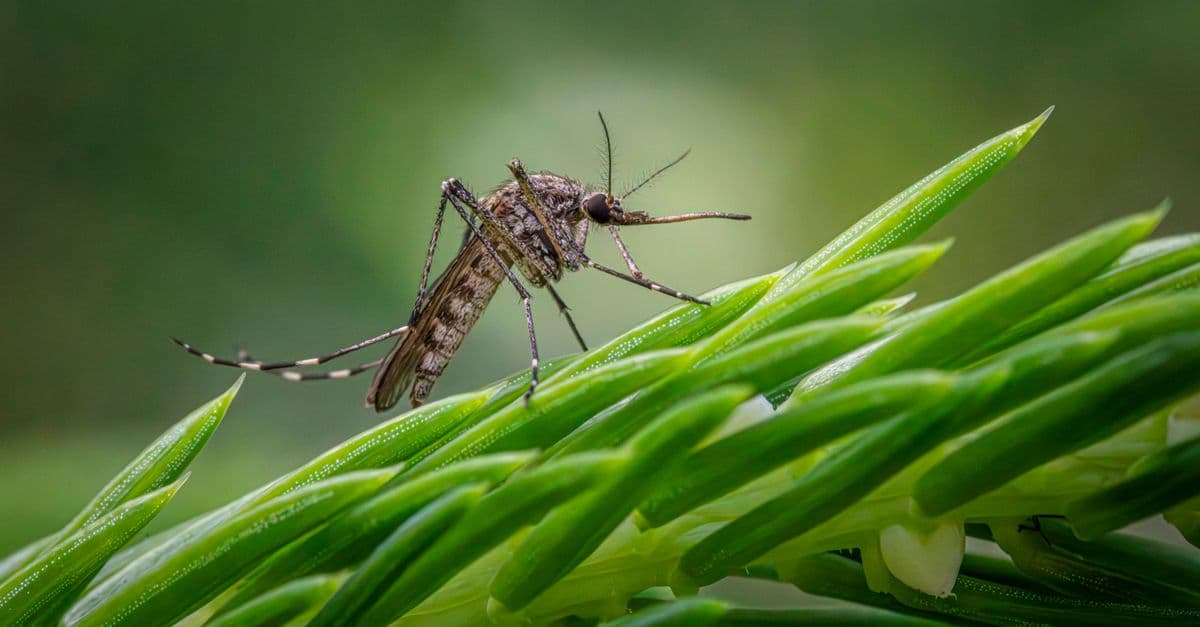
Photo: Erik Karits / Pexels
You and a friend sit in the same garden. By the end of the evening, you have twelve bites and they have none. It is not your imagination, and it is not your "sweet blood." Mosquito attractiveness varies enormously between individuals, and researchers have spent the last two decades tracing exactly why — down to the specific molecules on your skin that mosquitoes can smell from meters away.
Educational content, not medical advice. Talk to your doctor before changing any medication, treatment, or routine. Information here reflects current research but every person's situation differs.
Only Females Bite — and Only for Eggs
The first thing to know: only female mosquitoes bite humans. Males feed exclusively on plant nectar and never take blood. Females need a blood meal to provision their eggs with the protein and iron that nectar alone cannot supply. Every itchy welt you have ever scratched came from a mosquito that was pregnant, about to be pregnant, or gathering resources for her next egg batch.
This single fact reshapes how you should think about mosquito behavior. A female mosquito is not randomly cruising for a meal the way a mildly hungry animal might. She is running a life-or-death resource hunt, because without blood protein her eggs will not develop. That pressure has, over millions of years, produced one of the most sensitive multi-sensory tracking systems in the animal kingdom — a system tuned specifically to detect warm-blooded vertebrates, and among the deadliest disease-vector species, tuned specifically to detect humans.
Females of Aedes aegypti (the primary vector for yellow fever, dengue, Zika, and chikungunya) and Anopheles gambiae (the primary malaria vector in sub-Saharan Africa) have sensory systems that combine at least four independent channels — smell, heat, humidity, and sight — layered so that if one channel fails, the others compensate. Understanding that layered system is the key to understanding why some people become "mosquito magnets" while others walk through the same swarm untouched.
Some People Are Genuinely 100 Times More Attractive Than Others
For decades, "mosquitoes just like me more" sounded like folk belief, the kind of thing grouped with astrology or lucky socks. Then in 2022, a team led by Leslie Vosshall at Rockefeller University put the claim through a rigorous, multi-year experiment and found it was not folk belief at all — it was measurable biology with a magnitude that surprised even the researchers.
In the study, published in Cell, De Obaldia and colleagues recruited more than 60 volunteers who wore nylon stockings on their forearms for six hours a day to soak up skin odor compounds (De Obaldia et al., 2022, Cell). The stockings were then cut into pieces and placed into a two-choice olfactometer, an apparatus that lets caged mosquitoes fly toward whichever scent sample they find more attractive, with researchers tracking which piece each mosquito chose.
The spread between subjects was extreme. The most attractive person in the cohort drew roughly 100 times more mosquitoes than the least attractive person, and the ranking held stable across repeated tests conducted over several years. That stability matters as much as the magnitude: this was not a fluke of one bad night after eating garlic or drinking a particular beer. It reflects a durable, largely fixed trait of an individual's skin chemistry.
Chemical analysis of the "mosquito magnet" samples using gas chromatography-mass spectrometry identified the driver: carboxylic acids, especially pelargonic acid and related medium-chain fatty acids, produced when resident skin bacteria break down sebum, the oily substance your sebaceous glands secrete to keep skin lubricated. The most attractive subjects had dramatically elevated levels of these compounds compared to the least attractive subjects. A related bioRxiv preprint from the same lab went further, identifying the specific mosquito sensory receptors (a family of ionotropic receptors, or ion-channel-based smell receptors) that detect these carboxylic acids directly (Raji et al., bioRxiv, 2022).
This is a genuinely useful reframe of the "sweet blood" idea. It is not sugar in your bloodstream that draws mosquitoes; a mosquito cannot taste your blood sugar before she lands. It is the specific blend of fatty-acid byproducts your skin bacteria are producing on the surface, released into the air as volatile compounds she can detect from meters away.
What Mosquitoes Actually Use to Find You
Mosquito hunting is best understood as a relay race with layered cues, each one kicking in at a different distance and handing off to the next as the mosquito closes in. Think of it like an aircraft's landing sequence: long-range radar first, then a homing beacon, then visual runway lights, then final touchdown guidance. A mosquito uses an analogous cascade, just built from smell, heat, and sight instead of radio waves.
Stage one — carbon dioxide, tens of meters out. Exhaled CO2 is the mosquito's long-range beacon, detectable from as far as 50 meters (about 165 feet) under favorable wind conditions. CO2 is sensed by a specialized neuron called cpA, housed in sensory hairs on the mosquito's maxillary palp (a pair of small sensory appendages near the mouth). Research on Aedes aegypti has found that the cpA neuron's dendrite — the receiving end of the nerve cell — has 8 to 12 times more surface area than its neighboring neurons, an anatomical adaptation that makes it exceptionally sensitive to faint CO2 gradients (PNAS, 2025). Larger people, people who are breathing harder from exertion, and pregnant women all exhale more CO2 and register more strongly on this first-stage radar.
Stage two — body odor compounds, roughly 5 to 15 meters out. This is where individual attractiveness differences explode into view. Human skin releases hundreds of volatile organic compounds: carboxylic acids, lactic acid, ammonia, ketones, and more, most of them produced not by human cells directly but by the bacteria living on human skin metabolizing sweat and sebum. This stage is where the Rockefeller study's 100-fold difference plays out — a "mosquito magnet" and a "mosquito ghost" can be standing at the same CO2-detected distance, and only one of them gets swarmed once the mosquito is close enough to smell skin chemistry.
Stage three — body heat and humidity, from centimeters away. Once a mosquito is within striking range, thermal and moisture receptors on the antennae take over, guiding the final approach to exposed, warm, moist skin — which is part of why ankles, wrists, and necks get hit disproportionately.
Stage four — visual contrast, active mostly in daylight. Aedes species, which bite during the day, use vision to lock onto moving, high-contrast silhouettes once within a few meters. Dark clothing against a light background is measurably more attractive than light clothing, which is one reason travel-health guidance in dengue-endemic areas recommends light-colored, loose clothing.
Does the skin microbiome really change how attractive you are?
Yes. Verhulst and colleagues showed that people whose skin bacteria are dominated by Staphylococcus species attract significantly more Anopheles gambiae mosquitoes, while skin dominated by Pseudomonas and Variovorax species is closer to neutral (Verhulst et al., 2011, PLoS ONE). Because identical twins share more similar skin microbiomes than unrelated people, they also tend to show more similar mosquito attractiveness — a pattern that ties individual skin ecology directly to bite risk.
The Genetics Behind "Mosquito Magnets"
Skin chemistry does not appear out of nowhere. A landmark 2015 twin study from the London School of Hygiene & Tropical Medicine put the genetic question to a direct test. Researchers recruited 18 identical (monozygotic) twin pairs and 19 non-identical (dizygotic) twin pairs, then had each twin place a hand into one arm of a Y-shaped glass tube while air carrying their scent was blown past 20 caged Aedes aegypti mosquitoes clustered at the far end (Fernández-Grandon et al., 2015, PLOS ONE).
Identical twins, who share essentially all of their DNA, showed a much higher correlation in mosquito attractiveness than non-identical twins, who share only about half. Statistical modeling of the results estimated that genetics accounts for roughly 67% of the variation in mosquito attractiveness between people — a heritability estimate in the same range typically reported for traits like height or IQ.
That number does not mean there is a single "mosquito magnet gene." It means that a substantial share of the variation in skin chemistry, sweat composition, and the resulting bacterial ecosystem on your skin is under genetic control, inherited the way eye color or freckling is inherited. Environmental factors like diet, hygiene products, and current health status modify the picture, but the underlying chemical "signature" a person's skin produces has a strong hereditary component that does not change dramatically over a lifetime — consistent with the Rockefeller team's finding that individual rankings stayed stable across multiple years of retesting.
Why Malaria Vectors and Dengue Vectors Hunt Differently
Not every mosquito species uses this system the same way, and the differences matter for disease control. Anopheles gambiae, the dominant malaria vector across sub-Saharan Africa, is primarily a night-biter that prefers indoor environments and is especially attracted to foot odor — the same Staphylococcus-heavy chemistry described above. That preference is precisely why insecticide-treated bed nets, which physically block a mosquito's access to a sleeping person overnight, have been one of the single most effective malaria interventions ever deployed.
Aedes aegypti, the dengue, Zika, chikungunya, and yellow fever vector, is a daytime biter that prefers to feed indoors and outdoors near human dwellings, often in urban and peri-urban environments where standing water collects in tires, flowerpots, and discarded containers. Because Aedes bites during the day, bed nets are far less protective against it; daytime repellent use and eliminating standing-water breeding sites matter more.
Understanding which vector dominates in a given region — and matching prevention strategy to that species' hunting pattern — is a core part of public-health vector control. For a closer look at how one of these viruses actually hijacks human cells once a bite has occurred, see Dengue Virus Explained.
Myths That Will Not Die
Popular mosquito folklore is full of claims that sound plausible but do not survive controlled testing.
Blood type O is "more attractive." The idea traces largely to a small, frequently cited 2004 study by Shirai and colleagues, which found that Aedes albopictus mosquitoes landed on blood-group-O secretors (people whose blood-type antigens are also present in saliva and other secretions) at a mean rate of 83.3%, compared to 46.5% for group-A secretors (Shirai et al., 2004, Journal of Medical Entomology). That is a real, published effect — but it is one small study on one species, using a saliva-based secretor classification most people have never heard applied to themselves, and the effect size is far smaller than the skin-chemistry differences described above. Later broader work has not consistently replicated a strong, general blood-type effect, and no major public-health body recommends factoring blood type into personal mosquito-protection strategy.
Eating bananas attracts mosquitoes. Controlled trials have found no measurable effect of banana consumption on mosquito landing rates. This myth appears to be an urban legend with no traceable origin study.
Garlic, vitamin B1 (thiamine), and brewer's yeast repel mosquitoes. A frequently cited 2005 University of Connecticut trial and subsequent studies found no protective effect from any of these interventions taken orally. The idea that thiamine changes body odor enough to repel insects has circulated since the 1940s but has never held up under controlled testing.
Ultrasonic repeller devices and apps. Multiple independent reviews, including assessments referenced by the World Health Organization and national consumer-protection agencies, have found these devices provide no measurable protection. Mosquitoes do not navigate primarily by sound in the frequency ranges these devices emit, and field trials consistently show no reduction in landing or biting rates.
"Sweet blood" as a literal claim. People who insist they have sweet blood are half right in spirit, wrong in mechanism. Their skin chemistry really is more attractive to mosquitoes — but the driver is carboxylic acid output from skin bacteria metabolizing sebum, not blood sugar, which a mosquito cannot detect before landing.
Claims with genuine evidence behind them include the following.
Pregnancy increases attractiveness. Lindsay and colleagues found that pregnant women exhale roughly 21% more CO2 than non-pregnant women and run a higher skin temperature, and that Anopheles gambiae found pregnant women roughly twice as attractive in field trials in Gambia (Lindsay et al., 2000, The Lancet). This finding has direct public-health weight, since malaria in pregnancy carries elevated risk for both mother and fetus, and it partly informs why pregnant women in malaria-endemic regions are prioritized for bed nets and prophylaxis.
Alcohol consumption increases attractiveness. Lefèvre and colleagues found that drinking a single bottle of beer measurably increased volunteers' attractiveness to Anopheles gambiae in controlled trials, even though the exact mechanism (changes in skin temperature, sweat composition, or ethanol byproducts in breath and sweat) is not fully settled (Lefèvre et al., 2010, PLoS ONE).
Exercise and body size increase attractiveness. Larger body mass correlates with greater CO2 output and more skin surface area for bacterial odor production, both of which independently increase attractiveness. Exercise compounds this by raising body temperature, breathing rate, and lactic-acid output in sweat, all of which are cues mosquitoes track.
What Actually Repels Mosquitoes
The following table summarizes the repellent categories with the strongest evidence base, drawn from CDC, EPA, and WHO guidance.
| Repellent | Active Ingredient | Duration | Effectiveness | Notes |
|---|---|---|---|---|
| DEET (20–30%) | N,N-Diethyl-meta-toluamide | 5–8 hours | Gold standard | Works partly by masking human odor and partly by directly disrupting mosquito olfactory receptors; safe for adults and children over 2 months per CDC/EPA |
| Picaridin (20%) | Icaridin | 5–8 hours | Equal to DEET | Less odor, does not dissolve plastics or synthetic fabrics the way DEET can |
| Oil of Lemon Eucalyptus / PMD | p-menthane-3,8-diol | 3–6 hours | Good (plant-derived) | Not recommended for children under 3 years old |
| IR3535 (20%) | Ethyl butylacetylaminopropionate | 4–8 hours | Good | Widely used in Europe; EPA-registered in the US |
| Citronella candles | Citronellal | Under 30 minutes of nearby effect | Weak | Marginal benefit at best; not a substitute for skin-applied repellent |
| Permethrin (clothing only) | Synthetic pyrethroid | Through roughly 70 washes | Excellent — kills mosquitoes on contact | Applied to clothing and gear, never directly to skin |
| Insecticide-treated bed nets (LLINs) | Permethrin-treated netting | Multiple years per net | Critical in malaria-endemic regions | Associated with reductions exceeding 50% in child malaria mortality across multiple large-scale African deployment studies |
Table: Comparative effectiveness of the most evidence-backed mosquito repellent methods, based on CDC, EPA, and WHO published guidance.
Recent mechanistic work adds nuance to why DEET works so well. Rather than simply smelling "bad" to a mosquito, DEET appears to act partly as an odor-masking agent — it interacts with skin-surface chemicals and reduces the amount of attractive human odor reaching the air, and it also produces direct, dose-dependent effects on specific mosquito olfactory receptor neurons, effectively confusing the mosquito's ability to track a host down the odor plume (Dennis, Goldman & Vosshall, 2019, Current Biology). A separate 2019 finding from the same Rockefeller lab showed that Aedes aegypti mosquitoes can detect and avoid DEET through contact with their legs alone, without needing to smell it first — a second, independent layer of repellency (Rockefeller University, 2019).
CDC, EPA, and WHO guidance converges on a consistent, simple hierarchy: use an EPA-registered skin repellent (DEET or picaridin at effective concentrations) for personal protection, treat outdoor clothing and gear with permethrin for extended exposure or travel, and rely on insecticide-treated bed nets or window screening in regions where malaria or other mosquito-borne disease is actively circulating.
Do natural or "chemical-free" repellents actually work?
Most plant-based repellents other than oil of lemon eucalyptus (OLE/PMD) provide only short, marginal protection, typically well under an hour before reapplication is needed, and none match the multi-hour duration of DEET or picaridin in controlled head-to-head trials. OLE is the one plant-derived option the CDC lists alongside synthetic repellents as genuinely effective, though it is not recommended for children under three.
Why do mosquitoes seem to target ankles and feet specifically?
Feet host a dense, Staphylococcus-heavy bacterial community that produces the same carboxylic acid compounds found in aged cheeses like Limburger — chemistry mosquitoes are specifically tuned to detect. Field studies with Anopheles gambiae have used Limburger cheese as an experimental stand-in for foot odor precisely because the two attract mosquitoes similarly. Washing feet before spending time outside measurably reduces this signal.
Why This Matters Beyond Itching
Mosquitoes are frequently described as the deadliest animal on Earth by death toll, and current WHO surveillance data supports that framing on the scale of infectious disease. The 2024 World Malaria Report estimated 610,000 malaria deaths globally in 2024, an increase over the prior year, with an estimated 282 million cases worldwide (WHO World Malaria Report 2024). The WHO African Region alone accounted for roughly 94% of cases and 95% of deaths, and three-quarters of deaths within that region occurred in children under five years old.
Malaria is only one piece of the mosquito-borne disease burden. Aedes aegypti and Aedes albopictus also transmit dengue, Zika, chikungunya, and yellow fever, diseases whose geographic range has been expanding as climate patterns shift and urbanization creates more standing-water breeding habitat. In the United States specifically, malaria remains rare but not absent — the CDC reports approximately 2,000 imported cases annually and an average of roughly seven deaths per year between 2007 and 2022, almost entirely among travelers returning from endemic regions rather than local transmission (CDC, Malaria Surveillance Report).
This is why the "why do mosquitoes bite me more" question is not purely a matter of summer-evening annoyance. Every mechanistic finding — which carboxylic acids matter most, which olfactory receptors detect them, how heritable the underlying skin chemistry is — feeds directly into the design of better traps, better repellents, and potentially skin treatments that could mask a person's attractiveness signature altogether. Vector control researchers already use synthetic versions of attractive compounds to lure and kill mosquitoes in "attract-and-kill" traps, and the same chemistry that explains your personal bite count is the chemistry public-health agencies are trying to weaponize against disease transmission at population scale.
Bite risk also intersects with immune response. The itching, swelling welt that follows a bite is your body's histamine-driven reaction to proteins in mosquito saliva, not the bite itself. For a broader look at how that kind of reactive immune signaling is organized in the body, see The Immune System: How It Works Explained. Skin chemistry is also inseparable from the broader ecosystem of bacteria living on your body, a topic covered in depth in The Gut Microbiome Explained, which walks through how resident microbial communities shape far more than digestion.
The Takeaway
Mosquito attraction is not luck, and it is not "sweet blood" in any literal sense. It is a layered detection system, CO2 first, then skin-derived carboxylic acids from your resident bacteria, then heat and moisture at close range, matched against a strongly heritable trait that makes some people consistent, long-term "mosquito magnets" while others go largely unbitten. The practical upshot has not changed in decades even as the mechanism has come into sharp focus: DEET and picaridin remain the best-evidenced personal repellents, permethrin-treated clothing and bed nets remain the best-evidenced barrier protection, and no folk remedy involving garlic, vitamin B1, or blood type meaningfully changes your risk. What has changed is that scientists can now point to the exact molecules driving the difference, which is the first real step toward repellents, and eventually skin treatments, engineered to switch that signal off.
Frequently Asked Questions
Q: Does eating garlic or taking vitamin B1 keep mosquitoes away? A: No. Multiple controlled trials, including a widely cited 2005 University of Connecticut study, found neither garlic nor vitamin B1 (thiamine) measurably reduces mosquito attraction or landing rates.
Q: Is DEET safe to use? A: Yes. After more than 60 years of use and extensive regulatory review, the EPA and CDC consider DEET safe for adults and children over 2 months of age at concentrations up to 30%. Higher concentrations extend protection duration; they do not provide stronger protection per hour.
Q: Why do mosquito bites itch? A: When a female mosquito feeds, she injects saliva containing anticoagulants and vasodilators that keep blood flowing while she feeds. Your immune system reacts to proteins in that saliva with a histamine release, producing the familiar red, itchy welt.
Q: Does blood type really affect mosquito attraction? A: Weakly, and inconsistently across studies. A 2004 study found Aedes albopictus preferred blood-group-O secretors over group-A secretors in a lab landing-preference test, but the effect size is small compared to skin-chemistry differences, and broader replication has been limited. Skin bacteria and carboxylic acid output dominate the picture far more than blood type does.
Q: Why do mosquitoes seem to prefer ankles and feet? A: Feet host a denser, Staphylococcus-heavy microbial community that produces more of the carboxylic acids mosquitoes are tuned to detect, the same chemistry that makes aged Limburger cheese attractive to malaria mosquitoes in lab tests. Washing feet before going outside genuinely reduces this signal.
Q: Do mosquito-repellent bracelets and ultrasonic devices work? A: No. Independent reviews referenced by WHO and consumer-protection agencies in multiple countries have found ultrasonic devices produce no measurable reduction in biting, and bracelets only theoretically protect the small area of skin directly beneath them, which is not how mosquitoes select landing sites.
Q: Is mosquito attractiveness genetic? A: Largely, yes. A 2015 twin study from the London School of Hygiene & Tropical Medicine estimated that genetics accounts for roughly 67% of the variation in mosquito attractiveness between individuals, a heritability similar to that reported for height. The mechanism runs through genetically influenced skin chemistry and the bacterial communities that chemistry supports.
Q: Does alcohol really make you more attractive to mosquitoes? A: Yes, in controlled trials. A 2010 study found that drinking a single bottle of beer measurably increased participants' attractiveness to Anopheles gambiae mosquitoes, though researchers have not fully pinned down whether the effect runs through skin temperature, sweat composition, or ethanol byproducts.
Q: Are pregnant women really more at risk of mosquito bites? A: Yes. Pregnant women exhale roughly 21% more carbon dioxide than non-pregnant women and run a higher skin temperature, and a 2000 field study found Anopheles gambiae found pregnant women roughly twice as attractive as non-pregnant women. This is part of why pregnant women in malaria-endemic regions are prioritized for bed nets and preventive treatment.
Q: Do different mosquito species hunt for people differently? A: Yes. Anopheles gambiae, the main malaria vector, bites mainly at night and strongly favors foot odor, which is why bed nets are so effective against it. Aedes aegypti, which spreads dengue, Zika, and chikungunya, bites during the day and often breeds near human dwellings in standing water, which is why daytime repellent use and eliminating standing water matter more for that species.
Sources
- De Obaldia, M.E., et al. (2022). "Differential mosquito attraction to humans is associated with skin-derived carboxylic acid levels." Cell 185(22): 4099–4116. cell.com
- Raji, J.I., et al. (2022). "Carboxylic Acids that Drive Mosquito Attraction to Humans Activate Ionotropic Receptors." bioRxiv preprint. biorxiv.org
- Fernández-Grandon, G.M., et al. (2015). "Heritability of Attractiveness to Mosquitoes." PLOS ONE 10(4): e0122716. plos.org
- Verhulst, N.O., et al. (2011). "Composition of human skin microbiota affects attractiveness to malaria mosquitoes." PLoS ONE 6(12): e28991.
- Shirai, Y., et al. (2004). "Landing Preference of Aedes albopictus on Human Skin Among ABO Blood Groups, Secretors or Nonsecretors, and ABH Antigens." Journal of Medical Entomology 41(4): 796–799. academic.oup.com
- Lefèvre, T., et al. (2010). "Beer consumption increases human attractiveness to malaria mosquitoes." PLoS ONE 5(3): e9546.
- Lindsay, S.W., et al. (2000). "Effect of pregnancy on exposure to malaria mosquitoes." The Lancet 355(9219): 1972.
- Dennis, E.J., Goldman, O.V., & Vosshall, L.B. (2019). "Aedes aegypti Mosquitoes Use Their Legs to Sense DEET on Contact." Current Biology 29(9). cell.com
- Morphological specializations of mosquito CO2-sensing olfactory receptor neurons. PNAS (2025). pnas.org
- World Health Organization. "World Malaria Report 2024." who.int
- CDC. "Data and Statistics on Malaria in the United States." cdc.gov
- CDC. "Mosquito Bite Prevention for Travelers."
Follow new articles
Add SciHub101 to your feed reader to see new science and technology stories.
About the Author
SciHub101 is an independent science and technology publication founded and edited by Buğra Sözeri, a software engineer and app developer based in Türkiye. AI tools assist with drafting and research. Source documentation in the existing archive is uneven, and articles are being reviewed and corrected. The Editorial Team byline identifies editorial responsibility; it does not certify specialist or independent human review. Where we compare products, anything built by our own team is labelled as such — see the editorial guidelines and About page for how corrections and disclosures work.
Related Articles
Why Muscle Cramps Happen — The Biology
Why do muscles cramp? The neural control theory, why dehydration may be a myth, and what actually treats cramps — by the evidence.

Why Time Slows in Emergencies — Brain Science
In a crash or fall, time seems to stretch. The science says it's not real-time slowdown — it's denser memory. Here's how the brain does it.
How Ant Colonies Work: The Science of Swarm Intelligence
No ant understands the colony. Yet together, millions of them build cities, fight wars, farm crops, and solve optimization problems that stump computers.
Complete Biology Guide 2026 — How Life Works
The complete guide to biology in 2026: cells and genetics, evolution, the human body, neuroscience, disease, immune systems, and the future of genetic engineering.
How Do Fireflies Glow? The Science of Bioluminescence
Fireflies produce light through a chemical reaction called bioluminescence, where the protein luciferin is oxidized by the enzyme luciferase using oxygen and ATP to emit photons with nearly zero heat loss. The insect controls flash timing by regulating oxygen flow to its light organ, and each species produces a distinct flash pattern used for mating recognition. This same light-producing chemistry has become essential to modern biology, allowing researchers to track gene expression, detect ATP in tissue samples, and study cellular processes in real time.

Why Do Leaves Change Color? The Science of Autumn
Chlorophyll breaks down in autumn leaves, unmasking yellow and orange carotenoid pigments that were present all along. Meanwhile, trees synthesize new red and purple anthocyanins, while shorter days and cooler nights trigger senescence—a programmed shutdown that eventually leads the tree to seal off and drop each leaf at a specialized abscission layer. This cascade of biochemical events helps trees conserve resources for winter.