Why Muscle Cramps Happen — The Biology
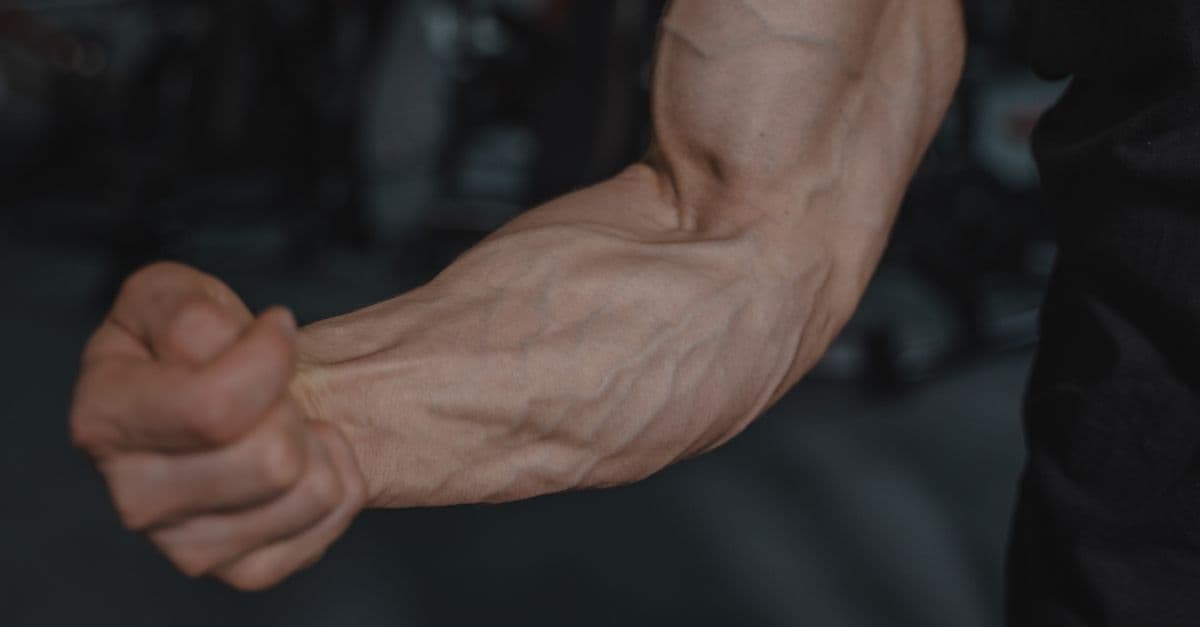
Photo: Tima Miroshnichenko / Pexels
You are asleep, perfectly relaxed, when your calf suddenly seizes into a rock-hard knot of pain and you are hopping around the bedroom at 3 a.m. trying to stretch it out. Or you are 30 kilometers into a marathon when your hamstring locks mid-stride. Muscle cramps — sudden, involuntary, painful contractions — touch nearly everyone at some point. What causes them has been one of sports medicine's most stubborn debates, and the textbook answer taught for decades turns out to be mostly wrong.
What a Cramp Actually Is
A skeletal muscle cramp is a sudden, involuntary, sustained contraction of a muscle or muscle group, usually accompanied by sharp pain and a visibly hard, knotted muscle belly. Electromyography (EMG) studies — which record the electrical activity of firing muscle fibers — show that during a cramp, motor units fire at rates far above what voluntary effort ever produces, often 150 hertz or higher versus the 10–50 hertz typical of a normal maximal contraction. Most episodes last seconds to a few minutes, though severe ones can leave a muscle sore and tender for a day or two afterward.
The calf, hamstring, and quadriceps are the classic locations, though foot, hand, and even abdominal cramps happen. Doctors distinguish a true cramp from other muscle events it is often confused with: a spasm is any involuntary contraction (cramps are one type of spasm), a contracture is a sustained shortening without the electrical activity of a cramp (as seen in some metabolic myopathies), and dystonia involves sustained, patterned contractions driven by problems in brain circuits rather than the spinal reflex loop responsible for ordinary cramps.
Cramps are most often idiopathic, meaning clinicians cannot pinpoint an exact trigger in an individual case. Two broad categories dominate the research literature: exercise-associated muscle cramps (EAMC) in athletes and laborers, and nocturnal leg cramps, which climb sharply with age and are common enough that a 2017 study published in PLOS ONE found roughly 37% prevalence in a general adult population sample, rising past 50% in adults over 80 (Hawke et al., PLOS ONE, 2017). A separate case-control study in adults over 60 found cramp rates of 46–56% depending on how "cramp" was defined (Yeh et al., 2020, published via PMC).
The Old Story: Dehydration and Electrolytes
For decades, sports medicine taught a clean, intuitive explanation: heavy sweating depletes sodium, potassium, magnesium, and calcium; low electrolytes destabilize muscle cell membranes; the muscle fires uncontrollably and cramps. It is a tidy story, has obvious face validity — you sweat, you lose salt, you cramp — and it justified an entire industry of sports drinks.
The trouble is that when researchers actually went looking for the electrolyte signature in athletes who cramp, they largely couldn't find it.
Martin Schwellnus, a sports physician based in South Africa, ran a series of field studies on ultramarathoners, triathletes, and marathon runners comparing blood electrolyte levels and hydration markers between athletes who cramped during a race and those who did not — same event, same weather, same course. In his widely cited 2008–2009 work published in the British Journal of Sports Medicine, there was no significant difference in serum sodium, potassium, calcium, or magnesium between the two groups. Athletes who cramped were not measurably more dehydrated and were not more electrolyte-depleted than the athletes standing right next to them who finished cramp-free (Schwellnus et al., British Journal of Sports Medicine, 43(6), 2009, 401–408).
This finding has been reproduced across multiple race distances. A large descriptive study of over 71,000 race entrants across half-marathon, marathon, and ultramarathon distances (the SAFER series of studies out of South Africa) found that the lifetime prevalence of EAMC rises with race distance — about 8.5% in half-marathoners versus roughly 20% in 56-kilometer ultramarathon entrants — a pattern that tracks much better with cumulative muscular fatigue than with sweat loss, since longer races do not necessarily mean proportionally worse dehydration in well-fueled athletes.
None of this means electrolytes are irrelevant. True hyponatremia (dangerously low blood sodium from overhydrating with plain water during endurance events) is a real and occasionally fatal medical emergency, and it can cause cramping alongside confusion and swelling. But the everyday "I cramped because I sweated out my salt" story that most recreational athletes believe does not hold up against the data.
The New Story: Altered Neuromuscular Control
The dominant modern theory, championed by Schwellnus and supported by EMG studies going back to work by Bertolasi and colleagues in the 1990s, is altered neuromuscular control, sometimes called neuromuscular hyperexcitability. Think of it less like a chemistry problem in the muscle tissue and more like a feedback loop in the wiring that malfunctions.
Every muscle has two competing sensors reporting to the spinal cord. Muscle spindles, embedded within the muscle fibers themselves, detect stretch and, when triggered, send signals (via Ia afferent neurons) that excite the alpha motor neurons controlling that same muscle — this is the reflex behind the classic knee-jerk test. Golgi tendon organs, sitting at the junction between muscle and tendon, detect tension and do the opposite: they send inhibitory signals that calm the alpha motor neurons down, acting as a natural safety brake against over-contraction.
The proposed chain of events in a cramp runs like this:
- Muscle fatigue builds during prolonged or repetitive exercise — or, at night, a muscle sits in a shortened position for hours (calf muscles shortened by pointed toes under tucked bedding, for instance).
- Fatigue and sustained shortening increase the firing rate of the excitatory muscle spindle afferents.
- At the same time, inhibitory feedback from the Golgi tendon organs weakens.
- The balance between "go" and "stop" signals tips sharply toward "go": alpha motor neurons in the spinal cord fire excessively.
- The resulting contraction itself further shortens the muscle, which can further excite the spindles, creating a positive-feedback loop that sustains the cramp until something interrupts it.
Crucially, this circuit lives largely in the spinal cord, not in the muscle tissue itself, which is why the standard membrane-instability, electrolyte-driven explanation increasingly looks incomplete. It also explains a detail that used to be a footnote: cramps can sometimes be triggered by stimulating a nerve electrically, at a site far from the cramping muscle, which would make no sense if the problem were purely local muscle chemistry.
Why does stretching stop a cramp?
Stretching loads the tendon and activates the Golgi tendon organ, which sends a strong inhibitory signal back to the alpha motor neurons driving the contraction. That inhibition interrupts the positive-feedback loop that is keeping the muscle locked, which is why a hard, sustained stretch — pulling the toes toward the shin for a calf cramp, for example — tends to break a cramp within seconds, faster than any chemical or hydration-based intervention could plausibly act.
Why Pickle Juice Works (and It's Not the Salt)
Athletes have sworn by pickle juice and yellow mustard for generations, usually explained away as "salt replacement." Then researchers actually timed it: in controlled studies, drinking a small volume of pickle juice relieves an induced cramp in around 85 seconds — far too fast for sodium to be digested, absorbed into the bloodstream, and redistributed to the cramping muscle (Miller et al., Medicine & Science in Sports & Exercise, 42(5), 2010, 953–961). If it were a hydration or electrolyte fix, it would take many minutes to hours, not the length of one elevator ride.
Rod MacKinnon, a Nobel Prize-winning neuroscientist known for his structural work on ion channels, experienced severe kayaking-related cramps himself and went on to co-develop a commercial anti-cramp shot called HotShot built around this alternative mechanism. The working hypothesis, backed by subsequent lab research: intensely flavored substances like vinegar, capsaicin (the compound in chili peppers), ginger, and mustard oil activate TRPV1 and TRPA1 receptors, sensory ion channels lining the mouth, throat, and esophagus that normally respond to heat, cold, or chemical irritants. Activating a dense field of these receptors sends a flood of sensory input up through the brainstem and spinal cord that appears to disrupt or "reset" the overactive motor circuit driving the cramp, essentially out-shouting the faulty signal.
It is the same underlying logic as scratching an itch or rubbing a stubbed toe: overwhelming peripheral sensory input can modulate a reflex loop happening elsewhere in the nervous system, a phenomenon neuroscientists sometimes describe using gate control concepts originally developed for pain.
Does the taste matter, or just the burn?
The evidence points to the sensory intensity mattering more than any specific flavor. Vinegar (sour/acidic), mustard (pungent), ginger, and cinnamon have all shown some anti-cramp effect in small trials, which is consistent with a shared TRPV1/TRPA1 activation pathway rather than one magic ingredient. Plain water of the same volume and temperature does not produce the same rapid relief, which is part of the evidence against a simple "swallowing something wet" explanation.
Treatments, Ranked by Evidence
| Intervention | Evidence Level | Mechanism | Best For |
|---|---|---|---|
| Static stretching | Strong | Activates Golgi tendon organs, breaks the reflex loop | Acute cramp in any setting |
| Pickle juice / mustard / vinegar | Moderate | TRPV1/TRPA1 oral receptors disrupt spinal reflex | Exercise-associated cramps |
| Hydration with electrolytes | Mixed | Helps if genuinely dehydrated or hyponatremic; not reliably preventive otherwise | Long endurance events in heat |
| Magnesium supplementation | Weak for adults (Cochrane: no significant benefit); modest support in pregnancy | Proposed membrane stabilization and nerve excitability effects | Pregnancy-associated cramps |
| Quinine | Strong effect, but unsafe | Reduces motor end-plate excitability | Not recommended — FDA warns against off-label use |
| Massage and heat | Weak | Local relaxation, increased blood flow | Comfort and post-cramp soreness |
| Conditioning / progressive training | Strong (prevention) | Raises the fatigue threshold at a given exercise intensity | Athletes prone to recurrent EAMC |
| Compression garments | Weak/inconsistent | Proposed local circulation and proprioceptive effects | Unclear; more useful for recovery than prevention |
| Reviewing current medications | Situational but often high-yield | Removes or adjusts a drug-induced trigger | Anyone on statins, diuretics, or beta-agonists with new cramps |
Table: Common muscle cramp interventions ranked by strength of supporting evidence, based on Schwellnus et al. (2009), Miller et al. (2010), Garrison et al. (2020, Cochrane), and the FDA's 2010 quinine safety communication.
Quinine is the field's cautionary tale. It genuinely works — it reduces the excitability of the neuromuscular junction, the site where a motor neuron signals a muscle fiber to contract — but the FDA issued a formal drug safety communication in 2010 warning against its off-label use for leg cramps because of serious risks, including thrombocytopenia (a dangerous drop in platelet count) and, rarely, fatal cardiac arrhythmias. A treatment that works is not automatically a treatment worth using; that gap between efficacy and safety is exactly why the FDA restricted it to malaria treatment rather than leaving it as an over-the-counter cramp remedy.
The Muscle Fatigue Piece: What's Actually Happening at the Fiber Level
Neural control explains why the motor neuron fires too much, but fatigue is the trigger that tips the spindle-versus-Golgi-tendon-organ balance in the first place, so it is worth understanding what fatigue actually does to a working muscle.
During sustained or repeated contraction, muscle fibers accumulate metabolic byproducts, including inorganic phosphate and hydrogen ions, that interfere with the calcium-handling machinery responsible for triggering and releasing each contraction. At the same time, repeated firing changes how sensitive the muscle spindle is to stretch. Researchers studying EAMC have proposed that fatigue-related changes in spindle sensitivity, rather than any single metabolite crossing some fixed threshold, best explain why cramps cluster late in races, late in long sets of repetitive labor, and in muscles that cross two joints (the calf and hamstring, both notorious cramp sites, each act on two joints and are mechanically prone to sustained shortened positions).
This is also why cramp risk tracks with prior cramp history, unaccustomed exercise intensity, and unfamiliar duration more reliably than it tracks with how much someone sweated. An athlete who suddenly runs a much longer distance or a much faster pace than their training has prepared them for is at meaningfully higher risk, independent of the weather.
When Cramps Mean Something Worse
Most cramps are benign, brief, and self-limited. But certain patterns are worth bringing to a doctor rather than dismissing:
- Cramps with muscle weakness, visible twitching (fasciculations), or muscle wasting can signal a motor neuron disease such as ALS (amyotrophic lateral sclerosis), or a peripheral neuropathy affecting the nerves that supply the muscle.
- Cramps that begin shortly after starting a new medication. Statins (cholesterol-lowering drugs), loop and thiazide diuretics, and long-acting beta-agonists (used in some asthma and COPD inhalers) are among the most commonly implicated drug classes.
- Dialysis-associated cramps. These are common in patients undergoing hemodialysis, driven largely by rapid fluid and electrolyte shifts during treatment; clinical reviews report cramps affecting a substantial minority of hemodialysis sessions, prompting dialysis units to adjust fluid removal rates as a mitigation strategy.
- Pregnancy-related cramps, especially common in the third trimester. This is one of the few settings where magnesium supplementation has modest supporting evidence, while calcium supplementation does not show the same benefit.
- Heat cramps accompanied by confusion, fainting, or collapse can indicate exertional heat illness or hyponatremia and should be treated as a medical situation, not something to stretch out and walk off.
- Cramps that last more than ten minutes, leave lingering weakness, or recur many times a night for weeks deserve a clinical workup rather than continued self-treatment.
Are muscle cramps a symptom of low potassium or magnesium deficiency?
Occasionally, yes — severe potassium or magnesium deficiency, usually from a medical condition, extreme diet, or diuretic use, can cause cramping alongside other symptoms. But in the much more common everyday case, ordinary athletes or older adults with occasional cramps rarely show measurable electrolyte deficiency on bloodwork, which is why routine electrolyte supplementation is not a reliable fix for most people's cramps.
Why Older Adults Get Nocturnal Cramps
Nocturnal leg cramps become dramatically more common with age. A 2017 population survey published in PLOS ONE found overall prevalence around 37%, climbing to roughly 54% in adults over 80 (Hawke et al., 2017). A separate case-control study of adults over 60 reported cramp rates in the 46–56% range depending on the diagnostic definition used.
Several contributors are suspected, and unlike EAMC in young athletes, aging-related cramps likely involve a combination of factors rather than one dominant mechanism:
- Reduced motor neuron pool size and slower nerve conduction velocity, both normal consequences of aging nervous tissue, which may make the spinal control loop less stable.
- Calf shortening from prolonged sitting, which changes resting muscle length and spindle baseline activity.
- Common medications, including statins, loop diuretics, and long-acting beta-agonists, which appear disproportionately often in the medication lists of people with frequent nocturnal cramps.
- Venous insufficiency, a circulatory condition common in older adults that some clinicians link to cramp frequency, though the mechanism is less firmly established than the neural explanations above.
- Sleep posture. Sleeping with the feet held in plantar flexion (toes pointed, as tucked-in bedding often forces) keeps the calf in a shortened position for hours, a setup that mirrors the fatigue-and-shortening trigger seen in exercise-associated cramps. Loosening bedclothes at the foot of the bed, or sleeping with a pillow propped against the footboard to keep toes neutral, is a simple, low-risk intervention many clinical reviews recommend before reaching for supplements.
Common Confusions and What People Get Wrong
"I cramp because I don't drink enough water." This is the most persistent myth in the field, and it is understandable — dehydration is a real medical phenomenon and cramping is a real symptom of severe cases, so the two got linked in popular understanding. But for the everyday cramp during a run, a workout, or an ordinary night's sleep, the controlled field research consistently fails to find the hydration signature that this theory predicts. Treating chronic cramping by drinking more water alone, without addressing training load, medications, or sleep posture, is one of the most common reasons people stay frustrated for months.
"Cramps and restless leg syndrome (RLS) are the same thing." They are not, and confusing them delays proper treatment. A cramp is a sudden, painful, sustained contraction with a hard, palpable muscle. RLS is an uncomfortable urge to move the legs, typically without a hard, visibly contracted muscle, that worsens at rest and improves with movement, and it is treated with an entirely different set of medications targeting dopamine pathways rather than neuromuscular control.
"Bananas prevent cramps because of potassium." Potassium is an appealing story because bananas are marketed on it, but the electrolyte research above applies just as much to potassium as to sodium: field studies comparing cramping and non-cramping athletes in the same race have not reliably found lower potassium in the group that cramped. Bananas are a fine pre-exercise snack for carbohydrate energy, but the specific cramp-prevention claim rests on weaker evidence than most people assume.
"If a supplement or remedy works, it must have been the ingredient I think it was." The pickle juice case is the clearest illustration of why this reasoning fails. People correctly noticed that pickle juice relieved their cramps, and incorrectly attributed that to its sodium content because sodium was the dominant cultural explanation at the time. The actual mechanism, oral sensory receptor activation disrupting a spinal reflex, was uncovered only once researchers timed the effect and found it was too fast to be a hydration or electrolyte process.
"Cramps only happen during exercise or at night." Cramps can occur in other contexts too, including sustained awkward postures (writer's cramp, from prolonged fine motor use of hand muscles), pregnancy, and as a side effect of several medication classes even without exercise or sleep involved. The underlying neuromuscular mechanism appears to generalize across these settings, even though the trigger differs.
Frequently Asked Questions
Q: Is dehydration really not the main cause of muscle cramps? A: For exercise-associated cramps, modern field studies (Schwellnus and others) show hydration and electrolyte status do not reliably differ between athletes who cramp and those who don't in the same race. Severe dehydration or hyponatremia can contribute in extreme endurance events, but it is not the everyday explanation it was once thought to be.
Q: Does pickle juice work, and how fast? A: Yes. Controlled studies show relief within about 85 seconds, far too quickly for sodium absorption to be the mechanism. The likely explanation is oral TRPV1/TRPA1 receptor activation that disrupts the spinal reflex driving the cramp, the same receptor family activated by capsaicin and mustard oil.
Q: Should I take magnesium for muscle cramps? A: Evidence is weak for adults with ordinary idiopathic cramps. A Cochrane systematic review (Garrison et al., 2020) found no significant benefit over placebo. The exception is pregnancy-related cramps, where magnesium supplementation has modest supporting evidence, unlike calcium, which does not show the same benefit.
Q: Why do cramps happen at night? A: Sleeping for hours with the calf shortened, toes pointed under tucked bedding, appears to raise muscle spindle activity relative to the inhibitory Golgi tendon organ signal, tipping the same neural balance implicated in exercise cramps. Stretching calves before bed and keeping bedclothes loose at the feet both help in clinical recommendations.
Q: How do I stop a cramp immediately? A: Stretch the affected muscle firmly and hold the stretch. For a calf cramp, pull the toes toward the shin. For a hamstring cramp, straighten the leg and lean forward at the hip. This loads the Golgi tendon organ, which sends an inhibitory signal to the alpha motor neurons driving the cramp, typically breaking the contraction within seconds to a minute.
Q: Can muscle cramps be a sign of something serious? A: Sometimes. Persistent or progressive cramps alongside weakness, visible twitching, or muscle wasting can indicate motor neuron disease, peripheral neuropathy, or a thyroid disorder. New cramps shortly after starting a statin, diuretic, or beta-agonist are also worth flagging to a doctor, since a medication adjustment often resolves them.
Q: What percentage of runners get cramps during a marathon? A: Reported rates vary by study and definition, but exercise-associated muscle cramps affect roughly 18% of marathon entrants during a given race, with lifetime prevalence rising in longer events, from about 8.5% in half-marathon runners to around 20% in 56-kilometer ultramarathon entrants in large cross-sectional studies.
Q: Are muscle cramps and muscle spasms the same thing? A: A cramp is one specific type of spasm: sudden, involuntary, sustained, and painful, with distinctive high-frequency electrical activity on EMG recordings. "Spasm" is a broader umbrella term that also covers milder or less painful involuntary contractions, so all cramps are spasms, but not all spasms are cramps.
Q: Can medications cause muscle cramps? A: Yes. Statins, loop and thiazide diuretics, and long-acting beta-agonists used in some inhalers are the most commonly implicated drug classes in clinical reviews of new-onset cramping. If cramps start soon after a new prescription, it is worth discussing with the prescribing doctor rather than assuming it is unrelated.
Q: Why don't cramps respond well to drinking water in the moment? A: Because the cramp is driven by an overactive spinal reflex loop, not by an immediate lack of fluid in the muscle. Even in a genuinely dehydrated person, water would need time to be absorbed and distributed, which does not match how quickly interventions like stretching or pickle juice work.
The takeaway
The idea that cramps come from dehydration and salt loss survived for decades mostly because it was intuitive, not because the evidence supported it. Repeated field studies comparing athletes who cramp to those who don't, in the same race and same conditions, keep failing to find the electrolyte signature that theory predicts. What the evidence does support is a spinal reflex gone haywire: fatigue and sustained shortening tip the balance between excitatory muscle spindles and inhibitory Golgi tendon organs, and the alpha motor neuron fires until something, usually a hard stretch or a jolt of oral sensory input from something like pickle juice, breaks the loop. Most cramps are a nuisance to manage with stretching and smarter training load. The ones worth a doctor's visit are the ones that come with weakness, start right after a new medication, or refuse to let go.
Read next:
- Muscle cramp science: nerves, fatigue, and electrolytes
- Why muscles shake during hard exercise
- How sleep shapes emotional memory
Sources
- Schwellnus, M.P., et al. (2009). "Cause of exercise associated muscle cramps (EAMC) — altered neuromuscular control, dehydration or electrolyte depletion?" British Journal of Sports Medicine 43(6): 401–408.
- Miller, K.C., et al. (2010). "Reflex inhibition of electrically induced muscle cramps in hypohydrated humans." Medicine & Science in Sports & Exercise 42(5): 953–961.
- Garrison, S.R., et al. (2020). "Magnesium for skeletal muscle cramps." Cochrane Database of Systematic Reviews.
- FDA Drug Safety Communication: "New risk management plan and patient Medication Guide for Qualaquin (quinine sulfate)" (2010).
- Hawke, F., et al. (2017). "Nocturnal leg cramps: Prevalence and associations with demographics, sleep disturbance symptoms, medical conditions, and cardiometabolic risk factors." PLOS ONE 12(6): e0178465.
- Yeh, T.T., et al. (2020). "Association between physical activity and nocturnal leg cramps in patients over 60 years old: a case-control study." Published via PubMed Central.
- SAFER study series (South African field studies on race entrants). "Independent risk factors associated with a history of exercise associated muscle cramps." PMC.
- Bertolasi, L., et al. (1993). "The influence of muscular lengthening on cramps." Annals of Neurology 33(2): 176–180.
Follow new articles
Add SciHub101 to your feed reader to see new science and technology stories.
About the Author
SciHub101 is an independent science and technology publication founded and edited by Buğra Sözeri, a software engineer and app developer based in Türkiye. AI tools assist with drafting and research. Source documentation in the existing archive is uneven, and articles are being reviewed and corrected. The Editorial Team byline identifies editorial responsibility; it does not certify specialist or independent human review. Where we compare products, anything built by our own team is labelled as such — see the editorial guidelines and About page for how corrections and disclosures work.
Related Articles
Postprandial Sleepiness — Why Eating Makes Tired
Why do meals make you sleepy? The science of food coma — insulin, orexin neurons, the circadian dip, and the tryptophan myth.

Why Mosquitoes Bite Some People More — Science
Why do mosquitoes bite some people more? The science of skin acids, CO2, body heat, microbiome — and what actually repels them.

Muscle Cramp Science: Nerves, Fatigue, and Electrolytes
Muscle cramps involve nerves, fatigue, electrolytes, hydration, and local muscle control. Here is what actually causes sudden spasms.
Complete Biology Guide 2026 — How Life Works
The complete guide to biology in 2026: cells and genetics, evolution, the human body, neuroscience, disease, immune systems, and the future of genetic engineering.
How Do Fireflies Glow? The Science of Bioluminescence
Fireflies produce light through a chemical reaction called bioluminescence, where the protein luciferin is oxidized by the enzyme luciferase using oxygen and ATP to emit photons with nearly zero heat loss. The insect controls flash timing by regulating oxygen flow to its light organ, and each species produces a distinct flash pattern used for mating recognition. This same light-producing chemistry has become essential to modern biology, allowing researchers to track gene expression, detect ATP in tissue samples, and study cellular processes in real time.
Why Do Leaves Change Color? The Science of Autumn
Chlorophyll breaks down in autumn leaves, unmasking yellow and orange carotenoid pigments that were present all along. Meanwhile, trees synthesize new red and purple anthocyanins, while shorter days and cooler nights trigger senescence—a programmed shutdown that eventually leads the tree to seal off and drop each leaf at a specialized abscission layer. This cascade of biochemical events helps trees conserve resources for winter.