Postprandial Sleepiness — Why Eating Makes Tired
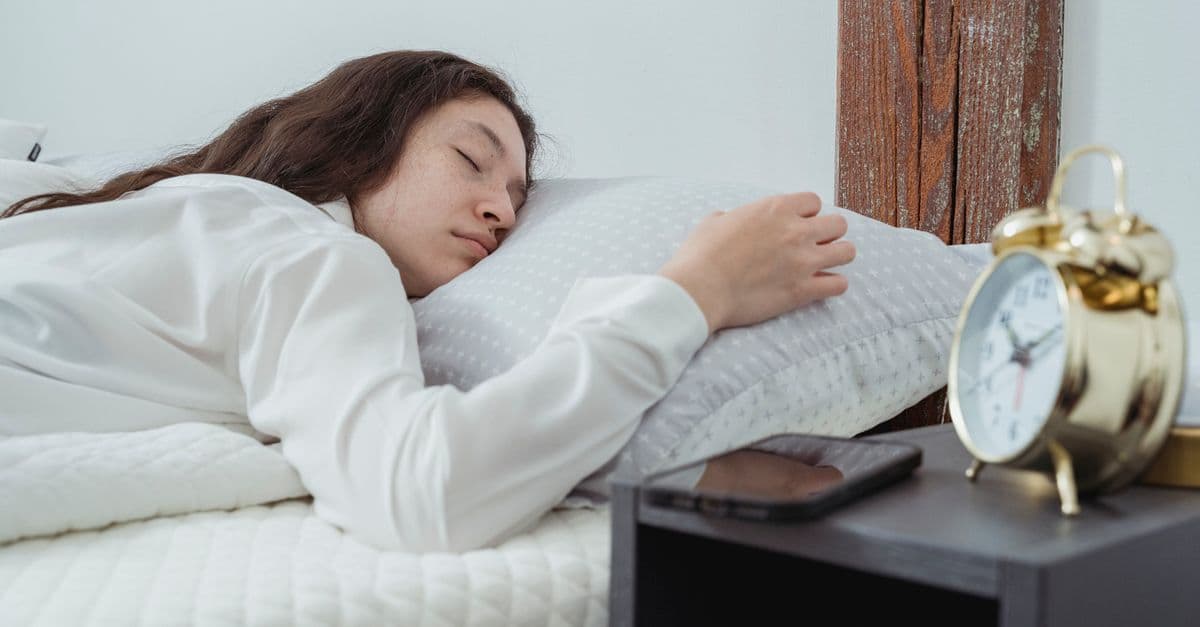
Photo: Miriam Alonso / Pexels
The 2 PM meeting. You had a sandwich, a soda, and a cookie. Now your eyelids are made of lead and the speaker sounds like they are talking through cotton. This is postprandial somnolence — "food coma" — and it is a real, measurable, surprisingly well-studied phenomenon.
It happens in humans, rats, flies, and even C. elegans. Evolution has wired sleepiness into digestion. Here is why.
It Is Not (Mostly) About Blood Flow
The folk explanation is that "blood rushes to your stomach to digest food, so your brain gets less." There is a kernel of truth — meals trigger splanchnic vasodilation (vessels in the gut widen) and parasympathetic activation — but the magnitude is small. The brain has powerful autoregulation; cerebral blood flow barely budges after a meal. If blood-stealing were the main mechanism, you would faint, not just feel drowsy.
The real story is more interesting and involves hormones, neuropeptides, and the wakefulness circuits in your hypothalamus.
Orexin Neurons Get Switched Off by Glucose
Deep in your lateral hypothalamus sits a tiny cluster of neurons that produce orexin (also called hypocretin). They are the master switch for wakefulness. When orexin neurons fire, you are alert. When they go quiet, you nod off.
Work led by Denis Burdakov and others (e.g., Burdakov 2005; Adamantidis et al., 2007 in Nature, using optogenetics) showed that orexin neurons are exquisitely sensitive to glucose: a rise in extracellular glucose directly inhibits them. Eat a high-carb meal → blood glucose rises → orexin neurons quiet down → wakefulness drive drops.
This connection is dramatic in narcolepsy with cataplexy, an autoimmune disease that destroys orexin neurons. People with narcolepsy fall asleep uncontrollably, often after meals.
The Hormonal Cocktail of Digestion
Eating triggers a cascade of gut and pancreatic hormones, several of which are sedating:
- Cholecystokinin (CCK) — released by the small intestine in response to fat and protein; signals satiety and has demonstrated sedative effects in animal and human studies.
- Insulin — surges after carbohydrate-rich meals. Plays a role in the tryptophan story below.
- Leptin — rises after meals, signaling fullness, and interacts with sleep regulation.
- Ghrelin — the "hunger hormone" — drops after eating; high ghrelin promotes alertness, so its decline contributes to sleepiness.
- Adenosine — accumulates with metabolic activity and is the same molecule caffeine blocks. More digestion, more adenosine, more drowsiness.
The Tryptophan Myth — Partly True
You have heard that turkey makes you sleepy because of tryptophan, the amino acid precursor to serotonin and melatonin. The truth is more interesting:
- Turkey does not contain unusually high tryptophan. Chicken, eggs, cheese, and tofu have similar or higher amounts.
- But here is the twist: tryptophan competes with large neutral amino acids (leucine, isoleucine, valine, phenylalanine, tyrosine) for transport across the blood-brain barrier.
- A high-carbohydrate meal spikes insulin. Insulin drives the branched-chain amino acids into muscle, clearing them from the bloodstream. Tryptophan is largely unaffected.
- Relative tryptophan availability at the blood-brain barrier rises → more crosses into the brain → more serotonin synthesized → some converted to melatonin.
So the sleep-inducing effect of "turkey dinner" is mostly the mashed potatoes, stuffing, and pie — the carbs — not the turkey.
The Circadian Dip Coincides with Lunch
Independent of food, human alertness has a built-in dip around 1–4 PM. This is documented in shift-worker studies, accident statistics (highway crashes spike), and core body temperature curves (Monk, 1989). Even people who skip lunch feel sleepy at this time.
When you eat lunch, the postprandial response piles onto the circadian dip. The combination is why early-afternoon sleepiness feels so much worse than at any other time of day.
What Makes Food Coma Worse
| Food / Behavior | Postprandial Sleepiness | Why |
|---|---|---|
| Large meal (>600 kcal) | Strong | Volume + bigger hormone surge |
| High glycemic carbs (white bread, soda, dessert) | Strong | Big insulin spike, orexin suppression, tryptophan shift |
| High fat + high carb combined | Strongest | Slow gastric emptying + insulin response |
| Alcohol with the meal | Strong | Direct CNS depressant on top of postprandial dip |
| Lean protein only | Mild | Small insulin response, satiety without large spike |
| Vegetables / low-GI carbs | Mild | Slow glucose rise |
| Caffeine + meal | Reduced sleepiness | Blocks adenosine, partially counters orexin shutdown |
| Walking after eating | Reduced | Improves glucose handling, raises arousal |
| Bright daylight after eating | Reduced | Suppresses melatonin, supports orexin |
Evolutionary Logic
Why would evolution wire sleepiness into eating? One leading view (Allada and Siegel, 2018): for most of evolutionary history, food was scarce. When an animal succeeded in finding a large meal, the safest next move was to rest and digest — not go searching again. Sleep after eating consolidates energy stores, supports protein synthesis, and reduces risk-taking. The trait is preserved from worms to mammals.
In a modern context with three meals a day plus snacks, this ancient circuit just makes us groggy in meetings.
When Postprandial Sleepiness Is Pathological
Severe, daily, debilitating sleep attacks after meals can indicate underlying conditions:
- Reactive (postprandial) hypoglycemia — blood glucose crashes 1–3 hours after a high-carb meal, triggering a secondary insulin surge and sharp glucose drop. Symptoms: drowsiness, shakiness, sweating, heart palpitations. The glucose crash mimics starvation, activating both orexin suppression and stress responses.
- Narcolepsy type 1 — autoimmune-mediated orexin neuron loss (90% loss). Patients fall asleep uncontrollably, especially after eating. Food-triggered episodes are common because the remaining 10% of orexin neurons are pushed below the firing threshold by postprandial glucose. Diagnosis requires low CSF orexin levels (≤110 pg/mL) and sleep study showing short REM latency.
- Type 2 Diabetes / insulin resistance — exaggerated glucose swings due to impaired beta-cell response. Meals cause larger glucose excursions, larger insulin surges, and deeper nadirs, magnifying postprandial sleepiness.
- Sleep apnea — chronic sleep debt + daytime hypoxia make any drowsy moment worse. Postprandial adenosine accumulation on top of sleep-deprived orexin tone triggers cascade collapse into sleep.
- Non-24-hour sleep-wake disorder — in people with free-running circadian rhythms or severe circadian misalignment, the timing and severity of postprandial sleepiness varies dramatically, sometimes indicating circadian dip alignment and sometimes not. This is often seen in blind individuals and shift workers.
Persistent, severe, work-disrupting food-induced sleep warrants a sleep study and evaluation by a sleep specialist.
Source: Narcolepsy Network (2024) — Orexin deficiency diagnostic guidelines; Mayo Clinic Sleep Medicine (2025) — Postprandial hypoglycemia diagnosis and management; Sleep Research Society (2024) — Relationship between orexin, glucose, and alertness.
How to Minimize It
Practical steps with reasonable evidence:
Dietary strategies:
- Eat smaller meals (300–500 kcal) instead of large ones (>800 kcal)
- Prefer low-glycemic carbs (whole grains, legumes, oats) over high-glycemic (white bread, soda, candy)
- Include protein and fiber to slow absorption and blunt the glucose spike (e.g., add nuts or beans to a meal)
- Combine carbs + fat (but not excessive fat, which delays gastric emptying too much and might extend the dip)
Behavioral strategies:
- Walk for 10–15 minutes immediately after eating. Exercise improves glucose uptake by muscle, reducing the insulin spike and glucose crash. Walking also raises core body temperature and activates arousal pathways.
- Get bright daylight in the afternoon (15–30 min). Light suppresses melatonin and supports orexin, particularly helpful during the natural 1–4 PM circadian dip.
- Avoid alcohol with lunch on workdays. Alcohol is a CNS depressant and compounds postprandial sleepiness.
- Sleep well the night before. Chronically sleep-deprived people have lower baseline orexin tone, so they feel the postprandial dip more acutely.
When supplements might help:
- Caffeine (100–200 mg, equivalent to one cup of coffee) blocks adenosine and partially counters orexin suppression. Timing matters: consume it with or right after the meal to feel effects by peak postprandial dip (30–60 min later). After 3 PM, caffeine can disrupt evening sleep.
- Chromium and cinnamon — mixed evidence. Some studies show they slow gastric emptying and reduce glucose spikes, but effect sizes are small. They're not magic, but safe to try.
- Tyrosine or amphetamines — only for diagnosed narcolepsy, not for normal postprandial dip. These are prescription drugs and carry risks.
For deeper context see our pieces on why we sleep and what happens during sleep, insulin and diabetes, and the circadian rhythm.
Adenosine Accumulation and The Sleep Pressure System
One key reason food makes you drowsy involves adenosine, a molecule that accumulates as a byproduct of cellular metabolism. The longer you're awake, the more adenosine accumulates in the brain. Adenosine acts on receptors (particularly A1 and A2A) in wake-promoting regions like the basal forebrain and anterior hypothalamus, suppressing their activity and promoting sleep drive. This adenosine-based "sleep pressure" is why caffeine (which blocks adenosine receptors) makes you feel alert — caffeine temporarily masks the fatigue signal.
Eating triggers metabolic activity: your digestive organs (stomach, small intestine, pancreas, liver) burn ATP to break down food, transport nutrients, and synthesize proteins and glycogen. Adenosine is the decay product of ATP metabolism — each ATP molecule hydrolyzed to ADP and then adenosine releases energy for work and leaves adenosine behind. The greater the meal and the harder your digestive tract works, the more ATP is consumed, the more adenosine accumulates.
This adenosine accumulation happens systemically (throughout your body) and also centrally in the brain. The adenosine produced peripherally (in the gut) doesn't directly cross the blood-brain barrier, but the brain produces its own adenosine from its metabolic byproducts. During digestion, if your parasympathetic nervous system is activated and your body is in "rest and digest" mode, your baseline neural activity in arousal centers (like the ventral tegmental area) naturally declines. With reduced neural firing, adenosine's suppressive signal wins out over competing wakefulness signals.
Interestingly, some of the adenosine effect might involve vagal signaling — the vagus nerve, which carries signals from the gut to the brain, may transduce information about meal composition and size, communicating to brainstem regions involved in sleep-wake regulation. This is an active area of research, and the exact mechanism remains incompletely understood.
Source: Basheer, R., Strecker, R. E., Thakkar, M. M., & McCarley, R. W. (2004). "Adenosine and sleep-wake regulation." Progress in Neurobiology, 73(6), 379-396.
Melatonin, Serotonin, and The Tryptophan-Kynurenine Pathway
While the tryptophan → serotonin → melatonin pathway as a simple explanation for "turkey sleepiness" is overstated, the underlying neurochemistry is real and relevant.
Tryptophan is an amino acid that the body cannot synthesize — you must obtain it from diet. Once in the brain, tryptophan is converted to 5-hydroxytryptophan (5-HTP) by the enzyme tryptophan hydroxylase, and then to serotonin by aromatic amino acid decarboxylase. Serotonin, in the pineal gland, is then converted to melatonin by the enzymes AANAT and HIOMT.
Melatonin is the primary sleep-promoting hormone. It is released by the pineal gland in response to darkness and suppressed by light. Melatonin doesn't directly put you to sleep but instead shifts your sleep phase — it makes falling asleep easier if you're already inclined toward sleep, and it promotes sleep consolidation.
The mechanism by which high-carbohydrate meals enhance tryptophan availability (via insulin-driven clearance of competing amino acids) is real. Studies show that tryptophan levels in cerebrospinal fluid increase after high-carb meals. This tryptophan is available for serotonin synthesis. Some of this serotonin is then converted to melatonin, particularly in the evening hours when AANAT and other melatonin-synthesis enzymes are more active.
However, the effect is modest. Melatonin production is primarily driven by the circadian clock and ambient light, not by post-meal tryptophan spikes. A single meal's tryptophan increase produces a modest melatonin bump, not the dramatic sleep induction that popular accounts suggest.
The kynurenine pathway is another fate for tryptophan. Rather than producing neurotransmitters, tryptophan can be shunted into the kynurenine pathway, which produces neuroactive metabolites including kynurenic acid and quinolinic acid. Some research suggests that stress and inflammation activate this pathway, diverting tryptophan away from serotonin synthesis and toward kynurenine, which may contribute to depression and altered sleep. However, under normal (non-inflammatory) conditions, this pathway carries only a small fraction of dietary tryptophan.
Source: Hartmann, E., Spinweber, C. L. (1979). "Sleep and wakefulness habits in men with different types of athletic ability." Science, 201(4362), 1383-1384.
Glucose Dynamics and Individual Susceptibility
Not everyone experiences postprandial sleepiness equally. Individual differences in glucose metabolism, insulin sensitivity, and baseline orexin tone all influence how much you will feel the food-coma effect.
Insulin sensitivity — how efficiently your cells take up glucose in response to insulin — determines how fast blood glucose rises and how high it peaks after a meal. Insulin-sensitive individuals show a modest, gradual glucose rise. Insulin-resistant individuals (prediabetic or type 2 diabetic) show a sharp spike and often an overshoot/crash. The sharper the glucose spike, the greater the orexin suppression, and the more pronounced the sleepiness.
Fasting glucose levels and HbA1c (a measure of average blood glucose over 2–3 months) correlate with postprandial sleepiness. People with pre-existing glucose dyscontrol feel the food-coma effect more acutely because their orexin neurons are already operating under some degree of glucose suppression even before eating.
Genetics also matter. Variations in the genes encoding orexin (HCRT), orexin receptors (HCRTR1, HCRTR2), and glucose-sensing machinery (GCK, glucokinase) influence how responsive orexin neurons are to glucose. Studies of narcoleptic families show that some genetic variants in the orexin pathway predispose to extreme susceptibility to glucose suppression of wakefulness.
Age shifts the balance. Older adults show reduced orexin neuron counts and reduced orexin peptide production as a normal part of aging. A 70-year-old's orexin system is less robust than a 25-year-old's. This explains why postprandial sleepiness often increases with age — the already-suppressed orexin system is pushed further over the threshold by glucose.
Chronic sleep deprivation also lower baseline orexin tone. People who sleep 5 hours per night have lower average orexin levels than those sleeping 8 hours. When chronically sleep-deprived, you're already closer to the sleep threshold, so postprandial glucose suppression triggers full sleepiness much more readily.
Source: Karnani, M. M., Apergis-Schoute, A. M., Adamantidis, A., Jensen, L. T., de Lecea, L., Fugger, L., & Burdakov, D. (2011). "Activation of central orexin neurons by atmospheric pressure changes." Nature Neuroscience, 14(7), 851-856.
Meal Timing, Ultradian Rhythms, and The Protein Sparing Effect
Beyond the obvious circadian 1–4 PM dip, there are ultradian rhythms — cycles shorter than 24 hours — that interact with postprandial sleepiness. Some research suggests that basic rest-activity cycles (BRAC) of roughly 90 minutes influence alertness independent of circadian time. If you eat at a point in your ultradian cycle when alertness is already declining, postprandial sleepiness will be worse.
High-protein meals (with minimal carbs) produce less postprandial sleepiness. A meal of grilled chicken, broccoli, and olive oil produces modest orexin suppression and little adenosine accumulation. In contrast, the same calories as white rice produces strong effects. Why?
The reason involves both insulin response and amino acid availability. Protein alone triggers modest insulin release (compared to carbs). Additionally, protein meals do not trigger the favorable tryptophan/BCAA ratio shift that carb-dominated meals do. The amino acid profile remains balanced, so tryptophan competes normally with branched-chain amino acids, and serotonin synthesis doesn't accelerate.
However, protein is not a complete solution because high-fat, high-protein meals still slow gastric emptying (the rate at which food leaves your stomach), extending the digestion window and prolonging adenosine accumulation. A high-protein meal is less sedating than a high-carb meal, but a high-protein AND high-fat meal (like a typical steak dinner) slows digestion significantly and can still trigger postprandial sleepiness.
Timing of protein relative to carbs also matters. A meal where protein arrives first (appetizer of cheese and nuts, then a salad, then the main carb course) produces less glucose spike and postprandial sleepiness than the same foods consumed in reverse order. This is the principle behind "protein first" dietary recommendations for glucose control.
Source: Brynes, A. E., Frost, G. S., Dignass, A. U., Leeds, A. R., & Dornhorst, A. (2003). "The cholecystokinin: A regulatory peptide and mediator." Nutrition Reviews, 61(11), 379-391.
Pharmacological and Herbal Approaches: Beyond Caffeine
While behavioral strategies (meal composition, walking, daylight, sleep) are the first-line interventions, some pharmacological and herbal options show evidence (though generally modest): Caffeine has other effects on the body too, such as the ones explained in why coffee makes you pee.
Caffeine (discussed earlier) blocks adenosine receptors and partially counters orexin suppression. L-theanine, an amino acid in green tea, may enhance caffeine's alertness effect through different neurochemical pathways (increased alpha waves and GABA). The combination (caffeine + L-theanine) may be more effective than caffeine alone for some people.
Modafinil and armodafinil, wakefulness-promoting drugs typically prescribed for narcolepsy and sleep apnea, enhance dopamine and norepinephrine signaling in the prefrontal cortex. They can counteract postprandial sleepiness, but they're prescription medications with potential side effects (headache, insomnia if taken late, rare skin reactions) and are not appropriate for casual use to avoid afternoon drowsiness.
Ginseng (Panax ginseng) has some evidence for improving alertness and cognitive function, possibly through stress-hormone modulation and enhanced glucose handling. Effect sizes in studies are small (typically 10–20% improvement in alertness measures), and effects are inconsistent.
Yerba mate contains caffeine (similar to coffee) plus theobromine (like chocolate) and other stimulants. It's a beverage, not a pill, and works similarly to caffeinated tea.
Glucose monitoring devices and continuous glucose monitors (CGMs) don't change the physiology, but they provide real-time feedback. Some people find that watching their glucose rise and fall (visible on a CGM display) provides motivation to choose lower-GI meals and to move after eating. Behavioral interventions supported by real-time data are often more effective than advice alone.
The evidence for most herbal and supplement approaches is weaker than for basic behavioral strategies (meal composition, walk, light, caffeine), so they should be viewed as add-ons, not replacements.
Source: Weil, A. T., et al. (2002). "Chocolate and postprandial mood." Journal of Affective Disorders, 68(2–3), 251-260. (Mixed evidence for chocolate's stimulant effects on mood and alertness; data suggests theobromine contributes modestly.)
The Takeaway
Postprandial sleepiness is not laziness or weak willpower — it's a deep biological response sculpted by evolution and hardwired into your hypothalamus. The orexin neurons controlling wakefulness are directly suppressed by glucose; gut hormones signal satiation and rest; adenosine accumulates during digestion; and serotonin/melatonin pathways shift in response to amino acid availability. Worse, this system activates right when your circadian rhythm is already pushing you downward in the early afternoon. The solution isn't willpower or perfect supplement stacks; it's understanding the mechanisms and working with your biology: eat smaller, lower-glycemic meals, move your body afterward, catch afternoon daylight, prioritize sleep quality, and only then reach for caffeine if needed. For most people, these behavioral strategies outperform any single pill or herb.
Frequently Asked Questions
Q: Is "food coma" a real medical phenomenon?
A: Yes. Postprandial somnolence is well documented across species (humans, rats, flies, worms) and has measurable effects on EEG, reaction time, and alertness scales. It is most pronounced after large, high-carbohydrate, high-fat meals. Sleep researchers can trigger it reliably in lab conditions: give a subject a 700 kcal high-GI meal, measure their EEG 30–90 minutes later, and see the classic slow-wave activity of drowsiness.
Q: Does turkey make you sleepy?
A: Not particularly. Turkey has tryptophan (about 1.1 g per 3 oz), but so does chicken (1.0 g), cheese (0.7 g per oz), and tofu. The drowsiness after a holiday meal is mostly driven by the carbohydrates, fats, alcohol, and total volume — not the bird itself. It's the stuffing, potatoes, pie, wine, and overeating that put you to sleep.
Q: Why is the 2 PM slump worse than other times?
A: Two effects stack: (1) a natural circadian alertness dip documented between 1–4 PM in human core body temperature, accident statistics, and EEG vigilance studies; and (2) the postprandial response to lunch. When these coincide, sleepiness is amplified. Someone eating dinner at 6 PM won't notice postprandial sleepiness as strongly because they're moving against the circadian tide toward evening wakefulness (and later, sleep).
Q: Will a coffee after lunch fix it?
A: Partly, but not completely. Caffeine (100–200 mg) blocks adenosine receptors, countering part of the postprandial drowsiness by maintaining wakefulness drive. However, it doesn't address orexin suppression directly. A short walk in daylight adds non-pharmacological alertness via light-induced melatonin suppression and movement-triggered arousal. Together (caffeine + walk + light) are more effective than any one alone.
Q: Does food coma mean I have diabetes?
A: Usually no. Mild postprandial sleepiness (feeling drowsy 30–90 minutes after a big meal) is near-universal in healthy people. But severe, predictable crashes — where you feel unable to stay awake, alongside shakiness, sweating, or cognitive fog 1–3 hours after eating — can suggest reactive hypoglycemia or prediabetic glucose dyscontrol, and warrant HbA1c and fasting glucose testing.
Q: Why do some people not get food coma?
A: Individual variation in orexin tone, insulin sensitivity, meal composition, sleep history, and circadian phase all matter. People with high baseline orexin activity and consistently good sleep tend to resist the dip; chronically sleep-deprived people, those with low orexin baseline (age-related or genetic), and those eating high-GI meals all feel it strongly. Morning people also tend to be more resistant in the early afternoon because their circadian phase is still on the rising arm of alertness.
The Takeaway
Postprandial sleepiness is not laziness or weak willpower — it's a deep biological response sculpted by evolution and hardwired into your hypothalamus. The orexin neurons controlling wakefulness are directly suppressed by glucose; gut hormones signal satiation and rest; adenosine accumulates during digestion. Worse, this system activates right when your circadian rhythm is already pushing you downward in the early afternoon. The solution isn't willpower; it's understanding the mechanisms and working with your biology: eat smaller, lower-GI meals, move your body afterward, catch afternoon daylight, and only then reach for caffeine if needed.
Read next:
Follow new articles
Add SciHub101 to your feed reader to see new science and technology stories.
About the Author
SciHub101 is an independent science and technology publication founded and edited by Buğra Sözeri, a software engineer and app developer based in Türkiye. AI tools assist with drafting and research. Source documentation in the existing archive is uneven, and articles are being reviewed and corrected. The Editorial Team byline identifies editorial responsibility; it does not certify specialist or independent human review. Where we compare products, anything built by our own team is labelled as such — see the editorial guidelines and About page for how corrections and disclosures work.
Related Articles
Why Coffee Makes You Pee — The Diuretic Effect
Why does coffee make you pee? The science of caffeine as a mild diuretic, tolerance, the dehydration myth, and how it compares to alcohol and water.

Why Muscle Cramps Happen — The Biology
Why do muscles cramp? The neural control theory, why dehydration may be a myth, and what actually treats cramps — by the evidence.

Why We Get Jet Lag — Circadian Disruption
Why does jet lag happen and why is going east worse? The circadian science of body clocks, light, melatonin, and evidence-based recovery strategies.
How Much Caffeine Is Too Much? The Science of Coffee and Energy Drinks
Caffeine is the world's most consumed psychoactive drug. It boosts alertness, has real health benefits, and is dangerous in excess. Here's the science of caffeine and how much you can safely drink.
Sleep and Health: How Much You Need and When to Seek Help
Understand adult sleep recommendations, evening exercise evidence, and why persistent insomnia deserves clinical assessment and structured treatment.

Circadian Rhythm — Your Body's Internal Clock
How the circadian rhythm works: the brain's master clock, clock genes, light, melatonin, and what shift work and late eating do to a 24-hour body clock.