Experiments
Eijkman's Chickens: How Beriberi Led to Vitamins
Christiaan Eijkman's chickens in Java developed beriberi on white rice and recovered on brown, starting the path to vitamin B1 and a 1929 Nobel Prize.
23 articles tagged with #nutrition
Christiaan Eijkman's chickens in Java developed beriberi on white rice and recovered on brown, starting the path to vitamin B1 and a 1929 Nobel Prize.

AI meal planning tools can generate personalized recipes, balance macronutrients, and organize grocery lists in minutes. However, they hallucinate ingredients, miss dietary restrictions without explicit reminders, and cannot replace licensed dietitians for medical nutrition therapy. This guide explains what these tools do well, their genuine limitations, and how to integrate them into a realistic workflow without treating them as medical advisors.

Why do meals make you sleepy? The science of food coma — insulin, orexin neurons, the circadian dip, and the tryptophan myth.
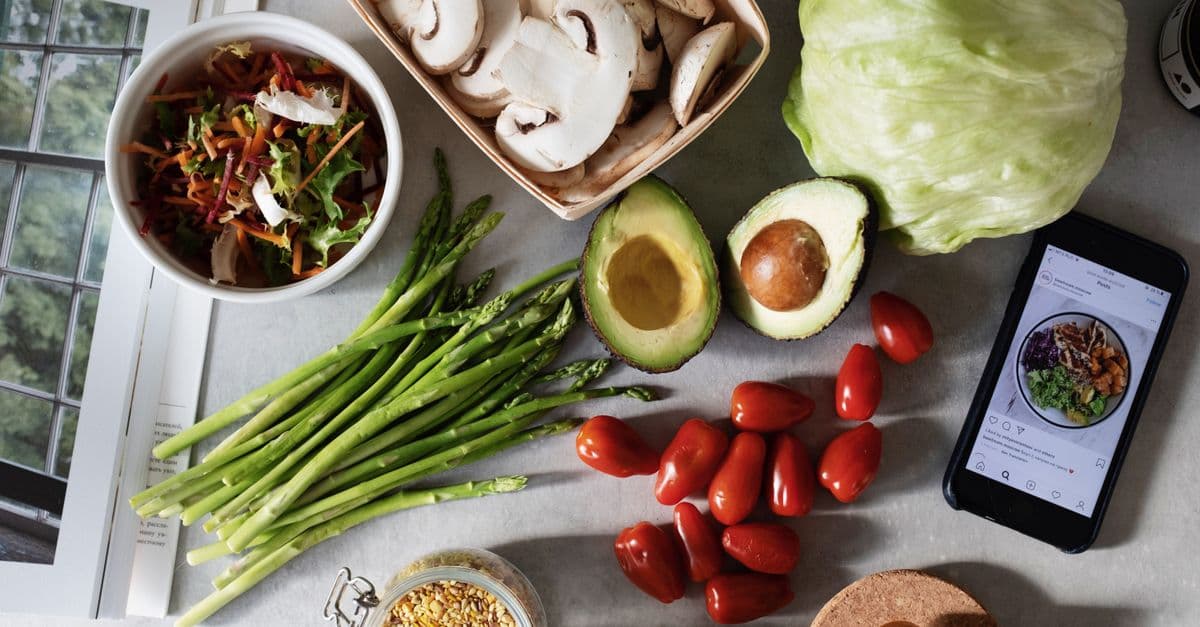
What proteins, carbohydrates, and fats actually do in the body, how many calories each delivers, and which diet approaches the evidence supports.
Not all sugars are equal. Glucose and fructose follow completely different metabolic pathways — and understanding the difference explains why the source of sugar in your diet matters as much as the amount.
Every bite you take embarks on a 30-foot journey through an assembly line of acids, enzymes, and bacteria that extracts energy and nutrients while discarding the rest — here's how it actually works.

Before refrigerators, salt and vinegar kept people alive. Today, a few molecules in the parts-per-million range prevent millions of cases of food poisoning a year. Here's how.

They both make you feel terrible after eating certain foods. But a food allergy and a food intolerance are different biological mechanisms, and confusing them can be dangerous.

You think you taste food with your tongue. You actually taste it with your brain, your nose, your memories, and genetic variants you were born with.
We eat them in milligrams or micrograms. But the difference between enough and not enough can mean the difference between health and serious disease.

Your gut contains roughly 38 trillion bacteria — about as many as you have human cells. They're not passengers. They're running processes you depend on.
Spicy food isn't a taste. It's pain. And yet millions of people actively seek it out. Here's the chemistry and neuroscience of why.