How Vitamins and Minerals Work in the Body
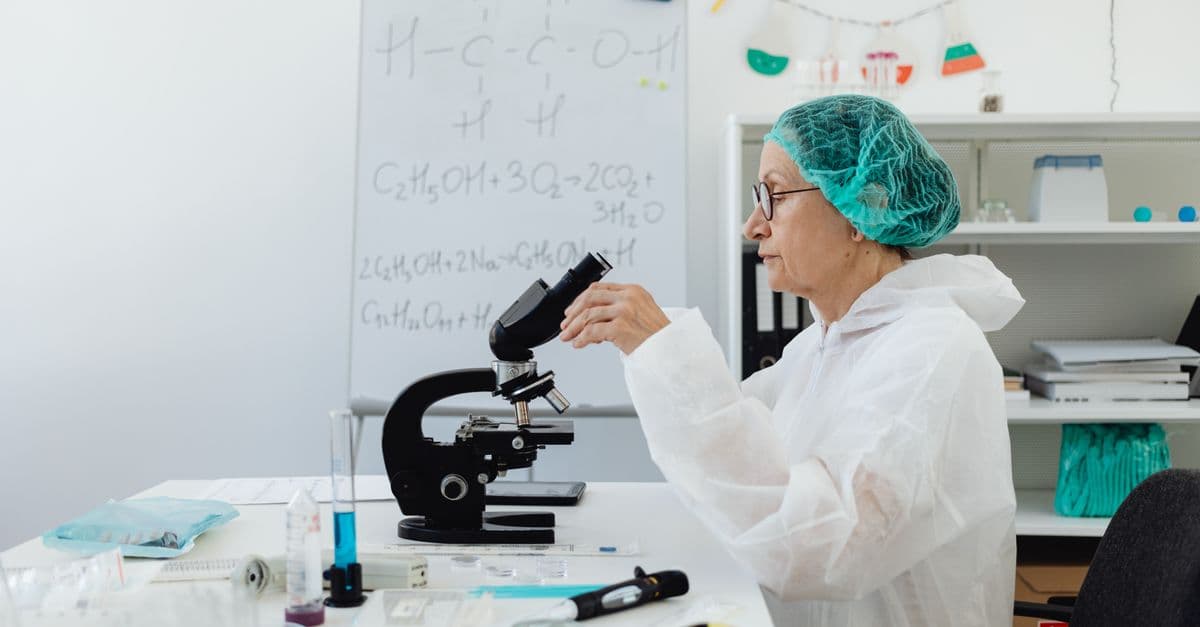
Photo: www.kaboompics.com / Pexels
Vitamins and minerals are not fuel — they provide essentially no calories. But they are essential catalysts, structural components, and signaling molecules that make virtually every metabolic process possible. Their discovery in the early 20th century solved some of history's most devastating mystery diseases. Understanding how they work explains both the genuine health consequences of deficiency and why the supplement industry is a great deal more complicated than it appears.
What Are Vitamins?
Vitamins are organic compounds (carbon-containing) that the body cannot synthesize in sufficient quantities and must obtain from food. The name comes from "vital amines" — a partially incorrect name given before their chemistry was fully understood. There are 13 recognized human vitamins, divided into two categories based on solubility, which determines how they're absorbed, stored, and excreted.
Fat-Soluble Vitamins (A, D, E, K)
Fat-soluble vitamins are absorbed with dietary fat in the small intestine and transported through the lymphatic system. They can be stored in adipose tissue and the liver, making both deficiency and toxicity possible — deficiency is slower to develop (stores must be depleted) but toxicity can accumulate with excess supplementation.
Vitamin A (retinol): Exists as preformed retinol (from animal sources) and provitamin A carotenoids like beta-carotene (from plants). Retinol is essential for vision (it's a component of rhodopsin, the light-sensing protein in rod photoreceptors), epithelial cell differentiation, and immune function. Deficiency causes night blindness and is a leading cause of preventable childhood blindness globally. Toxicity from preformed vitamin A (not beta-carotene, which the body converts only as needed) can cause liver damage, birth defects, and bone abnormalities.
Vitamin D (calciferol): Unlike other vitamins, vitamin D functions more like a hormone. It's synthesized in skin from 7-dehydrocholesterol when exposed to UVB radiation. Active vitamin D (calcitriol, produced by hydroxylation in the liver and kidneys) binds nuclear receptors in hundreds of cell types, regulating gene expression. Its best-established role is calcium and phosphorus absorption in the gut and bone mineralization. Deficiency causes rickets (in children) and osteomalacia (in adults) — bone softening from inadequate mineralization. Deficiency is epidemic in northern latitudes and populations with indoor lifestyles; estimated 40%+ of the US population has insufficient levels.
Vitamin E (tocopherol): A group of eight related fat-soluble antioxidants, with alpha-tocopherol being the most biologically active. Vitamin E's primary function is protecting cell membranes from lipid peroxidation — it donates electrons to neutralize free radicals, particularly in fatty acid chains. It works synergistically with selenium and vitamin C. Deficiency is rare in humans eating balanced diets but causes neurological damage and hemolytic anemia.
Vitamin K: Two primary forms: K1 (phylloquinone, from plants — especially leafy greens) and K2 (menaquinones, from fermented foods and animal products, also produced by gut bacteria). Vitamin K is essential for the gamma-carboxylation of certain proteins — including coagulation factors II, VII, IX, and X. Without vitamin K, these clotting factors don't function, and blood doesn't clot. It also carboxylates osteocalcin and matrix GLA protein, which regulate calcium deposition in bone vs. arteries. Emerging evidence suggests K2 specifically may play a role in cardiovascular calcification prevention.
Water-Soluble Vitamins (B vitamins and C)
Water-soluble vitamins dissolve in water, are absorbed directly into the bloodstream, and are generally not stored. Excess is excreted in urine, which reduces toxicity risk but means regular dietary intake is essential.
The B vitamins are a family of eight structurally unrelated compounds unified by their water solubility and roles as coenzymes — molecules that bind to enzymes and are essential for their function:
- B1 (thiamine): Coenzyme for pyruvate dehydrogenase, bridging glycolysis and the Krebs cycle. Deficiency causes beriberi (cardiovascular and neurological damage) and Wernicke's encephalopathy (in alcoholism). The brain is particularly dependent on thiamine because of its heavy glucose metabolism.
- B2 (riboflavin): Component of FAD and FMN, electron carriers in the electron transport chain. Deficiency causes angular cheilitis (cracked corners of the mouth), glossitis, and skin inflammation.
- B3 (niacin): Component of NAD+ and NADP+, the most fundamental electron carriers in cell metabolism. Deficiency causes pellagra ("the disease of the four D's": dermatitis, diarrhea, dementia, and death), which killed hundreds of thousands in the US South in the early 20th century before corn's poor niacin bioavailability was understood.
- B5 (pantothenic acid): Component of coenzyme A, essential for fatty acid synthesis and the Krebs cycle. Deficiency is extremely rare.
- B6 (pyridoxine): Coenzyme for amino acid metabolism and neurotransmitter synthesis (including serotonin, dopamine, and GABA). Deficiency causes peripheral neuropathy. High-dose supplementation can paradoxically cause sensory neuropathy.
- B7 (biotin): Coenzyme for carboxylase enzymes involved in fatty acid synthesis and gluconeogenesis. Deficiency causes hair loss and dermatitis; famously, raw egg whites contain avidin, which binds biotin and prevents absorption (cooking denatures avidin).
- B9 (folate): Essential for DNA synthesis, particularly the synthesis of purines and thymidylate. Deficiency during pregnancy causes neural tube defects (spina bifida, anencephaly), which is why folate fortification of grain products and supplementation before pregnancy is critical public health policy.
- B12 (cobalamin): A large, complex cobalt-containing molecule found only in animal products. Essential for myelin synthesis and DNA metabolism. Deficiency causes megaloblastic anemia and irreversible neurological damage. Absorption requires intrinsic factor, produced by the stomach; loss of intrinsic factor production (pernicious anemia) causes B12 deficiency even with adequate intake. Risk groups: vegans/vegetarians and elderly adults with reduced stomach acid.
Vitamin C (ascorbic acid): A potent water-soluble antioxidant and cofactor for collagen synthesis (specifically, it's required for hydroxylation of proline and lysine residues in collagen, which stabilize the triple helix structure). Deficiency causes scurvy — collagen breakdown leading to bleeding gums, joint pain, poor wound healing, and eventually death. It was the major cause of sailor mortality on long voyages before citrus was identified as a cure.
Minerals: Elements with Biological Roles
Minerals are inorganic elements divided into macrominerals (needed in gram quantities: calcium, phosphorus, magnesium, sodium, potassium, chloride, sulfur) and trace elements (needed in milligram or microgram quantities: iron, zinc, iodine, selenium, copper, manganese, fluoride, chromium, molybdenum).
Key functions include structural roles (calcium and phosphorus in bone/teeth), electrolyte function (sodium, potassium for nerve and muscle function), enzyme cofactors (zinc in over 300 enzymes; magnesium in over 600), and oxygen transport (iron in hemoglobin and myoglobin).
Iron deficiency is the most prevalent micronutrient deficiency globally, affecting roughly 2 billion people. Iodine deficiency causes hypothyroidism and, in severe cases during pregnancy, cretinism. Zinc deficiency impairs immune function, wound healing, and growth.
Supplements: When Evidence Supports Them
The supplement industry generates over $50 billion annually in the US, but most supplements provide negligible benefit to people who are not actually deficient. The evidence for key situations:
Well-supported: Folic acid in pregnancy (neural tube defect prevention), vitamin D for deficient individuals, vitamin B12 for vegans and the elderly, iron for documented iron-deficiency anemia, and iodine in iodine-deficient regions.
Mixed or lack support: Multivitamin supplementation in healthy individuals has not been shown to reduce mortality or chronic disease risk in large randomized controlled trials. High-dose antioxidant supplements (beta-carotene, vitamin E) have in some trials shown harm — notably, beta-carotene supplementation increased lung cancer risk in smokers.
Key takeaways
- Fat-soluble vitamins (A, D, E, K) are stored in the body and can accumulate to toxic levels; water-soluble vitamins are excreted and must be regularly replenished
- B vitamins function primarily as coenzyme precursors, enabling the metabolic reactions that extract energy from food
- Vitamin D functions as a hormone, regulating hundreds of genes; deficiency is widespread in modern indoor populations
- Folate before and during pregnancy is critical for neural tube development — this is one of the best-documented supplement recommendations
- Most supplement research shows little benefit for non-deficient healthy individuals; some high-dose antioxidant supplements have shown harm
- Global micronutrient deficiencies (iron, iodine, vitamin A) remain major public health problems, primarily in lower-income countries
FAQ
Can you get too much of a vitamin? Yes — particularly fat-soluble vitamins A and D, which accumulate in tissues. Vitamin A toxicity (hypervitaminosis A) can cause liver damage, bone loss, and birth defects. Vitamin D toxicity causes hypercalcemia. Water-soluble vitamins are generally safer because excess is excreted, but high-dose B6 can cause neuropathy.
Is it better to get nutrients from food or supplements? Whole foods contain vitamins in different forms, different ratios, and with co-factors that affect absorption and utilization. Food also contains fiber, phytochemicals, and other compounds not found in supplements. For people with adequate diets, food is generally more effective. Supplements are most valuable when food sources are genuinely unavailable or inadequate (e.g., B12 for vegans, D at northern latitudes).
Why is corn-dependent diet historically linked to pellagra? Corn is rich in niacin but it's bound in a form (niacytin) that's not bioavailable. Traditional Mesoamerican nixtamalization — treating corn with lime (calcium hydroxide) — releases the niacin. European and American populations who adopted corn without this technique developed pellagra. Indigenous corn-eating cultures did not, because they had the processing knowledge.
Do cooking methods destroy vitamins? Yes, variably. Water-soluble vitamins (especially C and B vitamins) leach into cooking water and are heat-sensitive. Vitamin C can lose 25–90% in boiling. Fat-soluble vitamins are more heat-stable. Steaming and microwaving generally preserve more vitamins than boiling. Fermentation and certain processing can actually increase bioavailability (as in nixtamalization).
Why do elderly people often need more B12? With age, stomach acid production decreases (atrophic gastritis), which is needed to release B12 from food proteins. Additionally, intrinsic factor production can decline. Supplemental B12 (or fortified foods) provides free B12 that doesn't require stomach acid for absorption, making it effectively available even when the natural extraction process is impaired.
Read next:
Follow new articles
Add SciHub101 to your feed reader to see new science and technology stories.
About the Author
SciHub101 is an independent science and technology publication founded and edited by Buğra Sözeri, a software engineer and app developer based in Türkiye. AI tools assist with drafting and research. Source documentation in the existing archive is uneven, and articles are being reviewed and corrected. The Editorial Team byline identifies editorial responsibility; it does not certify specialist or independent human review. Where we compare products, anything built by our own team is labelled as such — see the editorial guidelines and About page for how corrections and disclosures work.
Related Articles
How Water Works: The Unique Chemistry of H₂O
Water is the strangest common substance on Earth: it expands when it freezes, climbs up trees, and makes life possible through a single molecular quirk.

How Taste Works: The Five Basic Flavors Explained
You think you taste food with your tongue. You actually taste it with your brain, your nose, your memories, and genetic variants you were born with.
Sugar Science: How Glucose and Fructose Affect Your Body Differently
Not all sugars are equal. Glucose and fructose follow completely different metabolic pathways — and understanding the difference explains why the source of sugar in your diet matters as much as the amount.

How Digestion Works: From Mouth to Gut
Every bite you take embarks on a 30-foot journey through an assembly line of acids, enzymes, and bacteria that extracts energy and nutrients while discarding the rest — here's how it actually works.

How Preservatives Keep Food Safe: The Chemistry Explained
Before refrigerators, salt and vinegar kept people alive. Today, a few molecules in the parts-per-million range prevent millions of cases of food poisoning a year. Here's how.
Food Allergies vs. Food Intolerance: The Science Explained
They both make you feel terrible after eating certain foods. But a food allergy and a food intolerance are different biological mechanisms, and confusing them can be dangerous.