chemistry
62 articles tagged with #chemistry
Biology & Health
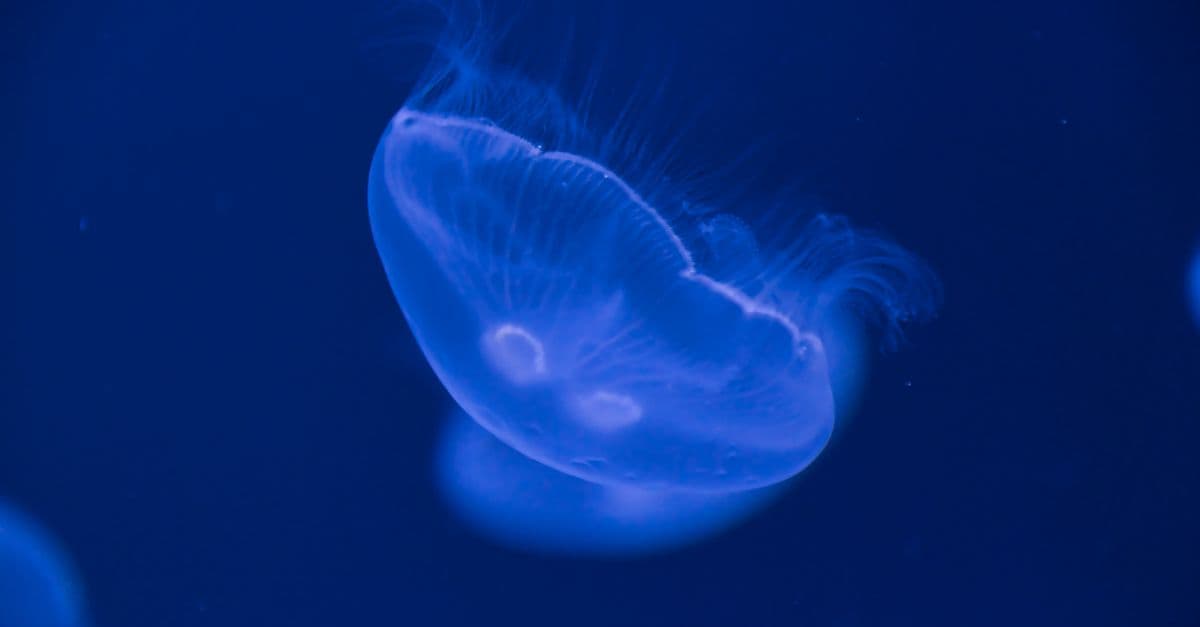
How Do Fireflies Glow? The Science of Bioluminescence
Fireflies produce light through a chemical reaction called bioluminescence, where the protein luciferin is oxidized by the enzyme luciferase using oxygen and ATP to emit photons with nearly zero heat loss. The insect controls flash timing by regulating oxygen flow to its light organ, and each species produces a distinct flash pattern used for mating recognition. This same light-producing chemistry has become essential to modern biology, allowing researchers to track gene expression, detect ATP in tissue samples, and study cellular processes in real time.
Biology & Health
Why Do Onions Make Us Cry? The Science of Tear Gas
An intact onion does nothing to your eyes. But cutting one releases enzymes that act on sulfur compounds, triggering a chemical cascade that produces syn-propanethial-S-oxide — a volatile gas that irritates your cornea and forces your eyes to water. The science behind this everyday kitchen reaction reveals how plants weaponize chemistry as a defense mechanism.
Science
Why Is the Ocean Salty? The Science of Sea Salt
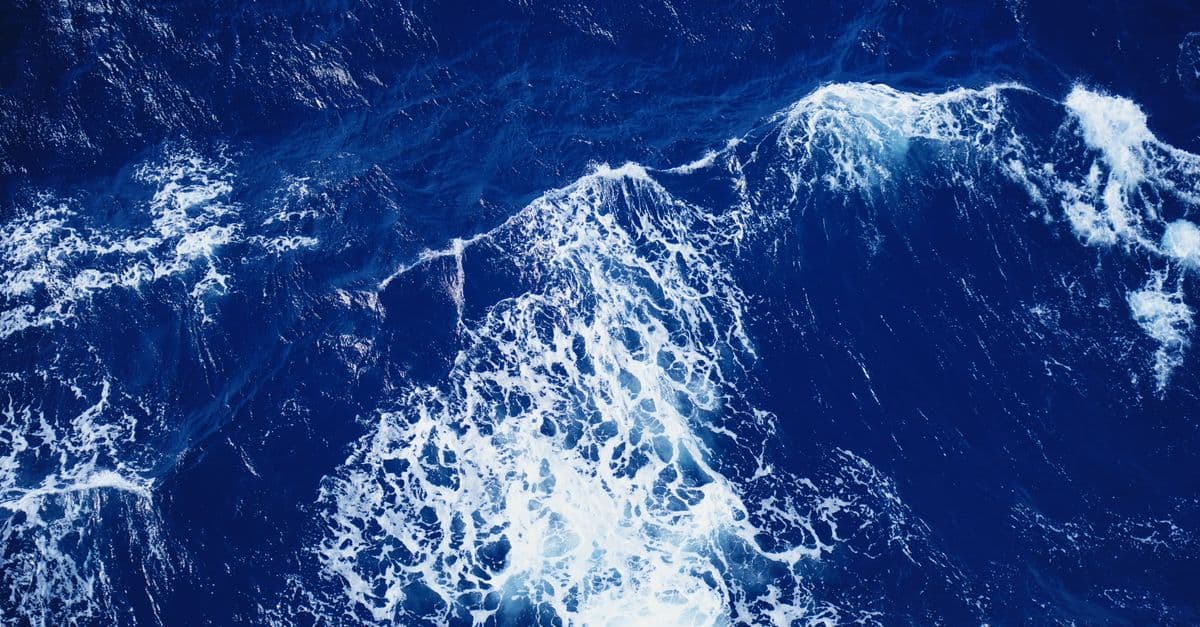
Ocean water is salty primarily because rain and rivers slowly weather rocks on land, dissolving ions like sodium and chloride and carrying them to the sea. When seawater evaporates, water leaves but salts remain and accumulate over geological time. Hydrothermal vents and volcanic activity add dissolved minerals. The ocean sits near steady state, with salt being removed about as fast as it arrives.

Sustainability
How Does Carbon Capture Work? The Chemistry of Removing CO₂
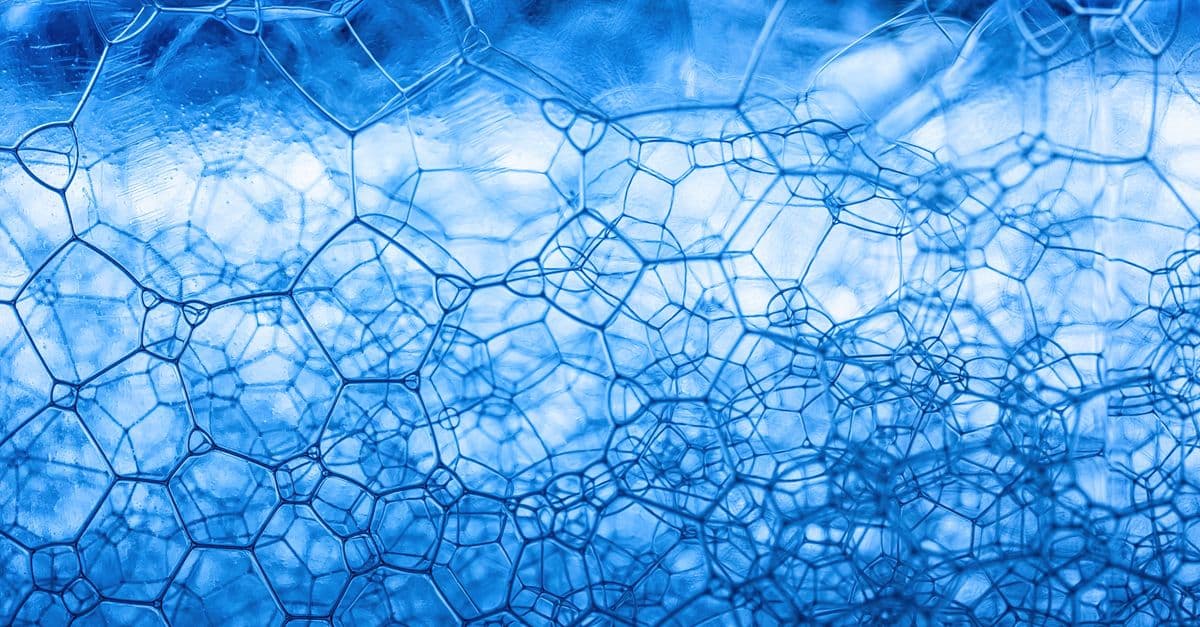
Carbon capture removes CO₂ by chemical absorption or adsorption. Here's the molecular machinery behind point-source and direct air capture, the energy cost that limits scale, and why the physics is harder than the marketing suggests.
Art
Why Colors Fade: The Chemistry of Pigments, Light, and Conservation
Van Gogh's sunflowers are turning brown. The culprit is not age but a photochemical reaction where ultraviolet light breaks chemical bonds, converting bright chrome yellow to invisible green—a process happening to artworks worldwide.

World Records
Rarest Elements and Materials on Earth: Astatine and Beyond
Astatine is usually called the rarest natural element, with estimates of its total presence in Earth's crust running from under one gram to about 28 grams at any moment. It is rare because it decays within hours, not because it formed in small amounts. Rarity has several distinct causes, from radioactive decay to planet formation to production cost, and each one reveals a different piece of nuclear physics and geochemistry.

Inventions
Artificial Fertilizer: The Invention That Feeds Half the World
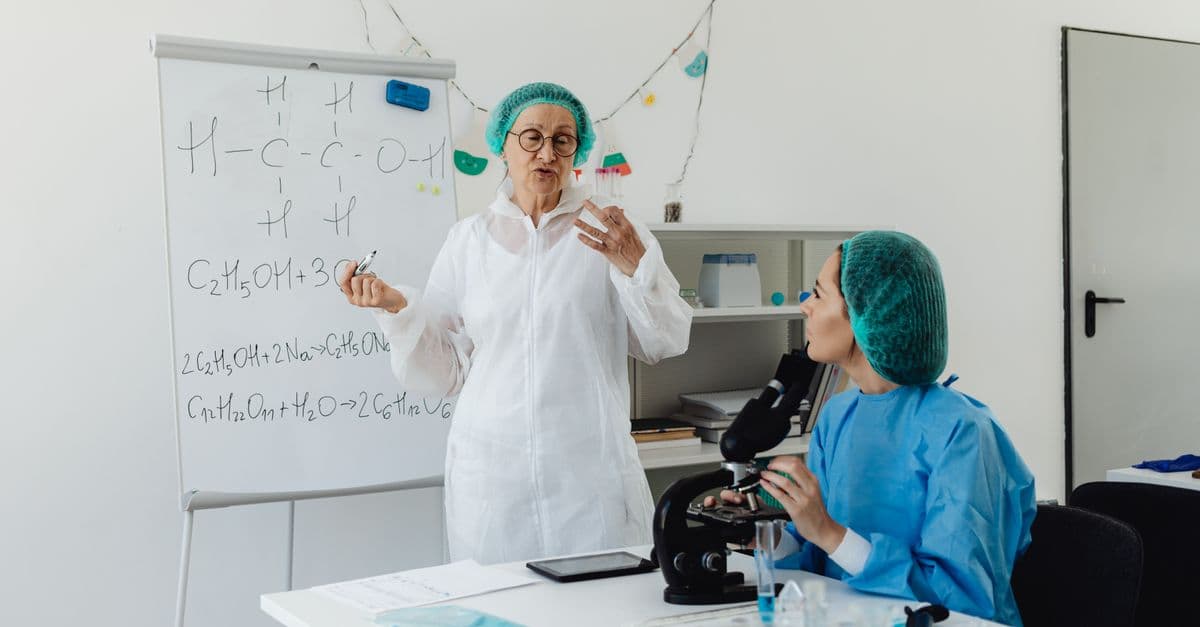
How Fritz Haber and Carl Bosch synthesized nitrogen from air in 1909–1913, feeding billions — and triggering an environmental crisis that still grows.
Scientists
Fritz Haber: The Chemist Who Fed Billions and Killed Thousands
Fritz Haber invented the Haber-Bosch process that feeds half the world — and directed Germany's chemical weapons program in WWI. His story has no clean ending.
Scientists
Robert Boyle: The Father of Chemistry Who Wrote Science Fiction and Refused to Be President — SciHub101
Robert Boyle established Boyle's Law, defined the chemical element, and wrote a remarkable wishlist of future inventions in 1662 that reads like a science fiction catalogue. A verified biography.
Page 1 of 6Next →