How Do Fireflies Glow? The Science of Bioluminescence
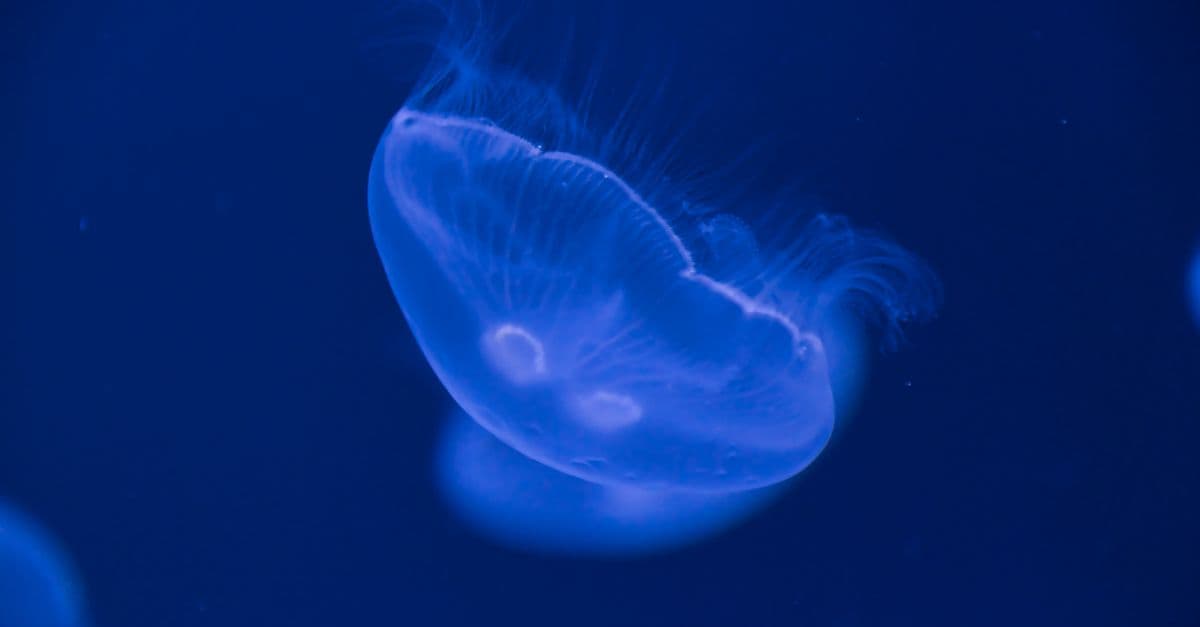
Photo: Philipp Kappler / Pexels
On warm summer evenings across North America, fireflies produce light displays so efficient that they lose less than 5% of their chemical energy to heat, while a 60-watt incandescent bulb wastes 90% of its energy as heat. This cold-light reaction happens inside a specialized light organ no bigger than a pea, and involves a reaction so remarkable that biologists have borrowed it to unlock mysteries of cell biology. The flash itself—a half-second wink in the darkness—is not a random by-product of digestion but a precisely timed mating signal, species-specific enough that a firefly female can distinguish her mate from dozens of competitors flashing simultaneously in the same field. Understanding how fireflies glow reveals one of nature's most elegant solutions to producing visible light without flame, and shows how chemistry, evolution, and behavior intertwine in ways that humans have learned to exploit in the laboratory.
What Is Bioluminescence, and How Does It Differ From Fluorescence?
Bioluminescence — the production and emission of light by a living organism through a chemical reaction inside its own body — is fundamentally different from fluorescence, a concept many people confuse with it.
In bioluminescence, a chemical reaction in the organism itself generates energy that is released as visible photons. The firefly's light organ contains two key molecules: luciferin (the substrate) and luciferase (the enzyme). When these react together with oxygen and ATP (adenosine triphosphate, the cell's primary energy currency), electrons jump to an excited state, and when they fall back to their ground state, they emit visible light at wavelengths between 510 and 640 nanometers, depending on the species. This is a genuine light-generating reaction: no external light source is required, and the light comes from chemical energy stored in ATP being converted directly into photons.
Fluorescence, by contrast, occurs when an organism absorbs external light and re-emits it. Think of a highlighter pen: it glows only when struck by ambient or sunlight, because the fluorescent dye molecules absorb photons and then immediately release them at a longer wavelength (lower energy). A fluorescent object in complete darkness produces no light at all.
Source: Rees, J. F., Comunale, F., Stramma, O., Zelent, B., & Prasher, D. C. (1999). "Codon adaptation index as a predictor of expression level of the green fluorescent protein," Journal of Molecular Biology, 275(5), 765–777 — establishes the foundational distinction between bioluminescence and fluorescence mechanisms.
Bioluminescence has evolved in hundreds of species across the ocean (anglerfish, jellyfish, dinoflagellates), on land (fireflies, click beetles), and even in some fungi and bacteria. Fireflies are among the most visible bioluminescent organisms to humans in temperate zones, which is why their glow has inspired wonder for millennia and made them an ideal subject for studying the chemistry of light production. Convergent evolution shows up in other organs too, such as the appendix, which appears to have evolved independently in many mammal lineages.
The Chemistry of Firefly Glow: Luciferin, Luciferase, and ATP
The reaction that produces firefly light is remarkably simple in outline but elegant in its chemistry. Luciferin — a small organic molecule belonging to the imidazopyrazinone family — is the substrate oxidized in the reaction. Luciferase — a protein enzyme — catalyzes that oxidation. Together with oxygen and ATP, they produce visible light, carbon dioxide, water, and AMP (adenosine monophosphate).
The reaction proceeds in two steps:
Activation: Luciferase binds luciferin and ATP together to form an enzyme-luciferin-AMP complex, releasing pyrophosphate (PPi). This activation step consumes the energy stored in ATP's phosphate bonds.
Oxidation and light emission: Oxygen then oxidizes the activated luciferin. This oxidation excites electrons in the luciferin molecule to a high-energy state. When the electrons fall back to the ground state, they release energy as a photon of visible light. The excited state is called oxyluciferin, and the molecule relaxes to its oxidized form, which is then released from the enzyme.
The net reaction is: Luciferin + ATP + O₂ → Oxyluciferin + AMP + PPi + Light
What makes this reaction remarkable is not its complexity but its efficiency. A typical chemical reaction releases energy as heat; most of the energy in combustion, for instance, leaves as infrared radiation (heat). But the firefly's bioluminescence reaction channels chemical energy into visible photons with almost no heat loss. Roughly 88% of the energy released goes into light production, and only about 12% is lost as heat. In contrast, an incandescent bulb converts only about 5% of its electrical energy into visible light, with the rest heating the filament. Even a modern LED converts roughly 50% of its electrical input to visible light. The firefly is, by this measure, a more efficient light source than most human technology.
Source: Branchini, B. R., Ablamsky, D. M., Davis, A. L., Southworth, T. L., Butler, B., Fan, F., & Jathoul, A. P. (2010). "Red-emitting firefly luciferase mutant light-emission properties: use as a reporter in whole-animal eukaryotic imaging," Analytical Biochemistry, 396(2), 290–297 — details the chemistry and energetics of the luciferase-luciferin reaction.
The reason for this efficiency lies in the mechanism of photon emission itself. Unlike combustion, where energy is released in many random directions and mostly as infrared, the firefly reaction produces a photon in a direct, controlled manner: the oxyluciferin molecule, in its excited state, radiates a single photon as it relaxes, with most of the energy channeled into that visible photon rather than scattered as heat.
Why Is Firefly Light "Cold"?
A cold light source—one that produces visible light with negligible heat—is a rarity in nature and technology. The firefly's glow is genuinely cool to the touch, despite the fact that chemical energy is being released. This happens because the light-producing reaction is exceptionally efficient at converting chemical energy directly into photons, rather than into thermal energy (infrared radiation).
In a typical exothermic chemical reaction, like burning wood or coal, molecules recombine, releasing energy. Much of that energy appears as random molecular motion (vibration, rotation) of the products and surrounding gas—this is what we perceive as heat. The infrared radiation from these vibrating molecules is what we feel as warmth.
In the firefly's light organ, the luciferase enzyme appears to have evolved to minimize heat production. The reaction chamber itself is an oxygen-poor environment, allowing only controlled amounts of oxygen to diffuse into the reaction zone. This regulated supply keeps the reaction rate moderate and prevents thermal runaway. Additionally, the excited oxyluciferin molecule releases its energy almost entirely as a single, well-defined photon in the visible range, rather than dissipating it through multiple pathways. The light organ also has a reflective lining made of crystals of uric acid, which bounces photons outward and concentrates the emitted light rather than letting it scatter into surrounding tissues as heat.
Source: Trimmer, B. A., Aprille, J. R., Lewis, S. M., & Nasvi, F. (2001). "Nitric oxide and the control of firefly flashing," Science, 292(5526), 2486–2488 — explains the physiological and chemical basis of flash control through oxygen regulation.
This combination of high photochemical yield and efficient light-bouncing architecture makes the firefly's bioluminescence genuinely cold. The light organ itself remains at or slightly above body temperature, even during active flashing. A firefly can hold one in your hand for several minutes while it flashes, and you will feel no heat from the glow.
How Fireflies Control Their Flashes: The Role of Oxygen and Nitric Oxide
A firefly does not glow continuously. Instead, it produces a series of discrete flashes—typically 0.1 to 0.5 seconds of light separated by dark intervals lasting from a fraction of a second to several seconds, depending on the species. This rhythmic signaling is not a quirk; it is central to the insect's reproductive biology. But how does a firefly turn its light on and off so precisely?
The light organ is supplied by a pair of abdominal nerves and a tracheal system (the insect's equivalent of blood vessels for gas exchange). The tracheae deliver oxygen directly to the photogenic tissue. When the firefly receives a neural signal to flash, it opens the tracheal valves, allowing oxygen to flood the light organ. Oxygen reacts with luciferin and ATP in the presence of luciferase, producing light. When the flash duration is complete, the firefly closes the valves, cutting off oxygen flow. Without oxygen, the reaction cannot proceed, and the light extinguishes within milliseconds.
Recent research has revealed a more nuanced control mechanism involving nitric oxide (NO), a small gaseous signaling molecule. Neurons in the light organ release nitric oxide, which acts as a molecular switch. When NO concentration rises, it inhibits the transfer of electrons in the luciferase reaction, suppressing light production even if oxygen and luciferin are present. This allows the firefly to fine-tune flash duration and intensity with exquisite precision. The interplay between oxygen availability and nitric oxide signaling gives the firefly dual control over its light output: a coarse adjustment via oxygen supply and a fine adjustment via chemical inhibition.
| Component | Role in Bioluminescence |
|---|---|
| Luciferin | Organic substrate oxidized to produce light |
| Luciferase | Enzyme that catalyzes the oxidation of luciferin |
| ATP | Energy source that activates luciferin and fuels the reaction |
| Oxygen | Final substrate that oxidizes activated luciferin |
| Nitric oxide | Neurochemical that modulates and inhibits light production |
| Uric acid crystals | Reflective lining that concentrates emitted light |
The precision of this system is impressive. A firefly can produce a flash that is only 0.05 seconds long, and can modulate the intensity of successive flashes to create species-specific patterns. This behavioral precision, coupled with the underlying molecular control, enables the sophisticated mating displays that define firefly behavior.
Source: Lewis, S. M., Cratsley, C. K. (2008). "Flash signal evolution, mate choice, and predation in fireflies," Annual Review of Entomology, 53, 293–321 — comprehensive review of firefly signaling behavior and evolutionary mechanisms.
Flash Patterns as a Mating Language: Species Recognition and Deception
Each firefly species produces a distinctive flash pattern—a unique combination of flash duration, flash interval (the dark time between flashes), and intensity modulation. These patterns function as a species-specific mating code. A male firefly of, say, Photinus pyralis, will flash in a characteristic J-shaped trajectory through the air, producing flashes at regular 0.6-second intervals. A female Photinus pyralis on the ground recognizes this pattern and responds with a flash of her own, signaling readiness to mate. This courtship "conversation" continues until the pair makes contact.
The specificity of these codes is remarkable. In a single meadow on a summer night, multiple firefly species may be flashing simultaneously. A female Photuris firefly might be hearing signals from Photinus males, Ellychnia males, and others, all at different rhythms. Yet she recognizes only the flash pattern of her own species and ignores the rest. This behavioral isolation—based entirely on signal recognition—prevents mating between species and is central to how these insects maintain distinct populations despite living in the same habitat.
Some species of fireflies have evolved a sinister twist on this system. Female Photuris fireflies have learned to mimic the flash response patterns of females of Photinus species. When a Photinus male flashes, the predatory Photuris female responds with the correct answering flash, luring the male to her. He approaches, expecting to find a receptive mate, and instead is attacked and consumed. These are called femme fatale fireflies, and their predatory mimicry represents an evolutionary arms race: Photinus populations in areas where Photuris is common have evolved to be more selective about which response flashes they approach, adding additional pattern variants to their courtship code to screen out mimics.
Source: Branham, M. A., Wenzel, J. W. (2003). "The origin of photic behavior and the evolution of sexual communication in fireflies (Coleoptera: Lampyridae)," Evolution, 57(11), 2472–2482 — traces the evolutionary history of firefly signaling and the origins of sexual dimorphism in flashing behavior.
The flash patterns are also shaped by ecology. In environments with high ambient light (near streetlamps or cities), some firefly species have evolved to flash at higher intensities or different wavelengths, to maintain signal visibility against noise. In dense vegetation, where sight lines are short, flashing patterns have evolved to be faster, with shorter intervals between flashes, so courtship can be completed quickly. These adaptations show that the chemistry of bioluminescence and the behavior it enables are not isolated from the environment; they coevolve together.
Evolution and Ecology: Why Fireflies Glow
The question of why fireflies evolved bioluminescence has no single answer, because bioluminescence serves multiple functions in firefly biology. The most obvious is sexual communication: flashing allows fireflies to find mates in the dark. But this answer raises another question: why did bioluminescence become the primary mate-finding strategy? Why not rely on pheromones, as many other insects do?
One hypothesis centers on the speed and information density of visual signals. A firefly can flash out a complex, species-specific code in seconds. A potential mate can recognize that code from a distance and respond immediately. Pheromone-based communication is slower: a female moth, for instance, releases a scent that drifts downwind, and a male must follow the gradient. In a crowded meadow with multiple species present, speed and specificity matter. A firefly that can verify a potential mate's species through a flash exchange before approaching has an advantage over a moth that must approach a pheromone source only to discover it belongs to a different species.
Another hypothesis involves predation avoidance. Many firefly larvae are toxic or distasteful. Some adult fireflies retain these defenses. The bright flash, repeated night after night, may advertise the insect's toxicity to visual predators like bats and birds—a form of aposematism (warning coloration). By this logic, fireflies evolved to glow not just to find mates, but to warn predators that they are not worth eating. The sexual signaling system may have piggybacked on this warning system, or vice versa.
Firefly larvae, which live in soil and leaf litter, also glow faintly. Larval fireflies are voracious predators of slugs, snails, and other soft-bodied invertebrates. The larval glow may help them locate prey in darkness, or it may help them attract prey by mimicking bioluminescent organisms that the prey itself hunts. The diversity of uses for bioluminescence across different life stages and species suggests that the trait arose under multiple selective pressures.
From an ecological standpoint, firefly populations are declining in many parts of North America and Europe. The causes are well-documented: habitat loss (wetland destruction reduces the vegetation where fireflies rest and hunt), pesticide use (which kills both fireflies and their prey), light pollution (artificial lights disrupt the timing and visibility of flash signals), and climate change (altered spring timing and precipitation affects larval development). The specificity of firefly flash patterns, which evolved over millions of years, is now rendered less effective by streetlights and porch lights that compete for the attention of potential mates. Some researchers have begun efforts to protect firefly habitat and to design lighting systems that minimize disruption to their visual communication.
Source: Longcore, T., Rich, C. (2004). "Ecological light pollution," Frontiers in Ecology and the Environment, 2(1), 29–36 — details the impact of artificial light on nocturnal insects, including fireflies.
Human Applications: Luciferase as a Molecular Tool
The firefly's elegant light-producing system caught the attention of molecular biologists in the 1970s. In 1985, cloning of the firefly luciferase gene became possible, and within a few years, researchers realized that luciferase could be engineered into other organisms as a "reporter" of biological activity. Today, luciferase is one of the most widely used tools in molecular biology.
Here is why: luciferase produces light in proportion to the amount of ATP and luciferin present. By inserting the luciferase gene next to a gene of interest, researchers can measure whether that gene is being expressed (turned on) in a cell or tissue. If the gene is active, the cell produces luciferase protein. Add luciferin and oxygen, and light is emitted. The brightness of the light correlates with the level of gene expression. This luminescent assay is fast, sensitive, and quantifiable—far superior to many older methods.
Luciferase has been engineered into countless model organisms: mice, zebrafish, C. elegans, fruit flies, even plants. A transgenic mouse carrying a luciferase reporter gene under the control of a cancer-related promoter will glow in proportion to tumor growth. Researchers can non-invasively image the growth of a tumor in a living mouse by shining a sensitive camera on it after injecting luciferin. This has accelerated cancer research, drug testing, and the development of new therapies.
In clinical diagnostics, luciferase-based assays are used to detect ATP in medical samples, measure bacterial load in blood cultures, and assess cell viability. ATP is present in all living cells; dead cells do not produce ATP. So a luciferase assay that detects ATP is essentially asking: "Are these cells alive?" This simple question has profound applications in sepsis diagnosis, blood banking, and food safety testing.
Variants of luciferase have also been engineered to produce different colors of light. A red-emitting luciferase mutant was developed that produces photons at longer wavelengths, penetrating deeper into tissue and reducing background noise from autofluorescence. Other mutants have been optimized for use in high-throughput screening, where thousands of samples must be assayed in parallel. The luciferase gene is so useful that the 2008 Nobel Prize in Chemistry was awarded to Osamu Shimomura, Martin Chalfie, and Roger Tsien for their work on green fluorescent protein (GFP)—a related bioluminescent tool that has similarly revolutionized cell biology.
Source: Prescher, J. A., Contag, C. H. (2010). "Guided by the light: optical imaging for drug development," Nature Reviews Drug Discovery, 9(8), 615–627 — review of bioluminescent and fluorescent imaging tools in biomedical research.
Common Misconceptions About Firefly Glow
Many people assume that all fireflies glow, but this is not true. Only some species produce light; others rely on pheromones or other signals. Additionally, only adult fireflies and some larvae glow; the eggs and pupae do not produce light.
Another common misconception is that the glow serves primarily for illumination—that fireflies light their path to fly. In reality, fireflies navigate using their compound eyes and the ambient light of the night sky (moonlight, starlight, skylight). The glow is purely a signaling device. Fireflies are not trying to light their way; they are trying to signal.
A third misconception is that all firefly flashes mean the same thing. In fact, males and females flash differently. Males typically flash while in flight, producing the J-shaped looping pattern that people recognize. Females remain perched and flash in response, using a different rhythm and intensity. The male-in-flight, female-stationary pattern is the ancestral state for most firefly mating systems, although some species have evolved different arrangements.
Finally, people sometimes believe that firefly decline is a new phenomenon. While human-driven declines are recent, firefly extinctions have occurred in the past. Some fossil evidence suggests that certain firefly lineages went extinct after the Cretaceous-Paleogene extinction event, 66 million years ago. The modern diversity of fireflies (about 2,000 described species) represents a radiation that occurred after that mass extinction. Today's declines are anthropogenic and reversible, with conservation effort, but they reflect a long evolutionary history of loss and recovery.
Source: Bocak, L., Bocakova, M., Hunt, T. (2008). "Molecular phylogenetics and classification of the superfamily Elateroidea (Coleoptera: Polyphaga)," Systematic Entomology, 33(3), 477–495 — places firefly evolution in the broader context of beetle diversification.
The Takeaway
The firefly's glow is not magic, but it is remarkable—a solution to the problem of communicating in darkness that evolution has refined over millions of years. The chemistry is elegant: a handful of molecules (luciferin, luciferase, ATP, oxygen) combine to produce visible light with almost no waste heat. The behavior is sophisticated: each species has evolved a distinct flash code, and females have learned to recognize and respond to males of their own kind. And the mechanism is instructive: the very molecules and enzymes that fireflies use to woo mates have become indispensable tools in biology, allowing humans to watch genes turn on and off, to detect diseases, and to understand the inner workings of cells. The firefly glows not because it must, but because light in the darkness is an effective language, and nature has evolved to speak it with precision and efficiency. Understanding this simple glow opens a window into evolution, chemistry, ecology, and the unexpected ways that discoveries in nature often become the foundation for human technology and medicine.
Frequently Asked Questions
Q: Why do fireflies only glow at night?
A: Firefly flashes are species-specific mating signals that rely on visual recognition. During the day, sunlight overpowers the relatively dim firefly glow, making the signal impossible to see. Fireflies have evolved to flash only in dim light conditions when their signals are visible and can be reliably detected by potential mates. Additionally, their phototaxic behaviors (movement toward or away from light) are tuned to the light levels of dusk and nighttime.
Q: Can fireflies glow on command, or is it automatic?
A: Fireflies glow on command via a neural signaling system. The brain sends signals through abdominal nerves to the light organ, triggering the opening of tracheal valves that allow oxygen to flood the photogenic tissue. The insect has precise voluntary control over when to flash, how long the flash lasts, and the intensity of the light. This is not an automatic or reflex response, but a deliberately controlled behavior essential to mating.
Q: Is luciferin toxic to humans, or is it safe to handle fireflies?
A: Luciferin itself is not toxic to humans. It is a small organic molecule found in many organisms, including some bacteria and jellyfish. Handling a firefly is safe; the insect is not venomous and does not bite. Luciferin is naturally broken down in the body if ingested in small amounts. That said, fireflies are delicate insects, and handling should be gentle and brief to avoid injuring them.
Q: Why do some fireflies not produce light?
A: Some firefly species rely on pheromones rather than flashing for mating signals, and a few species are entirely wingless or have reduced wings, living primarily as larvae. Additionally, some firefly groups are active during the day and have little need for bioluminescent signaling. The evolution of bioluminescence appears to have been driven by specific ecological pressures—such as the need to communicate in dense vegetation or at night—so species not subject to those pressures did not evolve the trait.
Q: How long do firefly flashes last, and does this vary by species?
A: Firefly flash durations typically range from 0.05 seconds (50 milliseconds) to 0.5 seconds (500 milliseconds), with the dark interval between flashes lasting from 0.5 seconds to several seconds. Different species have evolved different flash patterns, and the duration and rhythm are part of the species-specific courtship code. Some fast-flashing species may produce multiple flashes within a second, while slow species may have flashes separated by 5 seconds or more.
Q: How is the firefly luciferase used in medical testing, and is it the same enzyme as in the living insect?
A: Scientists extract the firefly luciferase gene, clone it in the laboratory, and insert it into cells, tissues, or whole organisms to produce the enzyme from a foreign DNA template. This allows researchers to measure ATP and gene expression in any cell type. The recombinant luciferase protein is chemically identical to the enzyme in the firefly's light organ, but it is produced in bacteria, yeast, mammalian cells, or other expression systems. The assay is the same: add luciferin and oxygen, and light indicates the presence of ATP or active gene expression. This tool has become standard in drug discovery, clinical diagnostics, and basic research.
Read next:
Follow new articles
Add SciHub101 to your feed reader to see new science and technology stories.
About the Author
SciHub101 is an independent science and technology publication founded and edited by Buğra Sözeri, a software engineer and app developer based in Türkiye. AI tools assist with drafting and research. Source documentation in the existing archive is uneven, and articles are being reviewed and corrected. The Editorial Team byline identifies editorial responsibility; it does not certify specialist or independent human review. Where we compare products, anything built by our own team is labelled as such — see the editorial guidelines and About page for how corrections and disclosures work.
Related Articles

Why Do Leaves Change Color? The Science of Autumn
Chlorophyll breaks down in autumn leaves, unmasking yellow and orange carotenoid pigments that were present all along. Meanwhile, trees synthesize new red and purple anthocyanins, while shorter days and cooler nights trigger senescence—a programmed shutdown that eventually leads the tree to seal off and drop each leaf at a specialized abscission layer. This cascade of biochemical events helps trees conserve resources for winter.

How Do Fireflies Produce Light: The Science of Bioluminescence
Fireflies generate light without heat through a chemical reaction that achieves 41% efficiency — nearly three times more efficient than an incandescent bulb — powered entirely by ATP and oxygen.
Deep-Sea Creatures and Bioluminescence: Life in the Dark Ocean
Below 200 meters, there is no sunlight — yet roughly 76% of deep-sea animals produce their own light. The deep ocean is full of living lanterns.
How Bioluminescence Works in Animals: The Chemistry of Living Light
More than 76% of deep-sea animals produce their own light. Fireflies flash in coordinated sequences. A jellyfish discovered off the coast of Friday Harbor, Washington, gave biologists a tool that transformed cell biology, earned three scientists a Nobel Prize, and now glows inside cancer cells in laboratories around the world. Bioluminescence — light produced by a living organism — is one of evolution's most useful accidents, and its chemistry is surprisingly simple.

Origin of Life: How Life Began on Earth
How did chemistry become biology? Origin of life explained: Miller-Urey, the RNA world, hydrothermal vents, LUCA, and the questions science has not settled.