Skip to content
ISSUE 10.24.26/24 CATEGORIES

fireflies

4 articles tagged with #fireflies

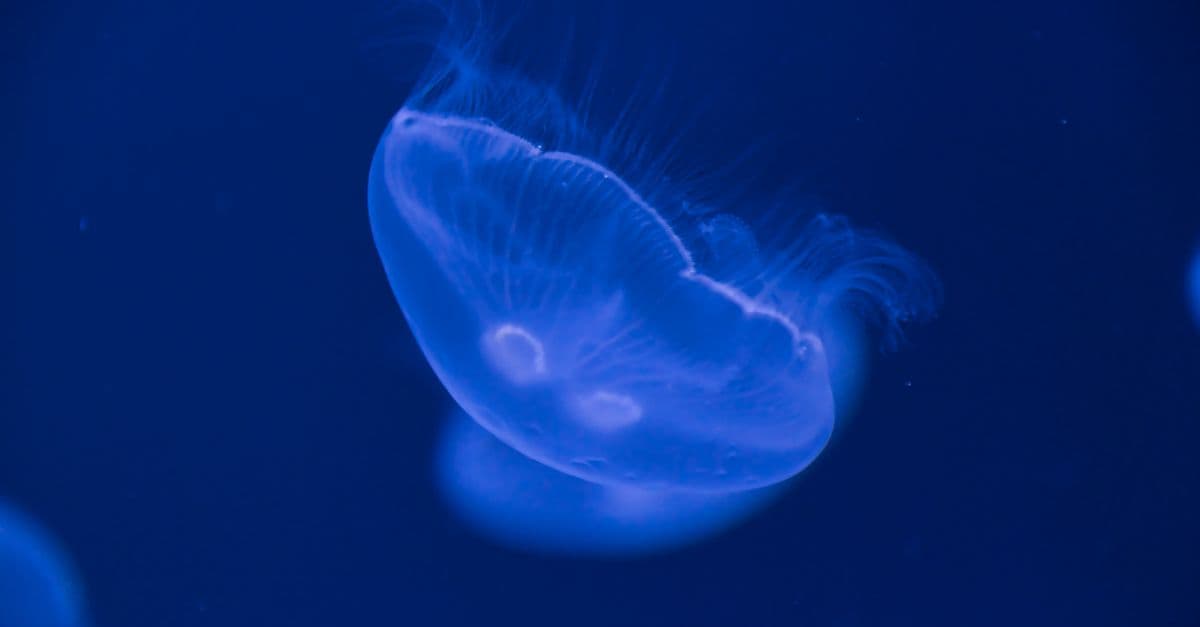
Stunning close-up of a glowing moon jellyfish showcasing its delicate structure in deep blue water.
Biology & Health

How Do Fireflies Glow? The Science of Bioluminescence

Fireflies produce light through a chemical reaction called bioluminescence, where the protein luciferin is oxidized by the enzyme luciferase using oxygen and ATP to emit photons with nearly zero heat loss. The insect controls flash timing by regulating oxygen flow to its light organ, and each species produces a distinct flash pattern used for mating recognition. This same light-producing chemistry has become essential to modern biology, allowing researchers to track gene expression, detect ATP in tissue samples, and study cellular processes in real time.

Editorial Team·June 26, 2026·20 min
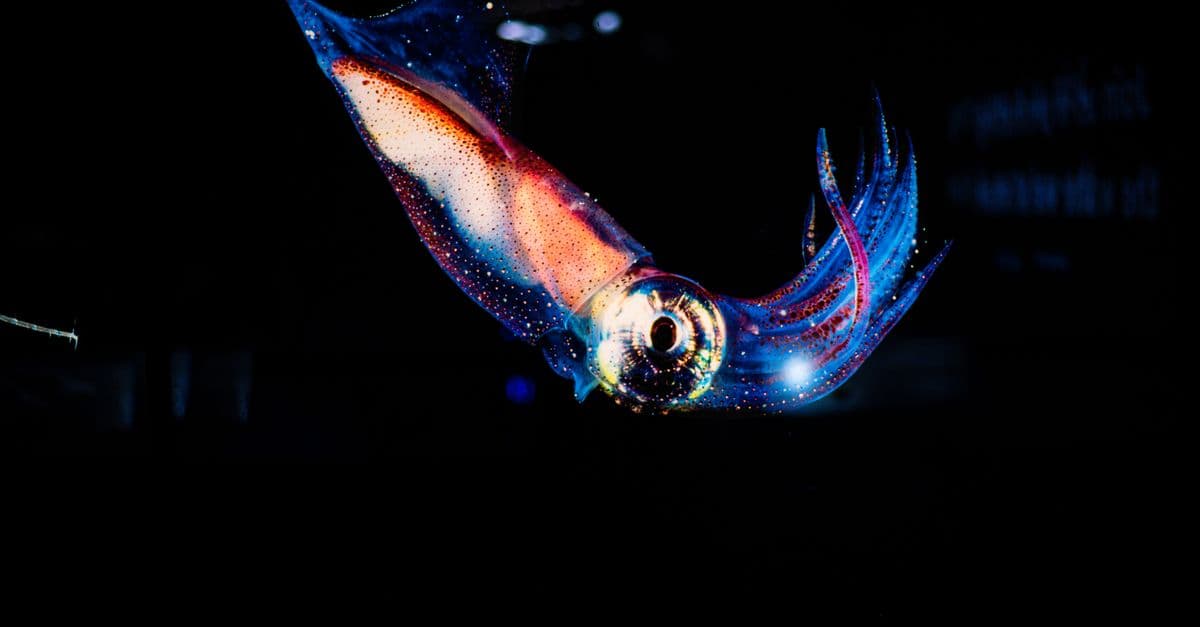
Stunning close-up of a vibrant squid glowing in dark ocean waters.
Animals

How Bioluminescence Works in Animals: The Chemistry of Living Light

More than 76% of deep-sea animals produce their own light. Fireflies flash in coordinated sequences. A jellyfish discovered off the coast of Friday Harbor, Washington, gave biologists a tool that transformed cell biology, earned three scientists a Nobel Prize, and now glows inside cancer cells in laboratories around the world. Bioluminescence — light produced by a living organism — is one of evolution's most useful accidents, and its chemistry is surprisingly simple.

Editorial Team·June 2, 2026·17 min