evolution
50 articles tagged with #evolution
Biology & Health
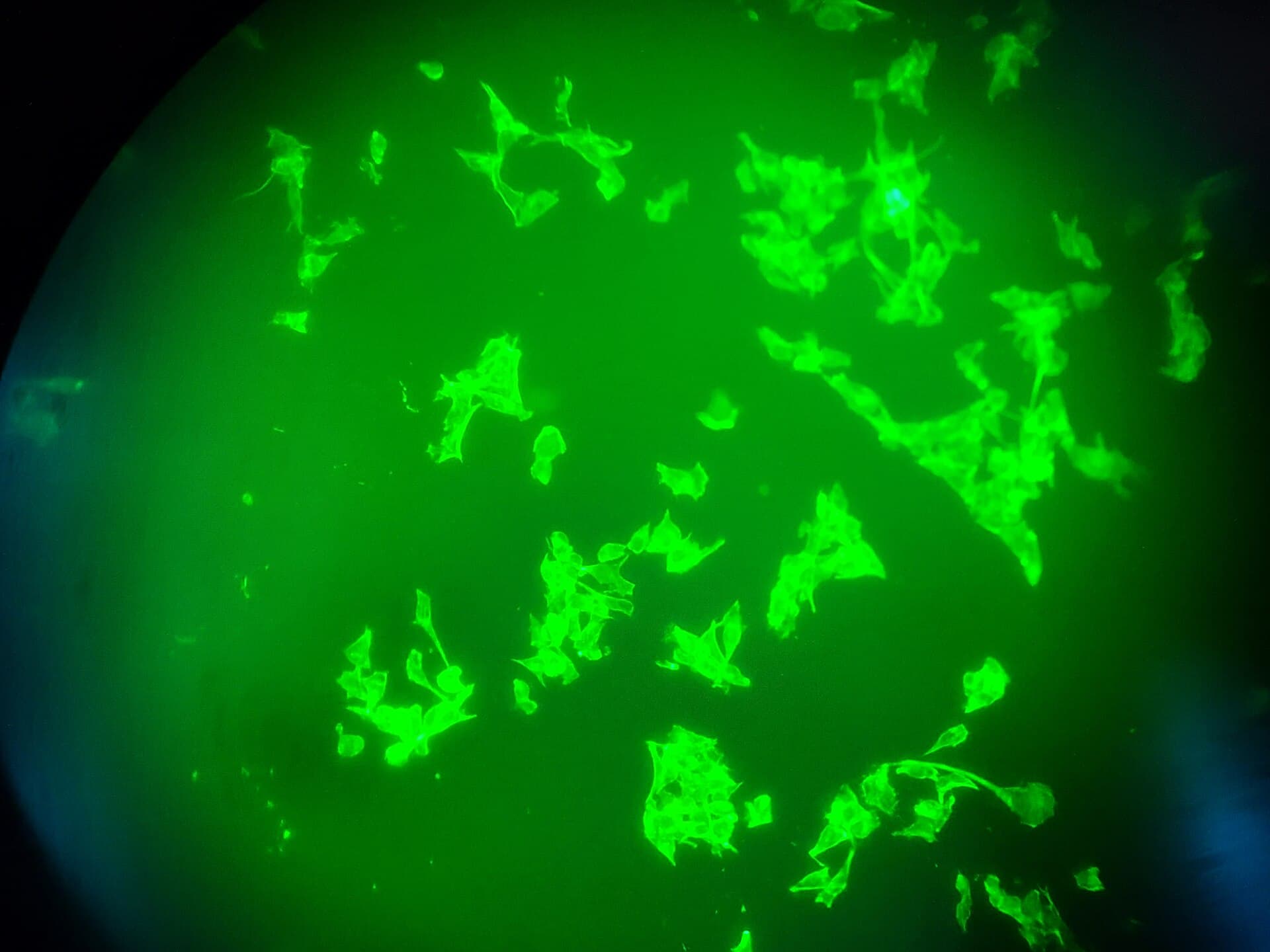
Complete Biology Guide 2026 — How Life Works
The complete guide to biology in 2026: cells and genetics, evolution, the human body, neuroscience, disease, immune systems, and the future of genetic engineering.
Biology & Health
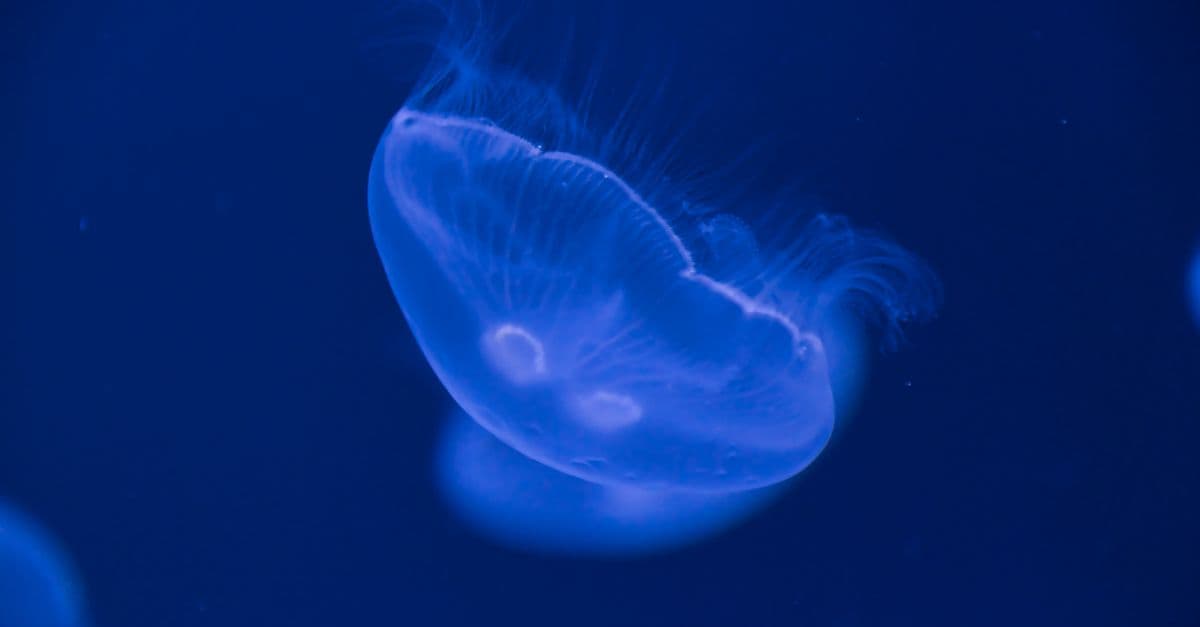
How Do Fireflies Glow? The Science of Bioluminescence
Fireflies produce light through a chemical reaction called bioluminescence, where the protein luciferin is oxidized by the enzyme luciferase using oxygen and ATP to emit photons with nearly zero heat loss. The insect controls flash timing by regulating oxygen flow to its light organ, and each species produces a distinct flash pattern used for mating recognition. This same light-producing chemistry has become essential to modern biology, allowing researchers to track gene expression, detect ATP in tissue samples, and study cellular processes in real time.
Biology & Health
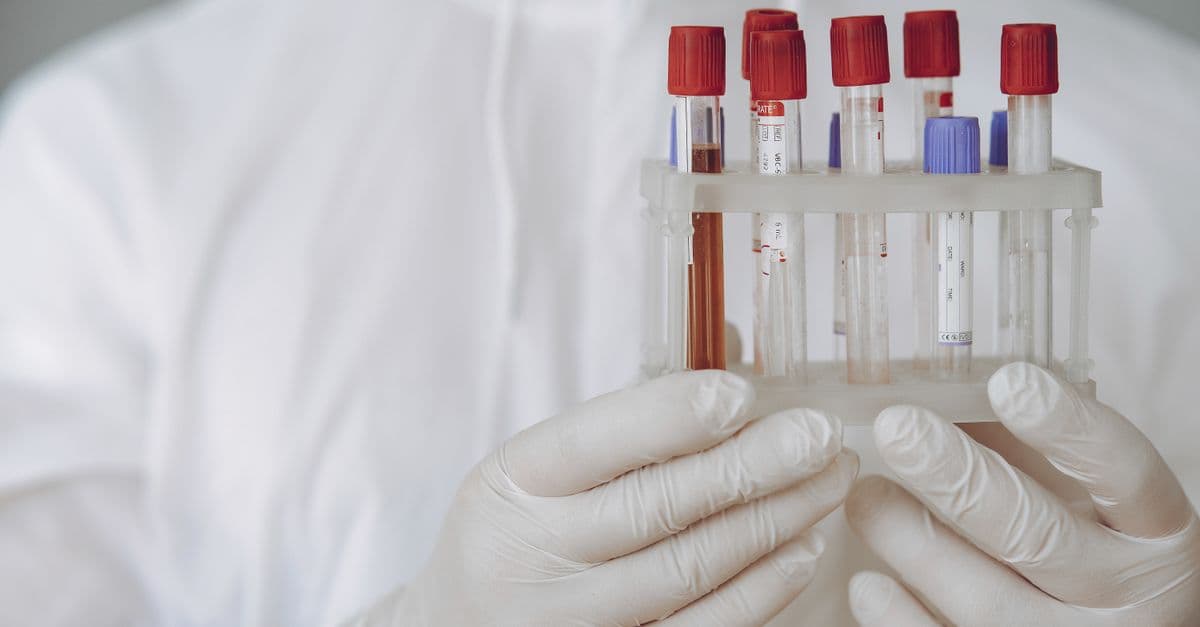
Why Do We Have Blood Types? The Science and Evolution
Blood types are inherited molecular markers on red blood cells. The ABO polymorphism has been kept alive in primates for at least 20 million years, and infections such as malaria, cholera, and norovirus are the leading explanation for why.

Psychology
The Psychology of Jealousy: When Threat Triggers Protection
Jealousy is the acute discomfort when a valued relationship faces a perceived threat from a real or imagined rival, distinct from envy (the desire to have what another possesses). Evolutionary psychology frames romantic jealousy as a mate-guarding adaptation, though the sex-differences debate remains contested. Attachment styles—secure, anxious, avoidant—shape jealousy intensity. Self-esteem and rumination amplify it. Jealousy ranges from a normal protective signal to pathological controlling behavior, and understanding its origins helps distinguish regulation from suppression.
Human Body
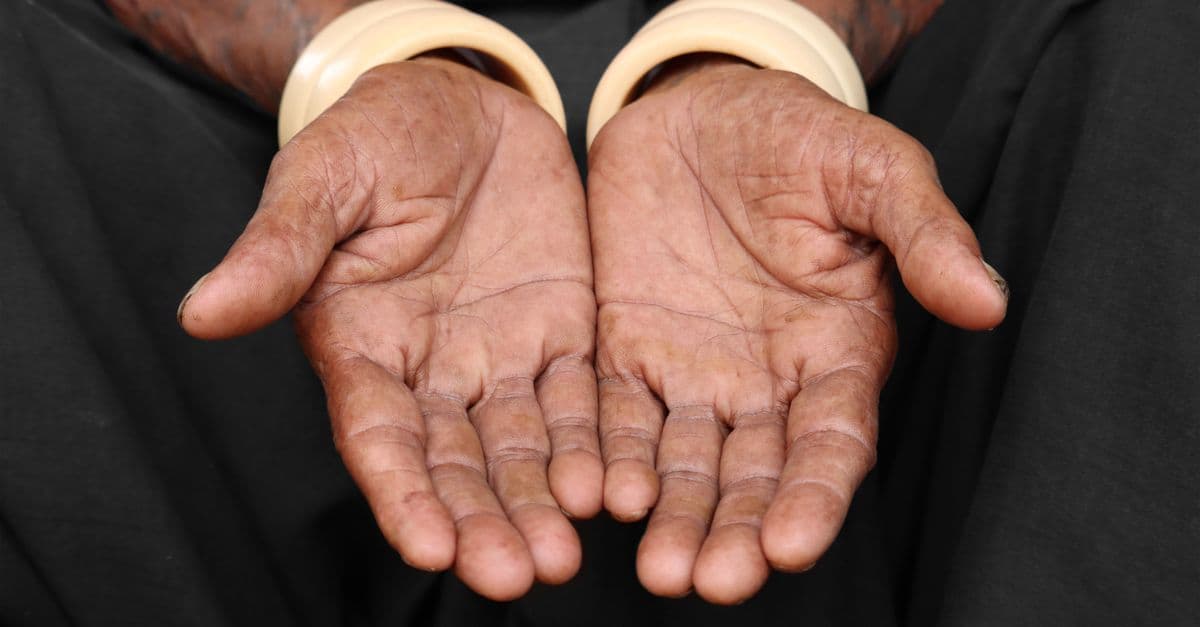
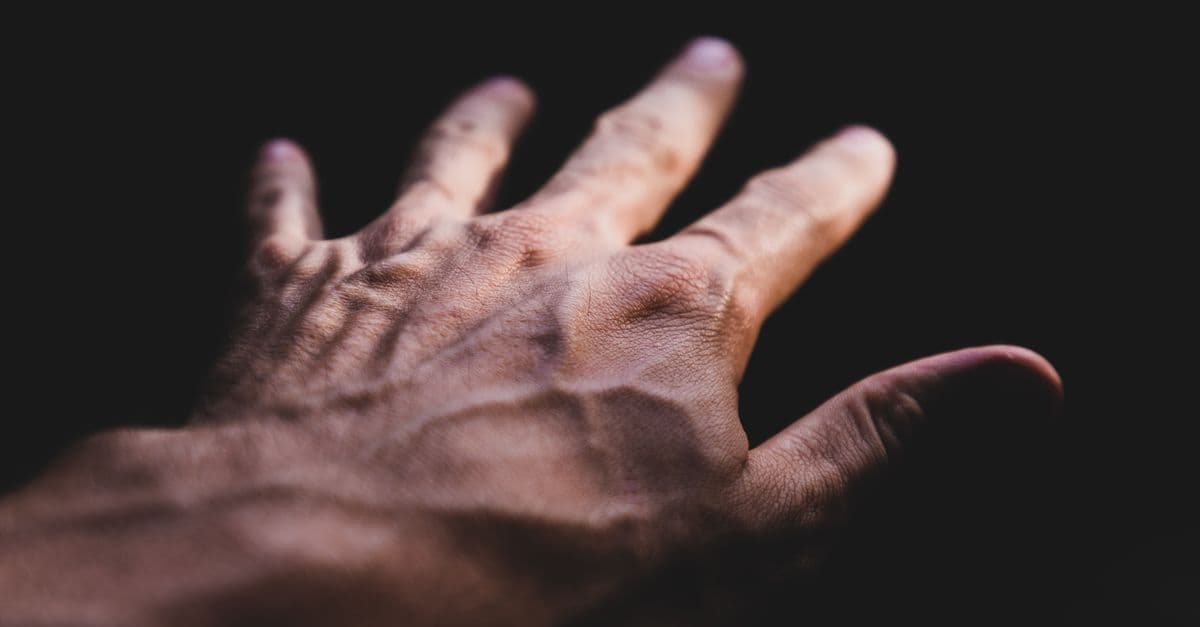
Finger Wrinkling in Water: The Science of Wet Grip
Wrinkled fingers are an active nervous-system response, not simple swelling. This guide explains grip, blood vessels, and evolution.
Human Body
Goosebumps Science: Cold, Fear, and Music
Goosebumps come from a 300-million-year-old reflex: tiny muscles pull hair follicles upright when cold, fear, or music trigger the sympathetic nervous system.
Human Body
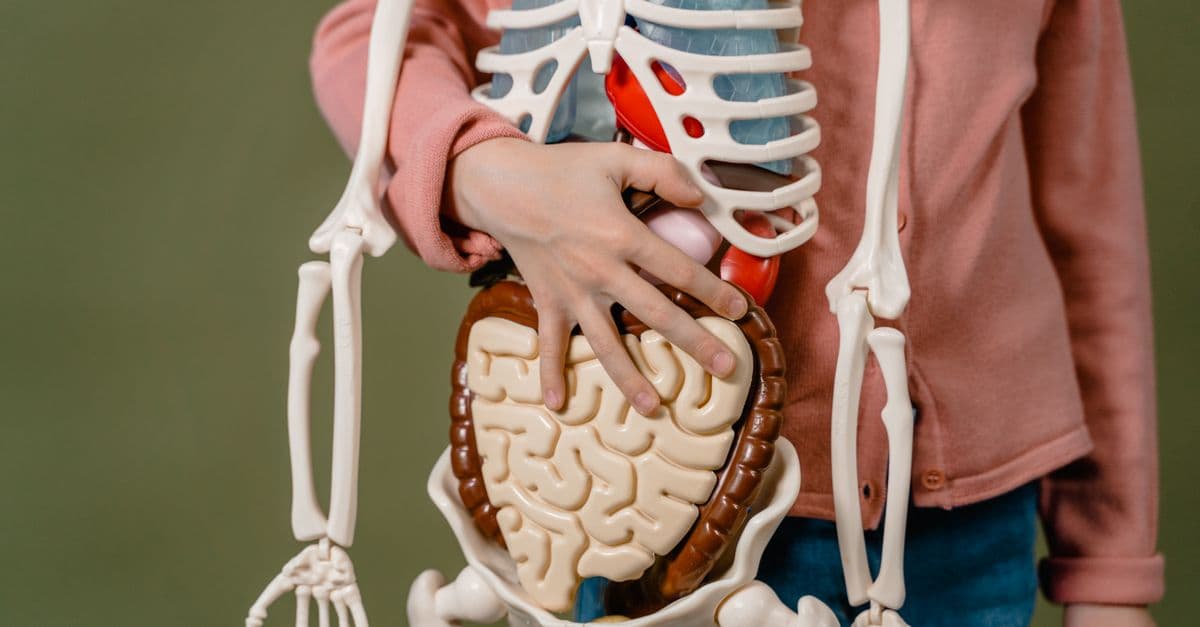
Why Do We Get Goosebumps? The Science of Piloerection
Goosebumps are involuntary contractions of arrector pili muscles attached to hair follicles, triggered by cold, fear, or intense emotion. The response is mediated by the sympathetic nervous system and adrenaline, the same system that drives fight-or-flight reactions. In our evolutionary past, when humans were covered in body hair, piloerection served two critical functions: thermal regulation in cold environments and threat display to appear larger and more intimidating to predators. Today, as mostly hairless creatures, goosebumps persist as a vestigial reflex—a relic of our evolutionary history that no longer serves its original purpose but remains embedded in human physiology. Paradoxically, goosebumps can also be triggered by aesthetic and emotional experiences, including music, awe, and profound beauty.

Psychology
The Psychology of Loneliness: The Science of Social Pain
Loneliness as evolutionary alarm, threat hypervigilance, inflammation, and mortality risk — why subjective isolation harms the body more than objective solitude.

Human Body
Why Do We Blush? The Science Behind Facial Flushing
Blushing is an involuntary reddening of the face triggered by emotional arousal — embarrassment, shame, attention, or self-awareness. Unlike sweating or trembling, blushing is mediated by the sympathetic nervous system and involves dilation of blood vessels in the face and neck. The capillaries in facial skin dilate dramatically, flooding the skin with blood and producing the characteristic red color. Paradoxically, humans appear to be the only species that blushes; other primates do not show this response. Blushing is believed to have evolved as an honest signal of social distress or vulnerability, one that cannot be easily faked, making it a critical element of human social communication.
Human Body
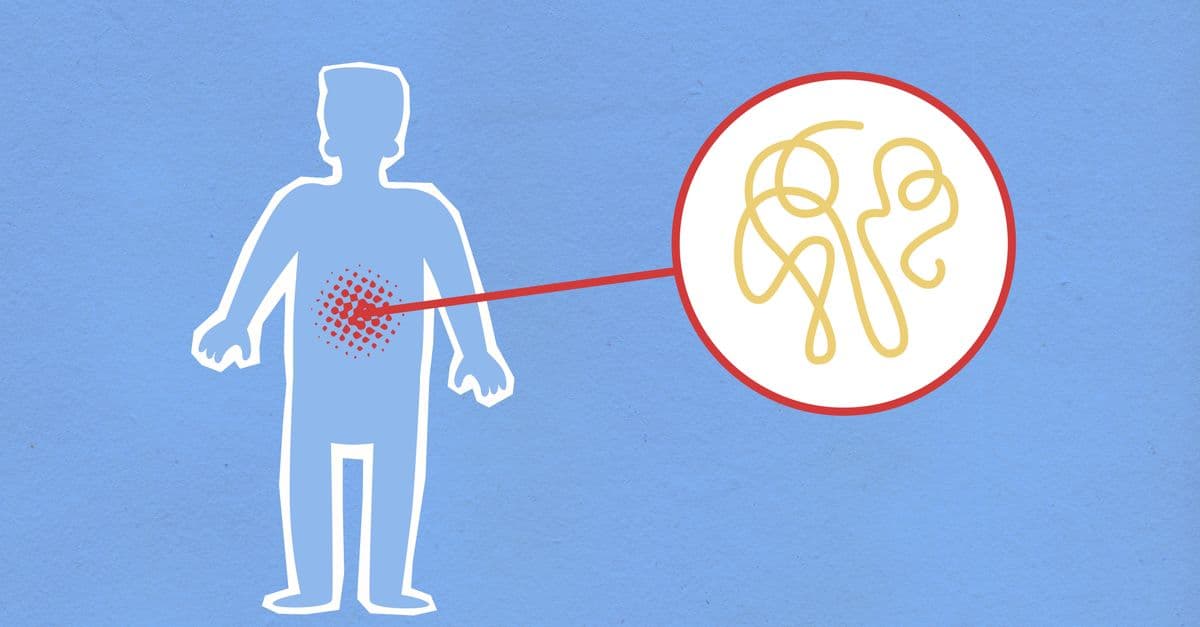
Why Do We Get Hiccups? The Neuroscience of Involuntary Spasms and Evolutionary Mysteries
A hiccup is one of the most peculiar and involuntary motor acts in the human behavioral repertoire. The diaphragm, the muscle responsible for drawing air into the lungs, suddenly contracts involuntarily, causing an abrupt inhalation. The vocal cords snap shut milliseconds after the inhalation begins, blocking airflow and producing the characteristic 'hic' sound. The entire sequence lasts roughly 35 milliseconds and repeats in regular intervals (typically 5–60 times per minute), often continuing for seconds or minutes despite your conscious desire for them to stop. Hiccups are triggered by a variety of stimuli: sudden temperature changes in the stomach (hot or cold food/drink), gastric distension, swallowing irritating substances, sudden emotional changes, or no obvious trigger at all. The neural circuit underlying hiccuping involves the phrenic nerve (controlling the diaphragm), the vagus nerve (carrying sensory information from the stomach), and brainstem centers regulating respiration, suggesting that hiccups represent a malfunction or partial dysfunction of normal respiratory control. The evolutionary function of hiccups is obscure; some researchers propose that hiccups are an evolutionary vestige of amphibian breathing mechanisms, retained in mammals but serving no current function. Other researchers propose that hiccups may serve to clear the esophagus or coordinate swallowing, though evidence is limited. What is clear is that hiccups are involuntary, difficult to consciously control, and generally self-limited, resolving within minutes to hours.
Page 1 of 5Next →