Why Do We Get Hiccups? The Neuroscience of Involuntary Spasms and Evolutionary Mysteries
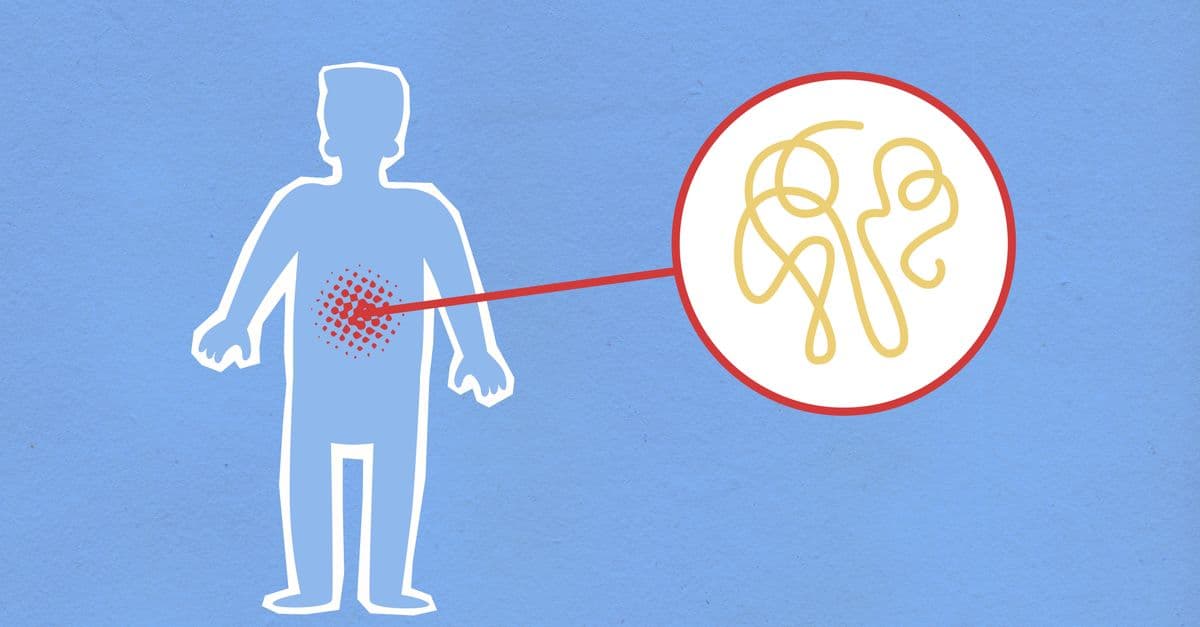
Photo: Monstera Production / Pexels
In the middle of a important meeting, your diaphragm spasms involuntarily. You inhale sharply, your vocal cords slam shut, and an audible "hic" escapes despite your best efforts at suppression. Seconds later, it happens again. And again. You try holding your breath, drinking water, being startled — all the folk remedies your family has suggested over the years — and none of them work. Your hiccups persist, indifferent to your conscious will, a motor act that violates the fundamental assumption that your body is under your control. Hiccups are among the most puzzling motor phenomena in human physiology: they are involuntary, often unpleasant, triggered by seemingly arbitrary stimuli, and serve no apparent purpose. Yet hiccups are nearly universal (affecting roughly 100 percent of humans at some point) and have persisted across evolutionary time, suggesting that they were adaptive at some point in our ancestral history, even if they have become evolutionary anachronisms. Research into the neurobiology of hiccups has revealed a simple neural circuit, a circuit so basic that it is shared across mammalian species, suggesting that hiccups are not unique to humans but are simply more noticeable in us because we find them odd and irritating.
The Neural Circuit of Hiccuping: The Phrenic Nerve, Vagus Nerve, and Brainstem
Hiccup — an involuntary spasm of the diaphragm, the primary muscle of inspiration, typically repeating at regular intervals (5–60 per minute) and lasting seconds to minutes; characterized by abrupt inhalation followed by vocal-cord closure, producing the characteristic 'hic' sound.
A hiccup is the product of a simple but robust neural circuit. The sensory input arrives via the vagus nerve, the longest cranial nerve, running from the brainstem to the heart, lungs, and abdominal organs. The vagus nerve carries sensory information from the stomach, including signals related to gastric distension (the stretch of the stomach wall when the stomach is full), temperature changes (hot or cold food or beverages), and irritation from swallowed substances. When the vagus detects such stimuli, it sends signals to the nucleus tractus solitarius (NTS) in the medulla oblongata, a brainstem region responsible for coordinating autonomic responses to visceral stimuli.
The NTS, upon receiving these signals, sends commands to the phrenic nerve, a long nerve that descends from the cervical spinal cord (the neck region) to innervate the diaphragm. The diaphragm, a dome-shaped muscle beneath the rib cage, is the primary muscle of inspiration. Normally, the diaphragm receives steady, voluntary or autonomic control signals that govern breathing. During a hiccup, the phrenic nerve sends an abnormal, involuntary burst of activity to the diaphragm, causing it to contract spasmodically.
Phrenic nerve — the principal motor nerve controlling the diaphragm, originating from the cervical spinal cord (C3–C5) and descending through the thorax to innervate the diaphragm; damage or irritation of the phrenic nerve impairs breathing.
The diaphragm contracts, drawing air into the lungs. Approximately 35 milliseconds after the diaphragm contraction begins, a second signal is sent via the vagus nerve to the larynx, causing the vocal cords (the glottis, the opening between the vocal cords) to snap shut. This closure is crucial: it prevents additional air from flowing into the lungs during the diaphragm contraction, producing a buildup of pressure and the characteristic 'hic' sound as air rushes past the tightened vocal cords. The hiccup is complete, lasting roughly 35 milliseconds. The circuit then resets, the neural firing pattern habituates (becomes less responsive) temporarily, and sometimes the hiccup repeats within seconds.
Hiccupping involves brainstem motor control centers rather than higher cortical centers, which is why hiccups are involuntary and difficult to consciously suppress. The respiratory centers of the medulla oblongata, which normally coordinate smooth, regular breathing, are overridden by the hiccup circuit, producing an involuntary motor act. This observation is consistent with the finding that many hiccup suppressors (holding the breath, sudden cold stimulus, emotional shock) work by engaging higher cortical and brainstem attention systems, momentarily interrupting or reset the hiccup circuit. However, most suppressors are ineffective or work inconsistently, reflecting the robustness and relative autonomy of the hiccup circuit.
Source: Smith, H. S. (2002), "Persistent hiccups: a review," Journal of Clinical Gastroenterology, Vol. 35, No. 5 — describing the anatomy of the hiccup reflex arc and the role of the phrenic and vagus nerves.
Triggers of Hiccups: Gastric Distension, Temperature, and Irritation
Hiccups are triggered by a variety of stimuli, most involving the stomach or esophagus. Rapid gastric distension (eating quickly, sudden stomach expansion from consuming large volumes) is among the most common triggers. The stomach wall contains stretch receptors that detect distension; when these receptors are activated, they send signals via the vagus nerve to the brainstem, and the hiccup circuit fires. Similarly, swallowing hot or cold beverages or foods activates temperature-sensitive receptors in the stomach and esophagus, triggering the vagus nerve and potentially initiating hiccups.
Irritating substances also trigger hiccups. Spicy foods, carbonated beverages, and alcohol may irritate the esophageal and gastric mucosa (lining), activating pain receptors (nociceptors) and producing vagal sensory input that precipitates hiccups. Additionally, some hiccups are triggered by emotional stimuli — sudden excitement, anxiety, or emotional shock — presumably via brainstem emotional-response systems that can activate the hiccup circuit independently of direct gastric input.
Notably, many hiccup episodes occur without any obvious trigger. Roughly 50 percent of hiccup episodes in the general population are apparently spontaneous, lacking any identifiable antecedent stimulus. This suggests that the hiccup circuit has some baseline excitability and can fire spontaneously, perhaps due to random fluctuations in neural activity or low-level gastric irritation not consciously perceived by the individual.
Hiccups are more common in young children (who have less gastric control) and in infants than in adults. Infants hiccup frequently, a phenomenon thought to reflect incomplete development of motor-control systems regulating the diaphragm. Additionally, hiccups are more common postprandially (after eating), when the stomach is distended, and less common during sleep or sustained attention to demanding tasks (activities that suppress the spontaneous firing tendency of the hiccup circuit).
Source: Straus, C., Vasilakos, K., Wilson, R. J., Oshima, T., & Fontaine, D. (2003), "A phylogenetic reconsideration of the mammalian hiccup," BioEssays, Vol. 25, No. 1 — examining the triggers and prevalence of hiccups across development and across mammals.
Why Do Hiccups Persist? Evolution, Function, and Evolutionary Vestige
The evolutionary function of hiccups remains a puzzle. Hiccups are found across mammalian species, suggesting that they are an ancestral trait, yet modern adaptive functions are elusive. Several hypotheses have been proposed.
The Amphibian-Breathing Hypothesis
The leading evolutionary hypothesis proposes that hiccups are a vestige of amphibian respiration. Amphibians and their early tetrapod ancestors used both lungs and gills for respiration, with muscles controlling the glottis and airway required to coordinate which pathway (air or water) was used. The hiccup-like reflex may have originally functioned to clear the airway during the transition from aquatic to terrestrial breathing, or to coordinate the switching between gill and lung respiration. As mammals evolved and lost gills, the reflex was retained, becoming a non-functional remnant, an evolutionary vestige.
Supporting this hypothesis is the observation that the hiccup reflex is phylogenetically ancient and conserved across mammalian species, consistent with an inherited mechanism from a common ancestor. Additionally, the brainstem neural circuits regulating hiccups involve evolutionarily old motor-control centers (the medulla oblongata), suggesting that the hiccup circuit evolved early and has been retained despite lacking modern function.
However, the amphibian-breathing hypothesis is speculative. There is no fossil record of hiccup-like reflexes in ancient amphibians, and the specific function of the reflex in an amphibian respiratory cycle remains unclear.
The Esophageal-Clearing Hypothesis
An alternative hypothesis proposes that hiccups function to clear the esophagus of irritating substances or to prevent aspiration (entry of food or liquid into the lungs). The forceful diaphragm contraction and subsequent vocal-cord closure might create pressure changes that help expel food lodged in the esophagus or prevent food from entering the trachea. Some researchers have suggested that hiccups are particularly common after eating, when esophageal irritation or the risk of aspiration is highest, supporting this hypothesis.
However, direct evidence for the esophageal-clearing function is lacking. Studies examining whether hiccups actually clear the esophagus or prevent aspiration have produced mixed results. Additionally, if esophageal clearing were the primary function, one would expect hiccups to respond more directly to esophageal irritation (clearing the irritant), but hiccups often persist even when no obvious esophageal irritant is present.
The Swallowing-Coordination Hypothesis
A third hypothesis proposes that hiccups serve to coordinate swallowing with breathing, preventing the simultaneous contraction of the diaphragm and swallowing muscles, which could produce airway obstruction or aspiration. Hiccups, in this view, represent a reset or recalibration of the neural circuitry governing the coordination of swallowing and respiration. The hiccup temporarily interrupts normal breathing, allowing swallowing circuitry to reset and coordinate properly.
Again, evidence for this hypothesis is indirect and speculative. The precise mechanism by which hiccups reset swallowing-respiratory coordination, and why such resets are necessary, remains unclear.
The Evolutionary-Vestige Hypothesis
The most parsimonious hypothesis, supported by the evolutionary conservation and apparent lack of modern function, is that hiccups are simply an evolutionary vestige — a trait retained from our ancestral past but no longer adaptive. Many organisms carry vestigial traits (humans have a coccyx, a tailbone, and a vomeronasal organ that is largely non-functional); hiccups may simply be among these remnants.
Under this hypothesis, hiccups are maladaptive or neutral in modern humans. They serve no current function and persist only because they are harmless (they don't substantially reduce fitness) and because the neural circuit is simple enough that random mutations alone are unlikely to completely eliminate them. The circuit exists as a consequence of descent from a common ancestor, and the selective pressure to eliminate hiccups has been insufficient to drive their loss over evolutionary time.
Source: Gallup, A. C., Gallup, G. G., & Feo, C. (2010), "Tonic immobility: a review of the state of the art and clinical applications," Frontiers in Behavioral Neuroscience, Vol. 4 — discussing evolutionary theories of hiccups and their phylogenetic distribution.
Stopping Hiccups: Why Folk Remedies Sometimes Work
Hiccups are self-limited; most episodes resolve within seconds to minutes without intervention. However, the distress caused by hiccups has motivated generations to develop suppression techniques, many of which are folk remedies of unclear mechanism.
Holding the breath is among the most popular remedies. The mechanism, if it works, likely involves the buildup of carbon dioxide in the blood, which stimulates brainstem respiratory centers to override the hiccup circuit. Alternatively, conscious breath-holding engages higher cortical attention systems, potentially interrupting the hiccup reflex. However, evidence shows that holding the breath is effective in only roughly 30–50 percent of cases, suggesting that the mechanism is neither robust nor universal.
Sudden cold stimulus (drinking ice water, immersing the hands in cold water) may work by activating the vagus nerve with a strong, competing stimulus, disrupting the hiccup circuit. The cold stimulus creates a novel, attention-grabbing input that may reset or habituate the hiccup circuit. Interestingly, being startled or receiving sudden emotional shock ("scaring someone out of hiccups") may similarly engage attention systems, interrupting the hiccup reflex.
Stimulation of the soft palate (with sugar, for example, or by gagging) engages swallowing circuitry, which may reset the respiratory-control circuitry and interrupt hiccups. Phrenic nerve massage (applying firm pressure to specific anatomical locations corresponding to the phrenic nerve) may reduce irritation of the nerve and lower its excitability. Some remedies, like breathing into a paper bag, increase carbon dioxide concentrations, stimulating respiratory centers and potentially disrupting the hiccup circuit.
Habituation — the reduction in neural response to a repeated stimulus over time, due to inactivation or fatigue of neurons responding to the stimulus; hiccups often resolve due to habituation of the hiccup circuit.
Most hiccup episodes resolve due to habituation of the hiccup circuit itself. The circuit, once activated, tends to fire repetitively, but each successive hiccup is met with reduced responsiveness in the brainstem neurons driving the reflex. Over minutes, the circuit habituates, firing becomes less frequent, and the hiccups cease. This habituation occurs even without intervention, which is why most hiccup episodes are self-limited.
Hiccups that persist for extended periods (longer than 48 hours, termed persistent or intractable hiccups) are rare but medically significant. They may indicate gastric irritation (GERD, gastritis), brainstem lesions (stroke, tumor), or metabolic disturbances (uremia, diabetes, electrolyte imbalance). Persistent hiccups warrant medical evaluation to identify and treat the underlying cause.
Source: Friedman, N. L. (2010), "Hiccups: a new explanation and therapy," Anesthesia and Analgesia, Vol. 110, No. 1 — reviewing mechanistic theories and treatment options for persistent hiccups.
Source: Petroianu, G. (2011), "Hiccupping reviewed," European Journal of Medical Research, Vol. 16, No. 1 — a comprehensive clinical review of hiccup triggers, neural circuitry, and management strategies.
Source: Jauhari, P. (2017), "Persistent hiccoughs after recent myocardial infarction," Indian Heart Journal, Vol. 69, No. 5 — discussing pathological causes of persistent hiccupping and underlying medical conditions.
Source: Davis, J. N. (2012), "An evolutionary explanation of the origin of hiccuping," BioEssays, Vol. 34, No. 7 — examining the phylogenetic evidence for the ancient origins of the hiccup reflex and its conservation across species.
Source: Chang, F. Y., & Lu, C. L. (2012), "Hiccup: mystery, nature, and treatment," Journal of Neurogastroenterology and Motility, Vol. 18, No. 2 — reviewing interventions for hiccup suppression and the evidence for their effectiveness.
Frequently Asked Questions
Q: Why are hiccups so hard to control consciously? A: Hiccups are involuntary motor acts controlled by brainstem reflex circuits rather than higher cortical centers. The neural circuitry involves the medulla oblongata (a primitive brainstem region) and operates largely independently of the prefrontal cortex and motor cortex, which normally mediate voluntary control. This is similar to other involuntary reflexes like the pupillary response to light or the patellar (knee-jerk) reflex — you cannot consciously override these reflexes because they are wired to bypass voluntary control systems. Some limited suppression is possible by engaging higher cortical attention systems (through holding breath, sudden stimulus, or emotion), but complete voluntary suppression of active hiccups is extremely difficult or impossible. This is why hiccups feel so frustrating — they represent a momentary loss of bodily autonomy, a reminder that not all of our motor control is under conscious command.
A: Yes, the diaphragm contraction in a hiccup is identical to the diaphragm contraction during normal breathing — the muscle generates the same force and contracts with the same speed. However, the key difference is the timing and coordination. Normal breathing involves the diaphragm contracting in a controlled, sustained manner (lasting roughly 1–2 seconds) to gradually draw air into the lungs. A hiccup involves a brief, involuntary burst of diaphragm contraction (lasting roughly 35 milliseconds) followed immediately by vocal-cord closure. The abrupt, unexpected nature of the hiccup contraction, combined with the vocal-cord closure, produces the characteristic sound and sensation. Additionally, hiccups often repeat at regular intervals, whereas normal breathing is a continuous, flowing process. The perceptual oddness of hiccups arises from this unusual timing and coordination, not from any fundamental difference in the diaphragm contraction itself.
Q: Can hiccups cause any real harm? A: Occasional hiccups are completely harmless. They produce no physical damage, they interrupt breathing for only milliseconds, and they resolve spontaneously within minutes. However, persistent or intractable hiccups (lasting more than 48 hours) can cause fatigue, sleep disruption, and eating difficulty, and warrant medical evaluation to identify underlying causes. Additionally, in rare cases, hiccups may indicate serious neurological or gastroenterological conditions (stroke, brainstem tumor, severe GERD), so persistent hiccups should never be ignored. But typical hiccup episodes, while annoying, pose no health risk.
Q: Why do babies hiccup so much more than adults? A: Infants hiccup far more frequently than adults, sometimes dozens of times per day or even during sleep. The leading explanation is that infants' respiratory control systems are still developing and maturing. The brainstem reflex circuits and the voluntary motor pathways governing respiration are not yet fully coordinated in infants. Additionally, infants may have reduced ability to suppress the hiccup circuit, and their stomach distension (which triggers hiccups) may occur more frequently because they are feeding regularly and their gastric control is immature. As the nervous system matures through childhood, hiccup frequency declines substantially, reaching adult levels by early childhood. The high frequency of hiccups in infants may also reflect incomplete development of the vagal feedback circuits; the vagus nerve and its sensory input become more refined with development, potentially changing the likelihood of triggering the hiccup reflex.
Q: Why is the hiccup sound (the "hic") always the same? A: The "hic" sound is produced by the rapid closure of the vocal cords (glottis) during the hiccup. The sound itself is generated by the vibration of the vocal-cord tissue as air pressure builds up behind the closed cords. Because the hiccup sequence is stereotyped (the diaphragm contraction, followed by vocal-cord closure at a fixed interval), the resulting sound is nearly identical from one hiccup to the next. Additionally, the force of the diaphragm contraction and the timing of vocal-cord closure are determined by the neural circuitry and are consistent across hiccups, producing a consistent acoustic result. Individual variation in hiccup sounds (deeper or higher pitched) reflects anatomical differences (vocal-cord length and thickness, larynx size), but within an individual's hiccup episode, the sound remains remarkably consistent. This stereotypy of both the motor act and the acoustic output reflects the hard-wired nature of the hiccup reflex circuit.
Q: Do other animals get hiccups? A: Yes, hiccups have been observed in many mammals, including primates, dogs, cats, and rodents. The presence of hiccups across mammalian species suggests that the reflex is evolutionarily ancient, inherited from a common mammalian ancestor. Interestingly, the hiccup reflex is so basic that it is present even in animals with very different respiratory systems and evolutionary histories, consistent with the hypothesis that hiccups are an evolutionary vestige. The fact that hiccups occur in animals that are also unlikely to benefit from any current function of hiccups (e.g., rodents, which do not engage in complex swallowing coordination) strengthens the case that hiccups are evolutionary anachronisms. However, detailed study of hiccupping in non-human animals is limited, so the possibility of unknown functions remains open.
Q: How can you stop hiccups and why are folk remedies so hit-or-miss? A: Hiccups are self-limited and resolve within seconds to minutes in most cases due to habituation of the neural circuit. However, various remedies can sometimes interrupt the hiccup reflex. Holding your breath increases carbon dioxide in the blood, stimulating the brainstem to potentially override the hiccup circuit; it is effective in roughly 30–50 percent of cases. Cold stimulus (ice water, cold hands) activates the vagus nerve with a competing input, potentially disrupting the hiccup arc. Being startled engages attention systems, temporarily suppressing hiccups. Breath-holding into a paper bag, phrenic nerve massage, and stimulation of the soft palate all have proposed mechanisms but limited evidence. The reason folk remedies are unreliable is that hiccups involve a robust brainstem reflex that is largely resistant to conscious control. Some individuals may be more susceptible to certain interruption techniques than others, depending on their neural sensitivity and the particular reflex state at that moment.
Read Next
Follow new articles
Add SciHub101 to your feed reader to see new science and technology stories.
About the Author
SciHub101 is an independent science and technology publication founded and edited by Buğra Sözeri, a software engineer and app developer based in Türkiye. AI tools assist with drafting and research. Source documentation in the existing archive is uneven, and articles are being reviewed and corrected. The Editorial Team byline identifies editorial responsibility; it does not certify specialist or independent human review. Where we compare products, anything built by our own team is labelled as such — see the editorial guidelines and About page for how corrections and disclosures work.
Related Articles

Why Do We Yawn? The Science Behind Contagion, Arousal, and Brain Cooling
A yawn is a prolonged, involuntary opening of the mouth, lasting 5–10 seconds, accompanied by a deep inhalation followed by a shorter exhalation. It feels spontaneous and irresistible, yet the precise function of yawning remains unresolved despite decades of neuroscience research. The leading theories — brain cooling, arousal regulation, and social contagion — each explain part of the yawning phenomenon, but none fully accounts for all observations. Brain temperature does drop slightly after a yawn, supporting the thermoregulation hypothesis. Yawns increase arousal, particularly before sleep and after sustained attention, consistent with the arousal hypothesis. And yawns are highly contagious, spreading through social groups at rates approaching 50 percent, a phenomenon involving mirror neuron systems and mentalizing — the ability to model others' mental states. Research suggests yawning serves multiple functions, integrating thermoregulation, arousal, and social signaling into a single motor program. Yet fundamental questions remain: why is yawning so contagious? why does it feel almost impossible to suppress? and why do some individuals yawn more than others?

Why Do We Cry? The Science of Tears, Emotional Expression, and Stress Relief
Tears are among the most visible and emotionally laden expressions in human behavior. They fall from the eyes during emotional moments — joy, sadness, grief, anger, or profound relief — yet tears also serve practical functions: lubricating the eyes during blinking, protecting the cornea from irritants, and fighting infection. Humans produce three types of tears, each with a distinct chemical composition and function. Basal tears are produced continuously throughout the day to maintain corneal health. Reflex tears flow in response to irritants like onions, cold wind, or dust. Emotional tears, uniquely abundant in humans compared to other primates, contain elevated levels of stress hormones including cortisol and prolactin, suggesting that crying is a physiological response to emotional stress. Research indicates that emotional crying may indeed relieve stress, though the evidence is more nuanced than pop-psychology claims. The tear-related hypothesis — that the physical act of crying somehow removes stress from the body — has become increasingly credible as neuroscience reveals the neurochemical basis of emotional tears and their relationship to the sympathetic nervous system, emotion regulation, and social signaling.
Why Do We Get Goosebumps? The Science of Piloerection
Goosebumps are involuntary contractions of arrector pili muscles attached to hair follicles, triggered by cold, fear, or intense emotion. The response is mediated by the sympathetic nervous system and adrenaline, the same system that drives fight-or-flight reactions. In our evolutionary past, when humans were covered in body hair, piloerection served two critical functions: thermal regulation in cold environments and threat display to appear larger and more intimidating to predators. Today, as mostly hairless creatures, goosebumps persist as a vestigial reflex—a relic of our evolutionary history that no longer serves its original purpose but remains embedded in human physiology. Paradoxically, goosebumps can also be triggered by aesthetic and emotional experiences, including music, awe, and profound beauty.

Why Do We Blush? The Science Behind Facial Flushing
Blushing is an involuntary reddening of the face triggered by emotional arousal — embarrassment, shame, attention, or self-awareness. Unlike sweating or trembling, blushing is mediated by the sympathetic nervous system and involves dilation of blood vessels in the face and neck. The capillaries in facial skin dilate dramatically, flooding the skin with blood and producing the characteristic red color. Paradoxically, humans appear to be the only species that blushes; other primates do not show this response. Blushing is believed to have evolved as an honest signal of social distress or vulnerability, one that cannot be easily faked, making it a critical element of human social communication.
How Octopuses Are So Intelligent: The Animal That Thinks With Its Arms
An octopus has roughly 500 million neurons — about as many as a dog — but two-thirds of those neurons are not in its brain. They are distributed across eight arms, each of which can taste, touch, decide, and act without ever consulting the central brain. This is the story of how intelligence can evolve in a completely different shape.
Why Do Our Limbs Fall Asleep? The Science of Paresthesia
Sustained pressure compresses the nerves running through your limbs, blocking the electrical signals that carry sensation to your brain and creating numbness. When you shift position and release the pressure, those compressed nerves 'wake up' with a flood of erratic firing that produces the familiar 'pins and needles' tingling sensation called paresthesia. This temporary phenomenon is harmless and resolves in seconds, but understanding what happens reveals how your peripheral nervous system works and when similar sensations might signal something more serious.