nervous-system
11 articles tagged with #nervous-system
Human Body
Why Do Our Limbs Fall Asleep? The Science of Paresthesia
Sustained pressure squeezes a nerve and its blood supply, so the signals that carry sensation stop. When the pressure lifts, the recovering fibers fire on their own, and the brain reads that noise as pins and needles. The episode is common and usually harmless, but the same mechanisms underlie nerve compression syndromes, and the pattern of symptoms helps separate the two.
Human Body
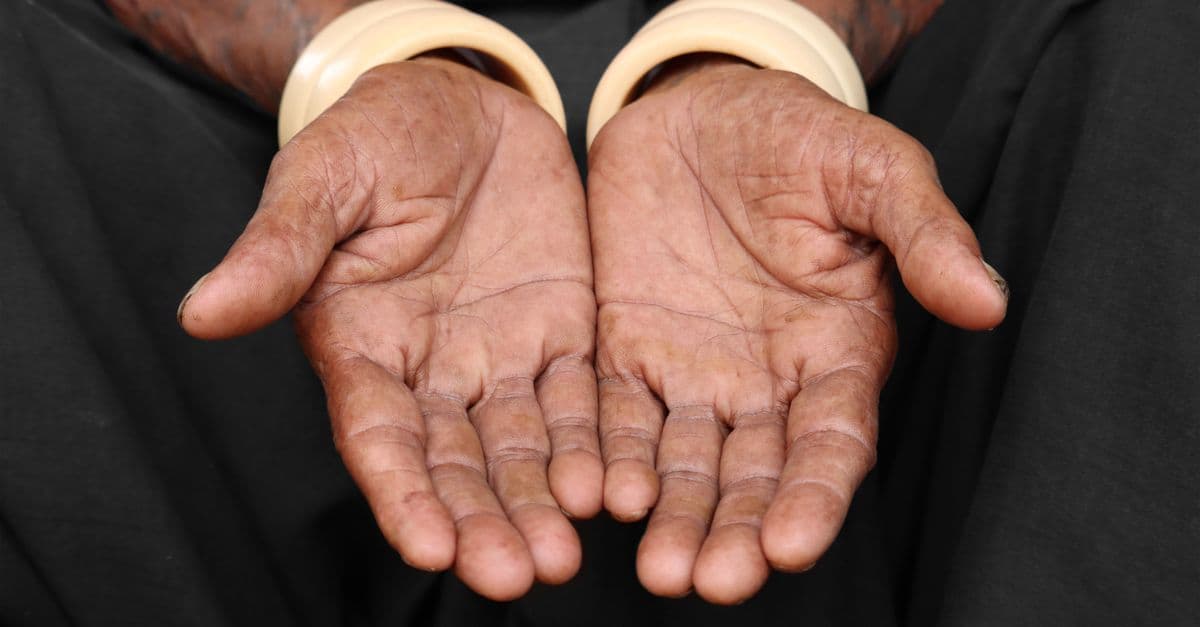
Finger Wrinkling in Water: The Science of Wet Grip
Wrinkled fingers are an active nervous-system response, not simple swelling. This guide explains grip, blood vessels, and evolution.
Human Body
Goosebumps Science: Cold, Fear, and Music
Goosebumps come from a 300-million-year-old reflex: tiny muscles pull hair follicles upright when cold, fear, or music trigger the sympathetic nervous system.
Human Body
Why Do We Feel Pain? The Science of Nociception
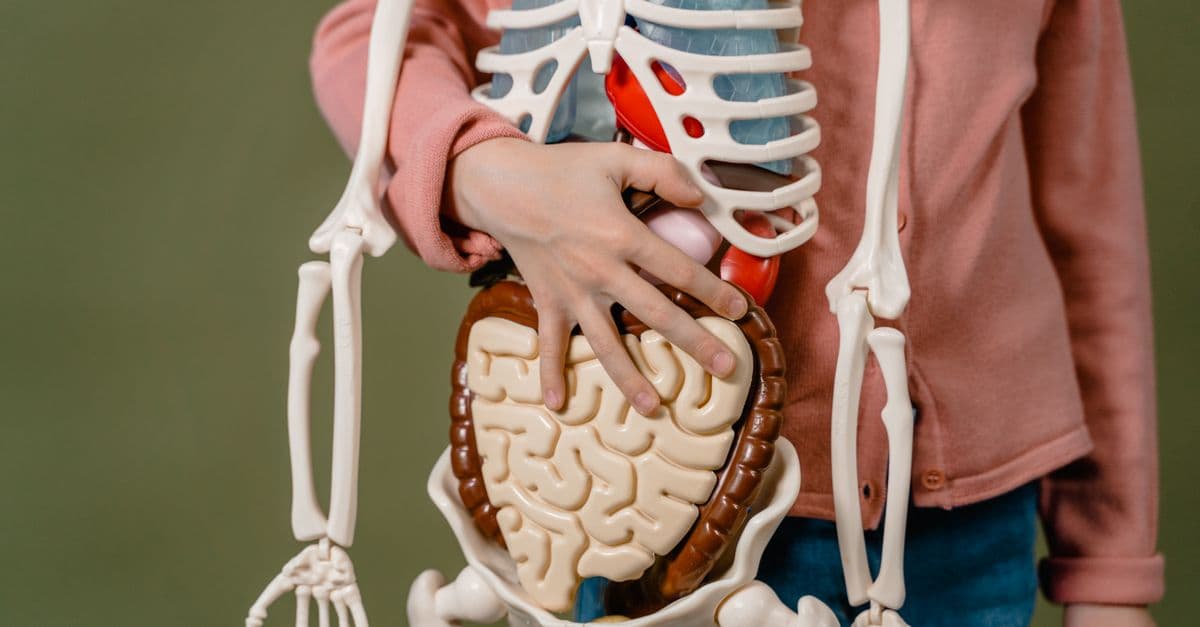
Pain is not a sensation but a perception — the brain's interpretation of a threat signal from specialized nerve endings called nociceptors. When you touch a hot stove, nociceptors detect the temperature change and fire electrical signals up the spinal cord to the brain. The brain then constructs the feeling of pain, which is why you can feel pain from a phantom limb that no longer exists, or feel no pain during surgery under anesthesia despite injury. Pain serves a critical protective function, preventing injury, but when it persists beyond healing (chronic pain), it becomes a malfunction of the nervous system.
Human Body
Why Do We Get Goosebumps? The Science of Piloerection
Goosebumps are involuntary contractions of arrector pili muscles attached to hair follicles, triggered by cold, fear, or intense emotion. The response is mediated by the sympathetic nervous system and adrenaline, the same system that drives fight-or-flight reactions. In our evolutionary past, when humans were covered in body hair, piloerection served two critical functions: thermal regulation in cold environments and threat display to appear larger and more intimidating to predators. Today, as mostly hairless creatures, goosebumps persist as a vestigial reflex—a relic of our evolutionary history that no longer serves its original purpose but remains embedded in human physiology. Paradoxically, goosebumps can also be triggered by aesthetic and emotional experiences, including music, awe, and profound beauty.
Human Body
Why Do We Sneeze? The Science of the Reflex Arc and Explosive Defense
A sneeze expels air from the lungs at speeds approaching 100 kilometers per hour, dispatching up to 40,000 virus-laden droplets up to 8 meters into the air. This explosive defensive response is triggered by irritation of the nasal mucosa and controlled by the trigeminal nerve, which detects irritants and signals the brainstem to initiate a coordinated motor program. Sneezes serve multiple purposes: removing pathogens and allergens, communicating disease state, and protecting the respiratory tract from invasion. The reflex arc involves specialized sensory neurons in the nasal cavity (MrgprC11+ neurons) that respond to capsaicin, histamine, and allergens, transmitting signals through the trigeminal nerve to the medulla oblongata, which then activates motor neurons controlling the diaphragm, intercostal muscles, and facial muscles. Some individuals experience photic sneeze reflex (ACHOO syndrome), triggered by bright light rather than nasal irritation, affecting 18–35 percent of the population. Why eyes involuntarily close during sneezing, why some sneezes are allergic while others respond to pure irritants, and how the brain coordinates the explosive expulsion of air all illustrate the sophistication of this ancient physiological defense mechanism.

Human Body
Why Do We Blush? The Science Behind Facial Flushing
Blushing is an involuntary reddening of the face triggered by emotional arousal — embarrassment, shame, attention, or self-awareness. Unlike sweating or trembling, blushing is mediated by the sympathetic nervous system and involves dilation of blood vessels in the face and neck. The capillaries in facial skin dilate dramatically, flooding the skin with blood and producing the characteristic red color. Paradoxically, humans appear to be the only species that blushes; other primates do not show this response. Blushing is believed to have evolved as an honest signal of social distress or vulnerability, one that cannot be easily faked, making it a critical element of human social communication.
Human Body
Why Do We Get Hiccups? The Neuroscience of Involuntary Spasms and Evolutionary Mysteries
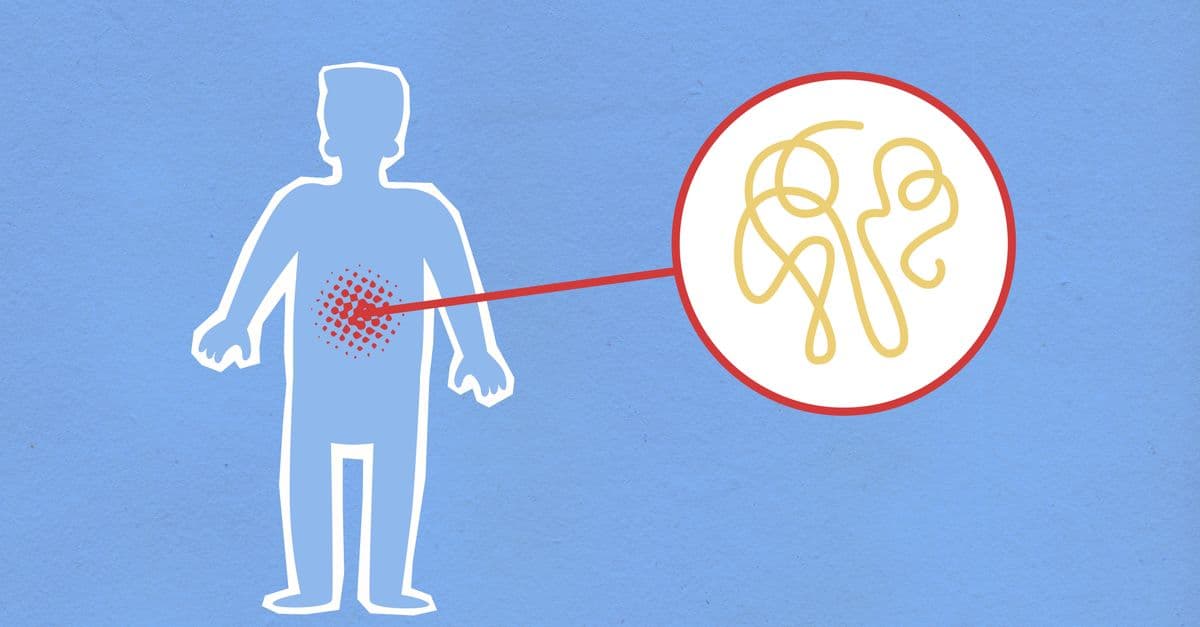
A hiccup is one of the most peculiar and involuntary motor acts in the human behavioral repertoire. The diaphragm, the muscle responsible for drawing air into the lungs, suddenly contracts involuntarily, causing an abrupt inhalation. The vocal cords snap shut milliseconds after the inhalation begins, blocking airflow and producing the characteristic 'hic' sound. The entire sequence lasts roughly 35 milliseconds and repeats in regular intervals (typically 5–60 times per minute), often continuing for seconds or minutes despite your conscious desire for them to stop. Hiccups are triggered by a variety of stimuli: sudden temperature changes in the stomach (hot or cold food/drink), gastric distension, swallowing irritating substances, sudden emotional changes, or no obvious trigger at all. The neural circuit underlying hiccuping involves the phrenic nerve (controlling the diaphragm), the vagus nerve (carrying sensory information from the stomach), and brainstem centers regulating respiration, suggesting that hiccups represent a malfunction or partial dysfunction of normal respiratory control. The evolutionary function of hiccups is obscure; some researchers propose that hiccups are an evolutionary vestige of amphibian breathing mechanisms, retained in mammals but serving no current function. Other researchers propose that hiccups may serve to clear the esophagus or coordinate swallowing, though evidence is limited. What is clear is that hiccups are involuntary, difficult to consciously control, and generally self-limited, resolving within minutes to hours.
Animals
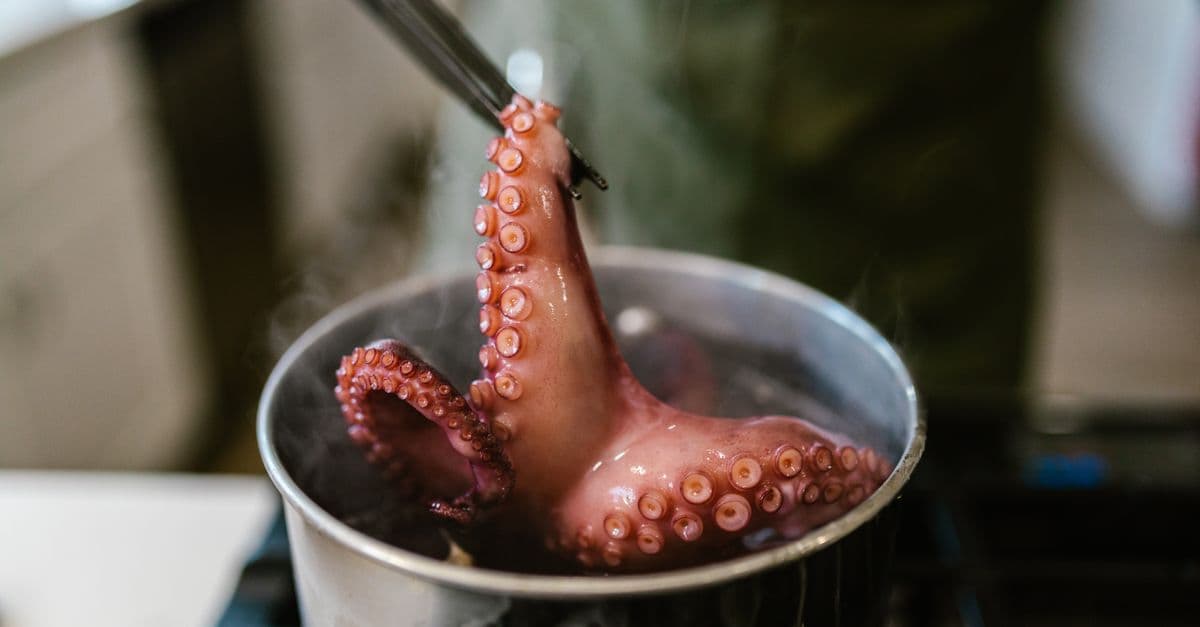
How Octopuses Are So Intelligent: The Animal That Thinks With Its Arms
An octopus has roughly 500 million neurons — about as many as a dog — but two-thirds of those neurons are not in its brain. They are distributed across eight arms, each of which can taste, touch, decide, and act without ever consulting the central brain. This is the story of how intelligence can evolve in a completely different shape.
Human Body
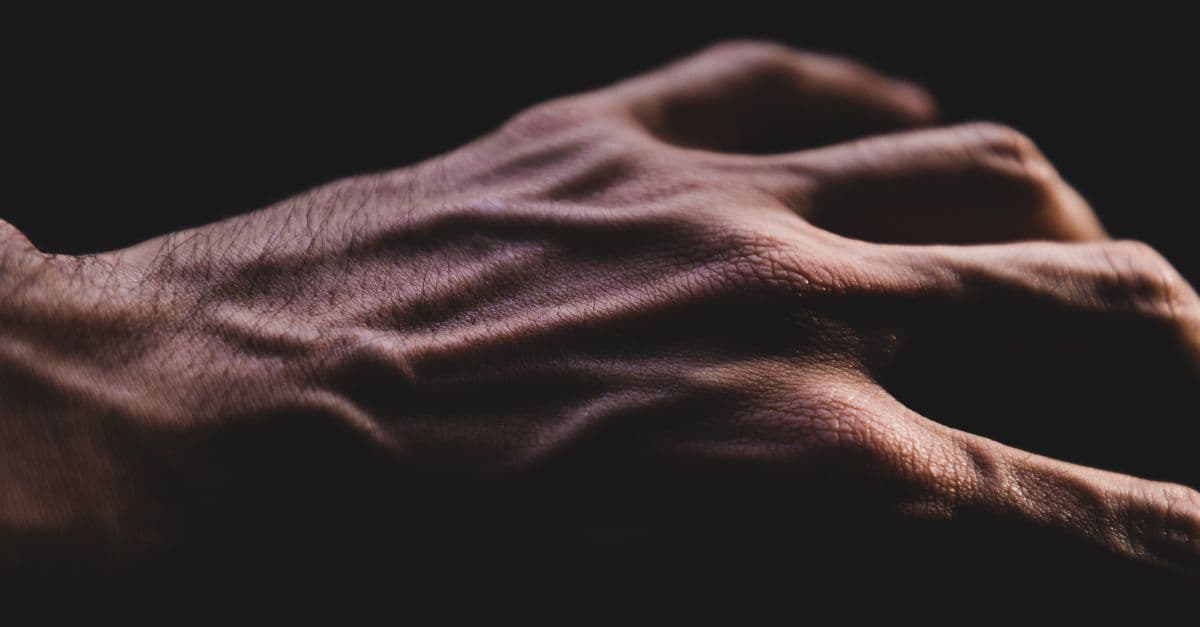
How the Nervous System Works: Signals, Reflexes, and the Brain-Body Connection
A withdrawal reflex pulls your hand off a hot pan before you consciously feel pain. The brain alone holds about 86 billion neurons, and the fastest nerve fibres carry signals at up to 120 metres per second. Here is how it all works.