Why Do Our Limbs Fall Asleep? The Science of Paresthesia

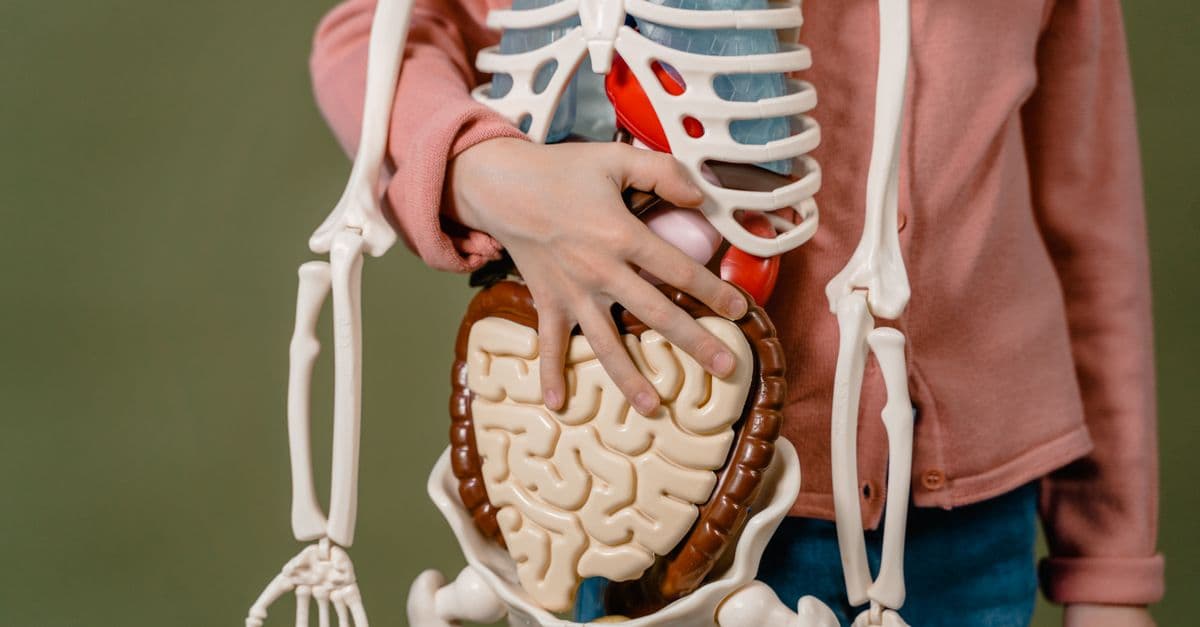
Photo: Tima Miroshnichenko / Pexels
You sit cross-legged for ten minutes, and your foot becomes a dead, heavy weight. Numbness spreads from your heel to your toes. Then you shift, the pressure lifts, and a storm of prickling sensations erupts — sharp, almost electrical. That limb has "fallen asleep," and the wake-up tingling is more than just blood rushing back. It is your peripheral nerves firing in chaotic bursts after temporary compression has silenced them. Understanding why this happens requires examining how peripheral nerves transmit sensation, what pressure does to them, and the difference between harmless transient paresthesia and warnings that something is genuinely wrong with your nervous system or circulation.
How Peripheral Nerves Carry Sensation
Peripheral nerves — definition: the sensory and motor nerves that branch from your spinal cord to reach your skin, muscles, and organs, forming the body's communication network outside the brain and spinal cord.
Your limbs are threaded with thousands of peripheral nerves, each a bundle of individual nerve fibers called axons. These axons transmit electrical signals via action potentials—rapid reversals of the resting membrane potential that allow information to travel along the fiber at high speed. Myelinated axons, which are coated in an insulating sheath of myelin, conduct signals at speeds up to 150 meters per second. Unmyelinated axons conduct far more slowly, at roughly 1 meter per second. This difference explains why you feel sharp pain (fast myelinated fibers) before dull aching pain (slower unmyelinated fibers).
For a signal to reach your brain, sensory receptors in your skin must detect stimuli—pressure, temperature, texture, pain. That information flows inward along sensory axons to the spinal cord, where it is relayed up to the thalamus and then to the somatosensory cortex in your brain. The entire pathway depends on axons staying intact and receiving adequate oxygen and nutrients. This is where compression becomes critical.
Source: Biology LibreTexts Contributors (2025), How Neurons Communicate: Nerve Impulse Transmission, LibreTexts — Action potentials travel along axons at speeds determined by myelination and axon diameter; myelinated fibers use saltatory conduction at Nodes of Ranvier.
What Compression Does to Nerves
When you sit on your leg or sleep with your arm tucked under your head, you apply sustained pressure directly to the nerve trunks running through that limb. This pressure triggers two simultaneous problems: mechanical compression of the axons themselves, and local reduction in blood flow.
The mechanical effect is direct. Pressure flattens the cylindrical axons against surrounding bone, muscle, and tissue. This deformation disrupts the orderly alignment of ion channels along the axon's membrane—the tiny protein gates that open and close to admit calcium, sodium, and potassium ions. These ions flow in and out during an action potential. When the axon is compressed and distorted, the ion channels no longer function smoothly, and the electrical signal weakens or stops. Imagine crimping a garden hose: the water still wants to flow, but the constriction prevents it. Your brain receives no signal from that compressed region, so the limb feels numb.
Simultaneously, sustained pressure narrows the blood vessels feeding the nerve. Blood carries oxygen and glucose—fuel that axons burn to maintain the ion pumps that keep the resting membrane potential stable. When blood flow drops, axons enter a state of mild hypoxia and energy depletion. Nerve conduction velocity decreases. The sensory signals that do make it through become garbled or fail to transmit at all.
Source: National Center for Biotechnology Information (2022), Changes in Nerve Microcirculation Following Peripheral Nerve Compression, PMC — Acute compression reduces blood flow to the nerve, disrupts ion channel function, and increases vascular permeability; sensory axons are particularly vulnerable.
The Numbness Phase
The moment you apply pressure, the axons in the compressed region stop firing normally. Your brain receives silence instead of sensation. You feel nothing—true numbness. This usually begins within seconds to a minute, depending on the pressure magnitude. Light pressure (like resting your arm on a desk) may cause numbness only in the outer fingers; heavy pressure (sitting with your full weight on a leg) silences sensation across a broader region.
The transition into numbness is remarkably quick because both mechanical deformation and ischemia (oxygen deprivation) act immediately. You may also experience a brief "heavy" or "dull" sensation before full numbness sets in, as if your limb is not quite part of your body. This is paresthesia of a different kind—the absence of normal sensation, replaced by the eerie awareness that something is wrong.
During the compression phase, your conscious brain tries to "re-establish" the lost limb through proprioceptive awareness (your sense of where your body is in space), but with sensory input cut off, the limb feels alien. Patients often describe it as "my hand is not mine anymore" or "I cannot feel where my fingers are." This dissociation is harmless—the nerve is intact and reversible.
The "Pins and Needles" Recovery Phase
The moment you shift your weight and release the pressure, the magic happens. Blood flow surges back into the nerve. Oxygen floods the axons. The mechanical distortion begins to ease. But the recovery is not instantaneous and smooth. Instead, the starved and compressed axons respond with a burst of chaotic electrical activity.
Paresthesia — definition: abnormal skin sensations such as tingling, prickling, or "pins and needles" caused by non-painful nerve stimulation, often from pressure, ischemia, or nerve dysfunction.
When oxygen and glucose return, the axons' ion pumps suddenly have fuel again. But the return is chaotic. Ion channels fire spontaneously and out of sync. Some axons fire much faster than others because they have recovered blood flow before neighboring axons. The sensory neurons send a flood of action potentials to your brain—not organized sensory information about texture or pressure, but raw, repetitive electrical noise. Your brain interprets this barrage as "pins and needles," a sharp prickling sensation that can feel almost electrical or even mildly painful, though it is not true pain.
This "ectopic firing" (firing occurring at the wrong location or time) typically lasts 5 to 30 seconds, sometimes longer if the compression was severe or prolonged. The sensation gradually subsides as the axons settle back into normal rhythm and blood flow stabilizes. Within a minute, normal sensation returns, and you can feel pressure, temperature, and texture in the limb again as if nothing happened.
Source: PhysioActive (2025), Pins and Needles (Paresthesia): Treatment, PhysioActive — Transient paresthesia from pressure release results from ectopic nerve firing as axons recover oxygen and blood flow; sensations typically resolve within seconds to minutes.
Everyday Causes: When Limbs Fall Asleep
Several common positions and activities trigger "falling asleep" sensations:
- Crossed legs: Sustained pressure on the peroneal nerve where it wraps around the knee causes numbness in the outer foot and shin.
- Arm under head while sleeping: Pressure on the radial nerve in the upper arm leads to tingling in the hand and fingers.
- Prolonged sitting: Pressure on the sciatic nerve in the buttock radiates numbness down the back of the leg.
- Kneeling: Direct pressure on the tibial nerve at the back of the knee affects the sole and heel.
- Leaning on elbows: Ulnar nerve compression at the inner elbow causes tingling in the ring and pinky fingers.
All of these are transient and harmless. Numbness resolves within minutes of changing position. The nerve suffers no permanent damage. These everyday episodes are the body's normal response to temporary pressure, and they are actually useful reminders to move and vary your posture.
Source: Cleveland Clinic (2026), Paresthesia: What It Is, Causes, Symptoms, and Treatment, Cleveland Clinic — Temporary paresthesia from positional pressure is benign; symptoms resolve once pressure is relieved and blood flow returns.
When "Falling Asleep" Signals a Problem
Transient paresthesia is harmless, but chronic or recurrent tingling and numbness can indicate nerve compression syndromes or underlying disease. The difference lies in duration, frequency, and trigger.
| Condition | Duration | Frequency | Triggers | Red Flags |
|---|---|---|---|---|
| Transient paresthesia (normal) | Seconds to 2 minutes | Rare, sporadic | Obvious position (crossed legs, arm under head) | None; resolves quickly with movement |
| Carpal tunnel syndrome | Minutes to hours | Daily or multiple times per week | Repetitive hand/wrist motion, holding phone, sleeping on wrist | Numbness does not fully resolve; weakness in grip; symptoms wake you at night |
| Ulnar neuropathy | Hours to persistent | Daily | Leaning on elbow, sleeping on elbow | Ring and pinky finger weakness; hand clumsiness; atrophy of hand muscles over time |
| Diabetic neuropathy | Persistent | Constant or near-constant | No clear trigger; metabolic disease | Bilateral (both hands/feet); progresses; painful burning; loss of sensation affecting safety |
| Sciatica | Hours to weeks | Frequent | Sitting, bending, sometimes random | Pain radiating from lower back down one leg; weakness; loss of reflexes; difficulty walking |
Carpal tunnel syndrome, ulnar neuropathy, and sciatic nerve compression are all nerve compression disorders, but they develop over time from repetitive strain, anatomical factors (tight ligaments, bone spurs), or swelling, rather than from a single episode of pressure. If you experience tingling in the same location multiple times per week, or if numbness lasts more than an hour after you stop the offending position, consult a healthcare provider. These patterns suggest chronic compression that may benefit from physical therapy, ergonomic adjustment, or in severe cases, surgical decompression.
Source: Hand to Shoulder Center (2025), Early Signs of Nerve Compression and When to Seek Treatment, PHSC — Chronic nerve compression from repetitive activity, anatomical factors, or disease differs from transient paresthesia in duration and recurrence pattern; evaluation and treatment are warranted.
How to Relieve and Prevent Falling Asleep
Relief is simple: move. Change your position, massage the limb gently, or shake it out. Any movement that reduces pressure on the nerve accelerates blood flow return and shortens the paresthesia phase. Rubbing or gentle massage does not actually speed healing—the nerve recovers on its own—but it provides comfort and reassurance by stimulating other sensory fibers.
Prevention is equally straightforward:
- Vary your posture: Avoid sitting in the same position for more than 20 to 30 minutes. Shift your weight, uncross your legs, move your arms.
- Support limbs properly: Use a pillow to support your arm while sleeping; use an ergonomic mouse or keyboard to reduce repetitive strain on wrists.
- Pad pressure points: Kneel on a cushion to avoid nerve compression at the knee.
- Keep limbs mobile: Stand and walk regularly, especially during long work sessions.
- Monitor for patterns: If "falling asleep" happens repeatedly in the same location despite positional changes, it may indicate early chronic compression—a sign to seek evaluation.
These simple habits protect your peripheral nerves and are especially important as you age, because older nerves recover from compression slightly more slowly.
The Role of Blood Flow and Oxygen
While mechanical compression of axons is the primary cause of numbness, reduced blood flow magnifies the effect and prolongs recovery. Nerves are metabolically expensive. Even at rest, axons burn energy to maintain the ion gradient across their membrane—a process called active transport. When blood flow drops and oxygen becomes scarce, axons cannot afford the energy cost, and conduction fails.
This is why certain people are at higher risk for falling asleep sensations: those with anemia (low oxygen-carrying capacity), peripheral vascular disease (poor circulation), or diabetes (damaged small blood vessels). For them, even mild positional pressure can trigger more severe numbness because their baseline oxygen delivery is already compromised.
Understanding this also explains why people with diabetes sometimes experience "diabetic neuropathy"—a progressive loss of sensation in the feet and lower legs. Chronic high blood sugar damages small blood vessels (capillaries) that feed the nerves. Over months and years, nerves starve and degenerate. The early symptoms—intermittent tingling, numbness—resemble the "pins and needles" of transient paresthesia, but they do not resolve with positional change because the underlying cause is vascular and metabolic, not mechanical.
Source: Frontiers in Surgery (2022), Incorporating Blood Flow in Nerve Injury and Regeneration Assessment, Frontiers — Nerve blood flow is essential for axonal survival and conduction; reduced microcirculation impairs recovery from compression and contributes to chronic neuropathies.
The Takeaway
When your foot falls asleep, you are witnessing the mechanical and vascular fragility of your peripheral nerves—and their remarkable resilience. A few minutes of pressure can silence sensation completely, yet within seconds of relief, the nerve recovers. The "pins and needles" that follow is not pain, but chaos: the sound and fury of recovering axons flooding your brain with disorganized electrical signals as they reboot. This transient paresthesia is harmless and teaches an important lesson about posture and movement. But the same mechanisms—pressure, ischemia, axonal dysfunction—underlie serious nerve compression syndromes and neuropathies that develop gradually. Learning to recognize the difference between the fleeting tingles of everyday life and the persistent or recurring symptoms that warrant medical attention is how you protect your nervous system's long-term health.
Frequently Asked Questions
Q: Is the "pins and needles" sensation actually from blood flowing back into the limb?
A: Only partially. While blood flow does return and oxygenate the starved nerve, the "pins and needles" sensation itself comes from ectopic firing—chaotic, disorganized electrical impulses from recovering axons. It is the neurological equivalent of neurons "stumbling awake" after oxygen deprivation. The sensation subsides as the axons settle back into normal rhythm, not simply because blood has returned.
Q: Why does it feel like needles and not just a tingle?
A: Sensory neurons normally fire in a coordinated, rhythmic pattern that your brain interprets as specific sensations (pressure, temperature, texture). When axons recover from compression, they fire randomly and rapidly out of sync with their neighbors. This chaotic, rapid-fire pattern specifically activates the neural pathways that normally signal pain or sharpness. Your brain cannot distinguish between true pain and erratic sensory firing, so it assigns the sensation a sharp, prickling quality.
Q: If I fall asleep frequently in the same location, is that a sign of a serious problem?
A: Not necessarily a serious problem, but a sign worth taking seriously. Frequent recurrence in the same location suggests that nerves in that region are under chronic pressure from your posture or activity pattern. This can be an early warning of conditions like carpal tunnel syndrome or ulnar neuropathy, which develop from repeated compression over weeks or months. Adjusting your posture or ergonomics often resolves the issue, but if symptoms persist despite changes, evaluation by a healthcare provider is wise.
Q: Can sleeping in a certain position permanently damage my nerves?
A: Isolated episodes of sleeping on your arm or leg will not cause permanent damage. Peripheral nerves are designed to tolerate temporary pressure. However, sleeping in the same cramped position every night for months or years could, in rare cases, contribute to chronic compression neuropathy. Most people naturally shift positions during sleep, which prevents sustained pressure. If you consistently wake with numbness in the same limb, a different pillow or mattress may help distribute pressure more evenly.
Q: Why do older people's limbs take longer to "wake up" after falling asleep?
A: As you age, nerve conduction velocity decreases, and recovery from compression becomes slightly slower. The axons of older people regenerate metabolic activity more gradually after ischemia. Additionally, older adults often have reduced circulation overall due to age-related changes in blood vessels. None of this represents disease; it is a normal aging process. Staying active and maintaining good circulation through regular movement helps preserve nerve recovery speed.
Q: Is paresthesia always harmless, or are there cases where it is serious?
A: Transient paresthesia from positional pressure is harmless and resolves within minutes. However, paresthesia that persists for hours, occurs repeatedly without an obvious trigger, is accompanied by weakness, numbness that spreads, or affects both sides of the body symmetrically can signal serious conditions like multiple sclerosis, diabetic neuropathy, or spinal cord disease. Such cases require medical evaluation. The key distinction is duration, frequency, and context: if it correlates with a specific position and resolves quickly, it is almost certainly benign; if it is persistent or progressive, seek professional assessment.
Read next:
Follow new articles
Add SciHub101 to your feed reader to see new science and technology stories.
About the Author
SciHub101 is an independent science and technology publication founded and edited by Buğra Sözeri, a software engineer and app developer based in Türkiye. AI tools assist with drafting and research. Source documentation in the existing archive is uneven, and articles are being reviewed and corrected. The Editorial Team byline identifies editorial responsibility; it does not certify specialist or independent human review. Where we compare products, anything built by our own team is labelled as such — see the editorial guidelines and About page for how corrections and disclosures work.
Related Articles

Why Do We Get Motion Sickness? The Science of Sensory Conflict
Motion sickness strikes when your inner-ear vestibular system, eyes, and body position sensors send the brain conflicting motion signals. The leading explanation is the sensory-conflict theory, supported by the evolutionary toxin-detector hypothesis: your brain interprets the contradiction as a sign of poisoning and triggers nausea, sweating, and dizziness as a purge reflex. Reading in a moving car, standing below deck on a boat in rough seas, or piloting a flight simulator worsens the conflict. This response is ancient, rooted in survival.

Why Do Our Ears Pop? The Science of Pressure Equalization
Every airplane climb or diving descent reminds us: the human ear is exquisitely sensitive to pressure change. The familiar pop occurs because the middle ear—a small air-filled chamber behind the eardrum—must equalize its pressure to match the ambient environment. When you yawn or swallow, the Eustachian tube opens to let air flow in or out, restoring balance. Altitude, diving, colds, and even weather shifts can create pressure mismatches that strain the tympanic membrane; when equalization finally succeeds, you feel the sudden relief of the pop.
Why Do We Get Goosebumps? The Science of Piloerection
Goosebumps are involuntary contractions of arrector pili muscles attached to hair follicles, triggered by cold, fear, or intense emotion. The response is mediated by the sympathetic nervous system and adrenaline, the same system that drives fight-or-flight reactions. In our evolutionary past, when humans were covered in body hair, piloerection served two critical functions: thermal regulation in cold environments and threat display to appear larger and more intimidating to predators. Today, as mostly hairless creatures, goosebumps persist as a vestigial reflex—a relic of our evolutionary history that no longer serves its original purpose but remains embedded in human physiology. Paradoxically, goosebumps can also be triggered by aesthetic and emotional experiences, including music, awe, and profound beauty.

Why Do We Blush? The Science Behind Facial Flushing
Blushing is an involuntary reddening of the face triggered by emotional arousal — embarrassment, shame, attention, or self-awareness. Unlike sweating or trembling, blushing is mediated by the sympathetic nervous system and involves dilation of blood vessels in the face and neck. The capillaries in facial skin dilate dramatically, flooding the skin with blood and producing the characteristic red color. Paradoxically, humans appear to be the only species that blushes; other primates do not show this response. Blushing is believed to have evolved as an honest signal of social distress or vulnerability, one that cannot be easily faked, making it a critical element of human social communication.

How the Nervous System Works: Signals, Reflexes, and the Brain-Body Connection
A signal travels from your fingertip to your spinal cord and back in under 20 milliseconds — before your brain has even registered the sensation. The nervous system processes roughly 100 billion neurons, each connected to thousands of others, operating at speeds up to 120 meters per second. Here is how it all works.

Why Do We Have Eyebrows? The Science and Evolution
Eyebrows serve a dual purpose that touches on both biology and behavior. They channel sweat, rain, and debris away from the eyes, protecting our vision in wet or dusty environments. But more importantly, eyebrows communicate emotion and intent across distances, making them crucial for social bonding and face recognition. Humans evolved progressively smaller brow ridges and more mobile eyebrows than our archaic ancestors, supporting increasingly complex facial expression and nonverbal conversation.