Skip to content
ISSUE 10.29.26/24 CATEGORIES

human-body

46 articles tagged with #human-body

Artistic grayscale photo highlighting a shirtless male torso, emphasizing light and shadow.
Human Body

Why Do Our Ears Pop? The Science of Pressure Equalization

Every airplane climb or diving descent reminds us: the human ear is exquisitely sensitive to pressure change. The familiar pop occurs because the middle ear—a small air-filled chamber behind the eardrum—must equalize its pressure to match the ambient environment. When you yawn or swallow, the Eustachian tube opens to let air flow in or out, restoring balance. Altitude, diving, colds, and even weather shifts can create pressure mismatches that strain the tympanic membrane; when equalization finally succeeds, you feel the sudden relief of the pop.

Editorial Team·June 26, 2026·18 min
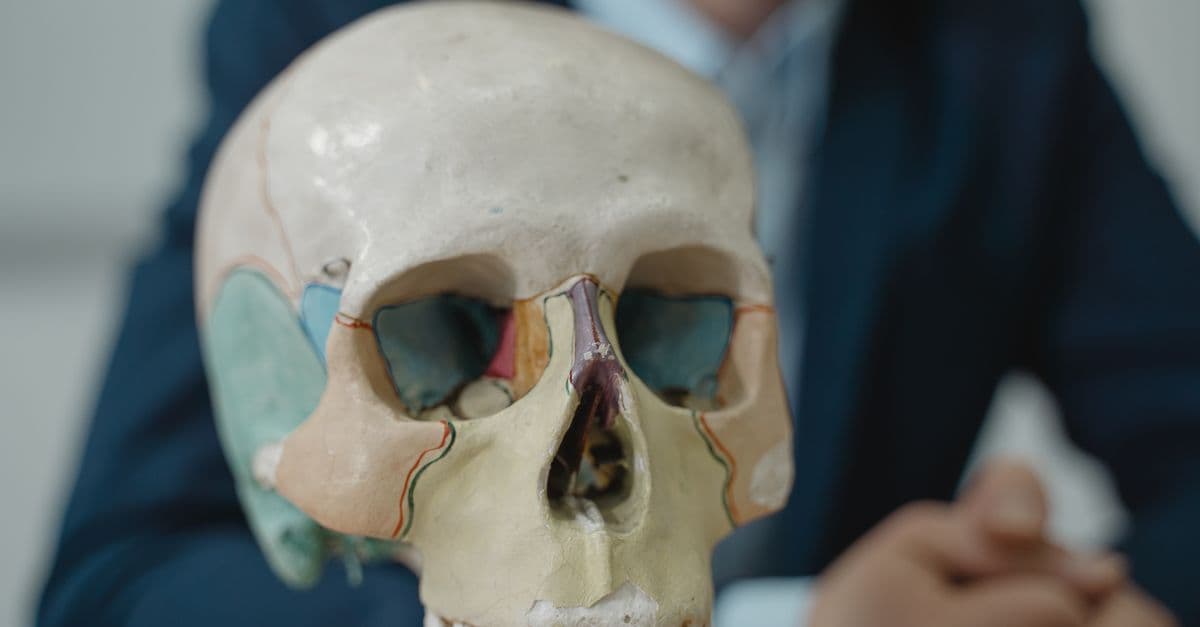
Close-up of a colorful anatomical skull model in a classroom setting, ideal for educational purposes.
Human Body

Why Do Our Limbs Fall Asleep? The Science of Paresthesia

Sustained pressure squeezes a nerve and its blood supply, so the signals that carry sensation stop. When the pressure lifts, the recovering fibers fire on their own, and the brain reads that noise as pins and needles. The episode is common and usually harmless, but the same mechanisms underlie nerve compression syndromes, and the pattern of symptoms helps separate the two.

Editorial Team·June 26, 2026·20 min
A close-up shot of a blue eye partially hidden behind green leaves.
Human Body

Why Do We Get Motion Sickness? The Science of Sensory Conflict

Motion sickness strikes when your inner-ear vestibular system, eyes, and body position sensors send the brain conflicting motion signals. The leading explanation is the sensory-conflict theory, supported by the evolutionary toxin-detector hypothesis: your brain interprets the contradiction as a sign of poisoning and triggers nausea, sweating, and dizziness as a purge reflex. Reading in a moving car, standing below deck on a boat in rough seas, or piloting a flight simulator worsens the conflict. This response is ancient, rooted in survival.

Editorial Team·June 26, 2026·19 min
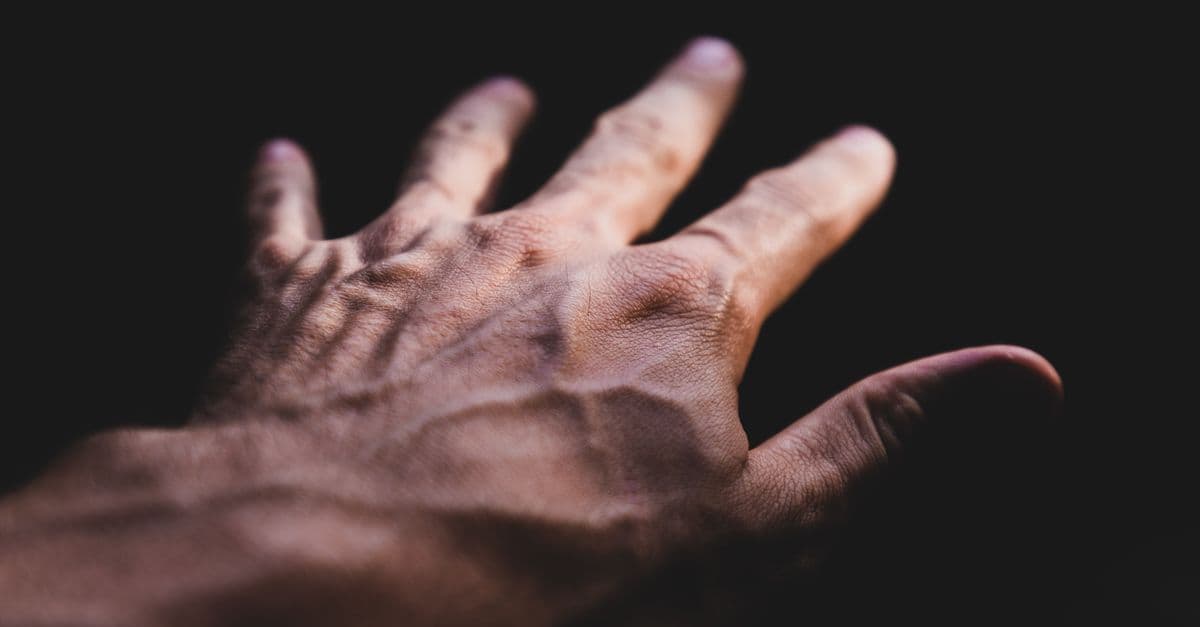
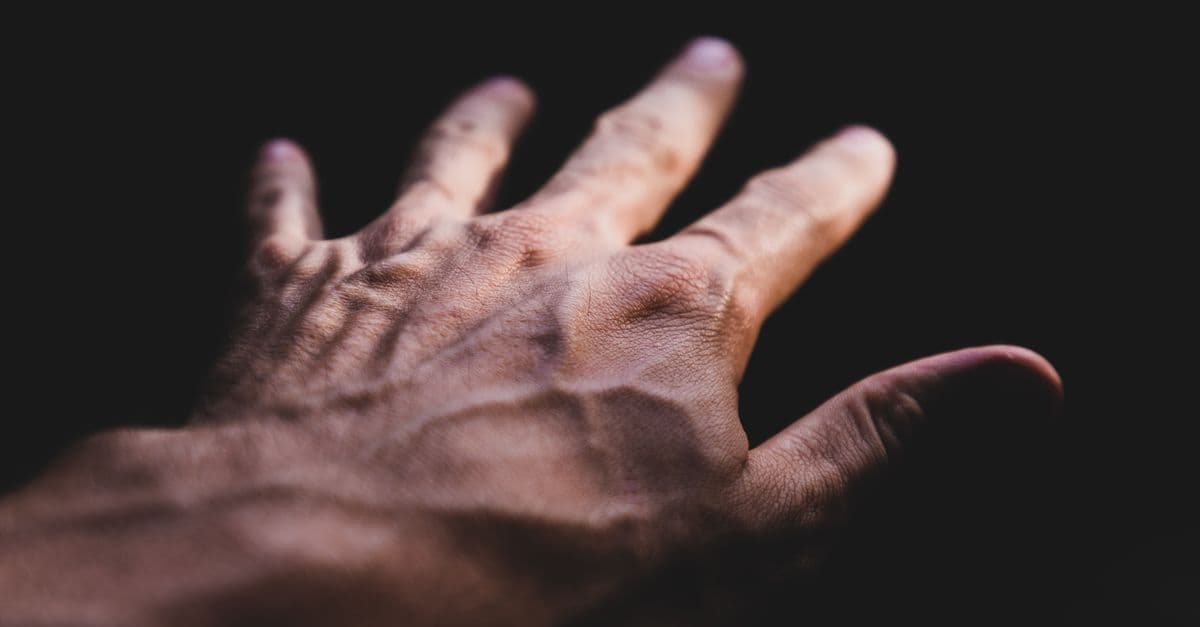
Detailed image of a human hand showing prominent veins against a dark background.
Human Body

Why Do We Shiver? The Science of Thermoregulation

Shivering is an involuntary muscle contraction that generates heat when your body temperature drops below its set point. Your hypothalamus acts as a thermostat, detecting temperature changes through cold receptors and triggering both shivering and non-shivering heat production. Brown fat provides extra warmth in infants, while shivering during fever occurs because your body's target temperature has been reset upward. Understanding this physiological response reveals how your nervous system maintains the narrow 37°C window needed for survival.

Editorial Team·June 26, 2026·15 min
Close-up of people covered in glitter posing artistically with intertwined hands.
Human Body

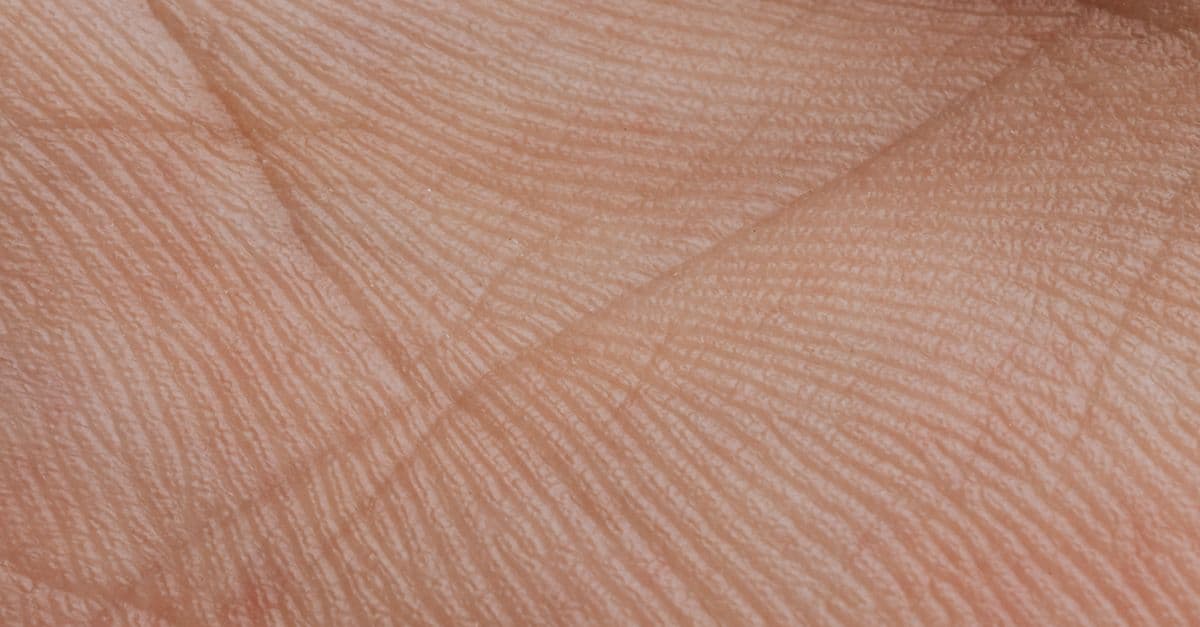
Why Do We Have Fingerprints? The Science

Fingerprints exist primarily to improve grip and amplify fine touch. The ridged skin on your fingertips enhances friction against smooth surfaces and channels vibrations toward specialized nerve endings — but the exact patterns those ridges form are shaped by a reaction-diffusion process that plays out in the womb, governed by competing molecular signals that no two people, not even identical twins, experience in quite the same way.

Editorial Team·June 17, 2026·9 min
Page 1 of 4Next →